Shio Shrine (Tako-machi, Chiba Prefecture) Complete Guide | A Thorough Explanation of History, Deities, Annual Events, and Visiting Information
Shio Shrine, located in Tako-machi, Katori-gun, Chiba Prefecture, is a historic shrine that has long been cherished by the local people. Its history dates back to the land reclamation project of the Bunroku era, and it continues to be cherished as the guardian shrine of the region. This article will introduce the charm of Shio Shrine in its entirety, including its history, deities, annual events, and visiting information.
Basic Information about Shio Shrine
Shio Shrine is located at 1031 Asama, Ushio, Tako-machi, Katori-gun, Chiba Prefecture, and is a deeply rooted presence in the community as the guardian shrine of the Kamigo settlement. While there are many shrines in Chiba Prefecture, Shio Shrine has cultivated its own unique history and culture as a community-oriented shrine.
Location and Access
Address: 1031 Asama, Ushio, Tako-machi, Katori-gun, Chiba Prefecture
Tako-machi is located in the northeastern part of Chiba Prefecture and is relatively close to Narita Airport. Access to Shio Shrine is mainly by car, but if using public transportation, you will need to take a bus or taxi from the nearest station.
Access by Car:
- Approximately 30 minutes from Narita IC on the Higashi-Kanto Expressway
- Approximately 20 minutes from Daiei IC on the Ken-O Expressway
- Parking space is limited, so please be considerate of the surrounding area when visiting.
Access by Public Transportation:
- Approximately 15 minutes by taxi from Tako Station on the JR Narita Line
- Approximately 20 minutes by taxi from Shibayama-Chiyoda Station on the Shibayama Railway
As a local guardian shrine, it is mainly visited on foot or by bicycle by local parishioners and nearby residents.
History and Origins of Shio Shrine
Founding and the Bunroku Era
The history of Shio Shrine dates back to Bunroku 3 (1594), during the reclamation of new rice fields. This was shortly after Toyotomi Hideyoshi unified Japan, a period when new rice field development was progressing nationwide. Farmland development was also carried out around Tako Town, and it is believed that the shrine was founded at that time to pray for the safety of the region and a bountiful harvest.
Counting from the Bunroku era, Shio Shrine has a history of over 400 years. Throughout this long history, it has functioned as a center of faith for the local people and as the spiritual center of the community.
Merger and Changes in the Taisho Era
A significant turning point in the history of Shio Shrine was the Taisho era. During this period, the “Ko-no-Okami” and “Inari Shrine” located within the settlement were merged and reorganized into their current form.
From the Meiji era to the Taisho era, the consolidation and abolition of shrines progressed throughout Japan. This was influenced by the Meiji government’s policy of consolidating shrines, a movement to streamline management by integrating smaller shrines and altars. Shio Shrine also followed this trend, consolidating multiple deities of worship into a single shrine.
From the Showa Era to the Present
Throughout the Showa era, Shio Shrine continued to fulfill its role as the guardian shrine of the region. Even during the post-war period of rapid economic growth, while facing the challenge of declining rural populations, it was carefully preserved by local parishioners.
Even today, Shio Shrine functions as an important hub for the local community. Through annual events and festivals, it serves as a place for intergenerational exchange, contributing to the preservation and transmission of local culture.
Deities and Worship
Deities Enshrined
Shio Shrine enshrines several deities that have been worshipped in the region since before the consolidation in the Taisho era.
Main Deities Enshrined:
- Ko-no-Okami: Worshipped as the god of fertility, safe childbirth, and child-rearing.
- Inari-no-Kami: Deeply revered in agricultural regions as the god of abundant harvests and business prosperity.
These deities were important objects of worship directly related to the lives of the local residents who relied on agriculture. Prosperity of descendants and bountiful harvests were essential elements for the survival and prosperity of the community.
Characteristics of Local Beliefs
The beliefs at Shio Shrine have characteristics unique to the rural areas of northeastern Chiba Prefecture. Because agriculture, centered on rice cultivation, is prevalent in this region, prayers for abundant harvests have been particularly emphasized.
Furthermore, the worship of Ko-no-Okami is an expression of the desire for the continuation of family and community. Even in modern times, with declining birth rates, these traditional beliefs remain a spiritual support for the community.
Annual Events and Festivals
Harvest Prayer Ceremony in November
One of the most important annual events at Shio Shrine is the traditional harvest prayer ceremony held in November. This ceremony is held in conjunction with the harvest season, and is a Shinto ritual to give thanks for the year’s harvest and to pray for a bountiful harvest in the coming year.
At this ceremony, local parishioners gather, and Shinto rituals such as the recitation of prayers and the offering of sacred branches are solemnly performed by the Shinto priests. Newly harvested rice and local agricultural products are offered to the gods, expressing gratitude to them.
Other Annual Events
Shio Shrine holds various Shinto rituals throughout the year.
Main Annual Events:
- New Year’s Day Festival (January 1st): A prayer is offered for peace and prosperity throughout the year. Local residents visit the shrine for their first shrine visit of the year, welcoming the start of the new year together with the gods.
- Spring Festival: A festival is held to pray for safety in agricultural work and a bountiful harvest, coinciding with the arrival of spring.
- Summer Purification Ceremony: A ceremony to purify oneself of the impurities accumulated over the past six months and pray for health and safety for the remaining half of the year.
- Autumn Festival: An important festival to express gratitude for the harvest.
These Shinto rituals are closely linked to the agricultural calendar and preserve traditional Japanese beliefs and lifestyles.
Role as a Local Community
Annual events are not merely religious ceremonies; they are important opportunities for local residents to gather and interact. Especially in aging rural areas, shrine festivals serve as a valuable place to reaffirm intergenerational bonds and foster a sense of community.
Through these annual rituals, traditional culture is passed down to the next generation, and the local identity is preserved.
Grounds and Facilities of Shio Shrine
Grounds
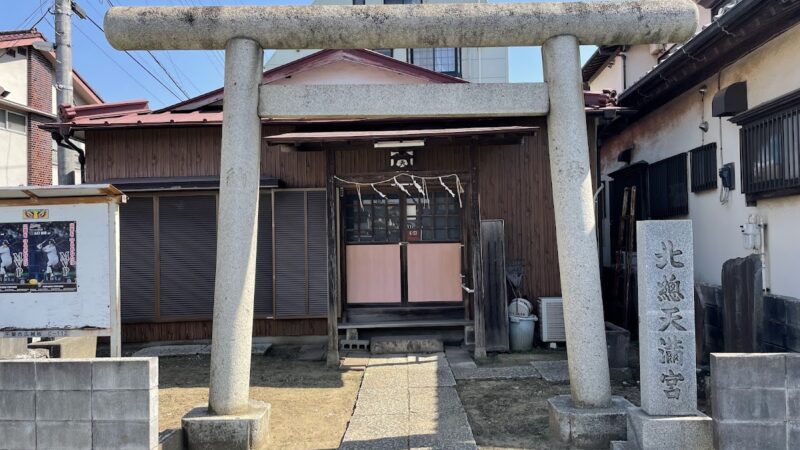
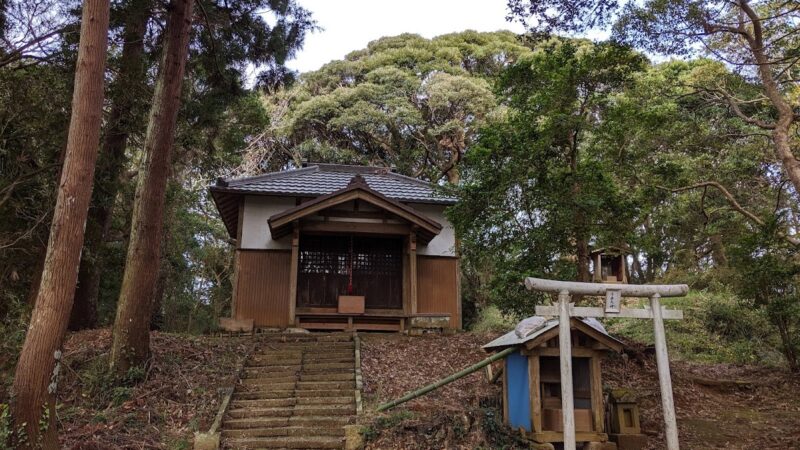
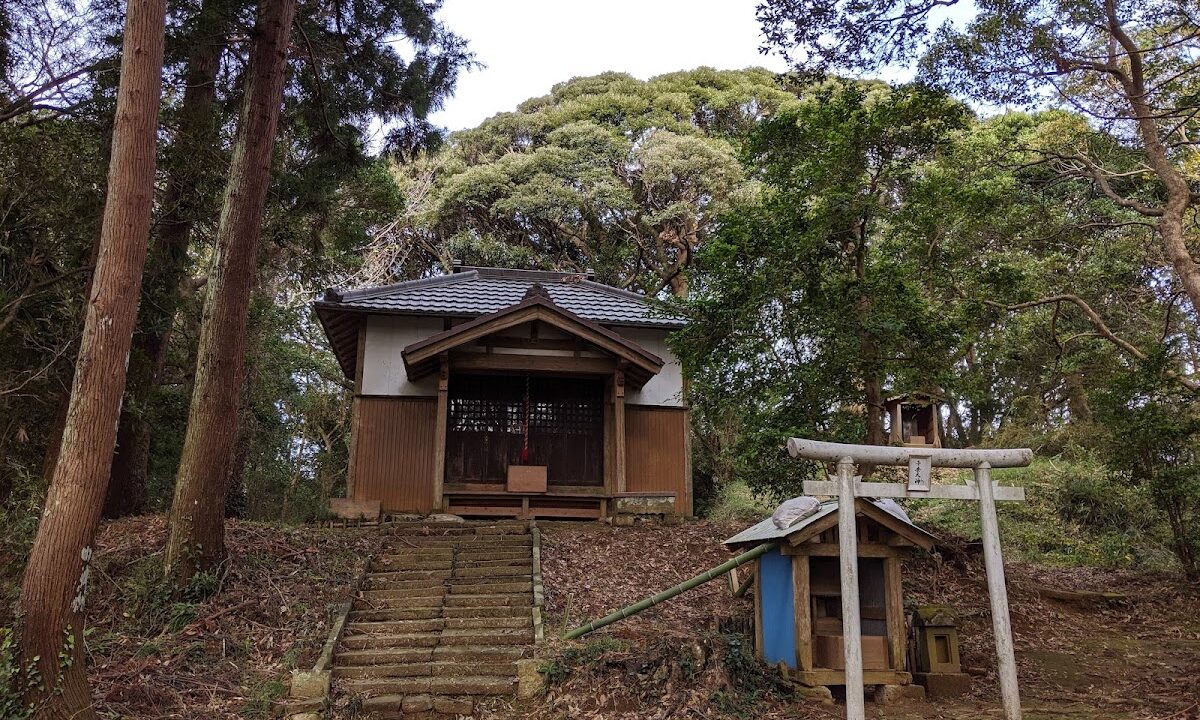
The grounds of Shio Shrine have the atmosphere of a typical rural shrine grove. Surrounded by ancient trees, this tranquil space offers a sacred sanctuary, far removed from the hustle and bustle of everyday life, providing peace and tranquility to visitors.
Main facilities within the shrine grounds:
- Main Hall: The central building of the shrine where the enshrined deity is worshipped
- Worship Hall: A place where worshippers offer their prayers
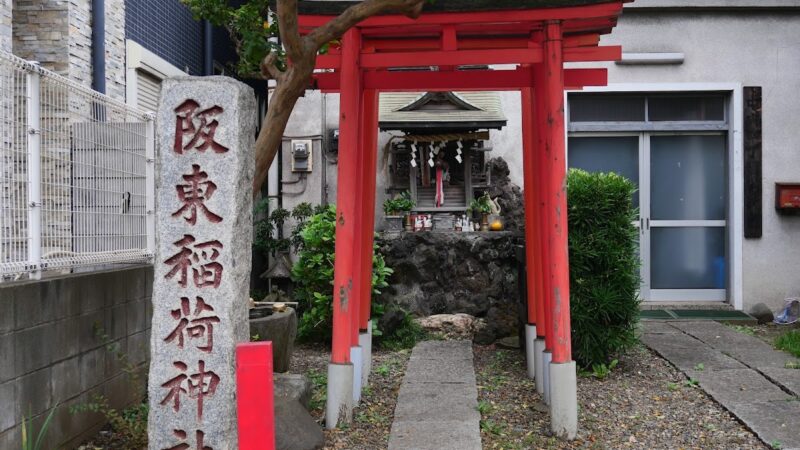
- Torii Gate: A symbolic structure marking the entrance to the sacred area
- Water Basin: A place to purify oneself before worship
- Shrine Office: The building where the shrine is managed and operated
The shrine grounds are carefully maintained by local parishioners, preserving a clean and peaceful atmosphere.
Natural Environment and Landscape
The area surrounding Shio Shrine is a rural landscape in northeastern Chiba Prefecture. The trees within the grounds have grown over many years, giving the shrine a majestic atmosphere.
You can experience the changing seasons: fresh greenery in spring, deep green in summer, vibrant autumn leaves, and sunlight filtering through the deciduous trees in winter. Such natural environments further enhance the spiritual value of the shrine.
Manners and Etiquette for Visiting a Shrine
Basic Worship Etiquette
When visiting Shio Shrine, please observe the following basic worship etiquette.
Worship Procedure:
- Passing Through the Torii Gate: Bow before passing through the torii gate. Since the center of the path is considered the path of the gods, it is desirable to walk along the edges.
- Purifying at the Water Basin: Take the ladle in your right hand and purify your left hand. Next, switch the ladle to your left hand and purify your right hand. Switch it back to your right hand, receive water in your left hand, and rinse your mouth. Finally, hold the ladle upright and purify the handle.
- Worshiping in Front of the Main Hall: Quietly place your offering in the offering box, and ring the bell if there is one. Worship using the two bows, two claps, and one bow method.
- Exit: After finishing your prayers, turn around and bow before passing through the torii gate.
Precautions During Your Visit
- Dress Code: There are no specific rules, but clean clothing is desirable as it is a sacred place.
- Photography: Photography is generally permitted on the shrine grounds, but be aware that there are areas where photography is prohibited, such as inside the main hall.
- Quietness: Please be quiet on the shrine grounds and be considerate of other visitors.
- Pets Allowed: Regulations vary by shrine, so it is recommended to check in advance.
Attractions in and Around Tako Town
Characteristics of Tako Town
Tako Town is located in the northeastern part of Chiba Prefecture and has a population of approximately 14,000. It is close to Narita Airport and is known as a region with abundant nature and thriving agriculture.
Specialties of Tako Town:
- Tako Rice: Known nationwide as a representative brand of rice from Chiba Prefecture.
- Yamatoimo (Japanese yam): A specialty product known for its strong stickiness and rich flavor.
- Agricultural Products: A wide variety of fresh vegetables and fruits are produced.
Nearby Tourist Spots
When visiting Shio Shrine, why not also explore the tourist spots in Tako Town and the surrounding area?
Recommended Spots:
- Tako Hydrangea Park: A popular spot where approximately 10,000 hydrangea plants bloom.
- Michi-no-Eki Tako Hydrangea Hall: You can purchase fresh local agricultural products and specialty goods.
- Naritasan Shinshoji Temple: One of the most famous temples in the Kanto region, located about 30 minutes away by car.
- Katori Shrine: The head shrine of all Katori Shrines nationwide and a representative shrine of Chiba Prefecture.
By combining these spots, you can enjoy a fulfilling trip to northeastern Chiba Prefecture.
Comparison with Other Shrines in Chiba Prefecture
Shrine Culture in Chiba Prefecture
Chiba Prefecture boasts a diverse array of shrines, ranging from nationally renowned sites to small, community-oriented shrines. According to official prefectural information, there are thousands of shrines within Chiba Prefecture, each possessing its own unique history and culture.
Major Shrines in Chiba Prefecture:
- Katori Shrine (Katori City): Head shrine of approximately 400 Katori shrines nationwide
- Tamaki Shrine (Ichinomiya Town): A long-standing center of worship as the Ichinomiya (first-ranked shrine) of Kazusa Province
- Awa Shrine (Tateyama City): The Ichinomiya of Awa Province, known as the god of craftsmanship
- Sakuragi Shrine (Noda City): Popular as a cherry blossom viewing spot
Characteristics and Positioning of Shio Shrine
While smaller in scale compared to these famous shrines, Shio Shrine holds unique value as the guardian shrine of the region.
Characteristics of Shio Shrine:
- Historical origins dating back to the Bunroku era
- Community-based form of worship
- Rituals deeply intertwined with agriculture
- Central role in the local community
While large shrines attract many visitors as tourist spots, local guardian shrines like Shio Shrine are closely intertwined with the daily faith and lives of local residents. This difference demonstrates the diversity and richness of Japanese shrine culture.
Role as a local guardian shrine
Ujiko system and shrine management
Shio Shrine is supported by the ujiko system. Ujiko refers to people living within the faith area of a particular shrine, and they are involved in the maintenance and management of the shrine and the operation of festivals.
Roles of Ujiko:
- Cleaning and maintenance of the shrine grounds
- Preparation and operation of annual events and festivals
- Financial support for the shrine
- Preservation of traditional culture
In rural areas facing declining birth rates and an aging population, the decrease in ujiko is a challenge, but at Shio Shrine, traditions are preserved through the cooperation of local residents.
Cultural Value
The Chiba Prefecture official website provides information on cultural properties related to shrines within the prefecture. Shio Shrine is recognized as an important cultural resource that conveys the history of the region.
Shrines accumulate tangible and intangible cultural assets, such as shrine architecture, ritual practices, and festival formats. These are not merely relics of the past, but living culture that breathes life into the lives of local people.
Educational Value
Local shrines like Shio Shrine offer children valuable opportunities to experience traditional culture. Through participation in festivals and experiences at the shrine, they can learn about Japan’s spiritual culture and history.
Visiting a shrine with family promotes intergenerational exchange and is an important opportunity to pass on traditional values and customs to the next generation. For families with children, local shrines are places of educational value.
Best Time to Visit and Seasonal Attractions
New Year’s Visit (January)
The New Year’s visit is one of the best times to visit Shio Shrine. The New Year’s Day Festival is held, where local people pray for peace and prosperity in the new year.
Visiting the shrine for the first time of the year is a refreshing experience in the crisp winter air. However, since northeastern Chiba Prefecture experiences severe cold in winter, warm clothing is recommended.
Arrival of Spring (March-May)
Spring is a beautiful season as the trees in the shrine grounds bud, and the fresh greenery is vibrant. The Spring Festival is held, celebrating the start of the new farming season.
Around Tako Town, preparations for rice planting begin, and the area is filled with the lively energy characteristic of rural communities. The mild climate allows for a leisurely visit to the shrine.
Summer Greenery (June-August)
Summer brings deeper greenery to the shrine grounds, and the shade of the trees is pleasant. The Summer Purification Ceremony is held, a Shinto ritual to cleanse away the impurities accumulated over the past six months.
At Ajisai Park in Tako Town, the hydrangeas are in full bloom around June, making it a recommended visit in conjunction with a visit to Shio Shrine.
Autumn Harvest (September-November)
Autumn is arguably the most suitable season to visit Shio Shrine. A harvest prayer ceremony is held in November, a Shinto ritual expressing gratitude for the year’s bounty.
Rice harvesting takes place in the surrounding rice fields, creating a beautiful landscape of golden rice stalks. You can enjoy the rural scenery unique to the harvest season.
Winter Silence (December-February)
Winter is a season with fewer visitors, allowing for a peaceful visit. The winter light filtering through the leafless trees creates a unique atmosphere within the shrine grounds.
At the end of the year, thanks are offered for the past year, and preparations for the new year begin. Visiting the shrine in this tranquil setting provides a good opportunity for calm and introspective reflection.
How to Enjoy Visiting Shio Shrine
A Time for Quiet Prayer
The greatest charm of Shio Shrine is the opportunity to have a peaceful time for prayer in a tranquil environment, far removed from the hustle and bustle of the city. Unlike large tourist shrines, it is rarely crowded, allowing you to visit at your own pace.
In the quietness of the shrine grounds, you can forget the busyness of daily life and have time to compose your mind. This can be considered a valuable experience for modern people.
Experiencing Local Culture
Visiting during annual events or festivals allows you to directly experience the traditional culture of the region. You can observe Shinto rituals and interact with local people, experiencing rural life and culture.
These experiences will be encounters with authentic Japanese culture that you won’t find in tourist guidebooks.
Photo Spot
Shio Shrine is also an attractive spot for photography enthusiasts. There are plenty of elements to photograph, such as the old torii gate, the main hall, and the trees on the grounds.
Photographing in the soft light of morning or evening, in particular, can produce impressive photos. However, when taking pictures, please be considerate of other visitors.
Combining with a Stroll Around the Area
Combining a visit to Shio Shrine with a stroll around Tako Town will make for a more fulfilling experience.
Recommended Itinerary:
- Visit Shio Shrine in the morning
- Purchase local agricultural products at the roadside station
- Enjoy a meal featuring Tako rice
- Explore nearby spots such as Ajisai Park
- Visit famous nearby shrines such as Naritasan Shinshoji Temple and Katori Jingu Shrine in the evening
In this way, you can fully enjoy the charm of northeastern Chiba Prefecture, starting from Shio Shrine.
Detailed Access to Shio Shrine
Access by Car
Visiting by private car is the most convenient option. You can check the route by searching for “Shio Shrine Tako Town” or the address “1031 Asama, Ushio, Tako-machi, Katori-gun, Chiba Prefecture” on your car navigation system or smartphone map app.
Travel Time from Major Cities:
- From central Tokyo: Approximately 1 hour 30 minutes to 2 hours
- From Chiba City: Approximately 1 hour
- From Narita City: Approximately 30 minutes
- From Choshi City: Approximately 40 minutes
Parking is limited, so early arrival is recommended during festivals and other events.
Access by Public Transportation
When using public transportation, advance planning is important as transportation options from the nearest station are limited.
Combination of Train, Bus, and Taxi:
- Take the JR Narita Line to “Tako Station” or the Shibayama Railway to “Shibayama Chiyoda Station”
- From the station, take a taxi for approximately 15-20 minutes
- If using the bus, check the route and timetable in advance.
For detailed information such as phone numbers, please inquire at the Tako Town Tourist Information Center or Town Hall.
Travel Planning Tips
Points to consider when planning a day trip to Shio Shrine:
- Duration: The visit itself takes about 30 minutes to 1 hour. Including sightseeing in the surrounding area, a half-day to full-day plan is ideal.
- Dining: There are restaurants in Tako Town that use local ingredients. Check in advance for restaurants where you can enjoy Tako rice.
- Accommodation: It’s convenient to use hotels in Narita City or Katori City as your base.
- Combinations: A travel plan combining Shio Shrine with other tourist spots in northeastern Chiba Prefecture, such as Naritasan Shinshoji Temple, Katori Shrine, and Inubosaki, is recommended.
The Future and Preservation Activities of Shio Shrine
Challenges in Cultural Property Preservation
Challenges faced by local shrines nationwide include a decline in parishioners due to the declining birthrate and aging population, aging buildings, and a shortage of people to carry out festivals. Shio Shrine is no exception, and is striving to preserve its traditions while facing these challenges.
Chiba Prefecture provides information on the cultural properties of shrines through its official website and supports preservation activities. Through the combination of these public initiatives and local efforts, valuable cultural heritage will be passed on to future generations.
Contribution to Regional Revitalization
Local shrines like Shio Shrine also have aspects of a tourist resource. Disseminating regional culture centered around the shrine has the potential to attract day-trippers from the Kanto region and tourists enjoying sightseeing within Chiba Prefecture.
In Tako Town, the development of tourism plans combining local specialties such as Tako rice and the Hydrangea Park is anticipated. Shio Shrine can play a part in this, contributing to regional revitalization.
Passing on to the Next Generation
The participation of younger generations is essential for the transmission of traditional culture. It is important to increase opportunities for children to participate in shrine festivals and learn about local history and culture.
Efforts to connect younger generations with shrines in various forms, such as family visits and collaboration with school education, are needed. Such transmission activities are indispensable for Shio Shrine to continue as the guardian shrine of the region for the next 100 or 200 years.
Summary: The Charm and Value of Visiting Shio Shrine
Located in Tako-machi, Katori-gun, Chiba Prefecture, Shio Shrine is a local guardian shrine with a history of over 400 years dating back to the Bunroku era. Unlike large tourist shrines, it is a small, community-oriented shrine, but traditional Japanese religious culture still thrives there.
The Charm of Shio Shrine:
- Historical origins dating back to the land reclamation in Bunroku 3 (1594)
- A center of local faith, enshrining the deities of children and Inari
- Traditional annual events, including the harvest prayer ceremony in November
- A quiet and peaceful shrine environment
- A connection to Tako-machi’s rich nature and agricultural culture
- A role as a spiritual pillar of the local community
Visiting Shio Shrine is not merely sightseeing; it is a valuable experience to connect with Japanese rural culture and traditional beliefs. It is a shrine that we highly recommend to those who want to escape the hustle and bustle of the city and find time to calm their minds in a peaceful environment, those interested in Japanese regional culture, and those looking for hidden gems in Chiba Prefecture. Why not add Shio Shrine to your travel plans, which may already include famous nearby spots like Narita Airport, Naritasan Shinshoji Temple, and Katori Shrine? This small shrine, cherished by the local community, offers a glimpse into a quintessential Japanese landscape.
When visiting northeastern Chiba Prefecture, be sure to stop by Shio Shrine. There, you’ll find an encounter with authentic Japanese culture that you won’t find in guidebooks.