Kamakazu Ise Grand Shrine (Chiba Prefecture) Complete Guide | History, Blessings, Kagura Festival, and Visiting Information
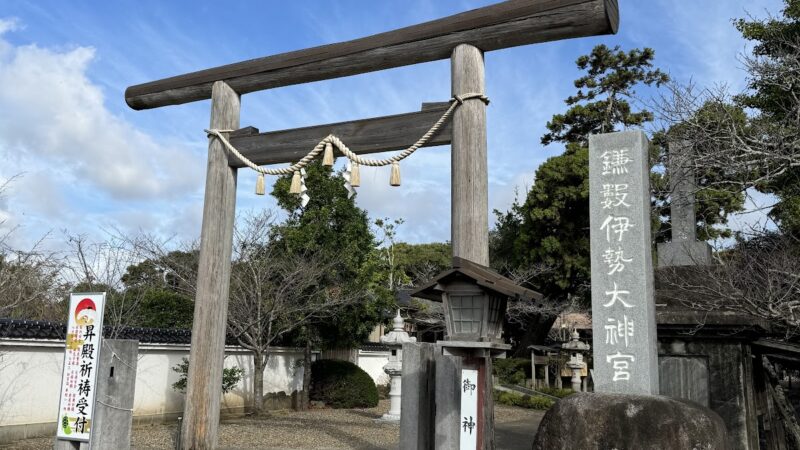
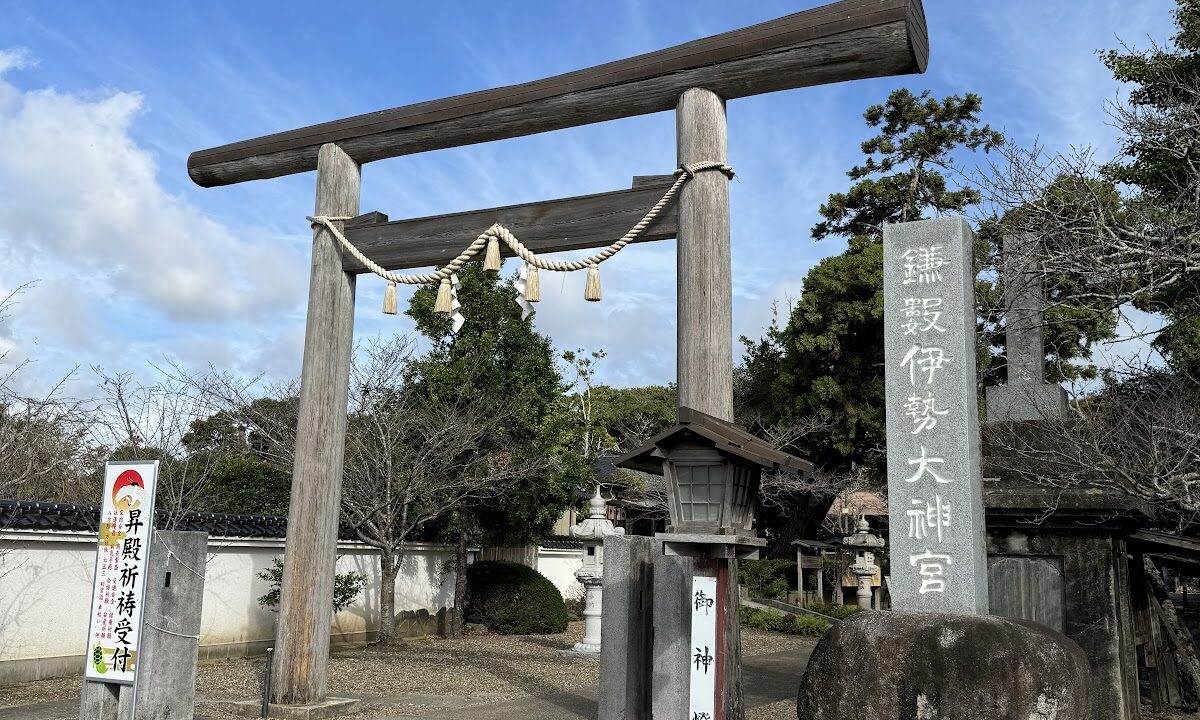
Kamakazu Ise Grand Shrine, located in Asahi City, Chiba Prefecture, is a venerable shrine affectionately known locally as “O-Ise-sama.” It is the only branch shrine of Ise Grand Shrine in Chiba Prefecture and has a historical background, having been founded to commemorate the completion of a large-scale land reclamation project during the Edo period. This article comprehensively explains everything you need to know before visiting Kamakazu Ise Grand Shrine, including its history, enshrined deities and blessings, the Kamakazu Kagura (a Chiba Prefecture-designated intangible folk cultural property), visiting information, and access methods.
History and Origins of Kamakazu Ise Grand Shrine
Background of the Tsubakiumi Land Reclamation and Shrine Founding
The founding of Kamakazu Ise Grand Shrine is deeply connected to the Tsubakiumi land reclamation project carried out from 1671 to 1672 during the early Edo period. Tsubakiumi was a vast lake that stretched across the area around present-day Asahi City, and its reclamation was a large-scale project known as “80,000 koku of tidal flats.”
The reclamation project was started by Tsujiuchi Gyobuzaemon and others from the Ise Kuwana Domain, but the construction proved extremely difficult. Strong opposition from farmers, repeated construction failures and accidents, led the construction magistrate, Hisamatsu Etchu-no-kami, to request the assistance of Umetani Sakon-dayu Nagashige, the chief priest of Arakida Shrine in Ise Grand Shrine and an Onshi (religious guide) of Ise Grand Shrine, to pray to Ise Grand Shrine for the successful completion of the great project.
Divine Spirit from Ise Grand Shrine
Thanks to prayers, the land reclamation project was successfully completed. In gratitude, in 1672 (Kanbun 12), a divided spirit from Ise Grand Shrine was moved to Kamakazu and enshrined there, marking the beginning of Kamakazu Ise Grand Shrine. Since its founding, the Umetani family has served as chief priests for generations, with the current chief priest being the 12th.
This shrine, as the “General Guardian Shrine of the 80,000-koku Tidal Flats,” plays a vital role in protecting the fertile farmland created by the land reclamation project and has been a center of faith for the local people.
Deity and Benefits
Deity of Amaterasu Omikami
The deity enshrined at Kamakazu Ise Grand Shrine is Amaterasu Omikami. As the only branch shrine of Ise Grand Shrine in Chiba Prefecture that enshrines the same deity as the Inner Shrine of Ise Grand Shrine, it is known as a highly prestigious shrine.
Amaterasu Omikami is the supreme deity in Japanese mythology, revered as the personification of the sun, the source of all life, and the goddess who governs the peace and security of the nation.
Diverse Blessings
Kamazu Ise Grand Shrine is believed to offer a variety of blessings, including:
- Abundant Harvest: As the guardian deity of reclaimed land, prayers are offered for a bountiful harvest.
- Peace and Tranquility: Peace and stability for the nation and region.
- Construction Safety: Prayers for safety in construction and engineering projects, stemming from the success of land reclamation projects.
- Business Prosperity: Development and prosperity of businesses.
- Family Safety: Health and happiness for the family.
- Traffic Safety: Protection for safe travel and journeys.
- Safe Childbirth: Health and safe delivery for mother and child.
In particular, given its history of being founded to pray for the completion of large-scale land reclamation projects, many people visit to pray for construction safety and the success of their projects.
Highlights of the Shrine Grounds
Characteristics of the Shrine Architecture
The grounds of Kamakazu Ise Grand Shrine cover approximately 902 tsubo (approximately 2,980 square meters) and are characterized by their Shinmei-zukuri style architecture, which follows the style of Ise Grand Shrine.
The following buildings are located within the grounds:
- Main Hall: Traditional Shinmei-zukuri style with a thatched roof
- Offering Hall: Copper-plated roof connecting the main hall and the worship hall
- Worship Hall: Copper-plated Shinmei-zukuri style welcoming worshippers
- Kagura Hall: Stage where Kamakazu Kagura is performed
- Shrine Office: Single-story building with a zinc-plated roof
The Shinmei-zukuri style is the oldest style of shrine architecture in Japan, exemplified by Ise Grand Shrine. It is characterized by its simple yet powerful beauty, featuring a gabled roof and chigi (ornamental roof finials) and katsuogi (decorative roof beams).
Tsubakinoumi Suijinja Shrine
Within the shrine grounds is the Tsubakinoumi Suijinja Shrine, which is related to the Tsubakiumi land reclamation project. This shrine enshrines the water deity of Tsubakiumi, which disappeared due to the reclamation, and expresses gratitude for the blessings of water and the success of the reclamation project. When visiting Kamakazu Ise Grand Shrine, it is recommended to also visit this shrine.
Kamakazu Kagura | Chiba Prefecture Designated Intangible Folk Cultural Property
History and Characteristics of Kamakazu Kagura
Kamakazu Kagura, performed at Kamakazu Ise Grand Shrine, is a valuable traditional performing art designated as a Chiba Prefecture Designated Intangible Folk Cultural Property. This kagura has been passed down since the Edo period and has been carefully preserved by the local people.
Kamakazu Kagura consists of 12 dances based on myths and legends, and two children’s dances, and is a prayer for a bountiful harvest and the prosperity of the region. The dance is both graceful and powerful, expressing gratitude and respect for the gods.
Activities of the Kamakazu Kagura Preservation Society
The Kamakazu Ise Grand Shrine Kagura Preservation Society is dedicated to passing on this precious tradition to future generations. They teach Kagura techniques to young people in the community, and practice throughout the year. Thanks to the society’s efforts, the Kamakazu Kagura, with its nearly 400-year history, continues to thrive.
Kagura Performance at the Grand Festival
Every year on March 27th and 28th, the Kamakazu Ise Grand Shrine Grand Festival is held, and Kamakazu Kagura is performed at the Kagura Hall within the shrine grounds. Many spectators from both within and outside the region visit the festival to admire the traditional dance.
This festival, which heralds the arrival of spring, is an important annual event in the community and is affectionately known as “The Grand Festival of Ise-sama.” The Kagura performance takes place in a sacred atmosphere, deeply moving those who watch.
Annual Events and Festivals
At Kamakazu Ise Grand Shrine, various festivals and events are held throughout the year.
Main Annual Events
- January 1st: New Year’s Day Festival
- February 3rd: Setsubun Festival
- March 27th & 28th: Spring Grand Festival (Kamakazu Kagura Dedication)
- July: Summer Purification Ceremony
- October: Autumn Grand Festival
- Around November 15th: Shichi-Go-San Festival
- December 31st: Great Purification Ceremony & New Year’s Eve Festival
The Spring Grand Festival, in particular, is the most important festival and attracts many worshippers.
Various Prayers and Sorrows
Kamazu Ise Grand Shrine accepts the following prayers and blessings at any time:
- First Shrine Visit (Omiyamairi)
- Shichi-Go-San Ceremony
- Exorcism Prayer
- Traffic Safety Prayer
- Safe Childbirth Prayer
- Family Safety Prayer
- Business Prosperity Prayer
- Groundbreaking Ceremony
- Ridgepole Raising Ceremony
- Completion Ceremony
Those wishing to request a prayer are advised to contact the shrine office by phone in advance.
Goshuin (Shrine Seal) Information
Issuance of Goshuin
Kamazu Ise Grand Shrine offers goshuin to visitors. Goshuin are popular among many visitors as proof of worship and as a way to forge a connection with the shrine.
Goshuin are available at the shrine office, and the offering fee is generally around 300 to 500 yen. You can bring your own goshuincho (stamp book) or purchase one on-site.
Etiquette for Receiving a Goshuin
When receiving a goshuin, please observe the following etiquette:
- Complete your prayers first before receiving the goshuin.
- Request politely at the shrine office.
- Open your goshuincho and hand it over.
- Wait quietly while the goshuin is being written.
- Express your gratitude.
Receiving a goshuin is not about a stamp rally; it’s about cherishing your connection with the shrine.
Basic Information and Access
Basic Information
- Official Name: Kamakazu Ise Daijingu Shrine
- Reading: Kamakazu Ise Daijingu
- Address: 4314 Kamakazu, Asahi City, Chiba Prefecture 289-2516
- Phone Number: 0479-62-1982
- Visiting Hours: Grounds are open freely (Shrine office is open from 9:00 to 17:00)
- Admission Fee: Free
- Parking: Available (Free, approximately 30 spaces)
- Official Website: https://kamakazu.com/
Access by Train
Using the JR Sobu Main Line:
- Approximately 20 minutes on foot from Higata Station (approximately 1.5 km)
- Approximately 25 minutes on foot from Asahi Station (approximately 2 km)
Both stations are within walking distance, but Higata Station is slightly closer. If you take a taxi from the station, it will take about 5 minutes.
Access by Car
Using the Higashi-Kanto Expressway:
- Approximately 25km, 30 minutes from Daiei IC
- Approximately 20km, 25 minutes from Sawara-Katori IC
Travel Time from Major Cities:
- From Tokyo: Approximately 90 minutes
- From Chiba City: Approximately 60 minutes
- From Narita Airport: Approximately 40 minutes
Please enter the phone number (0479-62-1982) or address into your car navigation system.
Parking Information
There is a free parking lot on the shrine grounds, with space for approximately 30 regular cars. Temporary parking may be provided during busy periods such as major festivals.
Nearby Tourist Attractions
When visiting Kamakazu Ise Grand Shrine, we recommend also visiting tourist attractions around Asahi City.
Kujukuri Beach
Located about 15 minutes by car from Kamakazu Ise Grand Shrine, Kujukuri Beach is one of Japan’s leading sandy beaches, stretching approximately 66 km. Enjoy surfing, swimming, and strolling along the shore.
Iioka Gyobu Cape Observation Deck
This observation facility in Iioka, Asahi City, offers a spectacular view of the Pacific Ocean and Kujukuri Beach. On clear days, Mount Fuji can sometimes be seen.
Michi-no-Eki Kirari Asahi
This roadside station sells fresh local agricultural and marine products. You can also enjoy Asahi City’s specialties and meals.
Fukuro Park
This park allows you to learn about the history of the Tsubakiumi land reclamation project. A monument commemorating the reclamation and related materials are on display. It helps in understanding the background of the founding of Kamakazu Ise Grand Shrine.
Points and Manners for Visiting a Shrine
Etiquette for Visiting a Shrine
Kamazu Ise Grand Shrine is a branch shrine of Ise Grand Shrine, therefore, the etiquette for visiting a shrine follows that of Ise Grand Shrine:
- Bow before the torii gate: Bow before entering the shrine grounds.
- Purify yourself at the water basin: Purify your left hand, then your right hand, then your mouth.
- Walk along the edge of the path: The center is the path for the gods.
- Pray in front of the main hall: Follow the two bows, two claps, and one bow ritual.
- Walk quietly around the shrine grounds: Be mindful that this is a sacred place.
Clothing and Items to Bring
For a normal visit, no special clothing is required, but clean and subdued attire is desirable. If you are receiving a prayer, slightly more formal attire is preferable.
The following items are helpful to bring:
- Goshuincho (stamp book) (if you wish to receive a Goshuin stamp)
- Camera (photography is permitted on the shrine grounds, but confirmation is required for photography inside the shrine buildings)
- Offering money
- Hatsuhoryo (offering fee) (if receiving prayers)
Regarding Photography
Photography is generally permitted on the shrine grounds, but it may be best to refrain during festivals or prayers. Please check with the shrine office if you have any questions. When posting on social media, please be considerate so as not to diminish the dignity of the shrine.
Seasonal Attractions
Attractions in Spring
Spring is the busiest season at Kamakazu Ise Grand Shrine. During the grand festival in late March, Kamakazu Kagura is performed, and the grounds are adorned with cherry blossoms. Visiting in the spring weather is a special experience.
Attractions in Summer
In summer, the lush green grounds create a cool and refreshing atmosphere. During the Summer Purification Ceremony, visitors can experience the traditional ritual of passing through a ring of reeds, purifying themselves of the impurities accumulated over the past six months.
Attractions in Autumn
Autumn is the harvest season, and the Autumn Festival, a celebration of a bountiful harvest, is held. It’s also the time for Shichi-Go-San (a traditional rite of passage for children), offering heartwarming scenes of children’s growth.
Attractions in Winter
In winter, the shrine grounds are enveloped in silence, creating a solemn atmosphere for worship. Participating in New Year’s rituals, such as the year-end purification ceremony and the New Year’s Day festival, allows visitors to welcome the new year with a refreshed spirit.
Cultural Value of Kamakazu Ise Grand Shrine
Regional Historical Heritage
Kamakazu Ise Grand Shrine is a valuable cultural heritage site that preserves the history of the Tsubakiumi land reclamation project, a large-scale civil engineering project from the Edo period. The “Higata Hachimangoku” (80,000 koku of tidal flats) created by the reclamation formed the foundation for agricultural development in Asahi City and played a significant role in the formation of the local community.
Preservation of Intangible Cultural Heritage
Kamazu Kagura, a Chiba Prefecture-designated Intangible Folk Cultural Property, possesses high cultural value as a regional traditional performing art. The preservation society’s activities go beyond mere tradition preservation, playing a crucial role in maintaining the region’s identity.
Value of Architectural Style
The Shinto-style shrine architecture is a valuable example of the Ise Grand Shrine style, allowing visitors to experience it within Chiba Prefecture. The thatched-roof main hall preserves traditional techniques and holds significant architectural historical value.
Summary
Kamazu Ise Grand Shrine, located in Asahi City, Chiba Prefecture, is a shrine steeped in history and tradition. Founded to pray for the success of the Tsubakiumi land reclamation project during the Edo period, it is the only branch shrine of Ise Grand Shrine in Chiba Prefecture, enshrining a divided spirit from Ise Grand Shrine, and has been affectionately known as “O-Ise-sama” by the local people.
Kamakazu Ise Grand Shrine, dedicated to Amaterasu Omikami, is believed to offer various blessings, including abundant harvests, construction safety, and business prosperity, attracting many worshippers throughout the year. In particular, the grand festival in late March features the performance of Kamakazu Kagura, a Chiba Prefecture-designated intangible folk cultural property, providing a valuable opportunity to experience traditional culture.
The shrine is conveniently located within walking distance of Higata Station or Asahi Station on the JR Sobu Main Line, and easily accessible by car, with free parking available. Visiting it in conjunction with nearby tourist attractions such as Kujukuri Beach will allow you to fully enjoy the history and nature of Asahi City.
Kamakazu Ise Grand Shrine, a branch shrine of Ise Grand Shrine, combines high status with a warm, community-rooted atmosphere. When visiting Chiba Prefecture, be sure to pay a visit.
Frequently Asked Questions (FAQ)
Q1: Are there any set visiting hours for Kamakazu Ise Grand Shrine?
A1: Visiting the shrine grounds is generally free, and there are no time restrictions. However, the shrine office (for issuing Goshuin stamps, accepting prayer requests, etc.) is generally open from around 9:00 to 17:00. If you wish to receive prayers or a Goshuin stamp, it is recommended to visit within these hours.
Q2: When can I see the Kamakazu Kagura?
A2: The Kamakazu Kagura is performed annually at the Spring Grand Festival held on March 27th and 28th. Twelve dances and two children’s dances are performed in the Kagura Hall on the shrine grounds, attracting many spectators. Visiting during this time allows you to appreciate this traditional performing art, a Chiba Prefecture designated intangible folk cultural property.
Q3: Is there parking? Is there a fee?
A3: There is a free parking lot on the shrine grounds, accommodating approximately 30 regular cars. While there is usually ample space, temporary parking may be provided during busy periods such as the grand festival. Parking is free.
Q4: Can I get a Goshuin stamp? How much is the offering fee?
A4: Yes, Kamakazu Ise Grand Shrine offers Goshuin (temple/shrine stamps). They are available at the shrine office, and the offering fee is generally around 300 to 500 yen. It is considered proper etiquette to receive the Goshuin after completing your prayers. You can bring your own Goshuincho (stamp book) or purchase one on-site.
Q5: How do I get there from the nearest station?
A5: The nearest station is Higata Station on the JR Sobu Main Line, about a 20-minute walk (approximately 1.5 km). It is also accessible from Asahi Station in about 25 minutes on foot (approximately 2 km). If you take a taxi from the station, it takes about 5 minutes. By car, it’s about 30 minutes from the Daiei IC on the Higashi-Kanto Expressway, and about 25 minutes from the Sawara-Katori IC.
Q6: Is a reservation required for prayers for Shichi-Go-San (7-5-3) or Hatsumiyamairi (first shrine visit)?
A6: Prayers are accepted at any time, but it can get particularly crowded during the Shichi-Go-San season (November) and major festivals, so it’s best to contact us in advance by phone (0479-62-1982) for a smoother experience. You can also check the prayer fee and duration beforehand.
Q7: What is the relationship between Kamakazu Ise Grand Shrine and Ise Grand Shrine?
A7: Kamakazu Ise Grand Shrine is a shrine established in 1672 (Kanbun 12) by transferring a divided spirit from Ise Grand Shrine (Ise Grand Shrine’s Inner Shrine). It is the only branch shrine of Ise Grand Shrine in Chiba Prefecture. The enshrined deity is Amaterasu Omikami, the same as Ise Grand Shrine’s Inner Shrine, and the shrine building adopts the Shinmei-zukuri style, which is also used for Ise Grand Shrine.
Q8: What is the history of Tsubakiumi Reclamation?
A8: Tsubakiumi was a vast lake that existed in the area around present-day Asahi City during the early Edo period. A large-scale land reclamation project was carried out during the Kanbun era (1661-1673). This project was extremely difficult, but as a result of prayers to Ise Grand Shrine, it was successfully completed, creating fertile farmland known as “Higata Hachimangoku” (80,000 koku of tidal flats). Kamakazu Ise Grand Shrine was built in gratitude for this.
Q9: Are there places to eat or rest nearby?
A9: The area around the shrine is a mix of residential areas and farmland, but about a 15-minute drive away is the Kirari Asahi roadside station, where you can enjoy meals and shopping using local ingredients. There are also several restaurants around Asahi Station. Many seafood restaurants can be found along Kujukuri Beach.
Q10: Which season is recommended for visiting?
A10: The best time to visit is during the Spring Grand Festival in late March, when the Kamakazu Kagura is performed. You can enjoy traditional performing arts and visit the shrine in the pleasant spring weather. However, if you prefer a quiet visit, weekdays or times other than major festivals are recommended. The autumn Shichi-Go-San season and the New Year’s visit period also have their own unique charm.