Complete Guide to Omiya Shirahata Shrine (Wakaba Ward, Chiba City, Chiba Prefecture)
Omiya Shirahata Shrine, located in Wakaba Ward, Chiba City, Chiba Prefecture, is a historical shrine that enjoys deep devotion from local residents. This article provides a detailed explanation of Omiya Shirahata Shrine’s history, enshrined deities, highlights of the grounds, and access methods. This is essential information for anyone planning a shrine tour in Chiba Prefecture or interested in local history.
About Omiya Shirahata Shrine
Omiya Shirahata Shrine is a shrine located in Wakaba Ward, Chiba City, Chiba Prefecture, and is a place of worship with a long history as the guardian shrine of the region. While the exact founding date is unknown, records from the Edo period remain, and it has been revered as a place to pray for the safety and prosperity of local residents.
The shrine’s name is composed of two elements: “Omiya” and “Shirahata.” This originates from the Meiji-era shrine consolidation policy, which merged the originally separate Omiya Shrine and Shirahata Shrine into one.
Basic Information about Omiya Shirahata Shrine
Location: Wakaba-ku, Chiba City, Chiba Prefecture
Deity Enshrined: Omiyahime-no-mikoto
Former Shrine Rank: Village Shrine
Founding: Unknown (Estimated to be before the Edo period)
Main Annual Festival: Autumn Grand Festival
History and Origins of Omiya Shirahata Shrine
History of Founding
The exact founding date of Omiya Shirahata Shrine is unknown, but according to the “Shrine Details Register” remaining at the shrine, there is a record that two monuments, one for Hoso-jin (Smallpox God) and the other for Atago Daigongen, were erected on a lucky day in September of Kansei 5 (1793). From this record, it can be seen that the shrine existed at least during the mid-Edo period and functioned as a center of local faith.
Shrine Consolidation in the Meiji Era
A significant turning point in the history of Omiya Shirahata Shrine was October 1, Meiji 45 (1912). On this day, the two previously separate shrines, Omiya Shrine and Shirahata Shrine, were merged into one, and its name was corrected to “Omiya Shirahata Shrine.”
This merger was part of the shrine consolidation policy promoted by the Meiji government. During the Meiji era, the consolidation of small shrines progressed nationwide, and many shrines in Chiba Prefecture were also merged. Omiya Shirahata Shrine is one such example, having merged two shrines into one as part of this trend.
Shrine Building Reconstruction in the Showa Era
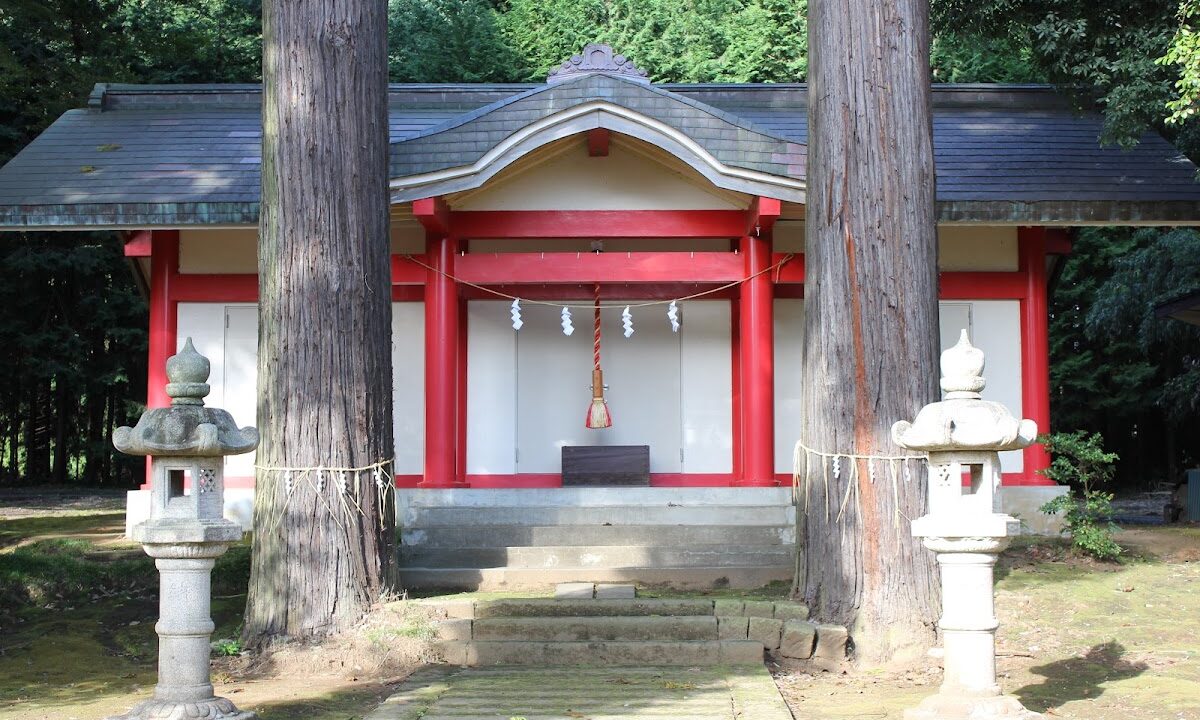
In 1972 (Showa 47), Omiya Shirahata Shrine underwent extensive reconstruction. The main hall and worship hall were remodeled into concrete irimoya-zukuri style buildings, and the relocation ceremony was held in August of the following year, 1973 (Showa 48).
This reconstruction gave the shrine buildings modern durability, while maintaining the traditional irimoya-zukuri style, thus achieving a balance between the beauty and functionality of shrine architecture.
About the Enshrined Deity
Omiyahime-no-Mikoto
The principal deity of Omiya Shirahata Shrine is Omiyahime-no-Mikoto. This deity is revered as the guardian deity of the region and is particularly believed to bestow blessings for family safety, abundant harvests, and business prosperity.
Omiyahime-no-Mikoto has been worshipped since ancient times as a deity closely connected to the lives of the local people. In times of prosperity, people prayed for bountiful harvests, and in modern times, worshippers visit to pray for the health of their families and the safety of their community.
Deities of the Subsidiary Shrines
According to the shrine’s detailed records, there are records of the enshrinement of Hoso-jin (Smallpox God) and Atago Daigongen within the shrine grounds. Hoso-jin played a role in protecting the safety of the local residents’ lives, as a god of protection against epidemics, and Atago Daigongen as a god of fire prevention.
Highlights of the Shrine Grounds
Sacred Cedar Trees
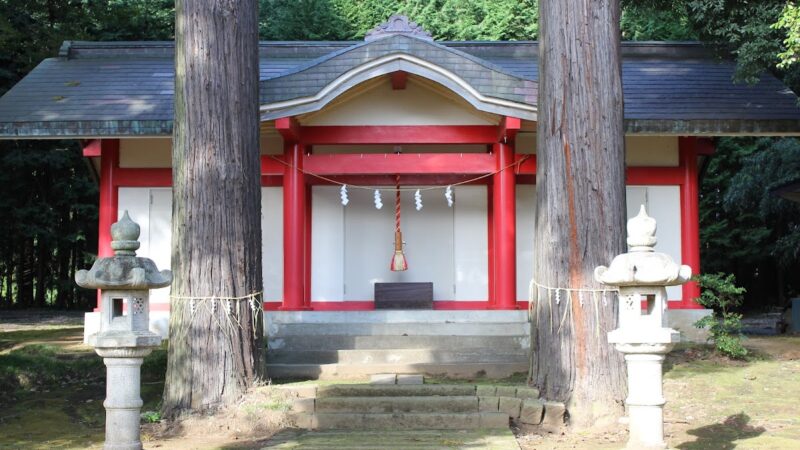
The most impressive feature of the grounds of Omiya Shirahata Shrine is the grove of sacred cedar trees towering in front of the main hall. These cedars are estimated to be over 300 years old, serving as living witnesses to the shrine’s long history.
This 300-year age dates back to the early to mid-Edo period. These sacred trees have grown alongside the shrine’s history, watching over countless worshippers. Visiting the grounds, one can feel the sacred atmosphere emanating from these ancient trees.
Main Hall and Worship Hall
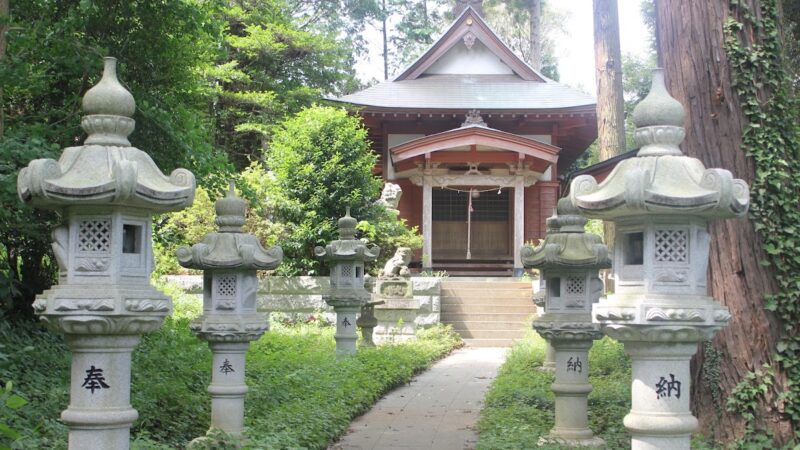
The main hall and worship hall, rebuilt in 1972, are constructed of concrete but employ the traditional hip-and-gable roof style, combining modern durability with traditional beauty.
The worship hall is where worshippers offer their prayers, and the main hall sits behind it. The main hall enshrines the deity, Omiyahime-no-Mikoto, and is enveloped in a solemn atmosphere.
Torii Gate and Approach
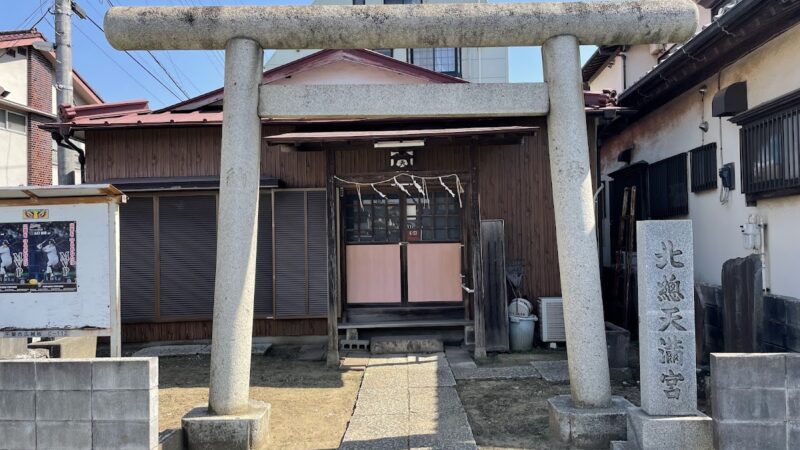
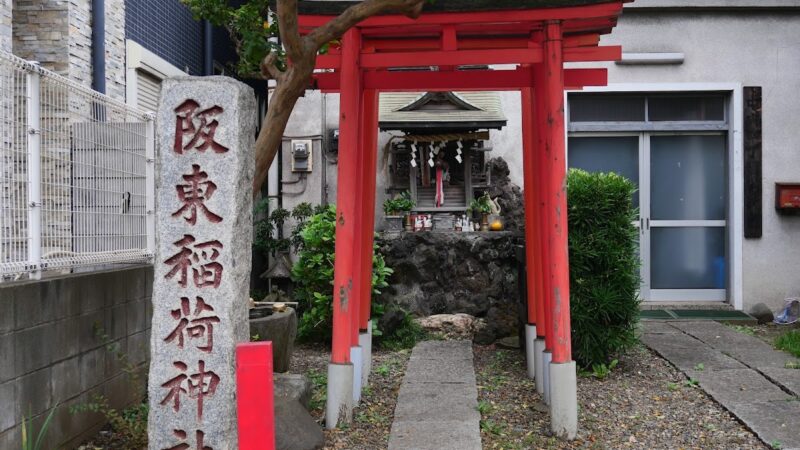
A torii gate stands at the entrance to the shrine, and a path leads from there to the main hall. Walking along the path, you can experience the feeling of stepping away from the hustle and bustle of everyday life and entering a sacred area.
Stone Monuments and Memorials
Within the shrine grounds, there are various stone monuments and memorials from different eras, including a monument to Atago Daigongen, the god of smallpox, erected in 1793 (Kansei 5). These are valuable historical materials that convey the history of the shrine and are important resources for local history research.
Access Information
Access by Train
To access Omiya Shirahata Shrine by public transport, using the Chiba Urban Monorail is convenient. From the nearest station, it is a short walk.
Using the Chiba Urban Monorail:
- Approximately 15 minutes on foot from the nearest station
- The route from the station to the shrine is a quiet one through a residential area.
Access by Car
If visiting by private car, as the shrine is located in a residential area of Wakaba Ward, Chiba City, it is recommended to enter the shrine’s name or address into your car navigation system.
Parking: There is parking space for visitors on the shrine grounds (spaces are limited, so caution is advised during long holidays and festival days).
Landmarks in the Surrounding Area
Located in a residential area of Wakaba Ward, Chiba City, it is a familiar place for local residents, but first-time visitors are advised to check a map beforehand.
Annual Events and Festivals
Autumn Grand Festival
Omiya Shirahata Shrine holds its annual grand festival in the autumn. The grand festival is the most important festival for the shrine, where local residents gather to express gratitude for the past year and pray for peace in the coming year.
During the annual festival, solemn Shinto rituals are performed, praying for the safety and prosperity of the community. It is also a valuable opportunity for local people to gather and deepen community bonds.
New Year’s Visit
During the New Year’s visit period, local residents and their families visit the shrine. The shrine is bustling with worshippers praying for good health and safety for the year.
Other Annual Events
Shrines also hold seasonal Shinto rituals such as the Setsubun Festival and the Summer Purification Ceremony. These events are valuable opportunities to experience traditional Japanese beliefs and the changing seasons.
Manners and Etiquette for Visiting a Shrine
Basic Etiquette for Visiting a Shrine
When visiting a shrine, please observe the following basic etiquette.
- Bow before passing through the torii gate: As a sign of respect before entering the sacred area, bow before the torii gate.
- Walking along the approach: The center of the approach is considered the path of the gods, so it is proper etiquette to walk along the sides.
- Purify yourself at the water basin: Before praying, purify your hands and mouth at the water basin.
- Praying at the main hall: Pray using the two bows, two claps, and one bow ritual.
About Goshuin (Shrine Seals)
It is recommended to check in advance regarding the issuance of Goshuin at Omiya Shirahata Shrine. Smaller shrines may not always offer them, so those wishing to receive a Goshuin should inquire before visiting.
Shrine Culture in Wakaba Ward, Chiba City
Relationship with Local Shrines
In addition to Omiya Shirahata Shrine, Wakaba Ward in Chiba City is home to several other historical shrines, including Omiya Shrine. Each of these shrines plays an important role in conveying the history and culture of the region.
In particular, Omiya Shrine has a history that suggests it was established in 1130 as Omiya Gongen by Sakao Goroji, a retainer of Chiba Tsuneshige, who enshrined Myoken there. It holds an important position in Chiba City’s shrine culture.
About Shirahata Shrines in Chiba Prefecture
There are several Shirahata Shrines in Chiba Prefecture. The Shirahata Shrine in Chuo Ward, Chiba City, is known for the legend that Minamoto no Yoritomo dedicated a white flag there. Shirahata Shrines also exist in Funabashi City and Inage Ward.
The name “Shirahata” in Omiya Shirahata Shrine is thought to be connected to this lineage of Shirahata worship in Chiba Prefecture, but further research is needed to determine its specific origin.
The Role of Omiya Shirahata Shrine in the Community
As a Center of Faith
Since its founding, Omiya Shirahata Shrine has functioned as a center of faith for the local residents. As noted in the shrine’s detailed records, “The faith of its worshippers is deep,” indicating the profound reverence and affection the local community has for the shrine.
In the past, it served as a place for praying for bountiful harvests, and today, it accommodates a variety of prayers, including those for family safety, traffic safety, and academic success, adapting to the changing times.
Community Hub
Shrines are not merely religious institutions; they also play a vital role as hubs for local communities. Through annual festivals and events, they serve as places where residents gather and interact, strengthening community bonds.
Inheritance of History and Tradition
With its sacred tree over 300 years old and stone monuments dating back to the Edo period, Omiya Shirahata Shrine is a valuable presence that conveys the history and traditions of the region. The shrine plays a crucial role in passing on the region’s history to future generations.
Nearby Attractions
Historical Spots in Wakaba Ward, Chiba City
When visiting Omiya Shirahata Shrine, we recommend also exploring the nearby historical spots. Wakaba Ward is dotted with ancient temples, shrines, and historical sites, allowing you to experience the region’s history.
Natural Environment
Wakaba Ward in Chiba City is a relatively green area within Chiba City. Even though the area around the shrine is residential, it maintains a calm atmosphere, providing a peaceful environment for worship away from the hustle and bustle of the city.
Precautions When Visiting
Visiting Hours
Shrines are generally recommended to be visited during the daytime. Visiting early in the morning or after sunset is discouraged out of consideration for local residents.
Photography
Photography is generally permitted on the shrine grounds, but photography inside the main hall or during religious ceremonies should be avoided. Also, remember to be considerate of other worshippers.
Maintaining Silence
Shrines are sacred places. Please refrain from loud conversations and noisy behavior, and worship quietly.
A Summary of the Charms of Omiya Shirahata Shrine
Omiya Shirahata Shrine is a historic shrine located in Wakaba Ward, Chiba City, Chiba Prefecture. While the exact founding date is unknown, records from the Edo period remain, and in 1912 (Meiji 45), two shrines were merged to form the current shrine.
Within the shrine grounds stand a sacred cedar tree over 300 years old, and the main hall and worship hall, rebuilt during the Showa era, stand majestically. It enjoys deep faith from local residents and plays a central role in the community.
If you have the opportunity to visit Wakaba Ward in Chiba City, be sure to visit Omiya Shirahata Shrine and experience the tranquil atmosphere nurtured by its long history and the profound faith of the local people. The time spent in quiet prayer, away from the hustle and bustle of daily life, in the shrine grounds watched over by the sacred cedar grove, will surely be a memorable experience.
Related Information and Links
For more detailed information about Omiya Shirahata Shrine, please refer to the Chiba City Cultural Properties Information website and the Chiba Prefectural Shrine Association website. Also, before visiting, checking the dates of the annual festival and any special events will ensure a more fulfilling visit.
For those planning a shrine tour in Chiba Prefecture, visiting related shrines such as Shirahata Shrine and Omiya Shrine in Chiba City’s Chuo Ward will allow you to gain a deeper understanding of Chiba’s shrine culture.
Omiya Shirahata Shrine is steeped in local history and faith. Within its tranquil atmosphere lies the prayers and wishes of people passed down through centuries.