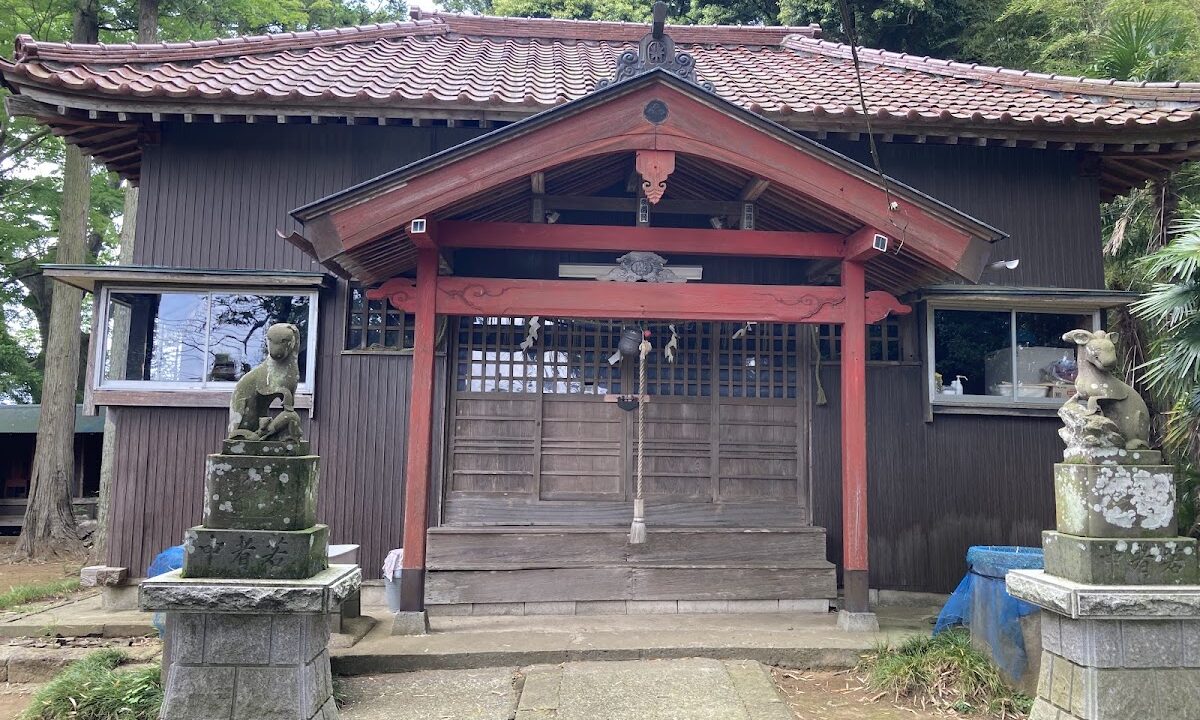
Kanoto Shrine (Midori Ward, Chiba City, Chiba Prefecture) Complete Guide | History, Deities, Access, and Highlights Explained in Detail
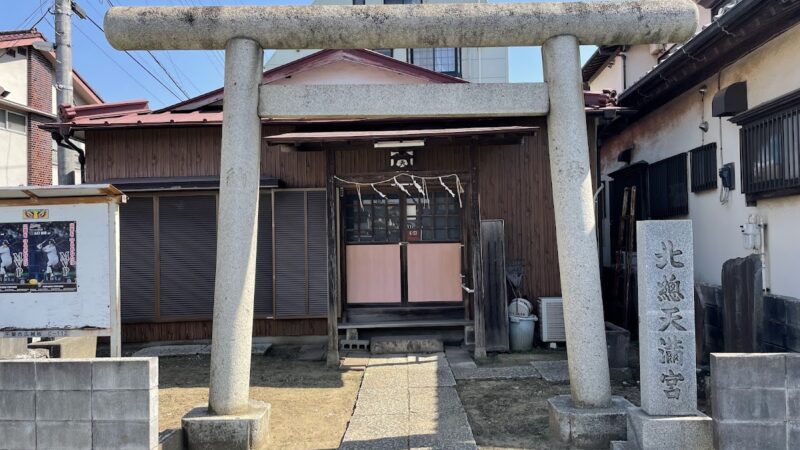
Kanoto Shrine, located in Shimo-Owada-cho, Midori Ward, Chiba City, is a historic shrine dedicated to Takemikazuchi-no-Mikoto. The stone torii gate, visible on a right-hand curve when heading north on Prefectural Road 131 from Toke Station, is striking and makes the shrine an important center of local faith. This article provides a detailed explanation of Kanoto Shrine’s history, deities, highlights within the grounds, and access methods—all essential information before your visit.
Basic Information about Shikadono Shrine
Location and Access
Location
864 Shimo-Owada-cho, Midori-ku, Chiba City, Chiba Prefecture 267-0052
Nearest Station
Approximately 20 minutes on foot or 5 minutes by car from Toke Station on the JR Sotobo Line
Parking
Parking is available for visitors on the shrine grounds (limited number of spaces)
Transportation Access
From Toke Station, head north on Prefectural Road 131. You will see a stone torii gate halfway around a right curve. If using public transportation, it is convenient to take a bus or taxi from Toke Station.
Shrine Rank and Former Rank
Shikadono Shrine is a shrine that was formerly a village shrine and has a long history as a center of faith in the region. While there are several former village shrines in Midori-ku, Chiba City, including Kumano Shrine, Hachiman Shrine, and Shinmei Shrine, Shikadono Shrine is known for its unique name and history.
History and Origins of Shikadono Shrine
History of Founding
While there are no clear records of the founding date of Shikadono Shrine, it is believed to have a history of several hundred years, as a shrine that preserves the ancient forms of local faith. The Shimo-Owada area has long been a thriving agricultural region, and the shrine has attracted the faith of residents as a place to pray for abundant harvests and the peace and security of the community.
Origin of the Shrine’s Name
The unusual name “Shikadono” (鹿殿) is deeply connected to the enshrined deity, Takemikazuchi-no-Mikoto. Takemikazuchi-no-Mikoto is the principal deity of Kashima Jingu Shrine and is also worshipped at Kasuga Taisha Shrine. In these shrines, deer are considered messengers of the gods, and the name Shikadono Shrine is thought to have originated from a belief that particularly values and sanctifies deer.
Connection to the Community
As the tutelary shrine of Shimo-Owada-cho, Midori-ku, Chiba City, Shikadono Shrine has been closely involved in the lives of local residents, and various festivals and religious ceremonies are held throughout the year. During local traditional events and festivals, the shrine is bustling with many worshippers and plays a central role in the community.
Deity and Divine Virtues
Takemikazuchi-no-Mikoto
The deity enshrined at Shikadono Shrine is Takemikazuchi-no-Mikoto. Takemikazuchi-no-Mikoto is a warrior god who plays an important role in Japanese mythology and is believed to possess the following divine virtues:
Main Divine Virtues
- Long-lasting military fortune and victory
- Protection from evil and disaster
- National peace and security
- Good fortune and prosperity
- Traffic safety
- Family safety
Connection to Kashima Faith
Takemikazuchi-no-Mikoto is widely known as the principal deity of Kashima Jingu Shrine in Ibaraki Prefecture, and many Kashima shrines and shrines related to Kashima faith exist mainly in the Kanto region. While there are several Kashima shrines in Chiba Prefecture, shrines with the name “Shikadono” are rare, suggesting a unique form of worship.
At Kashima Shrine, deer are considered divine messengers, and many deer are kept within the sacred grounds. Similarly, at Kasuga Taisha Shrine, deer are cherished as sacred animals, and it is believed that Shikadono Shrine inherits this tradition.
Highlights of the Shrine Grounds
Stone Torii Gate
The stone torii gate visible from Prefectural Road 131 is a symbolic presence at Shikadono Shrine. Its location on a right-hand curve makes it memorable for many who drive by. Passing through this gate and entering the shrine grounds, one is enveloped in a serene atmosphere.
Worship Hall and Main Shrine
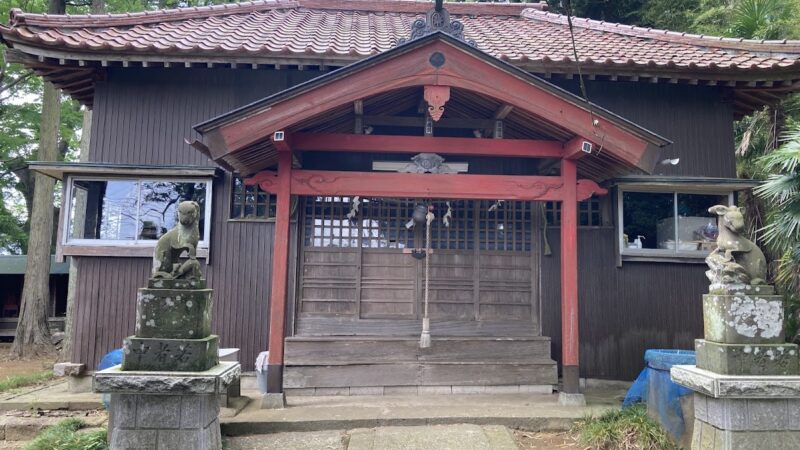
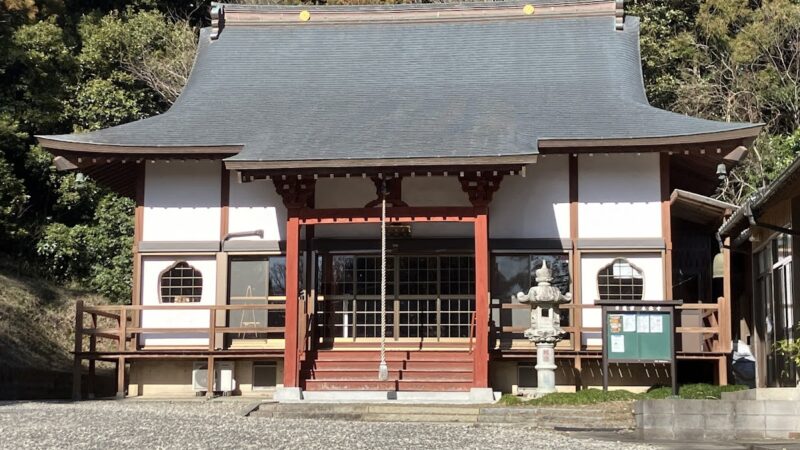
The worship hall and main shrine are located in the center of the grounds and are carefully maintained as the heart of local faith. The wooden architecture, while simple, possesses dignity and a presence that evokes a long history.
Subsidiary Shrines and Stone Monuments
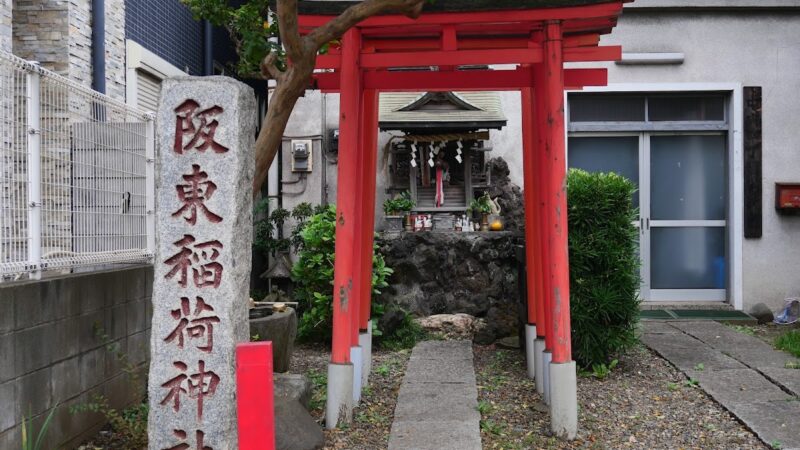
Subsidiary shrines and stone monuments are placed around the main shrine, telling the story of the region’s history and deep faith. Some of these stone monuments bear the names and dates of their donors, demonstrating how much the local residents cherished the shrine.
Natural Environment
The grounds of Shikadono Shrine are surrounded by abundant nature, allowing visitors to enjoy the scenery of each season. Especially during the fresh greenery of spring and the vibrant autumn foliage, it offers a precious space where one can simultaneously appreciate the tranquility of worship and the beauty of nature.
Annual Events and Festivals
Grand Festival
Shikadono Shrine holds its annual grand festival once a year. This festival brings together local residents, featuring a procession of the portable shrine and various offerings, serving as an important opportunity to strengthen community bonds.
New Year’s Visit
Many worshippers visit the shrine for their first shrine visit of the new year. As the local guardian deity, it is bustling with people praying for a safe year and the well-being of their families.
Other Annual Events
- Spring Festival
- Autumn Festival
- Monthly Festival
These events play an important role in preserving local traditions and passing them on to future generations.
Shrine Culture in Midori Ward, Chiba City
Major Shrines in Midori Ward
Besides Shikadono Shrine, many other shrines are scattered throughout Midori Ward, Chiba City.
Major Shrines
- Kumano Shrine (357 Takatsudo-cho) – Former Village Shrine
- Kumano Shrine (142 Oyama-cho) – Former Village Shrine
- Ontake Shrine (691 Takada-cho)
- Amaterasu Shrine (5-19 Asumigaoka Higashi) – Former Village Shrine
- Hachiman Shrine (551 Okido-cho)
- Shinmei Shrine (187 Koganezawa-cho)
- Sansha Shrine
- Shiina Shrine (Tomioka-cho)
- Hirayama Shrine
- Kotohira Shrine
- Tenman Shrine
- Goryo Shrine
- Hie Shrine
- Shirahata Shrine
- Rokutsu Shrine (Nakanishi-cho)
Each of these shrines possesses its own local history and characteristics, forming a rich religious culture in Midori Ward, Chiba City.
Regional Characteristics and Shrine Worship
Midori Ward in Chiba City is comprised of many towns, including Toke-cho, Honda-cho, Furushiba-cho, Moro-cho, and Nakanishi-cho. Each area has its own tutelary deity enshrined there, and these towns have historically functioned as centers of community. In this region, which has a history of thriving agriculture, prayers for bountiful harvests and rain were highly valued, and shrines were indispensable places of worship.
Etiquette and Manners for Visiting a Shrine
Basic Etiquette for Visiting a Shrine
- Bow Before Passing Through the Torii Gate
Bow before entering the sacred area, standing before the torii gate.
- Walking Along the Approach
The center of the approach is considered the path of the gods, so it is preferable to walk along the sides.
- Purify at the Water Basin
If there is a water basin, purify your left hand, then your right hand, and then your mouth.
- Worship at the Main Hall
The basic procedure is two bows, two claps, and one bow.
- Bow deeply twice
- Clap your hands twice
- Pray sincerely
- Finally, bow deeply once more
- When Leaving
After leaving the torii gate, turn around and bow once.
Attire for Worship
Unless it is a special festival or formal worship, everyday clothing is acceptable, but please dress neatly and cleanly.
Photography
Photography is generally permitted on the shrine grounds, but please refrain from taking pictures inside the main hall or in sacred areas. Also, please be considerate of other worshippers.
Nearby Attractions and Tourist Spots
Charms of the Toke Area
The Midori Ward of Chiba City, where Shikadono Shrine is located, is an area rich in nature and dotted with historical sites.
Nearby Tourist Attractions
- Showa no Mori: Chiba City’s largest comprehensive park, where you can enjoy nature in all four seasons.
- Toke Castle Ruins: The ruins of a medieval castle, a popular spot for history buffs.
- Asumigaoka Area: A planned residential area, attractive for its well-maintained environment.
Temple Visits
Chiba City’s Midori Ward has many historical temples in addition to shrines.
- Zenshoji Temple (215 Toke-cho)
- Senzoji Temple (559 Ariyoshi, Oyumino)
Visiting these temples together will allow you to gain a deeper understanding of the local religious culture.
How to Enjoy Visiting Shikadono Shrine
Seasonal Scenery
Spring
In the season of fresh greenery, the trees in the shrine grounds bud, and the air is refreshing.
Summer
The lush green grounds are cool and suitable for quiet worship.
Autumn
The autumn leaves are beautiful, and you can worship in a calm atmosphere.
Winter
In the crisp air, the shrine is bustling with people coming to offer prayers for the New Year.
About Goshuin (Shrine Seals)
It is recommended to check in advance regarding the issuance of Goshuin at Shikadono Shrine. Smaller shrines may not have a resident priest, so it’s best to inquire before visiting.
Learning about Local History
When visiting Shikadono Shrine, learning about the surrounding history and the origins of the region will lead to a deeper understanding and appreciation. Reading local historical materials and records of the area in advance will make your visit more meaningful.
Shrines Related to Kashima Faith in Chiba Prefecture
Several shrines in Chiba Prefecture enshrine Takemikazuchi-no-Mikoto, similar to Shikadono Shrine.
Kashima Shrine (Tonohiraga, Matsudo City)
Kashima Shrine, located at 183 Tonohiraga, Matsudo City, is conveniently located about a 1-minute walk from the north exit of Kita-Kogane Station. This shrine is characterized by its unique architecture, lacking a separate offering hall (Heiden) and having separate worship halls (Haiden) and main sanctuary (Honden).
Kashima Shrine (Tonodai, Sanmu City)
Kashima Shrine, located at 436 Tonodai, Sanmu City, is another shrine that attracts local devotion.
By comparing these shrines with Shikadono Shrine, we can understand the spread and regional characteristics of Kashima worship within Chiba Prefecture.
Visitor Voices and Experiences
The Charm of a Quiet Atmosphere
“Despite being located along a prefectural road, entering the shrine grounds envelops you in a quiet and peaceful atmosphere. It’s the perfect place to escape the hustle and bustle of everyday life and find peace of mind.”
A Shrine Rooted in the Community
“This shrine has been cherished for many years as the local guardian deity. During festivals, local people gather, and the sight of them continuing to uphold tradition was impressive.”
A Landmark: Stone Torii Gate
“I noticed the stone torii gate while driving by and decided to pay my respects. It’s a shrine with an unusual name, and I found it interesting to learn that it enshrines Takemikazuchi-no-Mikoto.”
Detailed Access Information to Shikadono Shrine
Using Public Transportation
From Toke Station on the JR Sotobo Line
- Walking: Approximately 20 minutes (approximately 1.5 km)
- Taxi: Approximately 5 minutes
- Bus: A few minutes’ walk from the nearest bus stop (varies depending on the route)
If traveling by car:
From Tokyo
- Take the Keiyo Expressway and transfer to the Chiba-Togane Expressway at Chiba-Higashi JCT.
- Exit at Omiya IC and head south on Prefectural Road 131.
- Follow the signs for Shimo-Owada-cho; the stone torii gate near the right curve is a landmark.
Car Navigation Settings
Address: 864 Shimo-Owada-cho, Midori-ku, Chiba City, Chiba Prefecture
Or search by phone number (please confirm in advance).
Parking Information
There is parking space for visitors on the shrine grounds, but the number of spaces is limited, so congestion is expected during festivals and other events. Please consider using public transportation.
Summary: The Charm of Shikadono Shrine
Shikadono Shrine, located in Shimo-Owada-cho, Midori-ku, Chiba City, is a historic shrine that enshrines Takemikazuchi-no-Mikoto as its main deity. The unusual name “Shikadono” originates from the Kashima faith, and the belief system that emphasizes deer, the messengers of the gods, is still passed down today.
The stone torii gate along Prefectural Road 131 is striking, and the shrine grounds are enveloped in a tranquil atmosphere. Historically, it has served as a central hub of local faith as a former village shrine, and various festivals and religious ceremonies are held throughout the year.
While many shrines, such as Kumano Shrine, Hachiman Shrine, and Shinmei Shrine, are scattered throughout Midori Ward in Chiba City, Shikadono Shrine is a valuable entity with its own unique history and name. It is easily accessible from Toke Station, and nearby tourist attractions such as Showa no Mori and Toke Castle Ruins allow visitors to enjoy the local history and nature in conjunction with their visit to the shrine.
If you are seeking divine blessings for military success, protection from evil, and good fortune, or simply want to find peace in a serene environment, please visit Shikadono Shrine. As a warm and welcoming place of worship deeply rooted in the community, it will gently greet all who visit.