Kumemori Inari Shrine (Taito Ward, Tokyo) Complete Guide | Deities, Access, and Goshuin Information
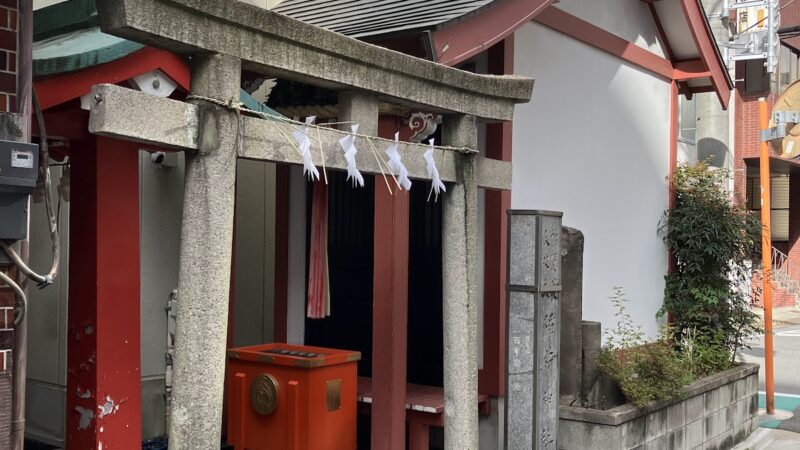
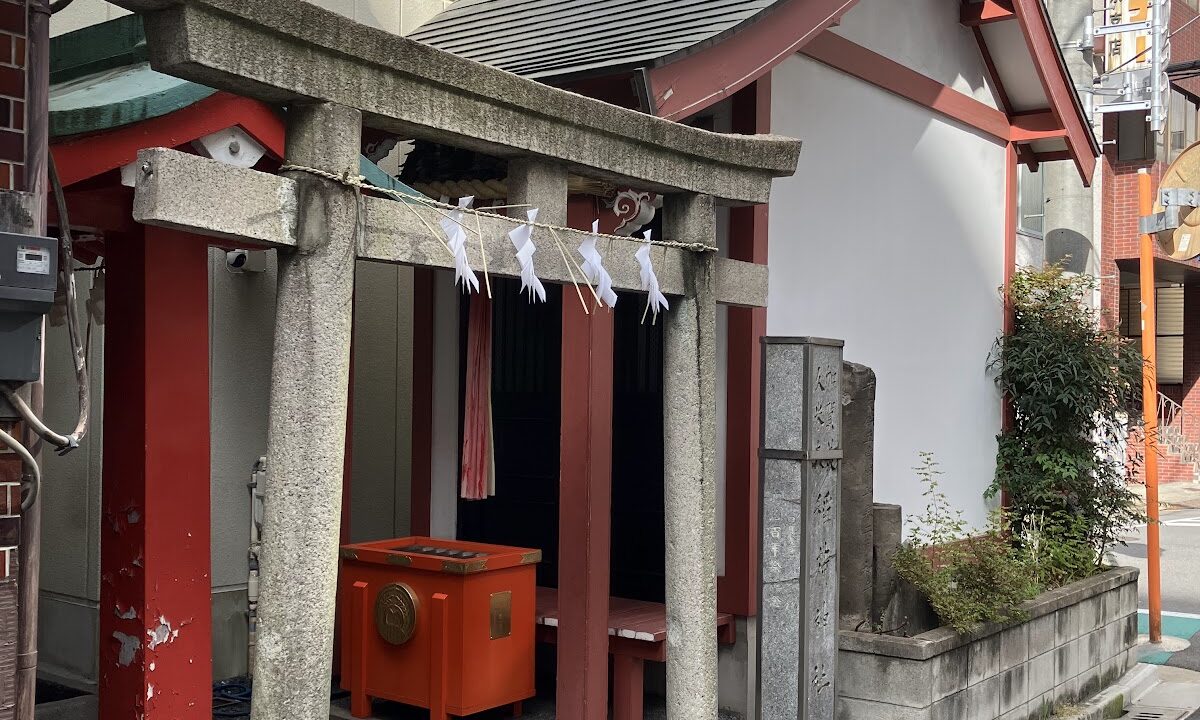
Kumemori Inari Shrine, nestled quietly in the heart of Asakusabashi, Taito Ward, Tokyo, is a long-established Inari shrine cherished by the local community. Its vermilion torii gate, suddenly appearing amidst the urban landscape of buildings and houses, offers visitors a strange sense of peace.
This article provides a comprehensive guide to Kumemori Inari Shrine, covering its history, enshrined deities, worship methods, access information, goshuin (shrine stamps), and highlights within the grounds.
Basic Information about Kumemori Inari Shrine
Location: 3-16-8 Asakusabashi, Taito-ku, Tokyo 111-0053
Phone Number: 03-3866-7369
Deity Enshrined: Ukanomitama-no-kami
Annual Festival Date: April 2nd
Nearest Stations:
- Approximately 4-5 minutes walk from Exit A4 of Asakusabashi Station (JR Sobu Line/Toei Asakusa Line)
- Approximately 6 minutes walk from Kuramae Station (Toei Oedo Line)
- Approximately 2 minutes walk from Kuramae 1-chome bus stop (Toei Bus)
Kumemori Inari Shrine is a small shrine located in a residential area of Asakusabashi 3-chome, Taito-ku, maintaining a tranquil atmosphere despite being in the heart of Tokyo.
About the Deity, Ukanomitama-no-kami
Ukanomitama-no-kami, enshrined at Kumemori Inari Shrine, is a deity widely worshipped throughout Japan as the principal deity of Inari shrines.
Divine Characteristics of Ukanomitama-no-kami
Ukanomitama-no-kami is known as the god of abundant harvests, business prosperity, and industrial development. The name “Ukanomitama” means “spirit of grain,” and the deity has the characteristics of a god of food and agriculture.
In Japanese mythology, Ukanomitama-no-kami is said to have been born as a child of Susanoo-no-Mikoto and has been revered since ancient times as a god who protects agriculture, especially rice cultivation.
Benefits of Business Prosperity and Abundant Harvests
Inari shrines have attracted the faith of merchants and craftsmen since the Edo period and have been cherished as gods of business prosperity. Kumemori Inari Shrine, located near the wholesale district of Asakusabashi, has a history of receiving fervent devotion from local merchants.
Even today, worshippers visit the shrine to pray for business prosperity, success in commerce, family safety, and a bountiful harvest.
History and Origins of Kumemori Inari Shrine
While there are no clear records of the exact founding date of Kumemori Inari Shrine, it has been revered as the guardian shrine of the area since the Edo period.
Relationship to Place Name
There are various theories about the origin of the name “Kumemori,” but it suggests the possibility that a family or person with the surname “Kume” was involved in this area, or, as “Mori” (forest) indicates, that there was once a guardian forest in this area.
Historical Background of the Asakusabashi Area
During the Edo period, the area around Asakusabashi developed as a key point for water transport, situated between the Kanda River and the Sumida River. It was a thriving area with many wholesalers and merchant houses, and also a town of artisans. Kumemori Inari Shrine has played a central role in the local community as the guardian deity of merchants and industrialists. Even after the modernization of the Meiji era and the urban development following the war, it continues to attract the faith of the local people.
Highlights of the Shrine Grounds
Kumemori Inari Shrine is a small shrine situated on a limited plot of land in the heart of the city, but it offers visitors a deeply memorable experience.
Vermilion Torii Gate
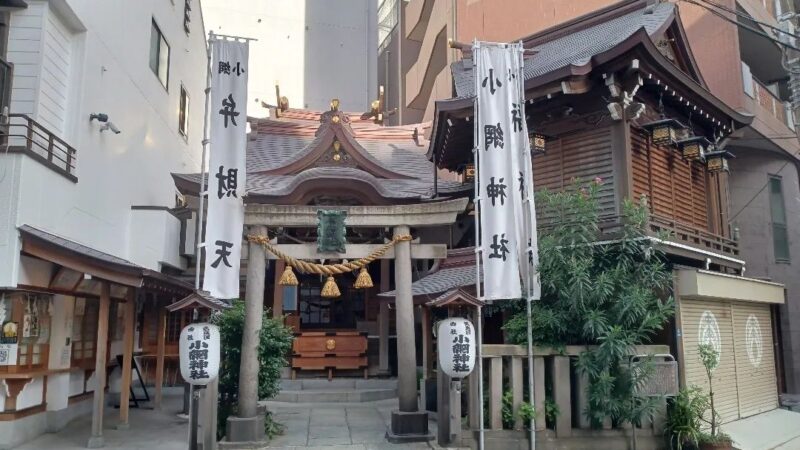
The torii gate, marking the entrance to the shrine, is painted in vermilion, the symbol of Inari shrines. Appearing suddenly amidst the city’s buildings and houses, this gate leaves a special impression on visitors as an entrance to a sacred space away from the hustle and bustle of the city.
Many worshippers are impressed by how this torii gate blends surprisingly well into the surrounding urban landscape.
Main Hall and Worship Hall
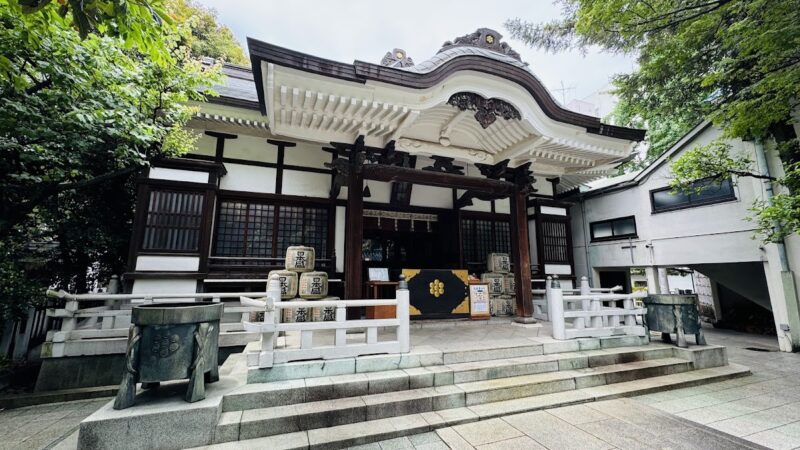
At the center of the shrine grounds is the main hall, dedicated to Ukanomitama-no-kami. Although a small shrine, it is meticulously maintained, reflecting the deep faith of the local people.
Fox Statues (Divine Messengers)
A characteristic feature of Inari shrines is the presence of fox statues, which are considered messengers of the gods. Kumemori Inari Shrine also has fox statues, quietly watching over visitors.
In Inari shrines, foxes are not considered the gods themselves, but rather messengers of the gods.
Atmosphere of the Shrine Grounds
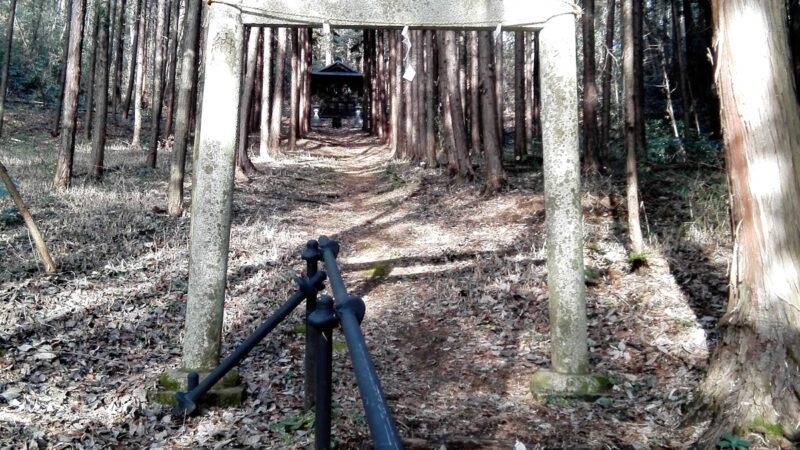
Despite its location in a residential area in the city center, a tranquil atmosphere permeates the shrine grounds. Though small, the well-maintained grounds provide a space that offers peace of mind to visitors.
How to Worship and Manners
Here’s a basic guide to how to worship at Kumemori Inari Shrine.
Basic Worship Procedure
- Bow Before Passing Through the Torii Gate
The torii gate is the entrance to the sacred area. Bow slightly before passing through.
- Proceed Along the Path
The center of the path is considered the path of the gods, so it is polite to walk along the sides.
- Purify yourself at the water basin
If there is a water basin, purify your hands and mouth before praying.
- Praying in front of the main hall
- Quietly place your offering in the offering box.
- Ring the bell if there is one.
- Two bows, two claps, one bow (two bows, two claps, one bow)
- Pray with sincerity.
- Bow upon leaving
When leaving the shrine grounds, turn around and bow after passing through the torii gate.
Attire for visiting
There are no specific dress code requirements, but it is desirable to wear clean and subdued clothing, reflecting the awareness of visiting a deity.
Photography
Photography is generally permitted on the shrine grounds, but please be considerate of other worshippers and refrain from taking photos in areas where photography is restricted, such as inside the main hall.
Goshuin (Shrine Seal) Information
It is recommended to check in advance regarding the issuance of Goshuin at Kumemori Inari Shrine.
What is a Goshuin (Shrine/Temple Seal)?
A Goshuin is a seal or calligraphy given as proof of visiting a shrine or temple. It’s not simply a stamp rally; it’s a cherished memento of your visit.
Issuance Hours and Methods
As this is a small shrine, the shrine office may not be open all the time. If you wish to receive a Goshuin, it is recommended to check in advance by phone (03-3866-7369).
About Goshuincho (Shrine Seal Books)
It is common to bring your own Goshuincho. First-time visitors can purchase a Goshuincho at Kumemori Inari Shrine or other shrines.
Access Methods
There are several ways to access Kumemori Inari Shrine.
Access by Train
From Asakusabashi Station (JR Sobu Line/Toei Asakusa Line)
- Approximately 4-5 minutes on foot from Exit A4
- This is the most convenient access method.
- Head towards the Kanda River from the station and aim for Asakusabashi 3-chome.
From Kuramae Station (Toei Oedo Line)
- Approximately 6 minutes on foot
- Exit A7 is the closest.
Access by Bus
From Kuramae 1-chome Bus Stop (Toei Bus)
- Approximately 2 minutes on foot
- This is the closest bus stop if using the Toei Bus.
Access by Car
There is no dedicated parking lot, so you will need to use a nearby coin-operated parking lot. Since it is in the city center, we recommend using public transportation.
Landmarks in the Area
Located in a residential area of Asakusabashi 3-chome, slightly off the main road. A torii gate serves as a landmark, but first-time visitors should use a map app.
Nearby Attractions and Tourist Spots
Here are some nearby spots you might want to visit in conjunction with your visit to Kumemori Inari Shrine.
Torigoe Shrine
A historic shrine located in Torigoe, Taito Ward, famous for its Torigoe Festival held every June, featuring one of Tokyo’s largest portable shrines weighing a thousand kan (approximately 1,000 kg). It’s within walking distance of Kumemori Inari Shrine.
Asakusabashi Wholesale District
An area where wholesalers of dolls, toys, accessories, and packaging materials are concentrated, offering shopping opportunities for the general public. A commercial district with a unique atmosphere.
Kuramae Area
A noteworthy area that has seen an increase in stylish cafes and general stores in recent years. Enjoy a stroll through a town where tradition and modernity coexist.
Along the Sumida River
Near the confluence of the Kanda River and Sumida River, you can enjoy a stroll along the waterfront.
Prayers and Faith at Kumemori Inari Shrine
Kumemori Inari Shrine is visited by worshippers for various prayers.
Business Prosperity
Business prosperity is a representative blessing of Inari shrines. Due to its proximity to the wholesale district of Asakusabashi, many business owners visit the shrine.
Abundant Harvest
A bountiful harvest is the original divine virtue of Ukanomitama-no-kami. In modern times, it is also worshipped for the purpose of wishing for stability and prosperity in life.
Family Safety
As the guardian shrine of the community, many visitors pray for the health and safety of their families.
Good Fortune and Prosperity
Some people visit the shrine to pray for good fortune when facing turning points in their lives or starting new ventures.
Annual Festival and Events
Annual Festival (April 2nd)
The most important festival of Kumemori Inari Shrine is the annual festival held on April 2nd each year. Local parishioners and devotees gather to offer gratitude and prayers to the gods.
First Shrine Visit of the Year
At the start of the new year, local people visit the shrine for their first shrine visit of the year. Despite its small size, you can feel the deep-rooted faith of the local community.
Other Events
For information on annual events such as Setsubun (bean-throwing festival) and Natsukoshi no Harae (summer purification ritual), please contact the shrine directly.
The Charm of Kumemori Inari Shrine
An Oasis in the City
The greatest charm of Kumemori Inari Shrine is that, despite being in the midst of the hustle and bustle of the city, it maintains a tranquil atmosphere. Although surrounded by buildings and houses, stepping through the torii gate feels like entering another world.
A Faith Rooted in the Community
Unlike large-scale tourist shrines, it functions as a place of daily worship for local people. You can see the true essence of a shrine in the sight of local people praying there every day.
A Torii Gate Blending into the City
Many visitors say that what leaves a lasting impression is the sight of the torii gate, which suddenly appears in the middle of the city, blending surprisingly well into the surrounding landscape. This unique landscape is something you can only find in Tokyo, where urban life and faith coexist.
Points to Note When Visiting
Visiting Hours
The shrine grounds are generally open, but please refrain from visiting at night. Visiting during daylight hours is recommended.
Consideration for the Residential Area
Since the surrounding area is a residential neighborhood, please be mindful of loud conversations and noise.
Shrine Office Hours
If you wish to receive a Goshuin (shrine stamp) or prayer, it is recommended to call in advance to confirm. They may not be open at all times.
Parking
There is no dedicated parking lot, so if you are visiting by car, please use nearby coin-operated parking lots and absolutely avoid street parking.
Summary: The Value of Kumemori Inari Shrine
Although small in scale, Kumemori Inari Shrine is a shrine with a deep history and faith rooted in the Asakusabashi area of Taito Ward, Tokyo.
Kumemori Inari Shrine, dedicated to Ukanomitama-no-kami, has continuously welcomed worshippers seeking blessings for business prosperity and abundant harvests. Its quiet presence amidst the city serves as a prime example of the role of shrines in modern Tokyo.
Conveniently located just a few minutes’ walk from Asakusabashi Station, Kumemori Inari Shrine offers a tranquil space far removed from the hustle and bustle. When visiting the Asakusabashi or Kuramae area, be sure to stop by.
Spending time in quiet prayer in this small sanctuary in the city will be a precious experience that allows you to forget the hustle and bustle of everyday life.
Kumemori Inari Shrine has been protected and cherished by the local community. Please experience its simple and warm atmosphere for yourself.