Complete Guide to Kuramae Shrine (Taito Ward, Tokyo) | From History, Goshuin (Shrine Seals), and Mimosa Highlights to Visiting Information
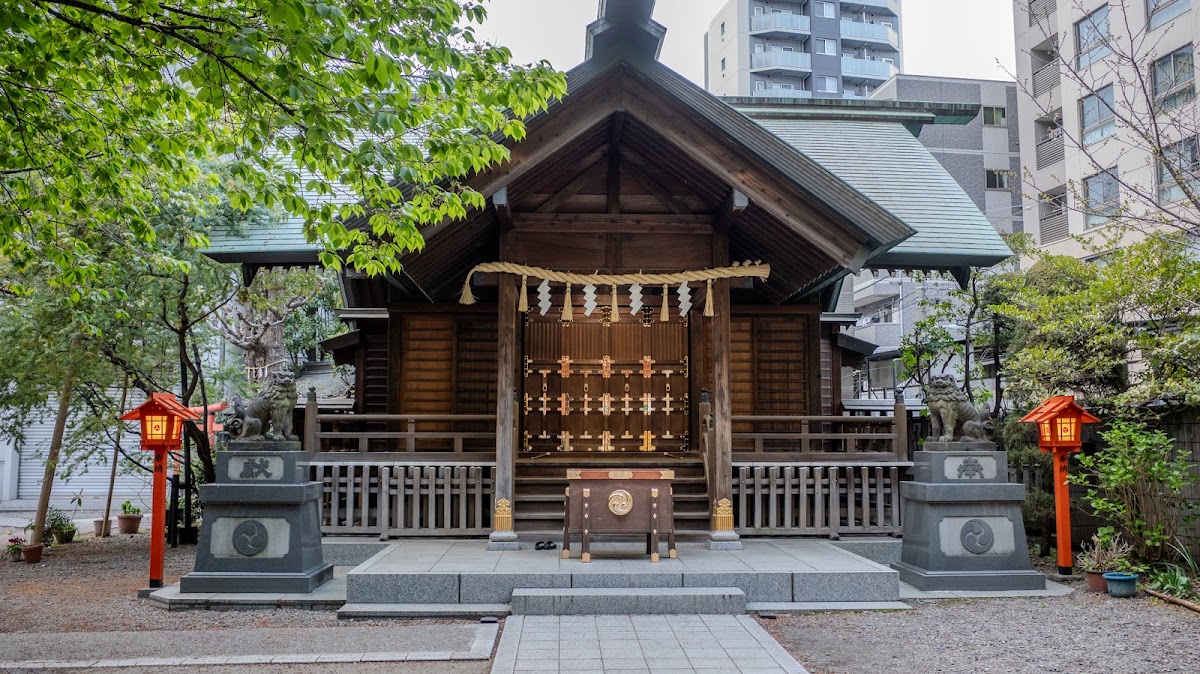
Kuramae Shrine, located in Kuramae, Taito Ward, Tokyo, is a historic shrine founded during the Edo period as a place of prayer for the Tokugawa shogunate. Known as the birthplace of sumo wrestling, and with its grounds adorned with mimosa in spring, it is a beloved old shrine full of downtown charm.
This article provides detailed information useful for visiting Kuramae Shrine, including its history, enshrined deities, highlights, goshuin information, and access methods.
History and Origins of Kuramae Shrine
Founded by Tokugawa Tsunayoshi
The history of Kuramae Shrine begins in August of Genroku 6 (1693). The shrine’s origins lie in the fact that Tokugawa Tsunayoshi, the fifth shogun of the Edo shogunate, invited the deity from Iwashimizu Hachimangu Shrine in Kyoto to serve as a guardian deity protecting Edo Castle from evil influences.
At that time, the shogunate donated 200 koku of land, giving the shrine a prestigious status as a place of prayer for the Tokugawa shogunate. This area came to be known as “Kuramae” (in front of the storehouse) because it was the site of the shogunate’s rice granary (O-komezo), which is also the origin of the shrine’s name.
The Birthplace of Kanjin Sumo
Kuramae Shrine is historically significant as the birthplace of Kanjin Sumo (fundraising sumo wrestling). During the Edo period, Kanjin Sumo was popular in and around the shrine grounds, and many famous matches took place.
Particularly famous is the match in which the legendary Yokozuna Tanikaze, who held an astonishing record of 63 consecutive wins, was defeated by Onogawa. This match caused a great sensation throughout Edo, demonstrating the high level of public interest at the time. Due to this history, Kuramae Shrine is known as a shrine with deep ties to sumo wrestling.
Modern Changes and Name Change
Kuramae Shrine has overcome numerous difficulties in modern times. The shrine buildings were destroyed in the Great Kanto Earthquake of 1923 and the Tokyo air raids of 1945.
After the war, in 1947, the adjacent Inari Shrine and the Kitano Shrine (which shared a shrine) were merged, and in 1951, the shrine was renamed “Kuramae Shrine.” Its former rank was a village shrine, and it is cherished by the local people as the guardian shrine of the Kuramae area.
Deities and Benefits
Main Deity
The main deity of Kuramae Shrine is Hon-da-wake-no-mikoto, who was invited from Iwashimizu Hachimangu Shrine. Homudawake-no-Mikoto is the divine spirit of Emperor Ojin and has been worshipped since ancient times as the god of military fortune and victory.
Deities Enshrined Together
As mentioned above, the deities of the shrines that were merged in 1947 are also enshrined here:
- Ukanomitama-no-Mikoto: The god of abundant harvests and business prosperity, enshrined from Inari Shrine
- Sugawara no Michizane: The god of learning, enshrined from Kitano Shrine
As a result, Kuramae Shrine is a shrine where one can receive a variety of blessings, including military fortune, victory, business prosperity, and academic success.
Benefits
Main benefits you can receive at Kuramae Shrine:
- Good fortune in competitions and prayers for victory: As it is the birthplace of sumo wrestling and enshrines Hachiman, the god of war.
- Business prosperity and success: As it enshrines Inari, the god of rice and rice.
- Academic success and prayers for passing exams: As it enshrines Sugawara no Michizane.
- Protection from evil and protection from misfortune: As it was founded as a guardian deity to ward off evil from the northeast of Edo Castle.
- Family safety and good fortune: As the guardian shrine of the region.
Highlights of Kuramae Shrine
Springtime spectacle: Mimosa and cherry blossoms
One of the biggest highlights of Kuramae Shrine is the mimosa that blooms in spring. From late February to early March, the mimosa trees on the shrine grounds bloom with vibrant yellow flowers, captivating visitors.
Just off the main street leading north along the Sumida River to Asakusa, a sudden appearance of a yellow mimosa tree creates an oasis in the city. In early March, the cherry blossoms also bloom, allowing visitors to enjoy the beautiful collaboration of the mimosa’s yellow and the cherry blossoms’ pink.
During this time, many visitors come to take photographs, making it a popular spot that often appears on social media.
Atmosphere of the Shrine Grounds
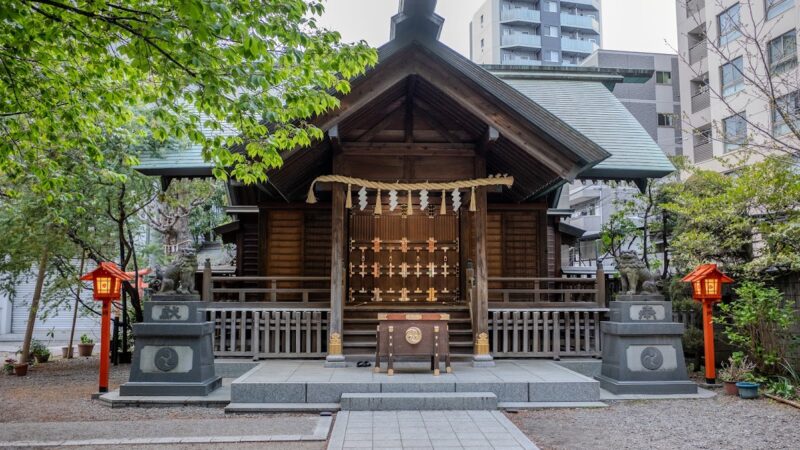
Kuramae Shrine stands quietly amidst a residential area full of old-town charm. While not a large shrine, its small grounds exude a sense of history and tranquility.
Amidst the modern buildings of Kuramae, the shrine’s space feels like a different time, allowing one to forget the hustle and bustle of the city and find peace of mind.
Connection to Sumo
The shrine grounds feature information boards and explanations that convey its history as the birthplace of sumo, allowing visitors to reflect on the sumo culture of the Edo period. For sumo fans, it is a shrine worth visiting as a historical pilgrimage site.
Goshuin (Shrine Seal) Information
About the Issuance of Goshuin
Kuramae Shrine offers goshuin to visitors. The goshuin will have the shrine’s name and date of visit written in ink, and will bear the shrine’s seal.
Goshuin are issued during the hours when the shrine priests are present. However, they may be absent, so if you wish to be sure to receive one, it is recommended to call ahead to confirm.
About Goshuincho (Goshuin Books)
Please check with the shrine office during your visit regarding the availability of original goshuincho. While many shrines now offer original goshuincho designs, smaller shrines may have different policies.
Etiquette for Visiting Shrines
Goshuin are not merely stamps; they are proof of your visit. Always complete your prayers before receiving a goshuin. Also, remember to express your gratitude to the shrine priests and request the goshuin respectfully.
Annual Events and Festivals
Main Festivals
Kuramae Shrine holds various festivals throughout the year. As the guardian shrine of the region, it continues to preserve traditions together with its parishioners and local residents.
- Annual Grand Festival: The most important festival, held every September.
- New Year’s Visit: A visit to the shrine in the new year.
- Setsubun Festival: A bean-throwing ceremony held on Setsubun in February.
- Other Festivals: Regular Shinto rituals such as monthly festivals.
Highlights of the Annual Grand Festival
During the Annual Grand Festival, the portable shrine is carried through the streets of Kuramae. The sight of the local people coming together to liven up the festival is a valuable opportunity to experience the traditional culture of the old downtown area.
Access and Transportation Information
Access from the Nearest Station
Kuramae Shrine is accessible from several train lines.
From Kuramae Station (Toei Asakusa Line/Toei Oedo Line)
- Approximately 4 minutes on foot from Exit A1
- Most convenient access method
From Asakusabashi Station (Toei Asakusa Line)
- Approximately 7 minutes on foot
From Asakusa Station (Tokyo Metro Ginza Line/Tobu Skytree Line/Toei Asakusa Line)
- Approximately 10 minutes on foot
Address and Basic Information
- Address: 3-14-11 Kuramae, Taito-ku, Tokyo
- Phone Number: Please check with the shrine office (Inquiries regarding visiting hours and the issuance of Goshuin stamps are possible)
- Visiting Hours: Grounds are freely accessible (Please check the opening hours of the shrine office)
- Admission Fee: Free
Parking Information
Kuramae Shrine does not have its own parking lot. If you are coming by car, please use a nearby coin-operated parking lot. There are several hourly parking lots around Kuramae Station, but the number of spaces is limited, so we recommend using public transportation.
Nearby Tourist Attractions
The Charm of the Kuramae Area
In recent years, Kuramae has been attracting attention as a “craftsmanship town” with stylish cafes, general stores, and leather goods workshops. We recommend enjoying a stroll around the area in conjunction with a visit to Kuramae Shrine.
Nearby Shrines and Temples
- Torigoe Shrine: A historical shrine within walking distance
- Senso-ji Temple: Approximately 15 minutes on foot, one of Tokyo’s most representative tourist attractions
- Asakusa Shrine: Three shrines adjacent to Senso-ji Temple
Recommended Nearby Spots
- Sumida River Terrace: A riverside promenade perfect for strolling
- Edo-Tokyo Museum: Located in the Ryogoku area, where you can learn about Edo history
- Kuramae Cafes and Shops: A collection of unique shops
Points and Manners for Visiting a Shrine
Etiquette for Visiting a Shrine
Please observe basic etiquette for visiting a shrine:
- Bow before passing through the torii gate
- Purify yourself at the water basin: Purify your left hand, right hand, and mouth in that order, and finally wash the handle of the ladle.
- Walk along the edge of the approach to the shrine: The center is considered the path for the gods.
- Etiquette in front of the main hall: Two bows, two claps, one bow
Regarding photography
Many visitors come to enjoy taking photos during the mimosa season, but please be mindful of the following:
- Be considerate of other visitors.
- Do not take photos in areas where photography is prohibited, such as inside the main hall.
- Remember that this is a sacred place and behave with moderation.
Maintaining a peaceful environment
Kuramae Shrine is located in a residential area, adjacent to the living spaces of local residents. Please refrain from speaking loudly or making noise, and strive to worship quietly.
Summary of Kuramae Shrine’s appeal
Kuramae Shrine is a precious place that stands quietly in the modern city, while possessing a history and tradition that has continued since the Edo period.
Historical Value: Founded as a prayer site for the Tokugawa shogunate, it boasts a history as the birthplace of sumo wrestling.
Seasonal Beauty: The collaboration of mimosa and cherry blossoms in spring is a must-see.
Easy Access: Conveniently located just a few minutes’ walk from Kuramae Station.
Multiple Blessings: Offers diverse blessings including good fortune in competitions, business prosperity, and academic success.
Enjoying a Stroll Around the Area: Can be combined with exploring the cafes and shops in the Kuramae area.
Fun Facts for Visiting Kuramae Shrine
Origin of the Name Kuramae
The name “Kuramae” originates from the fact that the shogunate’s rice granary (O-komezo) was located here during the Edo period. Rice collected from all over the country using the Sumida River’s water transport was stored here and distributed as stipends to hatamoto and gokenin (high-ranking samurai). Knowing this historical background gives a deeper meaning to visiting the shrine.
Best Time to Visit
For enjoying the mimosa flowers, late February to early March is ideal. This period is relatively warm, and you can also enjoy the collaboration of mimosa and cherry blossoms. However, since the number of visitors increases during the beautiful flower season, those who wish to visit in peace are advised to go on weekday mornings.
Experiencing Downtown Culture
The area around Kuramae Shrine retains a strong sense of Tokyo’s downtown culture. Before or after visiting the shrine, strolling through the local shopping streets or stopping by long-established Japanese confectionery shops allows you to fully experience the atmosphere of downtown Tokyo that has continued since the Edo period.
Summary
Kuramae Shrine is a shrine nestled in the downtown area of Taito Ward, Tokyo, combining history and natural beauty. It boasts many attractions, including its founding by Tokugawa Tsunayoshi, its history as the birthplace of sumo wrestling, and the beauty of the mimosa flowers that bloom in spring.
Easily accessible from central Tokyo, Kuramae Shrine offers a variety of ways to enjoy it, such as combining it with sightseeing in Asakusa or exploring the stylish cafes of Kuramae. Its appeal lies in the fact that it offers multiple blessings, including good fortune in competitions, business prosperity, and academic success.
Kuramae Shrine allows you to feel the history that has continued since the Edo period while also discovering the new charms of modern Tokyo. Why not visit it at least once? The time spent calming your mind in the tranquil grounds and reflecting on history will surely be a special experience.