Complete Guide to Jōnenji Temples | A Thorough Introduction to the History, Access, and Characteristics of Jōnenji Temples Across Japan
There are several temples named “Jōnenji” throughout Japan. Each Jōnenji belongs to a different sect and possesses its own unique history and culture. This article provides a detailed introduction to Jōnenji temples in various locations, including Taito Ward in Tokyo, Nagoya City in Aichi Prefecture, Hiroshima Prefecture, Yamaguchi Prefecture, and Yamagata Prefecture, covering their history, sect, access methods, and characteristics.
Jōnenji Temple in Kuramae, Taito Ward, Tokyo
A Historic Jōdo Sect Temple
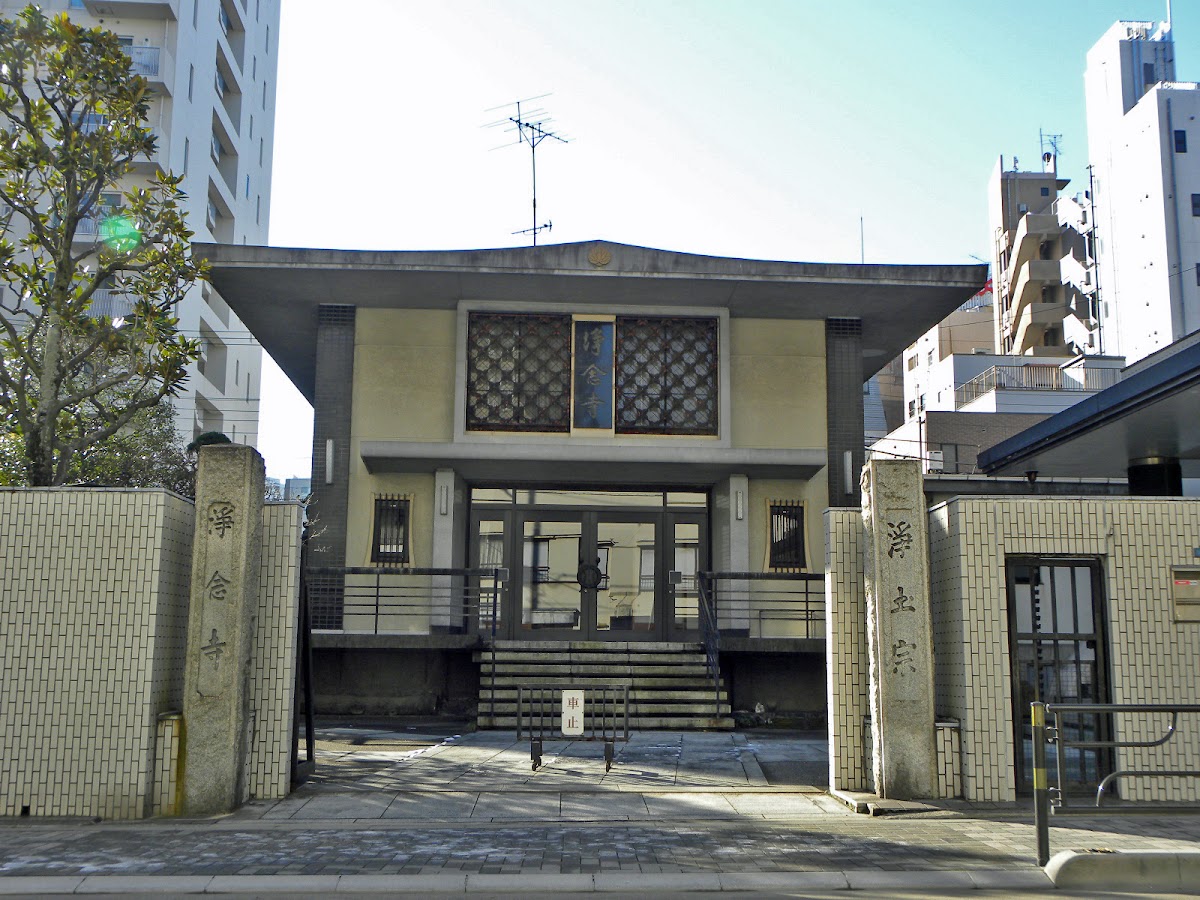
Jōnenji Temple, located in Kuramae, Taito Ward, Tokyo, is a historic temple belonging to the Jōdo sect. It was founded in 1596 (Keichō 1) in Kanda Surugadai by Zenrensha Seiyo Shōnin Sen’a Jōnen Rokyū Daiohshō. Later, in 1605 (Keichō 10), it moved to its current location in Kuramae and has been a cherished place of worship in this area for over 400 years.
Temple Associated with the Otani Expedition
Jōnenji Temple in Kuramae, Taito Ward, is known as the birthplace of Tetsunobu Watanabe, a Buddhist monk and explorer. Tetsunobu Watanabe participated in the “Otani Expedition,” which conducted archaeological excavations of Buddhist sites in Central Asia in the early 20th century, and achieved significant results in Silk Road research. Due to this historical background, Jōnenji Temple occupies an important position not only as a religious institution but also in the history of Buddhist scholarship in Japan.
Access and Facility Information
Conveniently located a 4-minute walk from Kuramae Station, it offers access to both the Toei Asakusa Line and the Toei Oedo Line. It has a modern funeral hall attached, providing comprehensive facilities for funerals and memorial services. The temple also manages a temple cemetery, making it a convenient option for those seeking a burial plot in Tokyo.
Location: 3-chome, Kuramae, Taito-ku, Tokyo
Sect: Jodo-shu (Pure Land Buddhism)
Access: 4-minute walk from Kuramae Station
Jōnenji Temple, Naka-ku, Nagoya City, Aichi Prefecture
Jodo Shinshu Temple
Jōnenji Temple, located in Marunouchi, Naka-ku, Nagoya City, Aichi Prefecture, is a temple belonging to the Jodo Shinshu sect. The head priest is Mr. Kei Hijikata, and the temple serves as a center of faith for the local community. Located in the heart of Nagoya City, it values its connection with local residents as a Jodo Shinshu temple in an urban area.
Perpetual Memorial Services and Modern Memorial Service Forms
Jōnenji Temple in Nagoya City offers a variety of memorial service forms that meet modern needs, including perpetual memorial graves, tree burials, and columbariums. In today’s society, characterized by nuclear families and a declining birthrate and aging population, the temple is attracting attention as a place that offers a wide range of options for those considering closing their family grave or opting for perpetual memorial services.
Location: 3-19-22 Marunouchi, Naka-ku, Nagoya City, Aichi Prefecture
Sect: Jodo Shinshu
Chief Priest: Kei Hijikata
Jōnenji Temple, Mihara City, Hiroshima Prefecture
History of Unnyuzan Jōnenji Temple
Unnyuzan Jōnenji Temple, located in Mihara City, Hiroshima Prefecture, was established in Higashi-machi during the Tenshō era (1573-1591). It was moved to its current location during the Genroku era (1688-1703), but a flood at that time caused the loss of all records. Therefore, while many details about its founding and early history remain unknown, it is known as a historical temple that has supported local faith.
Connections to the Community
Jōnenji Temple in Mihara City is deeply connected to the local culture and history and is also introduced as a tourist spot. As one of the temples indispensable to the history of Mihara City, which faces the Seto Inland Sea, it is cherished by local residents and tourists alike. Location: Mihara City, Hiroshima Prefecture
History: Founded during the Tensho era, relocated during the Genroku era
Jōnenji Temple, Takehara City, Hiroshima Prefecture
A Jodo Shinshu Buddhist Temple Overlooking the Seto Inland Sea
Jōnenji Temple, located in Shimonochō, Takehara City, Hiroshima Prefecture, is a Jodo Shinshu Buddhist temple situated in a town facing the Seto Inland Sea. It actively disseminates information through social media, introducing the temple’s activities and local scenery via Instagram and other platforms. While engaging in modern information dissemination, it fulfills its role as a traditional Buddhist temple.
Location: 3510 Shimonochō, Takehara City, Hiroshima Prefecture
Sect: Jodo Shinshu Buddhism
Jōnenji Temple, Ube City, Yamaguchi Prefecture
A Temple Where You Can Feel the History
Jōnenji Temple, located in Tanai, Ube City, Yamaguchi Prefecture, is cherished by the community as a “temple where you can feel the history.” Traditional events such as the Chigo Gyoretsu (children’s procession) are held, playing an important role in the preservation of local culture. The procession of children, starting from the Tanai Community Center, features children dressed in traditional costumes walking towards the main hall of Jōnenji Temple.
Local Events and Cultural Activities
A distinctive feature is the temple’s function as a central hub for the local community, including holding events in cooperation with local community centers. It plays a role in deepening community bonds through traditional Buddhist ceremonies.
Location: Tanai, Ube City, Yamaguchi Prefecture
Jōnenji Temple in Yamagata Prefecture
Shingon Buddhist Temple with a Sokushinbutsu
Jōnenji Temple in Yamagata Prefecture is a Shingon Buddhist temple, said to have been founded by the Venerable Gon-Daisozu Sōkai. The temple’s most notable feature is the enshrinement of the Sokushinbutsu (self-mummified body) of the Venerable Butsukai, said to be the last such body in Japan (who passed away in 1903).
Sokushinbutsu Faith and Cultural Heritage
Sokushinbutsu refers to the remains of monks who, aiming to become Buddhas while still alive, underwent rigorous training and entered into eternal meditation (nyūjō). Several Sokushinbutsu remain in Yamagata Prefecture, and the Sokushinbutsu at Jōnenji Temple is particularly valuable as it dates from the relatively recent Meiji era. It is an important cultural heritage that conveys the history of Buddhist faith and the rigor of ascetic training.
Sect: Shingon Buddhism
Founder: Gon-Daisozu Sōkai Shōnin
Features: Enshrines the Sokushinbutsu of Butsukai Shōnin
Jōnenji Temple in Shimane Prefecture
Jōdo Sect Temple with a Storehouse-Style Main Hall
In Shimane Prefecture, there is Jōnenji Temple, a Jōdo Sect temple that served as the family temple of the feudal lord. The main hall of this temple is known as a rare Buddhist hall constructed entirely in the storehouse style. It is a large, two-story structure located in the temple district of the former castle town.
Architectural Style Characteristics
The earthen storehouse-style Buddhist hall offers excellent fire resistance, and it is believed to have been adopted to protect valuable Buddhist statues and scriptures from fire. Main halls with this architectural style are rare nationwide, and their value as cultural assets is highly regarded.
Sect: Jodo-shu (Pure Land Buddhism)
Characteristics: Two-story main hall in the earthen storehouse style
Historical Background: Family temple of the feudal lord
Origin of the Temple Name, Jōnenji
The temple name “Jōnenji” represents a faith centered on “Nembutsu” (recitation of Amida Buddha’s name) to the “Pure Land.” This name is particularly common in temples of the Jodo-shu and Jodo Shinshu sects, reflecting the teachings that emphasize faith in Amida Buddha and salvation through Nembutsu. “Jōnen” means a pure heart for Nembutsu, and can be said to be a name that expresses the temple’s religious philosophy.
Comparison of Sects at Jōnenji Temples Across Japan
Jōnenji temples throughout Japan primarily belong to the following sects:
- Jōdo-shū: Taitō-ku, Tokyo; Shimane Prefecture, etc.
- Jōdo Shinshū: Nagoya City, Aichi Prefecture; Takehara City, Hiroshima Prefecture, etc.
- Shingon-shū: Yamagata Prefecture, etc.
While each sect differs in its doctrines, rituals, and temple management practices, all play a vital role as centers of local faith.
Basic Information for Visiting Jōnenji Temple
Manners for Visiting
When visiting a temple, please observe the following basic manners:
- Dress Code: Modest, modest clothing is preferred.
- Photography: Obtain permission in advance before taking photographs inside the main hall or of Buddha statues.
- Offerings: Offer what you can afford.
- Quietness: Please be quiet on the temple grounds.
- Smoking: Smoking is strictly prohibited except in designated areas.
Inquiries and Contact Methods
For inquiries regarding Jōnenji temples, it is recommended to contact the temple directly. For specific information regarding funerals, memorial services, cemeteries, or requests for information on perpetual memorial services or tree burials, it is advisable to contact them by phone or email in advance.
The Role of Jōnenji Temple in Modern Times
As a Venue for Funerals and Memorial Services
In modern times, Jōnenji Temple serves as a venue for traditional funerals and memorial services. Especially in urban areas, temples are developing facilities to meet modern needs, such as adding funeral halls. Some temples even have 24/7 consultation services, ensuring they can handle urgent funerals.
Perpetual Memorial Services and Cemetery Management
In today’s society, characterized by a declining birthrate, an aging population, and the rise of nuclear families, the demand for perpetual memorial services is increasing. Jōnenji temples throughout Japan offer diverse memorial services, including tree burials and columbariums, in addition to traditional cemeteries, to meet the needs of the times. They also provide consultations on closing graves, offering a wide range of services.
Centers of Local Communities
Temples are not only religious institutions but also play a central role in local communities. They contribute to local communities through multifaceted activities such as holding traditional events like children’s processions, preserving and exhibiting cultural properties, and passing on local history.
Cultural Assets and Historical Value of Jōnenji Temples
Each Jōnenji temple in different locations possesses its own unique cultural assets and historical value:
- Taito Ward, Tokyo: Historical background related to the Ōtani Expedition
- Yamagata Prefecture: A valuable cultural heritage of a mummified monk
- Shimane Prefecture: A rare architectural style of earthen storehouse construction
- Hiroshima Prefecture: A long history dating back to the Tenshō era
These cultural assets and historical backgrounds provide important clues to understanding the history and culture of each region.
How to Access Jōnenji Temples
Using map apps or public transportation search services is convenient for accessing Jōnenji temples in various locations. In particular, Jōnenji Temple in Taito Ward, Tokyo, is conveniently located just a 4-minute walk from Kuramae Station, accessible via both the Toei Asakusa Line and the Toei Oedo Line.
When visiting temples in rural areas, using a private car may be convenient, but it is recommended to check for parking availability in advance. Also, if visiting as a tourist, it is efficient to plan your visit in conjunction with nearby tourist attractions.
About Memorial Services and Costs at Jōnenji Temple
Estimated Funeral Costs
Funeral costs vary greatly depending on the scale and content. As a general guideline:
- Family Funeral: Approximately 500,000 to 1,000,000 yen
- General Funeral: Approximately 1,000,000 to 2,000,000 yen
- Large-Scale Funeral: 2,000,000 yen or more
For specific costs, we recommend contacting each temple directly to obtain an estimate.
Costs of Perpetual Memorial Services
The cost of perpetual memorial services also varies depending on the temple and type of memorial service, but generally:
- Communal Grave: Approximately 100,000 to 300,000 yen
- Individual Grave: Approximately 300,000 to 1,000,000 yen
- Tree Burial: Approximately 200,000 to 800,000 yen
It is important to choose a memorial service that suits you by requesting information and visiting the temple.
The Role of Monks and Chief Priests
The monks and chief priests of Jōnenji Temple not only perform religious ceremonies but also play a vital role in providing spiritual support to the local community. In addition to leading funerals and memorial services, they also provide consultations to parishioners and local residents, and preach Buddhist teachings.
Especially in modern times, they are required to address diverse needs, such as end-of-life planning, memorial services, and emotional support. Chief priests of Jōnenji Temples throughout the region are developing activities that meet the needs of modern society while preserving tradition.
Annual Events at Jōnenji Temple
Jōnenji Temples throughout the year hold various events:
- New Year: Shūshō-e (New Year’s service)
- Spring: Spring Equinox Service
- Summer: Obon Memorial Service
- Autumn: Autumn Equinox Service
- Other: Monthly memorial services, special memorial services, etc.
Some regions also hold unique traditional events such as children’s processions. Participating in these events allows you to experience Buddhist culture and deepen your connection with the local community.
History of Jōnenji Temple and the Region
Jōnenji temples throughout Japan are deeply intertwined with the history of their respective regions. Jōnenji Temple in Taito Ward, Tokyo, was founded in the early Edo period and has grown alongside the development of Edo. Jōnenji Temple in Hiroshima Prefecture has witnessed the transformations of the region from the Sengoku period to the Edo period.
The history of temple relocation and reconstruction reflects the history of urban development and disasters in the region. Visiting Jōnenji temples allows for a deeper understanding of the region’s history and culture.
Summary
Jōnenji temples, located throughout Japan, each possess their own unique history and characteristics. They belong to different sects such as Jōdo-shū, Jōdo Shinshū, and Shingon-shū, and offer diverse attractions, including temples associated with the Ōtani Expedition, temples housing mummified monks, and temples with main halls built in the earthen storehouse style.
In modern times, in addition to their role as venues for traditional funerals and memorial services, they also offer services that meet modern needs, such as perpetual memorial services and tree burials. They play a vital role as centers of local communities, contributing to the preservation of cultural properties and the continuation of traditional events.
When visiting Jōnenji temples, please understand the history and characteristics of each temple and observe appropriate manners during your visit. If you have any questions regarding funerals, memorial services, or cemeteries, it is recommended that you inquire in advance to receive detailed information and materials.
Jōnenji temples throughout the region will continue to play an important role in their communities as centers of faith and culture that have continued from the past to the present and into the future.