Yasaki Inari Shrine (Taito Ward, Tokyo) Complete Guide | History, Horse Ceiling Paintings, Goshuin Stamps, and Asakusa Seven Lucky Gods Pilgrimage
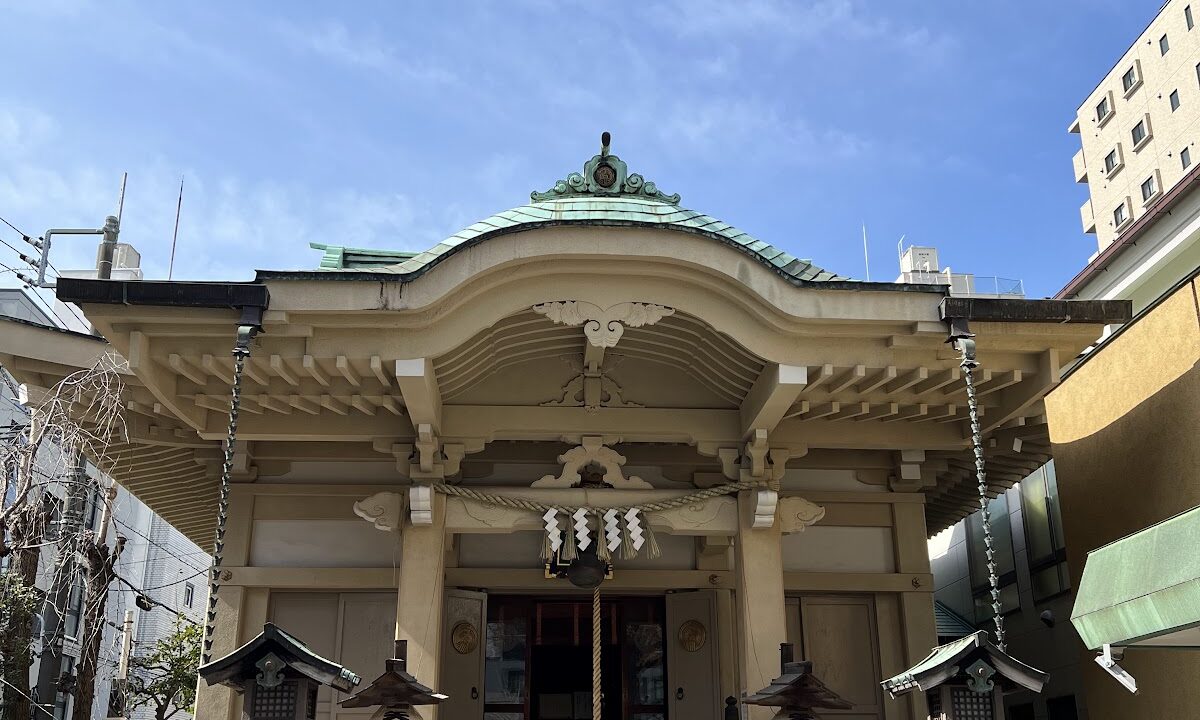
Yasaki Inari Shrine, located in Matsugaya, Taito Ward, Tokyo, is a historic shrine founded in 1642 during the early Edo period. It was established as the guardian shrine of Asakusa Sanjusangen-do Temple, built by the third shogun Tokugawa Iemitsu, and its name comes from its location at the target of the “Toshiya” archery competition. The 100 horse paintings adorning the ceiling of the main hall are breathtaking, and it attracts many visitors as one of the Asakusa Seven Lucky Gods shrines.
About Yasaki Inari Shrine
Yasaki Inari Shrine is located in Matsugaya 2-chome, Taito Ward, Tokyo, and its former shrine rank was that of a village shrine. It is cherished by local residents as one of the guardian shrines of the Matsugaya area and is also known as the shrine that enshrines “Fukurokuju,” one of the Asakusa Seven Lucky Gods.
Deities Enshrined
The main deity is Ukanomitama-no-Mikoto, the Inari god, believed to bestow blessings of abundant harvests, business prosperity, and good fortune. Additionally, Fukurokuju, one of the Seven Lucky Gods of Asakusa, is also enshrined here, and is revered as a god who bestows happiness, wealth, and longevity.
Shrine Rank and Regional Position
During the Edo period, it received fervent devotion from the samurai class as the guardian shrine of Asakusa Sanjusangen-do Temple, and in the Meiji era, it was designated a village shrine. Currently, as the parish shrine of the former Asakusa Matsuba-cho, it serves as the tutelary deity of the Matsugaya area in Taito Ward.
History of Yasaki Inari Shrine
Founding History: Kan’ei 19 (1642)
The founding of Yasaki Inari Shrine dates back to November 23, Kan’ei 19 (1642). At that time, the 39-year-old third shogun, Tokugawa Iemitsu, built the “Asakusa Sanjusangen-do” in the Matsugaya area of present-day Taito Ward, modeled after the Sanjusangen-do in Kyoto, with the aim of promoting martial arts.
The Sanjusangen-do in Kyoto is a Buddhist temple known for its main hall, approximately 120 meters long, and its western veranda was used as an archery practice area. Iemitsu recreated this in Edo, using the western veranda as an archery range and setting up a target area to the north to conduct “Toshiya” (long-distance archery). Toshiya is a type of martial art where archers compete to see who can shoot the most arrows through the length of the hall.
The Yasaki Inari Shrine originated as the guardian shrine of Asakusa Sanjusangen-do Temple, with Inari Daimyojin enshrined to the north of the temple, precisely at the tip of an arrow (the target). Its name, “Yasaki Inari” (arrow-tip Inari), comes from its location.
The Great Fire of Genroku and Reconstruction
Approximately 60 years after its founding, on September 6, 1698 (Genroku 11), a major fire centered in Asakusa destroyed both Asakusa Sanjusangen-do Temple and Yasaki Inari Shrine.
After this fire, Asakusa Sanjusangen-do Temple was ordered to relocate to Fukagawa (present-day Koto Ward), but Yasaki Inari Shrine was permitted to be rebuilt at its current location due to the strong wishes of the devout townspeople. From then on, its role shifted from being the guardian shrine of Sanjusangen-do Temple to becoming a community-based shrine, the tutelary deity of the Matsugaya area.
From the Edo Period to the Present
Throughout the Edo period, Yasaki Inari Shrine was widely revered by both samurai and townspeople alike, due to its divine blessings for business success, academic achievement, personal virtue, and long-lasting military fortune. In the Meiji era, under the modern shrine ranking system, it was designated a village shrine, establishing its position as an important local shrine.
Although it suffered damage during the Showa era, it was rebuilt after the war, resulting in the current shrine buildings. From the Heisei to the Reiwa era, it has been a popular destination, attracting visitors as one of the seven lucky gods of Asakusa, and also drawing many who come to see the horse painting on the ceiling of the worship hall.
Highlights of the Shrine Grounds
Worship Hall and Main Sanctuary
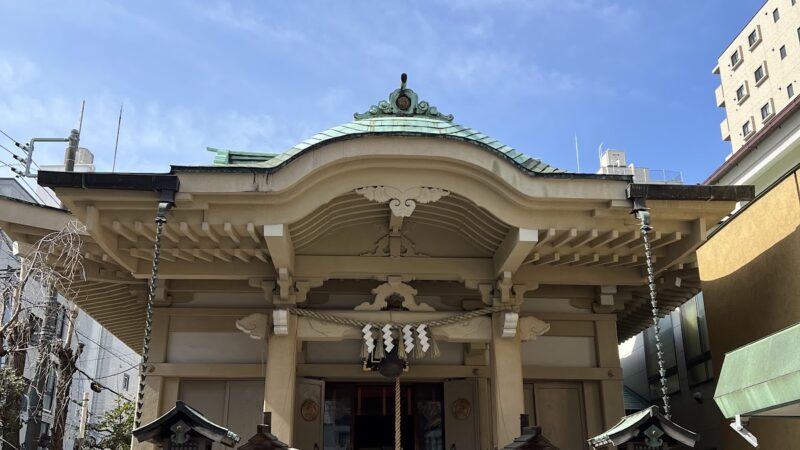
The worship hall of Yasaki Inari Shrine, while compact, exudes a sense of dignity. The Inari-style shrine building, predominantly vermilion, harmonizes beautifully with the traditional atmosphere of Asakusa’s old town.
Breathtaking Ceiling Paintings of Horses: 100 Illustrations of Japanese Horse Riding History
The greatest highlight of Yasaki Inari Shrine is the 100 horse paintings adorning the coffered ceiling of the main hall. These depict the “History of Japanese Horse Riding,” a valuable cultural artifact that visually represents the history of the relationship between horses and humans in Japan from the reign of Emperor Jimmu to modern times.
Features of the Horse Paintings
- Number of Paintings: 100 paintings fill the ceiling
- Content: Covers the history of Japanese horse riding from ancient times to the modern era
- Artistic Value: Detailed depictions of horse tack and riding styles from each era
- Historical Value: Highly valued as a document that provides a comprehensive overview of Japanese horse culture
The ceiling paintings depict the relationship between horses and humans throughout different eras, from horses appearing in ancient myths to samurai cavalry battles, Edo period horsemanship, and modern horse racing. When visiting the shrine, be sure to look up at the ceiling and carefully appreciate these magnificent horse paintings.
Connection to the Year of the Horse
From these 100 horse illustrations, Yasaki Inari Shrine became known as the guardian deity of the Year of the Horse. Many worshippers visit especially during the Year of the Horse to pray for good fortune. In 2026, the Year of the Horse, it was featured on the TV program “Ninomiya-san’s House” as one of the “strongest power spots for the Year of the Horse,” attracting considerable attention.
Statue of Fukurokuju
Fukurokuju, one of the Seven Lucky Gods of Asakusa, is enshrined here. Fukurokuju is worshipped as a god who bestows the three virtues of happiness (Fuku), wealth (Roku), and longevity (Ju), and is depicted with a distinctive long head and beard.
Shrines and Stone Monuments
Besides the main shrine, the grounds are dotted with small shrines and monuments, preserving the history of the region.
Asakusa’s Seven Lucky Gods Pilgrimage
Yasaki Inari Shrine is one of the shrines included in the Asakusa’s Seven Lucky Gods Pilgrimage, attracting many visitors.
What is the Asakusa’s Seven Lucky Gods?
The Asakusa’s Seven Lucky Gods pilgrimage involves visiting nine temples and shrines scattered throughout the Asakusa area of Taito Ward. It is a traditional event that has continued since the Edo period, and is especially crowded with visitors during the New Year.
Composition of the Seven Lucky Gods Pilgrimage
- Senso-ji Temple (Daikokuten)
- Asakusa Shrine (Ebisu)
- Matsuchiyama Shōten (Bishamonten)
- Imado Shrine (Fukurokuju)
- Hashiba Fudōson (Hotei)
- Ishihama Shrine (Jurojin)
- Yoshiwara Shrine (Benzaiten)
- Washijinja Shrine (Jurōjin)
- Yasaki Inari Shrine (Fukurokuju)
Yasaki Inari Shrine enshrines Fukurokuju and is an important pilgrimage site for the Seven Lucky Gods.
Route for the Seven Lucky Gods Pilgrimage
Yasaki Inari Shrine is located slightly south of the center of Asakusa, so the most common route is to start from Senso-ji Temple or Asakusa Shrine, pass through Kappabashi Kitchenware Street, and visit the shrine there. While it’s possible to visit all the temples and shrines on foot, it takes several hours to do so, so we recommend planning your visit carefully.
Goshuin (Shrine Seal) and Gift Information
Goshuin (Shrine Seal)
At Yasaki Inari Shrine, in addition to the regular goshuin, you can also receive a goshuin of Fukurokuju, one of the Seven Lucky Gods of Asakusa, as part of the pilgrimage.
Regular Goshuin (Shrine Seal)
- Donation: Approximately 300-500 yen
- Contents: Calligraphy of “Yasaki Inari Shrine” and shrine seal
- Reception Hours: During shrine office hours (generally 9:00-17:00)
Seven Lucky Gods Goshuin (Shrine Seal)
- Donation: Approximately 300-500 yen
- Contents: Calligraphy of “Fukurokuju” and Seven Lucky Gods seal
- Special Period: Special goshuin may be given during the New Year period.
Limited Edition Goshuin (Shrine Seal)
Yasaki Inari Shrine may give out limited edition goshuin during the Year of the Horse or during special festivals. Please check the shrine’s notices and official information for the latest limited edition goshuin information.
Goshuincho (Shrine Seal Book)
Yasaki Inari Shrine also offers original goshuincho. Goshuincho reflecting the shrine’s characteristics, such as designs featuring horses, are popular. ### Other Items Offered
- Amulets: Various types for good fortune, business prosperity, academic success, etc.
- Ema (votive tablets): Featuring distinctive horse designs
- Omikuji (fortune slips)
- Fukurokuju Figurines: As a souvenir for visiting the Seven Lucky Gods
Access and Visiting Information
Location
14-1, Matsugaya 2-chome, Taito-ku, Tokyo 111-0036
Access by Train
Tokyo Metro Ginza Line
- Approximately 7 minutes on foot from Inaricho Station
- Approximately 7 minutes on foot from Tawaramachi Station
Both stations are adjacent to Asakusa Station and are accessible from either. From Inaricho Station, head southwest; from Tawaramachi Station, head southeast.
Tsukuba Express
- Approximately 10 minutes on foot from Asakusa Station
Asakusa Station on the Tsukuba Express is deep underground, so you will need to walk a short distance after emerging above ground.
Walking Route
From Senso-ji Temple or Asakusa Shrine, head towards Kappabashi Kitchenware Street; it’s about a 15-minute walk. You can enjoy the lively atmosphere of the kitchenware street as you walk.
Access by Car
There is no dedicated parking lot for the shrine. Please use nearby coin-operated parking lots. However, traffic around Asakusa is heavy and parking lots tend to be crowded, so we recommend using public transportation.
Visiting Hours
- Shrine Grounds Visiting: Generally open 24 hours
- Shrine Office Reception: Generally 9:00 AM to 5:00 PM (may vary depending on the day)
- Goshuin (Shrine Stamp) Reception: During shrine office opening hours
Admission Fee
Free
Annual Events
- New Year’s Visit: January 1st to 3rd (bustling with the Asakusa Seven Lucky Gods pilgrimage)
- Annual Grand Festival: Once a year (please inquire with the shrine for dates)
- Day of the Horse: A special prayer ceremony may be held in the Year of the Horse
Nearby Tourist Attractions
Kappabashi Kitchenware Street
Located very close to Yasaki Inari Shrine is Kappabashi Kitchenware Street, Japan’s largest specialty shopping street for cooking utensils, tableware, and kitchen equipment. This approximately 800-meter-long shopping street offers a wide variety of cooking utensils for everyone from professional chefs to the general public, and unique items such as food samples are also popular.
Senso-ji Temple & Asakusa Shrine
Within a 15-minute walk are Senso-ji Temple and Asakusa Shrine, two of Tokyo’s most iconic tourist attractions. Enjoy the Edo-period atmosphere with sights like the Kaminarimon Gate, Nakamise Street, and the Five-Storied Pagoda.
Tokyo Skytree
From Asakusa, you can also see the Tokyo Skytree, the world’s tallest broadcasting tower. It’s accessible on foot or by bus.
Manners and Points for Visiting a Shrine
Basic Worship Etiquette
- Bow before passing through the torii gate.
- Purify your body and mind at the water basin.
- Take the ladle with your right hand and purify your left hand.
- Switch the ladle to your left hand and purify your right hand.
- Switch the ladle back to your right hand, receive water in your left hand, and rinse your mouth.
- Finally, hold the ladle upright and purify the handle.
- Worship in front of the main hall.
- Place your offering.
- Two bows, two claps, one bow (two bows, two claps, one bow).
- Bow at the torii gate when leaving.
Regarding Photography
Photography is generally permitted within the shrine grounds, but please follow the shrine’s instructions regarding photography inside the main hall and of the ceiling paintings. Also, please be considerate of other worshippers.
Points to Note When Viewing the Ceiling Paintings
When viewing the ceiling paintings in the main hall, please note the following:
- View after completing your prayers
- View from a location that does not disturb other worshippers
- View quietly
- Avoid occupying the space for extended periods
Summary of the Charms of Yasaki Inari Shrine
Yasaki Inari Shrine possesses unique charms not found in other shrines, including its history from the early Edo period, its deep connection to Sanjusangen-do Temple, and its breathtaking ceiling paintings of horses.
Historical Value
Founded by Tokugawa Iemitsu as the guardian shrine of Asakusa Sanjusangen-do Temple, the name “Yasaki” (矢先), derived from its connection to the martial art of “Toshiya” (long-distance archery), conveys the samurai culture of Edo to this day.
Cultural Asset Value
The 100 horse paintings on the ceiling of the main hall are valuable cultural materials that allow us to visually learn about the history of equestrianism in Japan, and are also highly valued as works of art.
As a Place of Worship
This shrine enshrines Fukurokuju, one of the Seven Lucky Gods of Asakusa, and attracts the faith of many people as the local guardian deity and the protector of those born in the Year of the Horse.
Easy Access
Its location near Asakusa, the heart of the tourist area, and its easy access via the Tokyo Metro Ginza Line and Tsukuba Express are also attractive features. Visiting it in conjunction with Kappabashi Kitchenware Street will allow you to enjoy a more fulfilling Asakusa sightseeing experience.
Summary
Yasaki Inari Shrine is a historical shrine located in Asakusa, Taito-ku, Tokyo, founded in 1642. It was established as the guardian shrine of Asakusa Sanjusangen-do Temple, built by the third shogun Tokugawa Iemitsu, and was named “Yasaki Inari” (arrowhead Inari) because it was located at the target of the “Toshiya” archery competition.
The 100 horse paintings adorning the ceiling of the main hall are a magnificent cultural artifact depicting the history of equestrianism in Japan from the reign of Emperor Jimmu to modern times, and it also attracts worshippers as the protector of those born in the Year of the Horse. Furthermore, as a shrine dedicated to Fukurokuju, one of the Seven Lucky Gods of Asakusa, it is bustling with many visitors during the New Year’s Seven Lucky Gods pilgrimage.
It boasts excellent access, being approximately a 7-minute walk from Inaricho Station and Tawaramachi Station on the Tokyo Metro Ginza Line, making it ideal for a visit in conjunction with Asakusa sightseeing or exploring Kappabashi Kitchenware Street. With a wide selection of goshuin (shrine stamps) and other offerings, this shrine, steeped in history and culture, is definitely worth a visit.