Kagata Shrine (Shinagawa Ward, Tokyo) Complete Guide | The History and Charm of the Whale Mound, Continuing from Suzaki Benten
Located in Higashi-Shinagawa, Shinagawa Ward, Tokyo, Kagata Shrine is a historic shrine founded in the early Edo period. Formerly known as “Suzaki Benten” and depicted in Utagawa Hiroshige’s ukiyo-e prints, this shrine possesses valuable cultural assets that convey the prosperity of Shinagawa Port. This article provides a detailed introduction to Kagata Shrine, including its history, enshrined deities, highlights within the grounds, and access information.
Basic Information about Kagata Shrine
Official Name: Kagata Shrine
Former Name: Suzaki Benzaiten, Suzaki Benten, Benten-sha
Deity Enshrined: Ichikishimahime-no-mikoto
Shrine Rank: Former Unranked Shrine
Annual Festival Date: September 13th
Location: 1-7-17 Higashi-Shinagawa, Shinagawa-ku, Tokyo 140-0002
Phone Number: 03-3471-9993 (Shinagawa Shrine)
Affiliation: Shinagawa Branch of the Tokyo Metropolitan Shrine Association
History and Origins of Kagata Shrine
Circumstances of Founding
Kagata Shrine is said to have been founded in Kanei 3 (1626). In the early Edo period, Takuan Sōhō, known as the founder of Tōkai-ji Temple, enshrined Benzaiten on a sandbar (Suzaki) formed at the mouth of the Meguro River in Shinagawa Port. One theory suggests that it was established by Zen Master Takuan on September 6th, 1626 (Kanei 3).
Takuan was a prominent Rinzai Zen monk of the Edo period, receiving the patronage of Tokugawa Iemitsu and founding Tōkai-ji Temple in Shinagawa. Because Takuan enshrined Benzaiten to pray for the safety and prosperity of Shinagawa Port, this shrine became widely worshipped as “Suzaki Benten” or “Suzaki Benzaiten.”
Connection to Shugendō
At the time of its founding, the Toshida Shrine’s buildings were managed by Shugendō practitioners of the Tōzan school. Throughout the Edo period, Benzaiten worship and Shugendō were intertwined, and the shrine attracted the faith of ordinary people as a goddess of good fortune and wisdom. Also known as “Fukuju Benzaiten,” it attracted worshippers seeking business prosperity and maritime safety.
Separation of Shinto and Buddhism and Renaming in the Meiji Era
Due to the Shinto-Buddhist Separation Policy in the early Meiji era, Toshida Shrine underwent a major transformation. Previously a strongly Buddhist facility dedicated to Benzaiten, it was reorganized as a Shinto shrine.
At this time, Benzaiten, a Buddhist goddess, was replaced by Ichikishimahime-no-Mikoto, a deity from Japanese mythology, as the enshrined deity. Ichikishimahime-no-Mikoto is one of the three Munakata goddesses and is considered identical to Benzaiten. She is known as the goddess of water, navigation, and performing arts.
The shrine’s name was also changed from “Suzaki Benten” to “Toshida Shrine”. The name “Toshida” originates from Toshida Kichizaemon, the headman of Minami-Shinagawa-juku, who developed the area. From 1774 to 1834, Yoshizaemon Toshida dedicated himself to the development of this area, and the entire area came to be known as “Toshida Shinchi” (Toshida New Land).
Utagawa Hiroshige and One Hundred Famous Views of Edo
An essential part of understanding the history of Toshida Shrine is its connection to the works of the ukiyo-e artist Utagawa Hiroshige. Hiroshige’s masterpiece, “One Hundred Famous Views of Edo,” specifically the 83rd scene, “Shinagawa Susaki,” depicts Susaki Benten.
This ukiyo-e print depicts the Benten-do (Benten shrine) built on a sandbar at the mouth of the Meguro River, ships coming and going in Shinagawa Port, and Mount Fuji in the distance, making it a valuable historical document that conveys the landscape of Shinagawa during the Edo period. It suggests that the area around Toshida Shrine at that time was known as a scenic spot jutting out into the sea, and was bustling with many worshippers and tourists.
About the Deity Enshrined: Ichikishimahime-no-Mikoto
Ichikishimahime-no-Mikoto, the deity enshrined at Toshida Shrine, is a goddess appearing in Japanese mythology. She is one of the three Munakata goddesses born from the oath (ukei) between Amaterasu-Omikami and Susanoo-no-Mikoto, and is revered as a goddess of the sea and navigation, along with Takiribime-no-Mikoto and Takitsuhime-no-Mikoto.
Divine Aspects of Ichikishimahime-no-Mikoto
- Goddess of Water and Sea: Guardian deity of safe voyages and abundant catches in fishing.
- Syncretism with Benzaiten: Identified with the Buddhist Benzaiten, goddess of performing arts, music, and learning.
- Goddess of Wealth and Fortune: Benefits of business prosperity and increased wealth.
- Goddess of Beauty: As a goddess of beauty, she is also worshipped for beauty and matchmaking.
For Toshida Shrine, located in the port town of Shinagawa, Ichikishimahime-no-Mikoto, who presides over safety at sea and business prosperity, is a truly fitting enshrined deity.
Highlights of the Shrine Grounds
Whale Mound (Kujirazuka)
The most distinctive feature of Toshida Shrine is the Whale Mound located on the left side of the shrine grounds. This is a valuable cultural property, said to be the only of its kind in Tokyo, and is designated as a Shinagawa Ward Designated Tangible Cultural Property.
Origin of the Whale Mound
The Whale Mound was erected in Kansei 10 (1798). On May 1st of the same year, a semi-spined whale, approximately 16 meters long, strayed into the waters off Shinagawa and was captured by fishermen. Records show that this whale became a sensation throughout Edo, attracting many spectators to Shinagawa.
To commemorate the whale, a stone monument was erected over its buried bones. The monument bears the inscription “Namu Amida Butsu” and a prayer for the whale’s soul. It is a valuable historical artifact demonstrating the prosperity of Shinagawa Port during the Edo period, thriving on whaling and seafood trade.
Cultural Value of the Whale Mound
During the Edo period, whales were utilized as a valuable resource, while commemorating their lives was also considered important. The whale mound at Toshida Shrine holds great cultural value as a testament to people’s reverence for the sea and their gratitude for living creatures.
Shrine Building
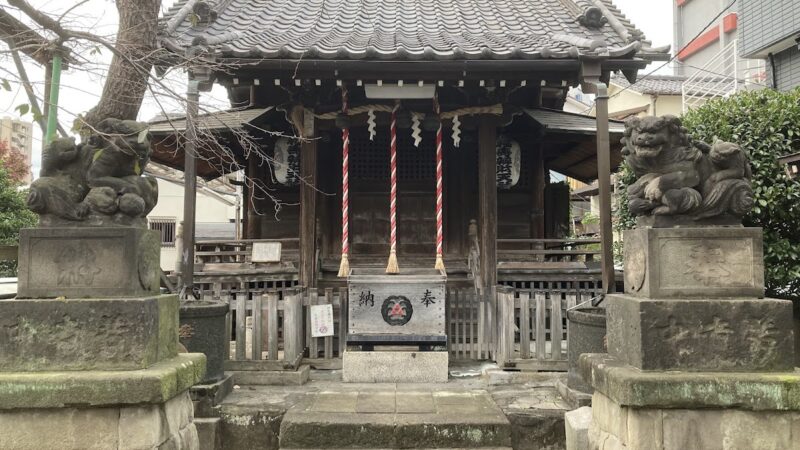
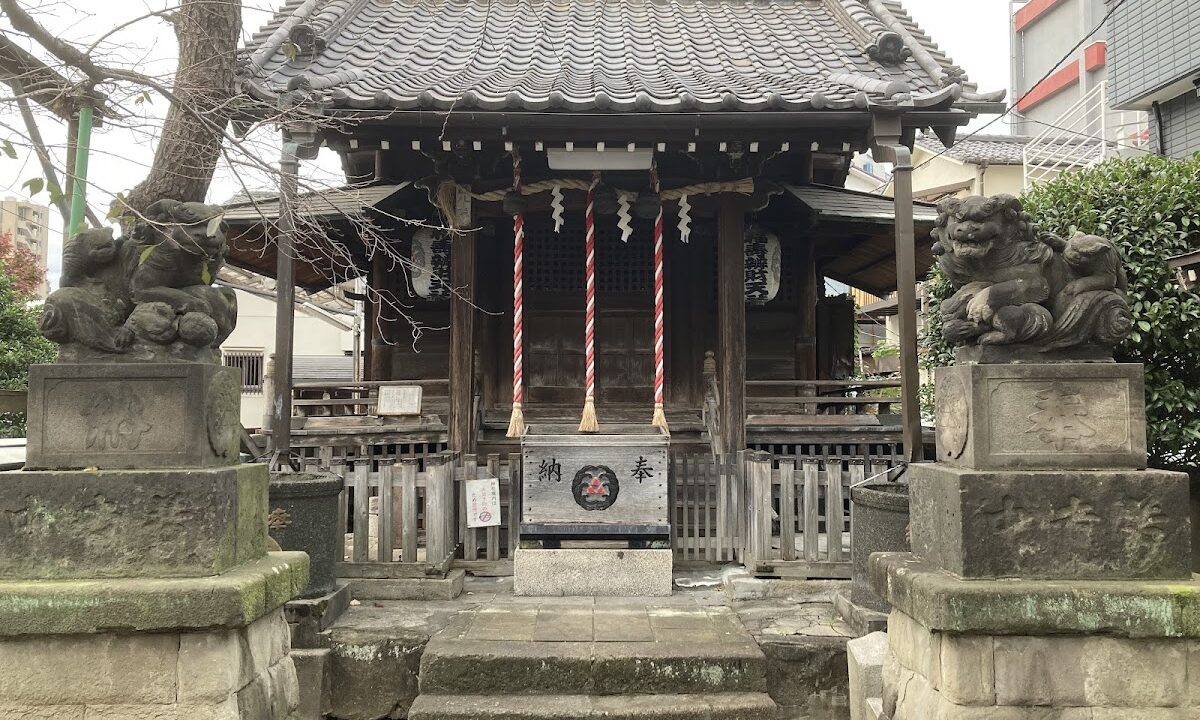
The current shrine building, though small, is a charming structure that evokes the atmosphere of Shinagawa’s old downtown. Unusually for a shrine in the heart of Tokyo, it maintains a quiet and peaceful atmosphere.
Atmosphere of the Shrine Grounds
The grounds of Toshida Shrine are not particularly large, but amidst the increasing urbanization of the surrounding area, it provides a valuable green space. Located near the mouth of the Meguro River, it offers a glimpse into the former Shinagawa port.
Access Information
Access by Train
Nearest Stations:
- Keikyu Main Line “Kita-Shinagawa Station” Approximately 10 minutes on foot from the North Exit
- Keikyu Main Line “Shinbaba Station” Approximately 10 minutes on foot from the North Exit
- Approximately 20 minutes on foot from JR Yamanote Line/Keihin-Tohoku Line “Shinagawa Station”
Directions from Kita-Shinagawa Station
- Exit the North Exit of Kita-Shinagawa Station
- Proceed along Dai-ichi Keihin (National Route 15) towards Shinagawa
- Turn left at the Higashi-Shinagawa 1-chome intersection
- Proceed straight towards the Meguro River; you will arrive in approximately 5 minutes.
Access by Car
Approximately 10 minutes from the Shibaura Exit of the Metropolitan Expressway Route 1 Haneda Line. However, there is no dedicated parking lot, so please use nearby coin parking.
Nearby Shrines and Temples
Near Toshida Shrine, there are several temples and shrines that tell the history of Shinagawa:
- Shinagawa Shrine (approx. 5-minute walk): The guardian shrine of Shinagawa, one of the Ten Shrines of Tokyo
- Kaiunji Temple (approx. 7-minute walk): An ancient temple known for its thousand statues of Kojin (guardian deity)
- Yoganji Temple (approx. 8-minute walk): Popularly known as Shinagawa’s Enma (King of Hell)
- Tokaiji Temple (approx. 15-minute walk): A famous temple founded by Zen Master Takuan
The “Shinagawa Shrine and Temple Pilgrimage,” which visits Toshida Shrine, Kaiunji Temple, and Yoganji Temple, is a popular historical walking course.
Points to Note When Visiting
Visiting Hours
Toshida Shrine is open for worship at all times, but since the shrine office is not always staffed, those wishing to receive a Goshuin (shrine stamp) should check in advance. Goshuin may be available at Shinagawa Shrine.
Annual Festival
The annual festival is held every year on September 13th. Local parishioners and devotees gather for traditional Shinto rituals.
Benefits of Worship
- Maritime Safety and Navigation: As the guardian deity of the port town of Shinagawa
- Business Prosperity: A goddess of wealth and fortune inheriting the characteristics of Benzaiten
- Improvement in Performing Arts and Academic Achievement: From the divine attributes of Ichikishimahime-no-Mikoto
- Good Fortune and Prosperity: Faith as Fukuju Benzaiten
History of Shinagawa Port and Toshida Shinchi
Prosperity of Shinagawa Port
During the Edo period, Shinagawa flourished as the first post town on the Tokaido highway and as the gateway to Edo Bay. Shinagawa Port, which developed at the mouth of the Meguro River, was a center for the collection and distribution of goods and a fishing base.
The sandbar where Toshida Shrine is located was formed by sediment carried by the Meguro River and was an important point in Shinagawa Port. By enshrining Benzaiten here, prayers were offered for maritime safety and the prosperity of the port.
Development of Toshida Shinchi
From 1774 to 1834, Toshida Kichizaemon, the headman of Minami-Shinagawa-juku, developed this area. Reclamation and land readjustment created a new town, which came to be known as “Toshida Shinchi.”
It is believed that the shrine was renamed “Toshida Shrine” during the Meiji era to commemorate his contributions to the development of this area and to adopt a name derived from the place name.
Modern Toshida Shrine
Preservation in the Midst of Urbanization
Currently, the area around Toshida Shrine is an urban area lined with high-rise condominiums and office buildings. The mouth of the Meguro River has also been reclaimed, and almost no trace of the former sandbar remains.
However, Toshida Shrine is a valuable cultural asset that tells the history of Shinagawa and is carefully preserved by the local people. In particular, the whale mound is a unique structure that conveys the memory of Shinagawa Port during the Edo period.
Center of the Local Community
Despite its small size, Toshida Shrine still plays a vital role in the local community as a venue for local festivals and events. Through annual festivals and cleaning activities, it serves as a place for interaction among parishioners and local residents.
As a Tourist and Historical Walking Spot
In recent years, Toshida Shrine has been visited by people interested in Shinagawa’s history and by worshippers collecting Goshuin (shrine stamps). As a location depicted in Utagawa Hiroshige’s ukiyo-e prints, and as the only shrine in Tokyo with a whale mound, it attracts attention from history buffs and cultural property enthusiasts.
How to Enjoy Visiting Toshida Shrine
A Visit to Experience History
When visiting Toshida Shrine, we highly recommend viewing Utagawa Hiroshige’s ukiyo-e print “Shinagawa Susaki” beforehand. Comparing the current landscape to the past allows you to truly appreciate the changes since the Edo period and experience history more deeply.
Visiting the Whale Mound
The whale mound on the temple grounds is a must-see. Read the inscription on the stone monument and experience the feelings of the Edo-period people towards whales. An explanatory sign is also provided as it is a cultural property of Shinagawa Ward.
Visiting Shinagawa’s Shrines and Temples
Visiting Shinagawa Shrine, Kaiunji Temple, Yoganji Temple, and other temples in conjunction with Toshida Shrine will allow you to gain a deeper understanding of Shinagawa’s history and culture. Spending half a day to a full day enjoying a historical walk through Shinagawa is highly recommended.
Strolling Along the Meguro River
Toshida Shrine is located near the Meguro River. After visiting the shrine, a stroll along the Meguro River allows you to enjoy the beautiful cherry blossom trees during cherry blossom season. The sight of pleasure boats passing by is reminiscent of Shinagawa Port in the Edo period.
Summary
Toshida Shrine is a historic shrine with its origins in “Suzaki Benten,” founded by the monk Takuan in the early Edo period. It enshrines Ichikishimahime-no-Mikoto and is known for its blessings related to maritime safety, business prosperity, and improvement in performing arts.
The whale mound within the shrine grounds is a unique and valuable cultural asset, the only one of its kind in Tokyo, conveying the prosperity of Shinagawa Port during the Edo period and the spirit of remembrance for living creatures. This shrine, depicted in Utagawa Hiroshige’s ukiyo-e prints, is an essential spot for understanding the history of Shinagawa.
In the increasingly urbanized Shinagawa, Toshida Shrine will continue to be protected by the local community as a valuable place that preserves the memory of history. When you visit Shinagawa, be sure to stop by. You’ll be able to experience the story of Shinagawa, which has continued since the Edo period, etched into its small grounds.