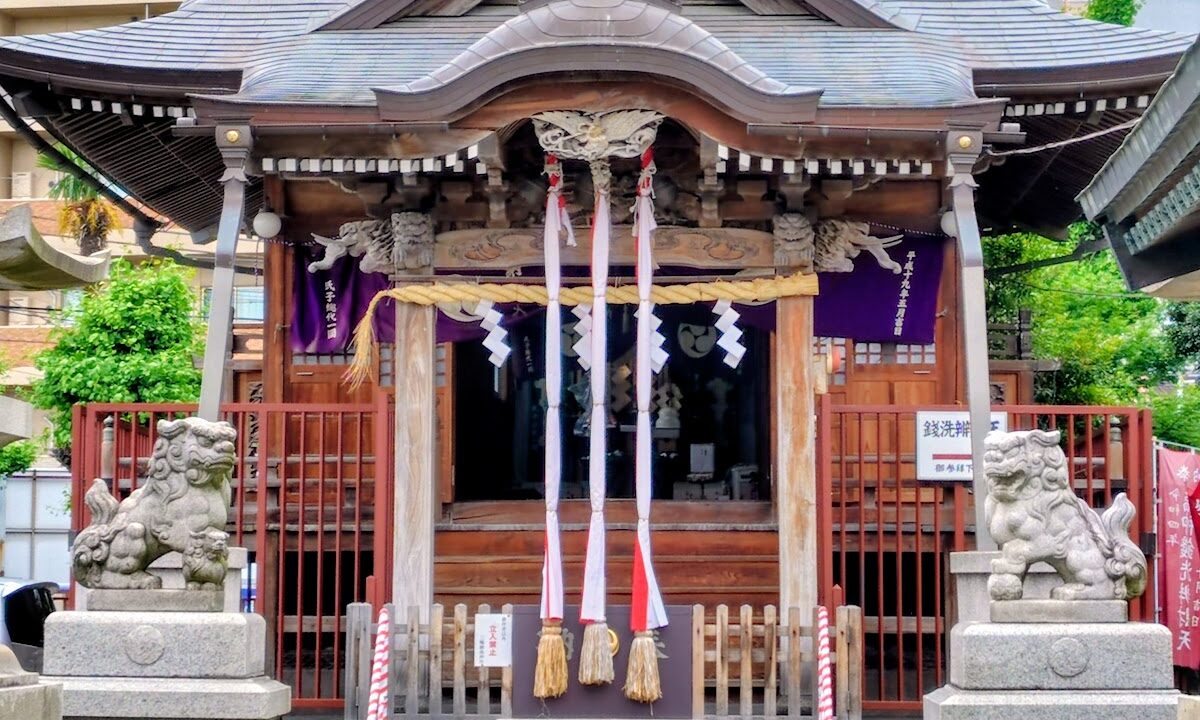
Complete Guide to Miwa Itsukushima Shrine (Ota Ward, Tokyo) | Legend of Minamoto no Yoshitsune, Goshuin (Shrine Seal), and Access Information
Miwa Itsukushima Shrine, located in Omori Higashi, Ota Ward, Tokyo, is a historical shrine with legends related to Minamoto no Yoshitsune. Also known as “Benten Shrine,” it has long been revered by local residents. This article provides a detailed explanation of everything you need to know before visiting, including the history of Miwa Itsukushima Shrine, its enshrined deities, highlights of the grounds, goshuin information, and access methods.
Basic Information on Miwa Itsukushima Shrine
Miwa Itsukushima Shrine is located at 4-35-3 Omori Higashi, Ota Ward, Tokyo. It is approximately a 9-minute walk from Umeyashiki Station on the Keihin Kyuko Line and also within walking distance of Omorimachi Station. Its relatively easy-to-find location along National Route 409 makes it a beloved local guardian shrine.
Location: 4-35-3 Omori-Higashi, Ota-ku, Tokyo 143-0012
Nearest Station: Keihin Kyuko Line, Umeyashiki Station (approx. 9-minute walk), Omorimachi Station (approx. 6-minute walk)
Shrine Office: Available (not permanently staffed)
Parking: None (use nearby coin parking)
History and Origins of Miwa Itsukushima Shrine
Origin of Founding and the Legend of Minamoto no Yoshitsune
The origins of Miwa Itsukushima Shrine date back to the fourth year of Jisho (1180). In that year, Minamoto no Yoshitsune, leading his retainers from Hiraizumi to Kamakura, encountered the 210th day of the year, an unlucky day, after crossing the Tama River.
Yoshitsune’s ship was swept away by a strong wind blowing from the southwest, and ended up drifting off the coast of Omori. It is said that when Yoshitsune was in peril at sea, he prayed for calm at sea towards a forest visible in the distance, and miraculously, the wind stopped, allowing him to land safely.
Grateful for this miracle, Yoshitsune is said to have built a shrine to express his gratitude for being protected by the local shrine. This is the legend that is the origin of Miwa Itsukushima Shrine. This anecdote concerning Minamoto no Yoshitsune has been passed down to this day as an important part of the shrine’s history.
Transitions from the Edo Period to the Meiji and Showa Eras
In the early Edo period, Itsukushima Shrine was located on the site of the current shrine office. Meanwhile, Miwa Shrine was enshrined at the current location, and they existed as separate shrines.
In the Meiji era, the policy of shrine consolidation was promoted, and in 1909 (Meiji 42), Hakusan Shrine was merged with it. Furthermore, in 1928 (Showa 3), the Itsukushima Shrine, which was located on the adjacent land, was merged with the current Miwa Shrine, resulting in the current name “Miwa Itsukushima Shrine.”
This merger unified the faiths of multiple shrines, and the shrine came to serve as the guardian shrine of the region. It is said that the Rokuten Shrine also existed nearby, making it an important shrine that tells the story of the historical changes in shrines in the Omori area.
Deities and Divine Virtues
Miwa Itsukushima Shrine enshrines multiple deities. Reflecting the history of the merger, it is characterized by the enshrinement of deities inherited from each of the various shrines.
Main Deity
Ichikishima-hime no Mikoto
The main deity inherited from Itsukushima Shrine, this goddess is identified with Benzaiten. She is worshipped as the goddess of water, performing arts, and wealth, which is why Miwa Itsukushima Shrine is also called “Benten Shrine.”
Ōmononushi-no-Mikoto
This deity is enshrined at Miwa Shrine and is considered another name for Ōkuninushi-no-Mikoto. He is believed to bestow blessings for business prosperity, family safety, and matchmaking.
Deities Enshrined Together
Izanami-no-Mikoto
This deity was enshrined together from Hakusan Shrine and is the goddess of creation in Japanese mythology. She is worshipped as the goddess of matchmaking, safe childbirth, and child-rearing.
Due to these enshrined deities, Miwa Itsukushima Shrine is a place of worship that caters to a variety of prayers and blessings, possessing diverse divine virtues.
Highlights and Cultural Assets of the Shrine Grounds
Shrine Buildings and Grounds
Despite being located in an urban area along National Route 409, Miwa Itsukushima Shrine maintains a tranquil atmosphere. While the grounds are not particularly large, the well-maintained and clean space welcomes visitors.
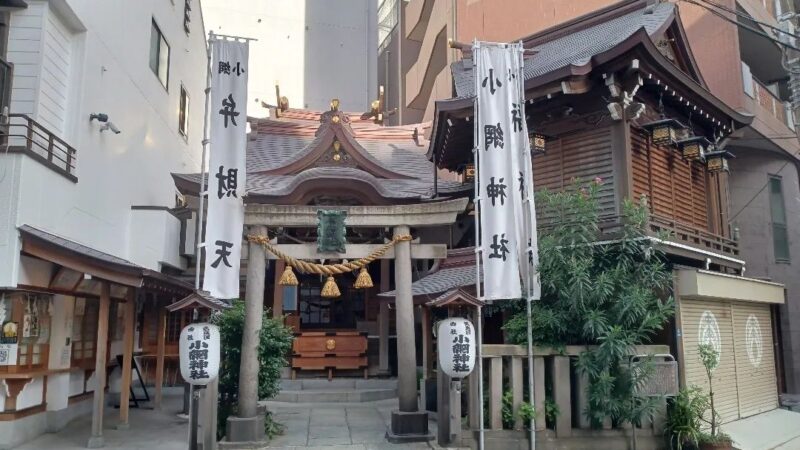
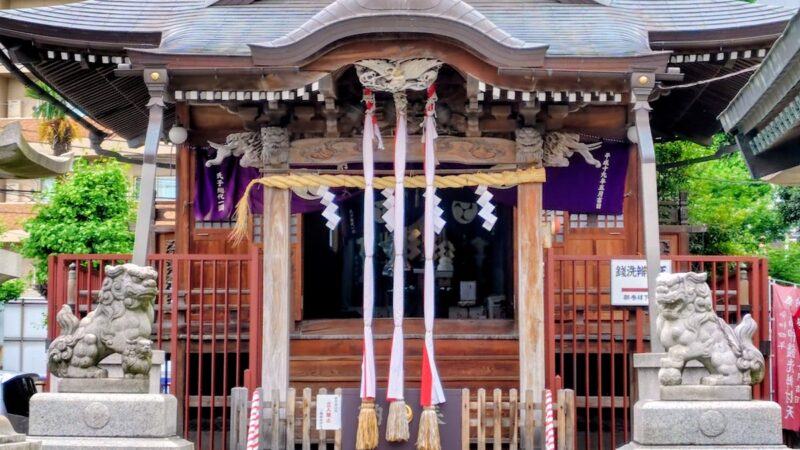
The shrine buildings were renovated during the early Showa period when the shrines were consolidated, and they are simple yet dignified in their construction. Upon passing through the torii gate, the worship hall is directly ahead, with the main sanctuary located behind it.
Shrine Office and Management System
The shrine office of Miwa Itsukushima Shrine is located on the site where Itsukushima Shrine once stood. However, there are no permanent priests; instead, staff visit on the 1st and 15th of each month for cleaning and maintenance.
Therefore, if you wish to receive a goshuin (shrine stamp), visiting on these days increases your chances of obtaining one. The shrine is protected by local parishioners and volunteers, and it is evident that it is carefully maintained despite its small size.
Surrounding Historical Environment
The Omori area flourished as a post town on the Tokaido road since ancient times and was a transportation hub with a ferry crossing on the Tama River. It was also known as a production area for Omori seaweed during the Edo period, and legends related to seaweed cultivation remain.
The area surrounding Miwa Itsukushima Shrine once had a coastline close by and attracted the faith of people involved in fishing and maritime transport. Although land reclamation has moved the coastline further away, the legend of Minamoto no Yoshitsune’s drifting remains a valuable historical record that conveys the geographical environment of that time.
Goshuin (Shrine Seals) and Offerings
About Goshuin
Goshuin are available at Miwa Itsukushima Shrine. However, as mentioned above, there are no resident priests, so caution is advised when obtaining a goshuin.
Goshuin Issuance Days: 1st and 15th of each month (cleaning days)
Format: Primarily pre-printed (paper goshuin)
Offering Fee: Usually around 300 yen (donation)
The goshuin bears the seal of either “Miwa Itsukushima Shrine” or “Benten Shrine,” resulting in a simple yet elegant finish. To ensure you receive a goshuin, it is recommended to visit on the 1st or 15th of each month.
Please note that if you visit on any other day, there is a high possibility that no one will be at the shrine office, and you will only be able to offer prayers. While calling ahead is one option, contact information may not be publicly available, so visiting on the 1st or 15th of the month is the most reliable.
Goshuincho (Stamp Book) and Offerings
Information regarding the original goshuincho (stamp book) of Miwa Itsukushima Shrine is limited, and as it is a small shrine, it is possible that a dedicated goshuincho is not available. Those collecting goshuin are advised to bring their own goshuincho.
Regarding offerings such as amulets and votive tablets, the offering office is not always open, so availability may be limited.
Access and Visiting Information
Access by Train
Miwa Itsukushima Shrine is easily accessible by public transportation.
From Umeyashiki Station on the Keihin Kyuko Line
Approximately a 9-minute walk east from the east exit of Umeyashiki Station. Exit the station and head towards National Route 409 (Dai-ichi Keihin). Walk south along the highway, and you will see the shrine on your right.
From Omorimachi Station on the Keihin Kyuko Line:
Approximately a 6-minute walk from Omorimachi Station. Head east from the station, then turn north onto National Route 409. The shrine will be on your left. This route from Omorimachi Station is slightly shorter.
Access by Car and Parking
Miwa Itsukushima Shrine does not have its own parking lot. If you are visiting by car, you will need to use a nearby coin-operated parking lot.
Due to its location along National Route 409, there are several coin-operated parking lots nearby. Please note that parking fees will apply depending on the length of your visit. For short visits, nearby parking lots should suffice.
Points to Note When Visiting
- The shrine office is not always open, so if you wish to receive a Goshuin (shrine stamp) or other items, it is recommended to visit on the 1st or 15th of each month.
- The shrine grounds are small, so please be mindful of quiet worship.
- Photography is permitted, but please be considerate of other visitors.
- Facilities such as restrooms are limited, so it is recommended to use the facilities at the station beforehand.
Nearby Shrines, Temples, and Tourist Spots
Related Shrines in Ota Ward
When visiting Miwa Itsukushima Shrine, visiting the surrounding shrines and temples will allow you to gain a deeper understanding of the history of the Omori area.
Miwa Shrine (Omori Nishi)
This is another Miwa Shrine located at 5-18-5 Omori Nishi, Ota Ward, and is also known as “Dairoku-sama.” The enshrined deity is Okuninushi-no-Mikoto, and it is a 6-minute walk from Keikyu Line’s “Omorimachi Station.” Although it is a different shrine from Miwa Itsukushima Shrine, it is an interesting existence that shares the same name as Miwa Shrine.
Horinouchi Miwa Shrine
Located in Omori-Naka, Ota Ward, this Miwa Shrine is believed to have been founded during the Kyōtoku era (1452-1456) or the Kan’ei era (1624-1644). It has a history of merging with nearby shrines such as Kifune Shrine and Tenso Shrine in 1915 (Taisho 4).
Highlights of the Omori Area
The Omori area is rich in history and culture. We recommend visiting the following spots before or after your visit to Miwa Itsukushima Shrine.
- Omori Shell Mound Site Garden: A historical site known as the birthplace of Japanese archaeology.
- Omori Hometown Beach Park: A park recreating the former Omori coast.
- Omori Shopping Street: A lively shopping street retaining the atmosphere of the Showa era.
Annual Events of Miwa Itsukushima Shrine
Annual Festivals and Main Rituals
While detailed information on the dates of Miwa Itsukushima Shrine’s annual festivals is limited, it is believed that the following rituals are held throughout the year, similar to those of a typical shrine:
- New Year’s Day Festival: A festival celebrating the New Year on January 1st.
- Grand Annual Festival: Likely held in autumn (around October).
- Monthly Festival: A simplified ritual may be held on the 1st and 15th of each month, which are cleaning days.
Due to its small size, grand festivals may not be held, but it appears to be carefully preserved by local parishioners and devotees.
What you can pray for at Miwa Itsukushima Shrine
At Miwa Itsukushima Shrine, you can pray for various things based on the divine virtues of the enshrined deity.
Divine Virtues of Ichikishimahime-no-Mikoto (Benzaiten)
- Improvement in Performing Arts: Improvement of skills in music, art, and performing arts
- Improvement of Financial Fortune: Business prosperity, increased wealth
- Academic Achievement: Flourishing of wisdom and talent
- Matchmaking: The benefit of forming good relationships
Divine Virtues of Omononushi-no-Mikoto
- Business Prosperity: Development and success of business
- Family Safety: Health and peace of the family
- Protection from Misfortune and Bringing Good Fortune: Warding off misfortune and opening up good fortune
- Matchmaking: Good relationships between people
Divine Virtues of Izanami-no-Mikoto
- Prayer for Safe Childbirth: Wishing for a safe delivery
- Childbearing: Being blessed with children
- Protection of Child-Rearing: Healthy growth of children
- Protection of Women: Women’s Specific Wishes
Due to these diverse divine blessings, Miwa Itsukushima Shrine functions as a place of prayer for various aspects of life.
Miwa Itsukushima Shrine and the Legend of Omori Nori
The Omori area was famous for nori (seaweed) cultivation from the Edo period to the early Showa period. “Omori Nori” was known as a representative of Edo-style nori and was a high-quality product even presented to the Shogun’s family.
Miwa Itsukushima Shrine and Omori nori are said to have a deep connection. Ichikishimahime-no-Mikoto, the goddess of the sea and water, was deeply revered by fishermen engaged in nori cultivation. It is said that many people involved in the fishing industry visited Miwa Itsukushima Shrine to pray for a bountiful catch and safety at sea.
Currently, nori cultivation is not carried out around Omori, but the history of Omori nori is carefully preserved as a regional identity, and Miwa Itsukushima Shrine is one of the important cultural heritage sites that conveys that history to the present day.
Manners and Etiquette for Visiting a Shrine
When visiting Miwa Itsukushima Shrine, please observe basic shrine visiting etiquette.
Basic Procedure for Visiting a Shrine
- Bow before the Torii Gate: Bow lightly before entering the sacred area.
- Purify yourself at the Water Basin: If there is a water basin, purify your left hand, right hand, and mouth in that order.
- Walk along the edge of the path: The center of the path is considered the path of the gods.
- Etiquette in front of the Main Hall: The basic procedure is two bows, two claps, one bow (two bows, two claps, one bow).
- Bow upon leaving: Turn around and bow before leaving the Torii gate.
Considerations for Photography
Photography is generally permitted on the shrine grounds, but please note the following points.
- Be considerate and avoid including other worshippers in your photos.
- Do not take photos in areas where photography is prohibited, such as inside the main hall.
- Use flash photography sparingly.
- When posting on social media, be mindful of location information.
The Charm of Miwa Itsukushima Shrine and Reasons to Visit
Miwa Itsukushima Shrine is a valuable shrine located within Tokyo, yet it has deep ties to the historical hero Minamoto no Yoshitsune. The fact that an event from the late Heian period (1180) has been passed down to the present day holds great significance.
While not a large shrine, it has a rich history, carefully preserved by the local community, and offers a quiet space for prayer amidst the hustle and bustle of the city. It also functions as a Benten shrine, attracting many worshippers seeking blessings for performing arts and financial fortune.
For those collecting Goshuin (shrine stamps), the limited distribution dates of the 1st and 15th of each month create a special feeling. Planning your visit will make it an even more memorable experience.
As part of a historical walk through the Omori area, or as part of a shrine pilgrimage along the Keihin Kyuko Line, Miwa Itsukushima Shrine is well worth a visit. Experience the historical romance of tracing the footsteps of Minamoto no Yoshitsune, the devotion to Benten, and the charm of this simple, community-rooted shrine.
Summary
Miwa Itsukushima Shrine (Ota Ward, Tokyo) is a historical shrine originating from the legend of Minamoto no Yoshitsune’s shipwreck, and is also known as Benten Shrine. Since its founding in 1180, it has attracted the faith of the local community, and after mergers during the Meiji and Showa periods, it has taken its current form.
The enshrined deities are Ichikishimahime-no-Mikoto, Omononushi-no-Mikoto, and Izanami-no-Mikoto, and it offers a variety of divine blessings, including improvement in performing arts, business prosperity, matchmaking, and safe childbirth. Goshuin (shrine stamps) are most likely to be issued on the 1st and 15th of each month, so planned visits are recommended.
Located within walking distance of either Umeyashiki Station or Omorimachi Station on the Keihin Kyuko Line, Miwa Itsukushima Shrine offers excellent accessibility. Combining a visit with a historical stroll through the Omori area will enhance your pilgrimage experience. Why not feel the breath of history and faith at this small but carefully preserved shrine?