Uramori Inari Shrine (Ota Ward, Tokyo) Complete Guide | History, Goshuin (Shrine Seal), Access, and Festival Information
Uramori Inari Shrine, located in Omori Minami, Ota Ward, Tokyo, is a historical shrine deeply rooted in the community and has long been cherished by local residents. Its quiet grounds, nestled within a residential area, offer a precious place of prayer, allowing visitors to forget the hustle and bustle of the city. This article provides detailed information about Uramori Inari Shrine, including its history, enshrined deities, goshuin (shrine seal), access methods, and festival information.
About Uramori Inari Shrine
Uramori Inari Shrine is an Inari shrine located in Omori Minami 3-chome, Ota Ward, Tokyo. The name “Uramori” reflects the history of this area, which once faced the sea, and it has been worshipped as an Inari deity protecting the bay (seaside).
Although currently situated in a quiet residential area, it is cherished as the local guardian deity and is a place of daily worship for local residents, as well as a place of prayer for important life events.
Characteristics of the Shrine
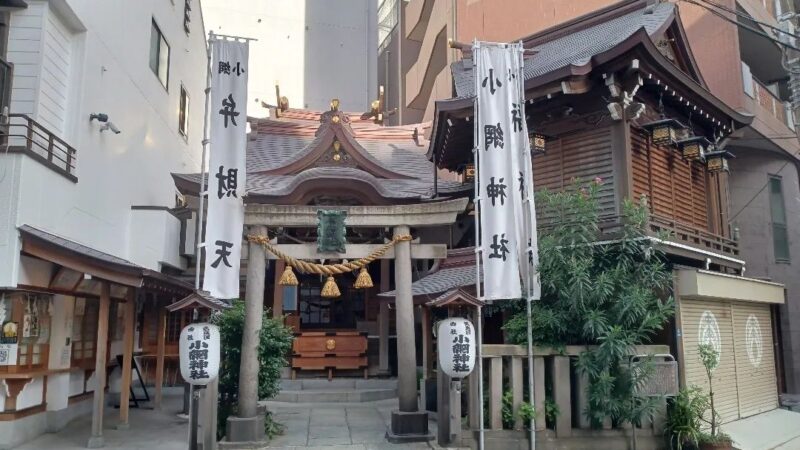
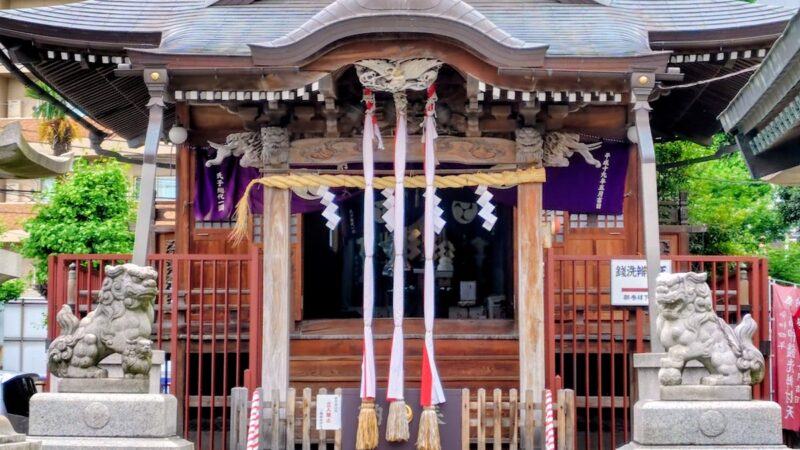
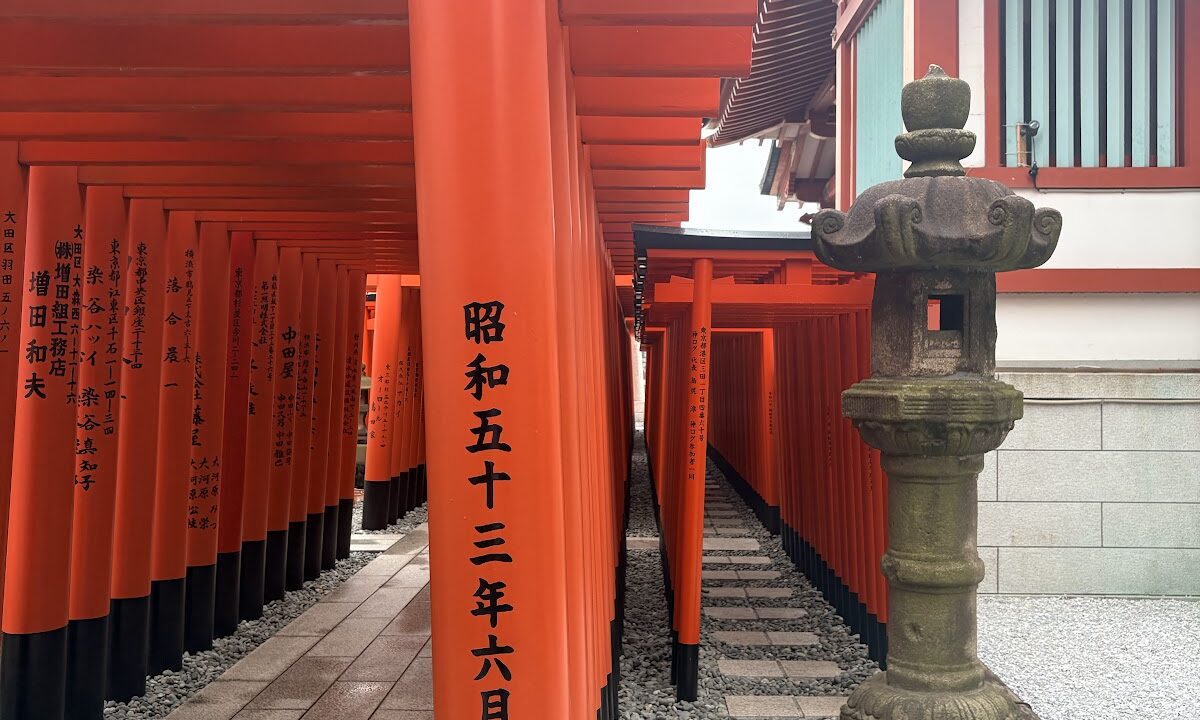
Uramori Inari Shrine, while having a relatively compact grounds, maintains a clean and well-maintained environment. The shrine buildings follow the traditional Inari shrine style, and the vermilion torii gate is striking. Within the grounds are the main hall, the worship hall, and a purification fountain.
The shrine is carefully managed by local residents, with regular cleaning and maintenance ensuring it is always ready to welcome visitors. Despite being in the city, it offers a sacred atmosphere.
Deity and Divine Virtues
Deity: Ukanomitama-no-Mikoto
The deity enshrined at Uramori Inari Shrine is Ukanomitama-no-Mikoto. Ukanomitama-no-Mikoto is known in Japanese mythology as the god who presides over food and is widely worshipped throughout Japan as the principal deity of Inari shrines.
“Uka” means grain or food, and is said to represent the spirit of rice in particular. In Japan, an agricultural society, this deity has been revered since ancient times as the god who presides over abundant harvests.
Divine Virtues (Benefits)
Uramori Inari Shrine, which enshrines Ukanomitama-no-Mikoto, is believed to offer the following divine benefits:
- Abundant Harvests and Business Prosperity: As a representative benefit of Inari, one can pray for the prosperity of their business and the success of their ventures.
- Family Safety: The deity protects the health and peace of the family.
- Industrial Development: The deity watches over the development of not only agriculture but all industries.
- Good Fortune and Prosperity: The deity is believed to bring good fortune and improve one’s luck.
History and Origins of Uramori Inari Shrine
Background of Founding
The exact founding date of Uramori Inari Shrine is unclear due to limited records, but it is deeply connected to the history of this region. The Omori Minami area was once a fishing village facing Tokyo Bay, and was a land deeply connected to the sea.
The name “Uramori” (浦守) means “guardian of the seashore” (ura), and it is believed that the shrine functioned as a place to pray for the safety of those involved in fishing and shipping, and for a bountiful catch. At the same time, as an Inari shrine, it was also a guardian deity of agriculture, making it a central center of faith supporting all aspects of local life.
Connection to the Community
As Tokyo modernized and urbanized after the Meiji era, the Omori area also underwent significant changes. While land reclamation along the coastline progressed and the former fishing village transformed into a residential area, Uramori Inari Shrine remained unchanged as a spiritual pillar of the community.
After the post-war period of rapid economic growth, the surrounding area became densely populated with houses, but the shrine continued to function as the core of the local community. Thanks to the fervent faith and maintenance of local parishioners, it has been carefully preserved to this day.
Highlights of the Shrine Grounds
Main Hall and Worship Hall
The shrine buildings of Uramori Inari Shrine, while possessing the style of traditional shrine architecture, have a small, approachable appearance. Daily prayers are offered at the main hall, and local residents can be seen visiting regularly.
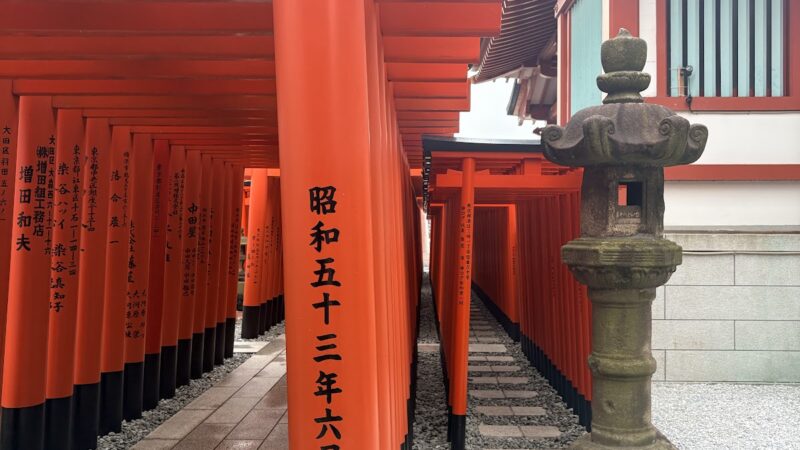
The vermilion color of the shrine is characteristic of Inari shrines and is considered a symbol of protection against evil and vitality. Regular maintenance is carried out, keeping it in beautiful condition.
Torii Gate
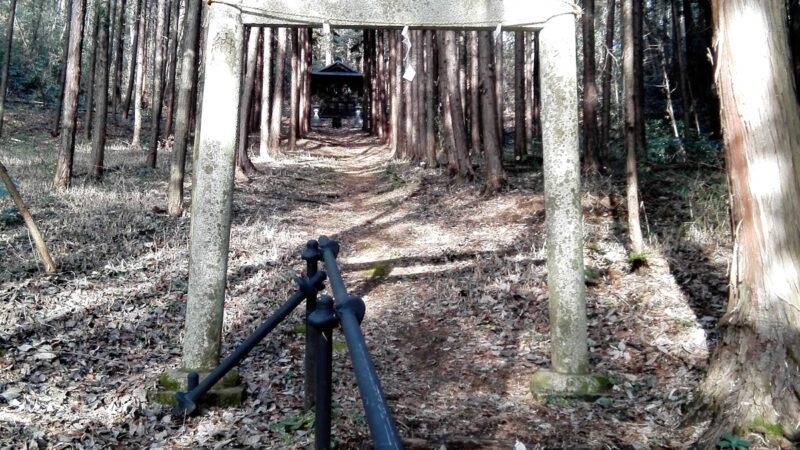
A vermilion torii gate, typical of Inari shrines, stands at the entrance to the shrine grounds. Passing through the torii gate signifies stepping from the secular world into the sacred realm, marking the beginning of worship.
Water Basin
A water basin is also provided for purifying the body and mind before worship. The proper etiquette is to purify your hands and mouth here before proceeding to the main hall.
About Goshuin (Shrine Seals) and Goshuincho (Shrine Seal Books)
About the Issuance of Goshuin (Shrine Seals)
Goshuin can be obtained at Uramori Inari Shrine. However, since there is not always someone at the shrine office, those wishing to obtain a goshuin should be aware of this.
Information on Goshuin (Shrine Seal) Issuance:
- Issuance Dates: Goshuin are available on the 1st and 15th of each month when the chief priest or other staff members are present for cleaning.
- Guarantee: Even on the above dates, there is no guarantee that a calligrapher will be present, so we recommend checking in advance.
- Handling During Visits: If you wait in front of the shrine office, staff members may approach you.
Goshuin are not merely commemorative stamps, but precious items bestowed by the shrine as proof of your visit. It is important to pray respectfully and with gratitude.
About Goshuincho (Shrine Seal Books)
We recommend checking with the shrine regarding the availability of Uramori Inari Shrine’s original goshuincho when you visit. Those who visit many shrines may want to bring their favorite goshuincho.
Annual Festivals and Events
Annual Festival (June 3rd)
The annual festival of Uramori Inari Shrine is held every year on June 3rd. The annual festival is the most important annual event for the shrine, a Shinto ritual to express gratitude to the enshrined deity and pray for peace and prosperity in the community.
Festival (First Saturday and Sunday of June)
In conjunction with the annual festival, a grand festival is held on the first Saturday and Sunday of June.
Example Festival Schedule:
Saturday:
- 10:00 Recitation of Shinto prayers
- 13:30 Kagura (Shinto music and dance) performance
- 18:00 Mikoshi (portable shrine) procession through town and performance offerings
Sunday:
- 9:00 Mikoshi-pulling, drumming, and other town procession and performance offerings
During the mikoshi procession through town, local residents unite to carry the mikoshi and parade through the streets. Kagura and other performance offerings are also held, providing a valuable opportunity to experience traditional culture. As an important event that deepens the bonds of the local community, it is bustling with many participants.
Other Annual Events
At Inari shrines, events such as Hatsuuma (the first day of the horse in the lunar calendar) are also considered important. Specific details about events at Uramori Inari Shrine can be found during your visit or on local bulletin boards.
Access and Transportation Information
Basic Information
Address: 3-27-8 Omori Minami, Ota-ku, Tokyo 143-0013
Phone Number: 03-3744-1580
Access from Nearest Stations
Uramori Inari Shrine is accessible from several stations:
From Keikyu Main Line Umeyashiki Station:
- Distance: Approximately 1.2km
- Walking Time: Approximately 16 minutes
- Proceed southeast from Exit 1
From Keikyu Main Line Showajima Station:
- Distance: Approximately 1.1km
- Walking Time: Approximately 14 minutes
- Proceed north from the station
Access by Bus:
- Approximately 1 minute walk from the Keikyu Bus Morigasaki Line “Maenoura” bus stop
- Access by bus is the most convenient option
Access by Car
If traveling by car, access is possible via the Shuto Expressway Haneda Line or Wangan Line. However, since it is located in a residential area, some roads are narrow. It is recommended to check in advance whether there is a dedicated parking lot.
Surrounding Environment
Uramori Inari Shrine is located in the residential area of Omori Minami, a relatively quiet area with many detached houses. There are everyday shops and facilities nearby, indicating that the shrine is integrated into the lives of the local residents.
Manners and Etiquette for Visiting a Shrine
Basic Etiquette for Visiting a Shrine
When visiting a shrine, please observe the following basic manners:
- Bow at the Torii Gate: Bow before passing through the torii gate to show respect for entering the sacred area.
- Walking on the Path: The center of the path is considered the path of the gods, so walk along the edges.
- Watering Procedure:
- Take the ladle with your right hand and cleanse your left hand.
- Switch the ladle to your left hand and cleanse your right hand.
- Switch the ladle back to your right hand, receive water in your left hand, and rinse your mouth.
- Finally, stand the ladle upright to cleanse the handle.
- Worship at the Main Hall:
- Bow lightly before placing your offering.
- If there is a bell, ring it.
- Two bows, two claps, one bow (bowing deeply twice, clapping twice, bowing deeply once)
Specific Rituals at Inari Shrines
Some Inari shrines have different worship rituals than the standard two bows, two claps, and one bow. At Uramori Inari Shrine, the general ritual is acceptable, but please follow any signs provided on the grounds.
Attire and Mindset for Visiting
There are no specific dress code requirements, but it is desirable to wear clothing that reflects the sacred nature of the place. Also, please worship quietly and be considerate of other worshippers.
Photography is generally permitted, but there may be times when photography is inappropriate, such as inside the main hall or during religious ceremonies. Please check before taking any photos if you are unsure.
Nearby Shrines and Temples
In addition to Uramori Inari Shrine, Ota Ward has many other shrines and temples:
Omori Shrine
One of the representative shrines of the Omori area, it boasts a larger shrine building and grounds. Many people visit both Uramori Inari Shrine and Omori Shrine.
Other Nearby Shrines
Ota Ward boasts many famous temples and shrines, including Ikegami Honmonji Temple, making it a great place to enjoy shrine and temple pilgrimages. If you have ample time, planning a visit to multiple shrines is highly recommended.
The Charm of Uramori Inari Shrine
A Faith Rooted in the Community
The greatest charm of Uramori Inari Shrine lies in its deep-rooted community faith. Unlike large-scale tourist shrines, it functions as a place of daily prayer for local residents, offering a quiet atmosphere far removed from the hustle and bustle of the city.
A Homely Atmosphere
The warm interactions with people, such as being greeted while waiting in front of the shrine office, are another appealing aspect. You can experience an intimate atmosphere that you won’t find at larger shrines.
An Urban Oasis
Despite being located in a residential area, stepping onto the shrine grounds envelops you in a serene atmosphere. It’s a precious place to escape the daily noise and find peace of mind.
Precautions When Visiting
For Those Wishing to Receive a Goshuin (Shrine Seal)
As mentioned above, Goshuin are likely to be given out on the 1st and 15th of each month, but this is not guaranteed. If obtaining a Goshuin is your primary purpose, it is recommended to confirm by phone beforehand or be prepared to visit multiple times.
Visiting Hours
Shrines are generally recommended to be visited during the daytime. Please refrain from visiting in the early morning or after evening out of consideration for the surrounding residents.
Consideration for Residential Areas
Since the area around the shrine is a residential area, please refrain from loud conversations and noise, and be mindful of the lives of the local residents.
Summary: Visiting Uramori Inari Shrine
Uramori Inari Shrine is a historical Inari shrine located in Omori Minami, Ota Ward, Tokyo. It enshrines Ukanomitama-no-Mikoto as its main deity and is believed to bestow blessings such as abundant harvests, business prosperity, and family safety.
This small shrine, nestled in a residential area, is charming for its warm atmosphere, cherished and carefully maintained by the local community. During the June festival, a portable shrine procession and Kagura (sacred dance) are performed, allowing visitors to experience the region’s traditional culture.
Access is convenient, within walking distance of Umeyashiki Station and Showajima Station on the Keikyu Main Line, or just a one-minute walk from the “Maenoura” bus stop. For those wishing to receive a Goshuin (shrine stamp), visiting on the 1st and 15th of each month is recommended, but availability is not guaranteed, so a visit solely for the purpose of worship is advisable.
For those seeking a quiet and peaceful escape from the hustle and bustle of the city, and those wishing to experience the atmosphere of a community-based shrine, a visit to Uramori Inari Shrine is highly recommended.
Frequently Asked Questions (FAQ)
Q1: When can I get a Goshuin at Uramori Inari Shrine?
A1: Goshuin are most likely to be available on the 1st and 15th of each month. Staff members are present on these days for cleaning, so if a calligrapher is available, you can receive a Goshuin. However, this is not guaranteed, so we recommend confirming by phone beforehand.
Q2: How do I get to Uramori Inari Shrine?
A2: The nearest stations are Umeyashiki Station (approx. 16-minute walk) or Showajima Station (approx. 14-minute walk) on the Keikyu Main Line. The most convenient way to get there is by taking the Keikyu Bus Morigasaki Line to the “Maenoura” bus stop, which is about a 1-minute walk away. The address is 3-27-8 Omori Minami, Ota-ku, Tokyo.
Q3: When is the annual festival of Uramori Inari Shrine held?
A3: The annual festival is held every year on June 3rd. Also, a grand festival is held on the first Saturday and Sunday of June, featuring a procession of portable shrines through the town, Kagura (sacred dance) performances, and other entertainment. It’s a great opportunity to experience the local traditional culture.
Q4: What are the enshrined deities and divine virtues of Uramori Inari Shrine?
A4: The enshrined deity is Ukanomitama-no-Mikoto. As the god who presides over food, this deity is believed to bestow blessings such as abundant harvests, business prosperity, family safety, industrial development, and good fortune. This deity is widely worshipped throughout Japan as the principal deity of Inari shrines.
Q5: Does Uramori Inari Shrine have a parking lot?
A5: We recommend checking with the shrine in advance regarding the availability of a dedicated parking lot. The surrounding area is a residential neighborhood with some narrow roads, so using public transportation is recommended. If you are visiting by car, please consider using nearby coin-operated parking lots.
Q6: What is the origin of the name “Uramori” in Uramori Inari Shrine?
A6: The name “Uramori” is thought to originate from the history of this area facing Tokyo Bay. “Ura” means seaside, indicating that it has been worshipped as an Inari god protecting the sea. It is also presumed to have played a role in praying for the safety of fishing and maritime transport.