Complete Guide to Nomi no Sukune Shrine (Sumida Ward, Tokyo) | History and Blessings of a Sacred Site Dedicated to the God of Sumo
Located in Kamezawa, Sumida Ward, Tokyo, Nomi no Sukune Shrine is the only shrine in Japan dedicated to Nomi no Sukune, known as the founder of sumo wrestling. Situated close to Ryogoku Kokugikan (the sumo arena), and managed by the Japan Sumo Association, this shrine is a sacred site visited by many worshippers, including those involved in sumo.
This article will introduce the charm of this special shrine in its entirety, from its history and the origin of its enshrined deity to its highlights and access methods.
Basic Information about Nomi no Sukune Shrine
Location: 2-8-10 Kamezawa, Sumida-ku, Tokyo
Phone Number: 03-3623-8572
Deity Enshrined: Nomi no Sukune
Annual Festival Date: Early May
Management: Japan Sumo Association
Common Name: Sukune-san
Access Information
There are several routes to Nomi no Sukune Shrine.
Access by Train:
- Approximately 10-15 minutes on foot from the East Exit of Ryogoku Station on the JR Sobu Line
- Approximately 10 minutes on foot from Exit A3 of Ryogoku Station on the Toei Oedo Line
Walking along Hokusai Street from Ryogoku Station, you will see the entrance to the shrine. It is conveniently located within walking distance of Ryogoku Kokugikan and the Edo-Tokyo Museum, making it easy to visit while watching sumo or sightseeing.
History and Founding of Nomi no Sukune Shrine
Founding in the Meiji Era
Nomi no Sukune Shrine was founded in 1885 (Meiji 18). The first Takasago Uragoro (20th Yokozuna), who was the stablemaster of the Takasago stable at the time, played a central role, and with the cooperation of Senge Takatomi, the chief priest of Izumo Taisha Shrine, it was built on the former site of the Tsugaru Domain’s upper residence.
Establishing a shrine to enshrine Nomi no Sukune, the founder of sumo, had been a long-held wish of those involved in sumo at the time. This wish was realized through the efforts of Takasago Uragoro and other sumo-related individuals.
Location on the Former Site of the Tsugaru Domain’s Upper Residence
The site where the shrine was built is a historically significant location, having been the site of the Tsugaru Domain’s upper residence during the Edo period. After the Meiji Restoration, this vast site was repurposed for various uses, but it was in one corner that the Nomi no Sukune Shrine was built.
One reason this location was chosen was its proximity to Ryogoku, an area deeply connected to sumo wrestling. Sumo tournaments had been held in Ryogoku since the Edo period, and it flourished as a center of sumo culture.
Damage from the Great Kanto Earthquake and the Tokyo Air Raids
Approximately 40 years after its founding, in 1923 (Taisho 12), the Nomi no Sukune Shrine suffered significant damage from the Great Kanto Earthquake. Furthermore, it was damaged again in the Tokyo air raids of 1945 (Showa 20), and the shrine buildings were destroyed by fire.
Post-War Reconstruction
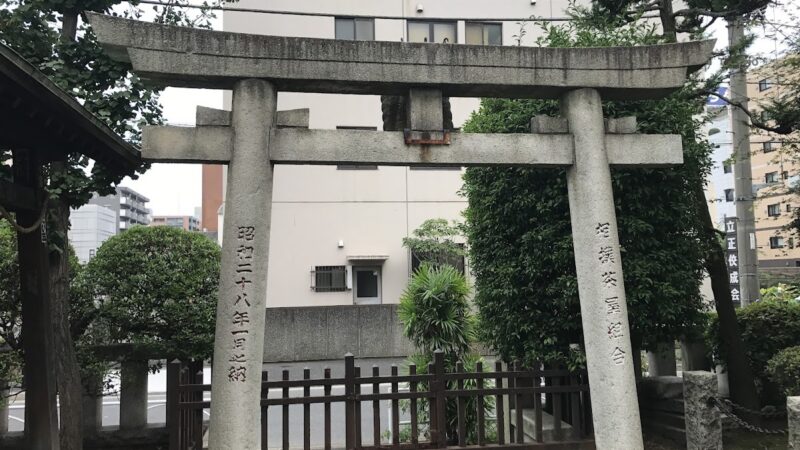
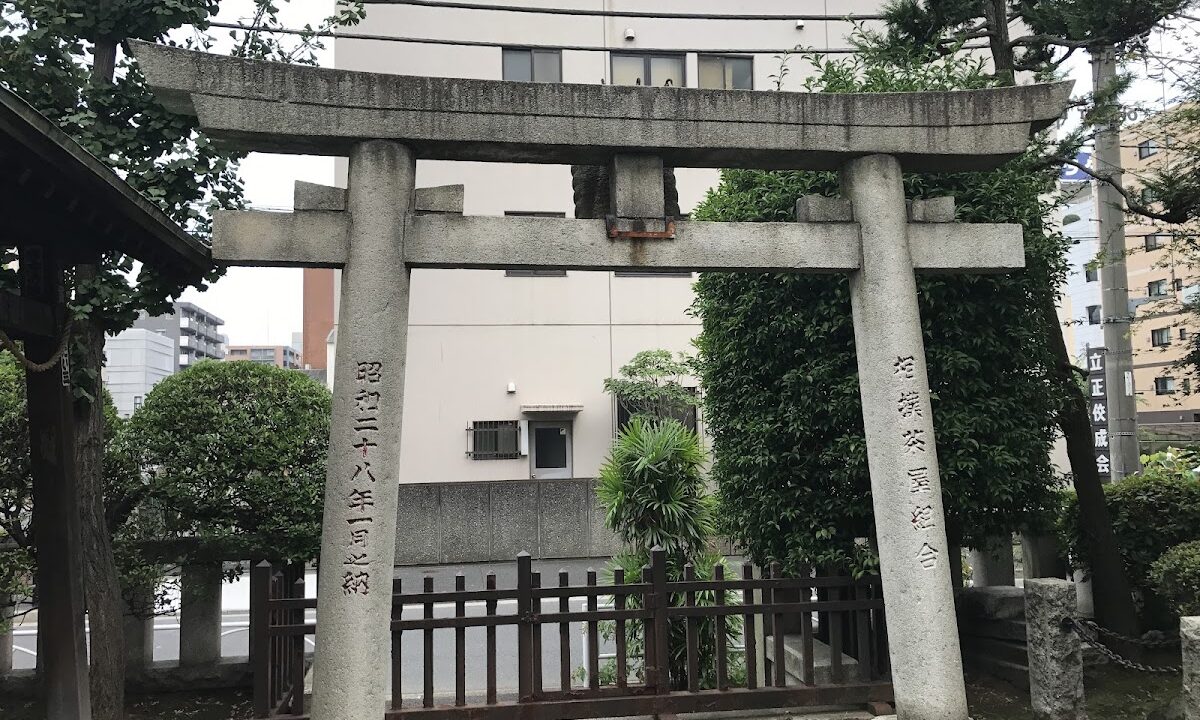
In June 1953 (Showa 28), thanks to the efforts of the Japan Sumo Association and sumo-related individuals, the Nomi no Sukune Shrine was rebuilt. The current shrine buildings were constructed at this time. Since then, it has been managed by the Japan Sumo Association and carefully preserved as an important sacred site in the sumo world.
About the enshrined deity, Nomi no Sukune
Nomi no Sukune as the founder of sumo
Nomi no Sukune is an ancient sumo wrestler who appears in the *Nihon Shoki* (Chronicles of Japan) and is revered as the founder of sumo. During the reign of Emperor Suinin (around 29 BC to 70 AD), Nomi no Sukune, who lived in Izumo Province (present-day Shimane Prefecture), faced Taima no Kehaya, who was hailed as the “unrivaled sumo wrestler in the world,” in a sumo match before the Emperor.
In this historic match, Nomi no Sukune defeated Taima no Kehaya, and this is considered the origin of sumo in Japan. Because of this story, Nomi no Sukune came to be worshipped as the god of sumo.
Aspect as the Ancestor of the Haji Clan
Besides his role as the founder of sumo wrestling, Nomi no Sukune had another important achievement: reforming the custom of ritual suicide.
At the time, when an emperor or nobleman died, there was a custom of burying their retainers alive. When the empress of Emperor Suinin died, Nomi no Sukune proposed replacing this cruel custom with the burial of clay figures (haniwa). Because of this achievement, Nomi no Sukune became the ancestor of the Haji clan and is revered as the founder of the clan involved in the production of haniwa during the Kofun period.
Relationship with Izumo Taisha Shrine
Nomi no Sukune was from Izumo Province and has deep ties to Izumo Taisha Shrine. The cooperation of Senke Sonfuku, the chief priest of Izumo Taisha Shrine, in the founding of Nomi no Sukune Shrine stems from this historical connection.
Highlights of the Shrine Grounds
Monument to Successive Yokozuna
The most noteworthy feature of the grounds of Nomi no Sukune Shrine is the “Monument to Successive Yokozuna.” This stone monument bears the names of all Yokozuna, from the first Yokozuna, Akashi Shiganosuke, to the current Yokozuna.
The monument was erected in 1960, and since then, the names of new Yokozuna have been added. For sumo fans, it is a precious place where they can see the names of great Yokozuna throughout history all in one place.
Standing before the monument, one can feel the weight of sumo’s long history and tradition. Finding the names of famous Yokozuna who graced their eras, such as Taiho, Kitanoumi, Chiyonofuji, Takanohana, Asashoryu, and Hakuho, is one of the pleasures of visiting.
Features of the Shrine Building
The shrine building of Nomi no Sukune Shrine has maintained a simple yet solemn appearance since its reconstruction in 1953. Although it is a small shrine, it is carefully managed by the Japan Sumo Association and is always kept clean.
In front of the shrine building, there are offerings and votive tablets related to sumo, showing the deep faith of sumo fans and sumo wrestlers.
Atmosphere of the Shrine Grounds
Despite its location in Ryogoku, a central Tokyo area, the grounds of Nomi no Sukune Shrine exude a tranquil atmosphere. As a shrine symbolizing sumo, a traditional Japanese culture, it possesses a unique and sacred atmosphere.
The grounds are not particularly large, but they are well-maintained and warmly welcome visitors. Especially during sumo tournaments and annual festivals, it is bustling with many sumo-related people and worshippers.
Dedication of the New Yokozuna’s Ring-Entering Ceremony
Dedication of the Ring-Entering Ceremony as a Traditional Event
One of the most important events at Nomi no Sukune Shrine is the dedication of the new Yokozuna’s ring-entering ceremony. It is customary for newly promoted sumo wrestlers to perform a ceremonial ring-entering ritual at Nomi-no-Sukune Shrine, in addition to the one performed at Meiji Jingu Shrine.
This is an important ceremony in which the new Yokozuna reports their promotion to Nomi-no-Sukune, the god of sumo, and pledges their continued dedication to their craft. The new Yokozuna, accompanied by a sword-bearer and dew-sweeper, performs either the Shiranui-style or Unryu-style ring-entering ritual.
Significance in the Sumo World
The ceremonial ring-entering ritual performed by a new Yokozuna holds significance beyond mere ceremonies. The rank of Yokozuna is the highest position in the sumo world, demanding not only technical skill but also dignity and character.
By performing the ceremonial ring-entering ritual at Nomi-no-Sukune Shrine, the new Yokozuna renews their awareness of their role as an inheritor of sumo’s long history and tradition, and expresses their respect for their predecessors. This ceremony symbolizes that sumo is not merely a sport, but a traditional culture with aspects of a Shinto ritual.
Annual Festivals and Events
May Festival
The annual festival of Nomi no Sukune Shrine is held every year in early May. This period coincides with the time before and after the Tokyo Grand Sumo Summer Tournament (May Tournament).
Many people attend the festival, including officials from the Japan Sumo Association, sumo wrestlers, stablemasters, and sumo fans. During the Shinto ritual, prayers are offered for the safety and success of the year’s sumo tournaments, and for the health and success of the sumo wrestlers.
Pre-Tournament Visits
Before the Tokyo Grand Sumo Tournaments (January and Summer Tournaments), many sumo wrestlers and stablemasters visit Nomi no Sukune Shrine. Especially before the January tournament, the shrine is bustling with worshippers offering New Year’s greetings and praying for success in the tournament.
By praying to the god of sumo, the wrestlers steel their resolve for the tournament.
Benefits and Proper Worship Etiquette
Benefits of Nomi no Sukune Shrine
Nomi no Sukune Shrine, dedicated to the god of sumo wrestling, is believed to offer the following benefits:
Improved Luck in Competitions: As it enshrines the founder of sumo, people pray for success in competitions. Athletes, students, business people, and others facing various “competitions” visit the shrine.
Prayers for Good Health: Many worshippers pray for a strong physique and good health, like that of a sumo wrestler.
Improvement in Skills: As the god of sumo, a skill in the arts, people pray for improvement in skills in various fields.
Protection from Evil and Good Fortune: Some worshippers seek the blessings of Nomi no Sukune, a symbol of great strength, to ward off evil and bring good fortune.
Proper Worship Etiquette
Worship at Nomi no Sukune Shrine follows the same etiquette as at any other shrine.
- Bow before passing through the torii gate.
- Purify your hands and mouth at the water basin (if available).
- Place your offering in front of the shrine building.
- Pray using the two bows, two claps, and one bow ritual.
- Bow again at the torii gate when leaving.
Sumo fans may also offer a prayer in front of the monument to past Yokozuna (grand champions) to show their respect to these great wrestlers.
Nearby Tourist Attractions
Ryogoku Kokugikan
Located about a 10-minute walk from Nomi no Sukune Shrine, Ryogoku Kokugikan is the sacred ground of sumo wrestling. It hosts three major sumo tournaments annually (January, May, and September) and also houses a sumo museum.
At the Sumo Museum, you can view valuable sumo-related materials such as the ceremonial aprons of past Yokozuna (grand champions) and ranking lists free of charge (a ticket is required during sumo tournaments).
Edo-Tokyo Museum
Located next to the Ryogoku Kokugikan (sumo arena), the Edo-Tokyo Museum is a large museum showcasing the history and culture of Tokyo from the Edo period to the present day. It features impressive exhibits, including life-size models of Nihonbashi Bridge and a traditional theater.
*Closed for major renovations since April 2022. Scheduled to reopen in 2025.
Eko-in Temple
Located about a 5-minute walk from Nomi-no-Sukune Shrine, Eko-in Temple is a historical temple where sumo performances were held during the Edo period. Within the temple grounds is the “Rikizuka,” a memorial monument to sumo-related figures, allowing visitors to experience the history of sumo.
Former Yasuda Garden
Located about a 5-minute walk from Ryogoku Station, the Former Yasuda Garden is a beautiful Japanese garden that retains the atmosphere of a daimyo (feudal lord) garden from the Edo period. As a tidal strolling garden, you can enjoy the scenery of each season. Admission is free.
Sumo Stables in Ryogoku
There are several sumo stables around Ryogoku, and some allow visitors to observe morning practice (prior confirmation is necessary). Takasago stable is known for its connection to Takasago Uragoro, who played a key role in the founding of Nomi no Sukune Shrine.
Goshuin (Shrine Seal) Information
About the Issuance of Goshuin
Nomi no Sukune Shrine issues goshuin, but because there is no resident priest, the issuance dates and times are limited. If you want to be sure to receive a goshuin, it is recommended to inquire by phone in advance.
The possibility of issuance is higher during special events such as annual festivals and sumo tournaments.
Features of the Goshuin
The goshuin of Nomi no Sukune Shrine has the shrine name and date of visit written in ink, and is stamped with the shrine’s seal. As a shrine dedicated to the god of sumo, this goshuin holds special significance for sumo fans. ## Best Time to Visit
During Grand Sumo Tournaments
The best time to visit Nomi no Sukune Shrine is during the Grand Sumo Tournaments held in Tokyo.
January Tournament: (Ryogoku Kokugikan)
Summer Tournament: (Ryogoku Kokugikan)
During this time, you can visit the shrine in conjunction with watching sumo matches at Ryogoku Kokugikan, fully experiencing the sumo atmosphere. You might even see sumo wrestlers or stablemasters visiting the shrine.
During the Annual Festival
Visiting during the annual festival in early May is also recommended. Shinto rituals are performed, and you can experience a special atmosphere with many sumo-related people gathered.
When a New Yokozuna is Born
When a new Yokozuna is born, a ceremonial ring-entering ceremony is held. Witnessing this precious opportunity allows you to experience the tradition and formality of sumo firsthand. Information on the birth of a new Yokozuna can be found on the Japan Sumo Association’s official website.
Points to Note and Etiquette When Visiting
Visiting Hours
Nomi no Sukune Shrine is an outdoor shrine and is generally open for worship 24 hours a day. However, please be quiet when visiting at night to avoid disturbing local residents.
Photography
Photography is generally permitted on the shrine grounds, but please be considerate of other worshippers and nearby residents. Especially when sumo wrestlers or those involved in sumo are visiting, please be mindful of their privacy.
Consideration for a Small Shrine
Nomi no Sukune Shrine is not a large tourist shrine, but a sacred place cherished by those involved in sumo. When visiting, it is important to do so quietly and with respect.
Please avoid shouting or running around the shrine grounds.
Summary: A Special Shrine Where You Can Experience Sumo Culture
Nomi no Sukune Shrine, located in Kamezawa, Sumida Ward, Tokyo, is the only shrine in Japan dedicated to Nomi no Sukune, the founder of sumo, and is an irreplaceable sacred site for the sumo world.
Founded in 1885 through the efforts of the first Takasago Uragoro and others, it has overcome difficulties such as the Great Kanto Earthquake and the Tokyo air raids, and was rebuilt in 1953. Currently managed by the Japan Sumo Association, it hosts important Shinto rituals, including the ceremonial ring-entering ceremony for new Yokozuna.
The monument to past Yokozuna wrestlers within the shrine grounds bears the names of all Yokozuna from the first to the current ones, offering a panoramic view of sumo’s long history.
Its location within walking distance of Ryogoku Kokugikan (the sumo arena) is also appealing, and visiting before or after a sumo match will allow you to understand and enjoy sumo culture more deeply.
For sumo fans, those praying for good fortune in competitions or good health, and anyone interested in traditional Japanese culture, Nomi no Sukune Shrine is a special place well worth visiting. When you visit Ryogoku, why not pay your respects to this god of sumo?
Access: 10-minute walk from Ryogoku Station on the JR Sobu Line and Toei Oedo Line
Location: 2-8-10 Kamezawa, Sumida-ku, Tokyo
Visiting Hours: Open all day (Please check for Goshuin stamp availability)
Admission Fee: Free