Complete Guide to Uka Hachimangu Shrine (Koto Ward, Tokyo) | History, Goshuin (Shrine Seal), Access, and Cultural Property Information
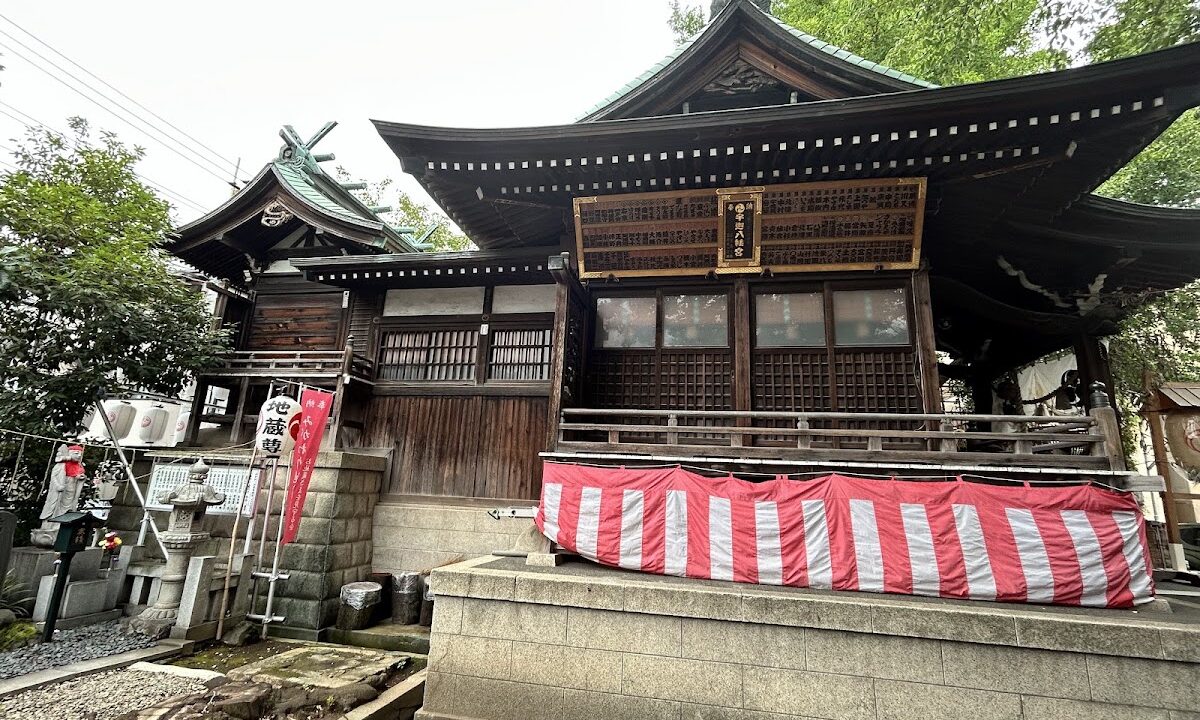
Uka Hachimangu Shrine, located in Senda, Koto Ward, Tokyo, is a historical shrine founded during the Kyoho era (1716-1736). It has the unusual form of enshrining both Inari and Hachiman deities, and has long been revered as the local tutelary deity. This article provides a detailed introduction to Uka Hachimangu Shrine, including its history, enshrined deities, goshuin (shrine seal), cultural properties, annual festival, and access information.
Basic Information on Uka Hachimangu Shrine
Uka Hachimangu Shrine is located at 12-8 Senda, Koto Ward, Tokyo. Its former shrine rank was unranked, and it is deeply rooted in the community as the guardian shrine of the former Senda Shinden (present-day Senda).
Location: 12-8 Senda, Koto-ku, Tokyo 135-0013
Deities Enshrined:
- Ukanomitama-no-Mikoto
- Emperor Ojin
Founded: Kyoho era (1716-1736)
Former Shrine Rank: Unranked Shrine
Ukanomitama-no-Mikoto is known as Inari-sama and is worshipped as the god of grain, agriculture, and business prosperity. Emperor Ojin is revered as Hachiman-sama, the god of military fortune, victory in competitions, and national peace. The enshrinement of these two deities is a major characteristic of Uka Hachiman-gu Shrine.
History and Origins of Uka Hachimangu Shrine
Development of Chida Shinden and Founding of the Shrine
The history of Uka Hachimangu Shrine dates back to the Kyoho era (1716-1736) in the mid-Edo period. Shōhei Chida, originally from Ōmi Province (present-day Shiga Prefecture), developed this land and established the village of Chida Shinden in Minami-Katsushika District, Musashi Province. Named “Chida” after his own name, this new settlement grew alongside the development of Edo.
Shōhei Chida, deeply reverent of the gods, built a shrine as the tutelary deity of the developed land. Although it was a small shrine at the time, this marked the beginning of the present-day Uka Hachimangu Shrine. Initially also known as “Chida Shrine,” it became a spiritual center for the local residents.
Senda Shinden Became the Territory of the Hitotsubashi Family
In 1797 (Kansei 9), the entire Senda Shinden area became the territory of the Hitotsubashi family and came to be known as “Hitotsubashi Territory of 100,000 Tsubo.” The Hitotsubashi family was one of the three main branches of the Tokugawa family, and this area was managed as an important territory by the Edo shogunate. During this period, the shrine also underwent development and established its position as a center of local faith.
Changes After the Meiji Era
In the Meiji era, the Shinto-Buddhist Separation Order led to the reform of the shrine system, but Uka Hachimangu Shrine continued to exist as an unranked shrine. Even as times changed through the Taisho and Showa eras, it was supported by the fervent faith of the local residents and continues to be revered as the guardian shrine of Senda to this day.
Details of the Deity and Benefits
Ukanomitama-no-Mikoto
Ukanomitama-no-Mikoto is a god of grain and food appearing in Japanese mythology. “Uka” means grain or food, and is widely worshipped throughout Japan as the principal deity of Inari shrines.
Benefits:
- Abundant harvest
- Business prosperity
- Industrial development
- Family safety
- Protection of clothing, food, and shelter
During the Edo period, when agriculture, centered on rice cultivation, flourished, worshipping Ukanomitama-no-Mikoto, the god of grain, held great significance in Chida, a newly developed rice field. Even today, many worshippers visit to pray for business prosperity and success.
Emperor Ojin
Emperor Ojin was the 15th Emperor of Japan and is enshrined as Hachiman-shin in Hachiman shrines throughout the country. He has a strong character as a god of war and is also known as the tutelary deity of the Minamoto clan.
Benefits:
- Long-lasting military fortune
- Improved luck in competitions
- Protection from evil
- National peace and security
- Career advancement and good fortune
By enshrining Inari and Hachiman deities together, Uka Hachiman Shrine has garnered unique faith in the region as a shrine where people can pray for both agricultural and commercial prosperity and the safety and development of the community.
Highlights and Cultural Properties within the Shrine Grounds
Hexagonal Stone Pagoda (Koto Ward Registered Cultural Property)
The most noteworthy cultural property within the grounds of Uka Hachiman Shrine is the hexagonal stone pagoda standing beside the main shrine building. This pagoda is approximately 3 meters tall and has a very rare hexagonal shape.
Features of the Stone Pagoda:
- Shape: Hexagonal
- Height: Approximately 3 meters
- Sculptures: Six Buddhas: Dainichi Nyorai, Amida Nyorai, Shakyamuni Buddha, Yakushi Nyorai, Kannon Bosatsu, and Seishi Bosatsu
- Inscription on the Pedestal: “Myoho-kekyo Senbu Kuyo-to” (Pagoda for the Recitation of 1000 Recitations of the Lotus Sutra)
- Designation: Koto Ward Registered Cultural Property
This stone pagoda is a valuable cultural property that conveys the remnants of the era of syncretism of Shinto and Buddhism. Since six Buddhas are carved into it, it is thought that each Buddha is positioned on a different side of the hexagon. The inscription, “Myoho-kekyo Senbu Kuyo-to,” suggests that it was erected to commemorate the recitation of the Lotus Sutra 1000 times.
Migawari Jizo-son (Substitute Jizo Bodhisattva)
Within the temple grounds, the “Migawari Jizo-son” is enshrined, and it is particularly known for attracting many worshippers seeking prayers for the repose of aborted or stillborn babies. This Jizo statue is believed to take on the suffering and sorrow of people, and a constant stream of worshippers can be seen quietly offering their prayers.
Shrine Building and Grounds
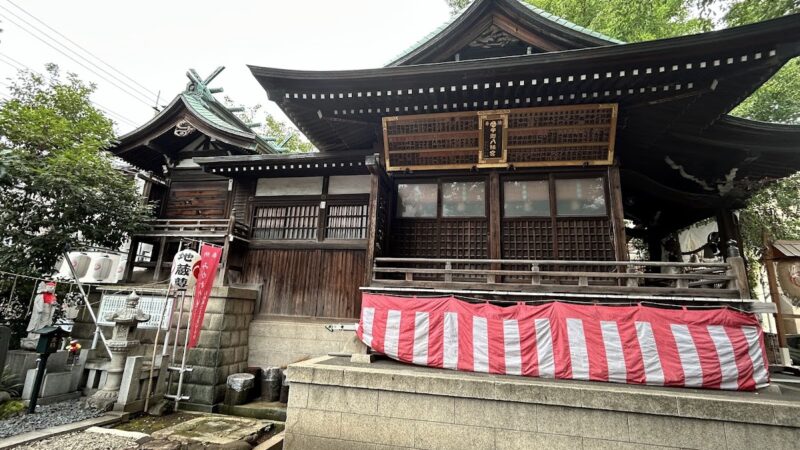
The current shrine building was constructed in modern times and, though small, is carefully maintained. The grounds, while located in a residential area, maintain a tranquil atmosphere and serve as a place of relaxation for local residents.
Goshuin (Shrine Seal) and Goshuincho (Shrine Seal Book) Information
About Goshuin
Uka Hachimangu Shrine offers Goshuin (shrine seals). Many worshippers receive a Goshuin as a memento of their visit and as proof of their connection to the shrine.
Features of the Goshuin (Shrine Seal):
- Ink Inscription: “Uka Hachimangu Shrine”
- Red Seal: The shrine’s official seal will be stamped.
- Offering Fee: Similar to other shrines (approximately 300-500 yen)
When requesting a Goshuin, please speak to the shrine office after completing your prayers. Since shrine staff may be absent, it is recommended to check the visiting hours in advance.
About Goshuincho (Shrine Seal Books)
It is recommended to check before visiting whether Uka Hachimangu Shrine has its own original Goshuincho. Enjoying a Goshuin pilgrimage by visiting other shrines in Koto Ward is also a good idea.
Annual Festival and Rituals
Annual Festival (Mid-August)
The annual festival of Uka Hachimangu Shrine is held every year in mid-August. As a summer tradition in the area, the entire town participates in making the festival a lively event.
Main Contents of the Annual Festival:
- Mikoshi Procession
- Dedication Ceremonies
- Festival Celebration by Local Residents
- Stalls (Varies by Year)
The Annual Festival is an important event that connects the community of the Chida area and serves as a place for intergenerational exchange. The sight of the mikoshi parading through the community is a precious spectacle that conveys a tradition that has continued since the Edo period.
Annual Events
In addition to the Annual Festival, various Shinto rituals are held throughout the year, such as the New Year’s visit and the Setsubun Festival. As the local tutelary deity, the shrine also accepts prayers and expressions of gratitude at important life events.
Access Methods
Access by Train
Uka Hachimangu Shrine is easily accessible by public transportation.
Nearest Stations:
- Approximately 10-12 minutes on foot from Sumiyoshi Station (Tokyo Metro Hanzomon Line/Toei Shinjuku Line)
- Approximately 15 minutes on foot from Nishi-Ojima Station (Toei Shinjuku Line)
Directions from Sumiyoshi Station:
- Exit Sumiyoshi Station from Exit A1
- Head south
- Cross the Onagigawa River
- The shrine is located in a residential area immediately after crossing the river
The Onagigawa River flows east-west south of Sumiyoshi Station, and Uka Hachimangu Shrine is located immediately after crossing the river. Enjoying a walk along the river is recommended.
Access by Car
If visiting by car, access is possible from the Metropolitan Expressway and major roads, but there may not be a dedicated parking lot on the shrine grounds, so you will need to use a nearby coin parking lot. Since it is located in a residential area, please be considerate of the local residents when visiting.
Nearby Attractions and Shrines/Temples
Sarue Onshi Park
Sarue Onshi Park, located within walking distance of Uka Hachimangu Shrine, is one of Koto Ward’s representative parks. Its vast grounds feature various facilities, making it ideal for a stroll after visiting the shrine.
Kameido Tenjin Shrine
Kameido Tenjin Shrine, known as the shrine of the god of learning, is also nearby. It’s famous for its plum blossoms and wisteria, offering beautiful scenery throughout the seasons.
Temples and Shrines in the Fukagawa Area
Koto Ward boasts many historical temples and shrines, including Fukagawa Fudodo and Tomioka Hachimangu Shrine. Visiting them together with Uka Hachimangu Shrine will allow you to gain a deeper understanding of Edo/Tokyo’s history and culture.
Manners and Points for Visiting a Shrine
Basic Worship Etiquette
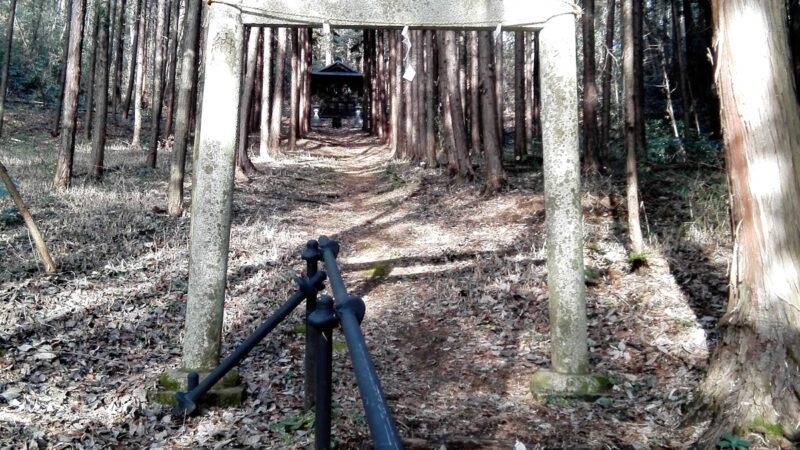
- Bow before passing through the torii gate: This is a courtesy when entering the sacred area.
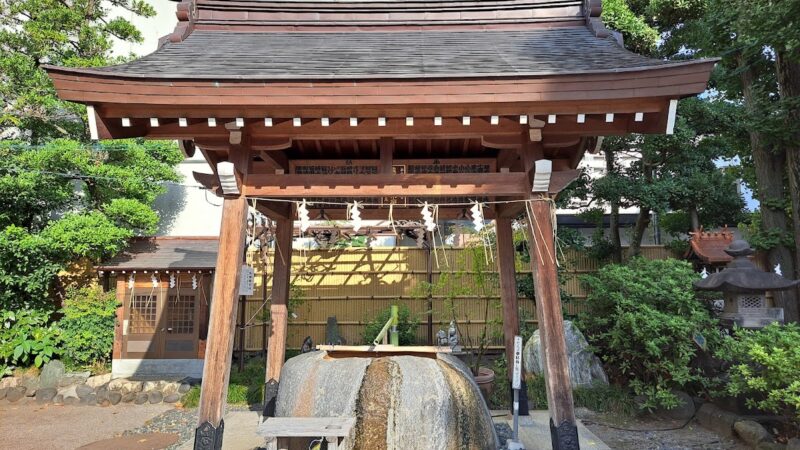
- Purify yourself at the water basin: Purify your left hand, then your right hand, then your mouth.
- Offer your donation: Place your donation quietly into the offering box.
- Two bows, two claps, one bow: This is the basic etiquette for visiting a shrine.
- Bow after leaving the torii gate: This expresses gratitude when leaving the sacred area.
Points to Note During Your Visit
- Since the shrine is located in a residential area, please refrain from speaking loudly.
- When taking photographs, please be considerate of other worshippers.
- Always take your trash with you.
- When requesting a Goshuin (shrine stamp), please do so after completing your prayers.
The Charm of Uka Hachimangu Shrine
A Faith Rooted in the Community
The greatest appeal of Uka Hachimangu Shrine lies in its nearly 300-year history of being revered as the local tutelary deity. While not a large shrine, it maintains deep ties with the local community.
Cultural Assets Conveying the History of Shinto-Buddhist Syncretism
The hexagonal stone pagoda is a valuable cultural asset that conveys the form of faith from the era of Shinto-Buddhist syncretism. This pagoda, possessing Buddhist elements despite being a Shinto shrine, is an interesting structure for considering the history of Japanese religion.
Joint Enshrinement of Inari and Hachiman
The joint enshrinement of Inari and Hachiman, two deities with separate worship traditions, is a unique characteristic of this newly developed land. As a shrine where prayers for agricultural prosperity and regional safety can be offered simultaneously, it has fostered a unique form of faith.
Summary
Uka Hachimangu Shrine is a historical shrine located in Senda, Koto-ku, Tokyo. Founded during the Kyoho era by Shohei Chida, Ukanomitama-no-Mikoto and Emperor Ojin are enshrined as the deities.
Within the grounds stands a hexagonal stone pagoda, a registered cultural property of Koto Ward, preserving the faith of the era of syncretism between Shinto and Buddhism. Many worshippers visit the Migawari Jizo statue to pray for the repose of their unborn children.
The annual grand festival, held in mid-August, is an important local event, featuring traditional rituals such as a portable shrine procession.
Access is convenient, approximately a 10-12 minute walk from Sumiyoshi Station on the Tokyo Metro Hanzomon Line and Toei Shinjuku Line. Goshuin (temple stamps) are available, so please be sure to get one as a memento of your visit.
Nestled quietly in a residential area, Uka Hachimangu Shrine offers a precious space for peaceful worship away from the hustle and bustle of the city. When visiting Koto Ward, please be sure to stop by. The history of faith deeply rooted in the community and the tranquil atmosphere of the temple grounds will surely soothe your soul.