Complete Guide to Shinobu Sonku Shrine (Koto Ward, Tokyo) | History, Goshuin (Shrine Seal), and Access Information Related to Tokugawa Tsunayoshi
Shinobu Sonku Shrine, located in Kitasuna, Koto Ward, Tokyo, is a historic shrine dating back to the early Edo period. As a venerable shrine where the “Shinobu Shrine” and “Sonku Shrine,” both named by Tokugawa Tsunayoshi, are enshrined together, it is cherished as the local guardian deity. This article provides detailed information you should know before visiting, including the history of Shinobu Sonku Shrine, its enshrined deities, highlights, goshuin (shrine seal), and access methods.
Basic Information about Shinobu Sonku Shrine
Official Name: Shinobu Sonku Shrine
Location: 2-1-37 Kitasuna, Koto-ku, Tokyo
Shrine Rank: Former Village Shrine
Nearest Station:
- Approximately 10-minute walk from Nishi-Ojima Station on the Toei Shinjuku Line
- Approximately 12-minute walk from Minami-Sunamachi Station on the Tokyo Metro Tozai Line
- Approximately 15-minute walk from Toyocho Station on the Tokyo Metro Tozai Line
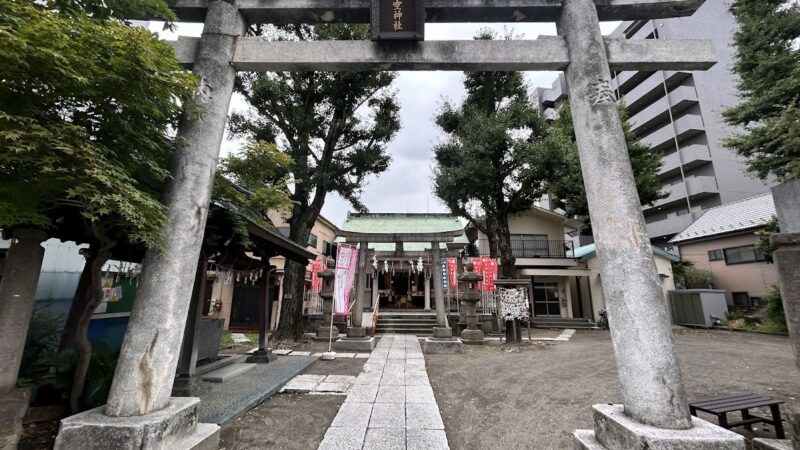
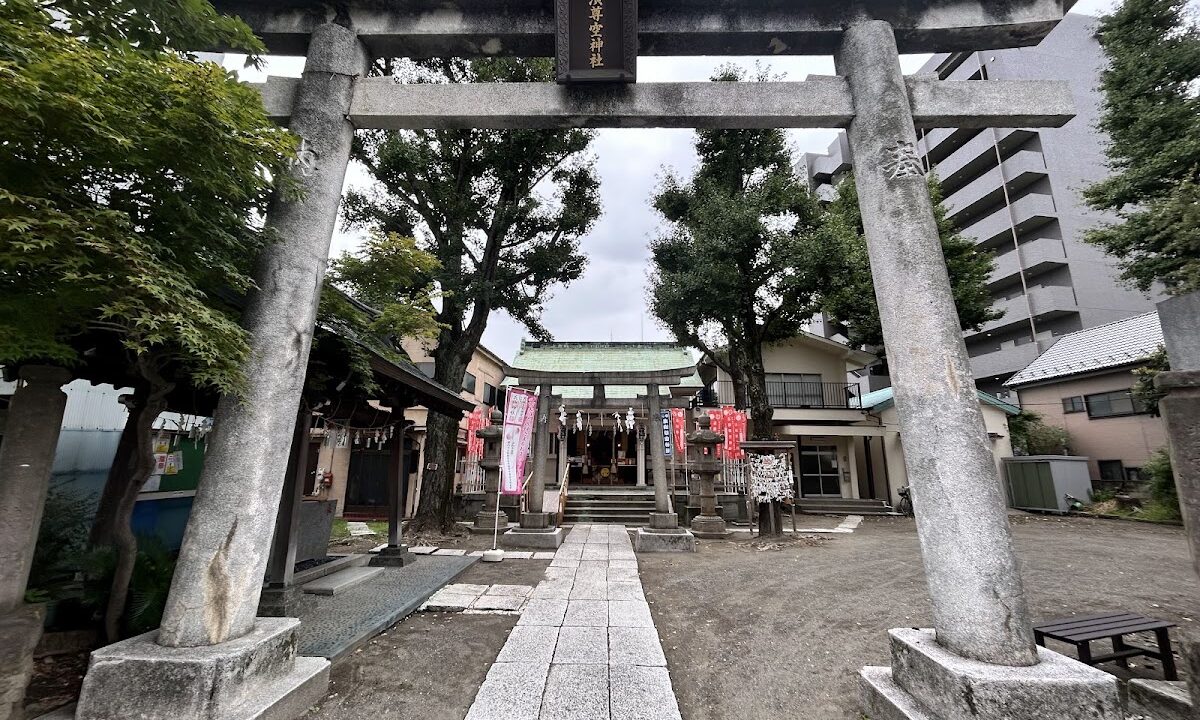
Shinobu Sonku Shrine is located in a residential area of Kitasuna, Koto-ku, and is a shrine that attracts the faith of local residents. The shrine grounds have a quiet and peaceful atmosphere, providing a space where one can pray peacefully away from the hustle and bustle of the city.
Deities Enshrined at Shinobu Sonku Shrine
The following deities are enshrined at Shinobu Sonku Shrine.
- Ukanomitama-no-Mikoto: The god of abundant harvests and business prosperity, known as Inari Okami
- Susanoo-no-Mikoto: The god of protection against misfortune and disaster
- Prince Sonku: A high-ranking priest of imperial lineage
- Izanami-no-Mikoto: The goddess of creation
- Tachikarao-no-Mikoto: The god of strength
These enshrined deities are believed to bring various blessings, including abundant harvests, business prosperity, protection from misfortune, and good fortune.
History of Shien Sonku Shrine
Founding and the Era of Fukagawa Inari (Kanei 1, 1624)
The history of Shien Sonku Shrine dates back to Kanei 1 (1624). During the development of Karashima in Fukagawa-go, Sugawara Nagahiro (a 22nd-generation descendant of Sugawara no Michizane) visited the area and, at the request of the villagers, invited Inari Okami as the tutelary deity of Hachiemon Shinden in Onagi Village.
Initially founded as “Fukagawa Inari,” it was revered by the local residents as the tutelary deity of the land. The fact that it was founded by a descendant of Sugawara no Michizane speaks to the high status of this shrine.
Named by Tokugawa Tsunayoshi (Genroku Era)
During the Genroku era (1688-1704), Tokugawa Tsunayoshi, the 5th shogun of the Edo shogunate, stopped by the shrine on his way to a falconry expedition. At that time, Tsunayoshi was impressed by the villagers’ deep faith and praised them, saying, “It is truly remarkable how the people demonstrate their aspirations.” He then renamed the shrine “Shien Shrine.” This naming is a great honor, as it signifies the shogun himself recognizing the significance of the shrine and bestowing a name upon it. It is a significant event in the history of Shien Shrine.
Alternative Name: “Goma no Inari”
During the Edo period, when an epidemic broke out, Shien Shrine performed a goma (fire ritual) to ward off disease. Because of this event, the shrine became affectionately known locally as “Goma no Inari”. This history of performing the goma ritual to pray for the eradication of disease demonstrates the shrine’s role in protecting the health and safety of the local people.
Merger with Sonku Shrine (Post-War)
The current name, Shien Sonku Shrine, comes from the merger of Shien Shrine and Sonku Shrine after the war. Sonku Shrine is dedicated to Prince Sonku, and the merger of the two shrines resulted in a shrine that enshrines a greater number of deities.
This merging of Inari worship and the beliefs associated with the Imperial family merged, forming the unique form of worship at the present-day Shien Sonku Shrine.
Highlights of Shien Sonku Shrine
The Oldest Power Stone in Tokyo
Within the grounds of Shien Sonku Shrine, the oldest power stone in Tokyo is preserved. A power stone is a stone used by young men to compete in strength contests during the Edo period, and it is a valuable cultural asset that conveys the popular culture of that time.
This power stone is an important historical artifact that evokes the vibrant atmosphere of the Fukagawa area during the Edo period, and is one of the highlights that visitors should definitely pay attention to. From the power stone quietly standing in the shrine grounds, you can feel the activities of people from hundreds of years ago.
Atmosphere of the Shrine and Grounds
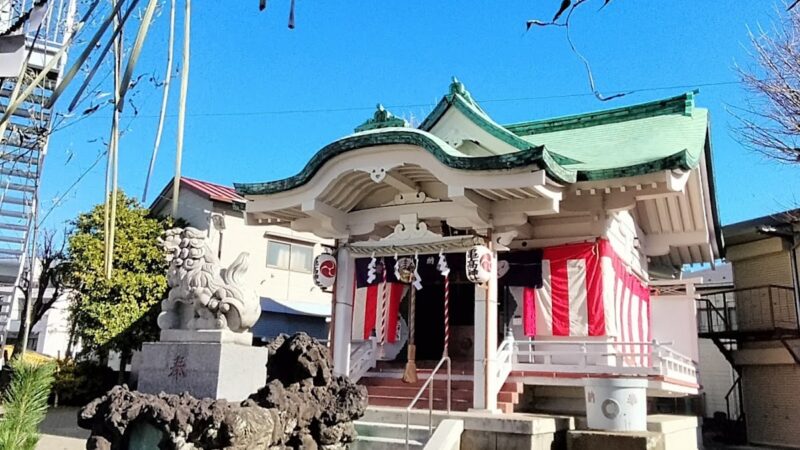
The shrine building of Shien Sonku Shrine maintains the style of traditional shrine architecture while exhibiting a warm, community-rooted atmosphere. The grounds are neatly maintained and have a clean feel.
Despite being located in a residential area, stepping onto the shrine grounds reveals a tranquil atmosphere, allowing for peaceful worship. Such a quiet space for prayer is precious, especially in the heart of metropolitan Tokyo.
Symbol of Inari Worship
Shien Sonku Shrine is dedicated to Inari Okami, and elements related to Inari worship can be seen within the grounds. You’ll find the characteristic vermilion color of Inari shrines, and worshippers praying for business prosperity and abundant harvests.
Information on Shien Sonku Shrine’s Goshuin (Shrine Seal)
Shien Sonku Shrine offers Goshuin (shrine seals). Goshuin are popular among worshippers as a memento of their visit and as proof of their faith.
Features of the Goshuin
The Goshuin at Shien Sonku Shrine includes the shrine’s name and date of visit, along with the shrine’s seal. Its simple yet dignified design makes it a desirable addition to any Goshuin collection.
Points to Note When Receiving a Goshuin (Shrine/Temple Stamp)
When receiving a Goshuin, please note the following:
- Receive the Goshuin after completing your prayers.
- Bring your Goshuincho (stamp book) (check in advance if you don’t have one).
- Prepare the offering fee (usually around 300-500 yen).
- Check the shrine office’s opening hours in advance.
Remember that a Goshuin is not just a stamp rally, but proof of your visit to the shrine. It is important to receive it with respect.
How to Access Shien Sonku Shrine
Access by Train
There are several train stations near Shien Sonku Shrine.
From Nishi-Ojima Station on the Toei Shinjuku Line
- Approximately 10 minutes on foot
- Exit from Exit A3, head north on Meiji-dori towards the Kita-Sunamachi 2-chome intersection.
From Minami-Sunamachi Station on the Tokyo Metro Tozai Line
- Approximately 12 minutes on foot
- Head northwest from Minami-Sunamachi Station, passing through the residential area.
From Toyocho Station on the Tokyo Metro Tozai Line
- Approximately 15 minutes on foot
- Head east from Toyocho Station, via Eitai-dori.
Access by Bus
You can also use Toei Bus and Toei Bus routes. It’s a few minutes’ walk from the nearest bus stop. If using the bus, it’s recommended to check the routes and timetables in advance.
Access by Car and Parking
If you are visiting by car, there may not be a dedicated parking lot at the shrine. It is recommended to use nearby coin parking or public transportation. The residential area of Kita-Sunamachi in Koto Ward has some narrow roads, so caution is required when driving.
Maps and Navigation
Nowadays, you can easily find the exact route to Shien Sonku Shrine using a smartphone map app. Searching for “Shien Sonku Shrine” or the address “2-1-37 Kitasuna, Koto-ku, Tokyo” will display the route from your current location.
Annual Events at Shien Sonku Shrine
The shrine holds various festivals throughout the year.
Annual Grand Festival
As the local guardian shrine, the annual grand festival is held. During the festival, a portable shrine is carried out, and local residents come together to worship the deity. The festival date may vary from year to year, so it is recommended to check in advance.
New Year’s Visit
Many worshippers visit the shrine for their first shrine visit of the new year. As the local guardian shrine, it is bustling with people praying for safety and prosperity throughout the year.
Other Annual Events
Traditional Japanese Shinto rituals such as the Setsubun Festival and the Summer Purification Ceremony are also held. Participating in these events allows you to experience Japanese traditional culture more deeply.
Attractions around Shien Sonku Shrine
Other Shrines and Temples in Koto Ward
Koto Ward has many historical shrines and temples. After visiting Shien Sonku Shrine, we recommend a “shrine and temple tour” of the surrounding temples and shrines.
- Kameido Tenjin Shrine: A famous shrine dedicated to Sugawara no Michizane, the god of learning
- Tomioka Hachimangu Shrine: Known as the largest Hachiman shrine in Edo
- Fukagawa Fudodo: Tokyo branch temple of Naritasan Shinshoji Temple
Tourist Spots in Koto Ward
There are also many tourist spots unique to Koto Ward scattered around Shien Sonku Shrine.
- Kiyosumi Garden: A beautiful Japanese garden designated as a Tokyo Metropolitan Scenic Spot
- Kiba Park: A vast urban park
- Fukagawa Edo Museum: A recreation of the townscape of Fukagawa during the Edo period
Gourmet Spots
Koto Ward is an area full of old-town charm and boasts a wealth of delicious restaurants. Enjoying local cuisine before or after your visit to the shrine is highly recommended.
Manners and Etiquette for Shrine Visits
There are basic manners and etiquette to observe when visiting a shrine.
How to Pass Through a Torii Gate
The torii gate is the entrance to the sacred area. Bow before passing through the torii gate, and avoid walking in the center of the path (the center is considered the path of the gods).
Proper Ritual for Washing Hands
- Hold the ladle in your right hand and wash your left hand.
- Switch the ladle to your left hand and wash your right hand.
- Switch the ladle back to your right hand, receive water in your left hand, and rinse your mouth.
- Wash your left hand once more.
- Hold the ladle upright, wash the handle, and return it to its original position.
Proper Ritual for Worshiping at the Main Hall
- Gently place your offering in the offering box.
- If there is a bell, ring it.
- Perform two bows, two claps, and one bow (bowing deeply twice, clapping twice, bowing deeply once).
- Be specific with your wishes, and don’t forget to express your gratitude.
Faith and Benefits of Shien Sonku Shrine
Abundant Harvest and Business Prosperity
The main deity, Ukanomitama-no-Mikoto (Inari Okami), is widely worshipped as the god of abundant harvests and business prosperity. Many worshippers visit this shrine to pray for business development and prosperity.
Protection from Misfortune and Disaster
Susanoo-no-Mikoto is known as the god of protection from misfortune, and his history of performing goma (fire rituals) to ward off epidemics suggests that he also offers blessings for health and protection from disaster.
Good Fortune and Prosperity
By enshrining multiple deities, the shrine is believed to offer comprehensive blessings for good fortune and prosperity. It is also suitable for worship at life’s milestones and when starting something new.
Shien Sonku Shrine and the Local Community
Shien Sonku Shrine has played a central role in the local community as the tutelary shrine of the Kitasuna area in Koto Ward. Throughout its long history dating back to the Edo period, the shrine has remained a spiritual anchor for local residents.
Even today, it serves as a place to deepen the bonds of local residents through its annual festival and various events. In urbanizing Tokyo, the preservation of such a traditional community space is invaluable.
Cultural Value of Shien Sonku Shrine
Shien Sonku Shrine possesses significant cultural value in understanding the history of Koto Ward.
Historical Value
With its long history dating back to its founding in 1624 (Kanei 1), its connection to the Shogunate through its naming by Tokugawa Tsunayoshi, and its origins as a shrine founded by a descendant of Sugawara no Michizane, it is a valuable site that conveys the history of the Edo period.
Folkloric Value
The shrine preserves important folkloric materials that convey the popular culture and beliefs of the Edo period, such as the oldest power stone in Tokyo and its alternative name, “Goma no Inari” (Sesame Inari).
Regional Historical Value
The history of Shien Sonku Shrine is an indispensable element in understanding the development history of the Fukagawa area and the history of the development of Koto Ward.
Best Season for Visiting
Shien Sonku Shrine can be visited throughout the year, but each season offers a different charm.
Spring (March-May)
This season boasts pleasant weather and beautiful fresh greenery. Many visitors come to pray for a fresh start, coinciding with the beginning of the new fiscal year.
Summer (June-August)
This is the time when the annual festival is held (depending on the shrine), and the region is at its most vibrant. Shinto rituals such as the Summer Purification Ceremony are also performed.
Autumn (September-November)
The weather is pleasant, making it an ideal season for visiting the shrine. It’s also a suitable time to offer prayers of gratitude for the harvest.
Winter (December-February)
The shrine is bustling with many visitors during the New Year’s visit period. For a quieter visit, mid-January onwards is recommended.
Summary
Shien Sonku Shrine (Koto Ward, Tokyo) is a historical shrine founded in 1624 (Kanei 1). This shrine boasts numerous points of interest and historical value, including its founding by Sugawara no Nagahiro, a descendant of Sugawara no Michizane; its name given by Tokugawa Tsunayoshi; its nickname “Goma no Inari” (Sesame Inari), where a goma fire ritual was performed to ward off disease; and the oldest power stone in Tokyo.
Located in Kitasuna, Koto Ward, it is accessible from Nishi-Ojima Station on the Toei Shinjuku Line and Minami-Sunamachi Station on the Tokyo Metro Tozai Line. The main deity enshrined here is Inari Okami, and it is believed to bring blessings of abundant harvests, business prosperity, protection from evil, and good fortune.
Since you can also receive a goshuin (shrine stamp), it is recommended for those who enjoy visiting shrines. Why not visit Shien Sonku Shrine, a beloved local guardian shrine that preserves a history of faith dating back to the Edo period?
Taking time to calm your mind in the tranquil grounds, reflecting on centuries of history, and offering your daily gratitude and prayers to the gods will be a precious moment in your busy modern life.