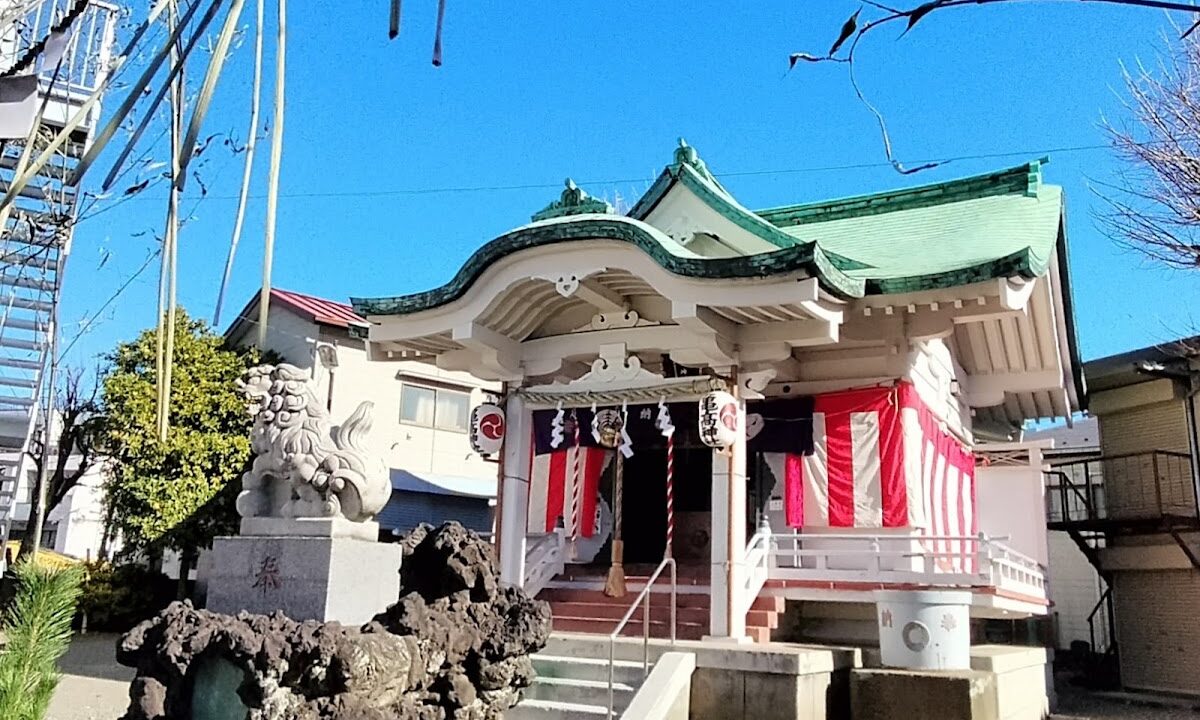
Kametaka Shrine (Koto Ward, Tokyo) Complete Guide | Goshuin (Shrine Seal), History, and Access Information
Kameka Shrine, located in Kitasuna, Koto Ward, Tokyo, is a historic shrine founded during the Kan’ei era in the early Edo period. It boasts a history of being visited by the eighth shogun, Tokugawa Yoshimune, during a falconry expedition, and has been cherished by the local community. This article comprehensively introduces all the information you need for your visit to Kametaka Shrine, including detailed information on goshuin (shrine seals), access methods, and highlights.
Basic Information about Kametaka Shrine
Location: 4-25-15 Kitasuna, Koto-ku, Tokyo
Phone Number: 03-3645-0816
Deity Enshrined: Ukanomitama-no-Mikoto / Inari-no-Mikoto
Former Shrine Rank: Village Shrine
Annual Festival: May 15th (Spring Festival), September 15th (Autumn Festival)
Nearest Station: Tokyo Metro Tozai Line “Minamisunamachi Station” / “Oshima Station”
Kametaka Shrine is a shrine that has gathered local faith as the guardian shrine of the former Kametaka Shinden Village (Kametaka Village). It enshrines Inari, the god who presides over abundant harvests, and has watched over the development of agriculture in the region and the peace and well-being of its residents.
History and Origins of Kametaka Shrine
Circumstances of Founding
Kametaka Shrine is believed to have been founded at the beginning of the Kan’ei era (1624-1644). During this period, the area was being developed as Kametaka Shinden, and the settlers enshrined Inari, the god of rice, to pray for a bountiful harvest. This is the origin of Kametaka Shrine.
New land development was one of the important policies of the Edo period, and Kametaka Shinden was developed as part of this effort. Those involved in the development built the shrine in this place, hoping for agricultural success and the prosperity of the region.
Visit of Tokugawa Yoshimune
A noteworthy point in the history of Kametaka Shrine is the record of the visit of the eighth shogun, Tokugawa Yoshimune, on November 21, 1741 (Kanpo 1). It is said that Yoshimune stopped by the house of a farmer named Jirobei (or Jihei) during a falconry expedition and visited the shrine at that time.
Tokugawa Yoshimune was a renowned ruler known for the “Kyoho Reforms,” and a shogun who also showed concern for the lives of ordinary people. His personal visit to the shrine was a great source of pride for the villagers at the time, and this event is still recounted today.
War Damage and Reconstruction
On March 10, 1945, Kametaka Shrine was destroyed in the Great Tokyo Air Raid. According to the “History of Sunamachi Ginza,” many buildings, including the shrine itself, were lost in the air raid. However, a temporary shrine was built immediately after the war, maintaining its function as a place of worship for the community.
In 1963, the local Jishi Inari Shrine was merged with the Kametaka Shrine, and the shrine’s name was changed from “Kametaka Inari Shrine” to “Kametaka Shrine.” Then, in 1968, the current shrine building was completed, and it remains so to this day.
About the Deity
The deity enshrined at Kametaka Shrine is Ukanomitama-no-Mikoto. It is also written as Kura-Inari-no-Mikoto.
Ukanomitama-no-Mikoto is a god of grain and food appearing in Japanese mythology, and is worshipped as Inari-no-Kami at Inari shrines throughout Japan. In the Kojiki, it is recorded that this god was born to Susanoo-no-Mikoto and Kami-Oichihime, and is believed to bestow blessings such as abundant harvests, business prosperity, and family safety.
During the Edo period, when agriculture was the main industry, it was common to worship Inari-no-Kami in newly developed rice fields, and Kametaka Shrine was founded in accordance with this tradition. Even today, it continues to be revered as a god protecting the lives of local residents.
Highlights of the Shrine Grounds
Shrine Building
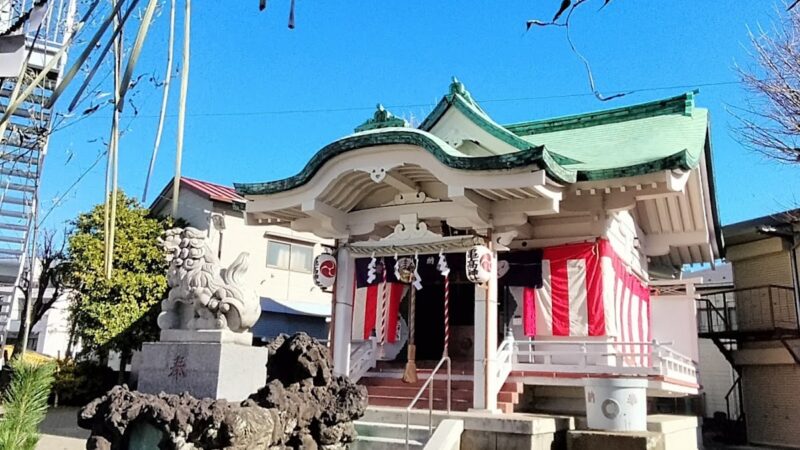
The current shrine building was completed in 1968 (Showa 43), and is a structure symbolizing post-war reconstruction. This shrine boasts traditional wooden architecture with a main hall and worship hall, and its well-maintained grounds offer a peaceful welcome to visitors.
Long Approach
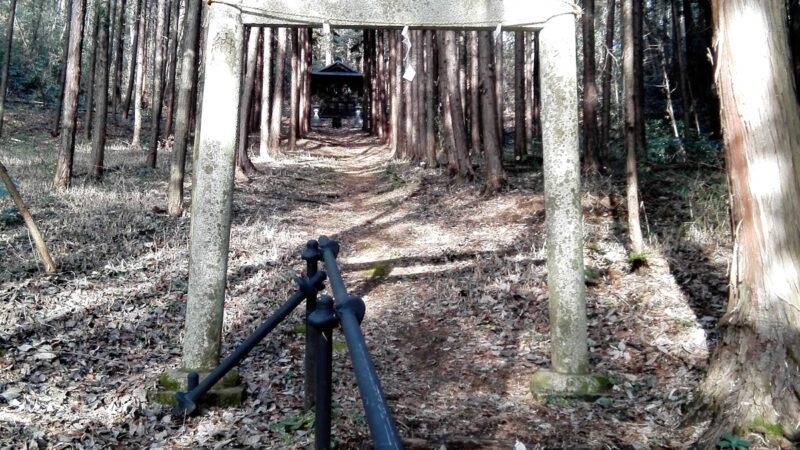
One of the distinguishing features of Kametaka Shrine is its relatively long approach. Unusually for a shrine in an urban area, visitors can stroll leisurely along this path to the main hall. This approach is also a popular walking route for local residents, and visitors and strollers can be seen along it in the mornings and evenings.
Komainu (Guardian Lion-Dogs)
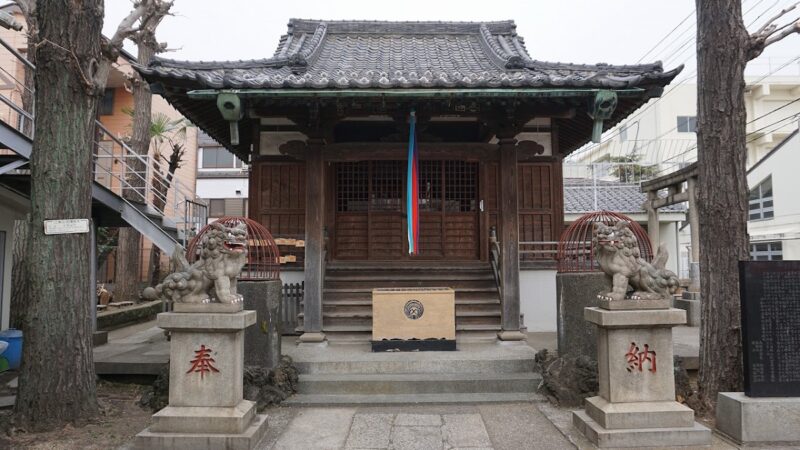
Two pairs of komainu (guardian lion-dogs) are enshrined on the grounds. Particularly noteworthy are the komainu with their magnificent pedestals; their aesthetic beauty and presence captivate visitors. The expressions and craftsmanship of the komainu evoke a sense of history, making them a popular spot for photography.
Monument to the War Dead
A monument to the war dead, made from a cannonball from the First Sino-Japanese War, stands on the grounds. This is a valuable historical site that conveys the pre-war context and is an important cultural asset for understanding the history of the region.
Hyakudo-ishi (Hundred-Time Stone)
The Hyakudo-ishi, a stone remaining from before the war, still exists on the shrine grounds. Used as the starting point for the Hyakudo-mairi (hundred-time pilgrimage), this stone is a valuable relic that conveys the form of faith of the past.
Goshuin (Shrine Seal) Information
About the Issuance of Goshuin
Kameko Shrine offers Goshuin. However, please note the location and time of issuance.
Location: Community center on the shrine grounds
Hours: Specific hours on weekdays (closed Wednesdays, Sundays, and public holidays)
Offering Fee: Typical amount (around 300-500 yen)
Those wishing to receive a Goshuin are advised to confirm in advance by phone (03-3645-0816). Since there may not always be a resident priest, prior contact is recommended to ensure you receive one.
Goshuin Design
Kameko Shrine’s Goshuin features a simple yet powerful ink calligraphy design. The shrine name and date of visit are recorded, and a red seal is stamped. While direct writing in the goshuincho (stamp book) is the standard, in some cases, a pre-printed stamp may be provided.
Access Methods
Access by Train
The Tokyo Metro Tozai Line is the most convenient way to reach Kametaka Shrine.
From Minami-Sunamachi Station
Nearest Station: Tokyo Metro Tozai Line “Minami-Sunamachi Station”
Travel Time: Approximately 18 minutes on foot (approximately 1.3 km)
Route: Proceed straight north from Exit 2a
Minami-Sunamachi Station is a major access point to Kametaka Shrine. The most common route is to walk north from the station, passing through the Sunamachi Ginza shopping street. You can enjoy shopping and dining along the way, combining your visit with a stroll through the shopping street.
From Oshima Station
Nearest Station: Toei Shinjuku Line “Oshima Station”
Travel Time: Approximately 15-20 minutes on foot
Access is also possible from Oshima Station. This route is also within walking distance, but it is slightly longer than the route from Minami-Sunamachi Station.
Access by Bus
Toei Bus and Keisei Bus routes are also available. The nearest bus stops are “Kita-Sunamachi 4-chome” and “Sunamachi Ginza.” It is recommended to check the bus timetable in advance.
Access by Car
Parking: There is no dedicated parking lot on the shrine grounds.
If you are visiting by car, you will need to use a nearby coin parking lot. There are several parking lots around Sunamachi Ginza Shopping Street, but they are often crowded on holidays, so using public transportation is recommended.
Nearby Attractions
Sunamachi Ginza Shopping Street
Sunamachi Ginza Shopping Street, located within walking distance of Kametaka Shrine, is one of Tokyo’s representative downtown shopping streets. The approximately 670-meter-long arcade street boasts around 180 shops, creating a vibrant and lively atmosphere.
The shopping street offers a diverse range of goods at reasonable prices, including prepared foods, fresh fish, fruits and vegetables, and Japanese sweets, attracting shoppers from both the local area and further afield. It’s especially bustling on weekends, making it a popular spot to experience the warmth and energy of a traditional downtown area.
A recommended itinerary is to visit Kametaka Shrine and then enjoy street food and shopping in Sunamachi Ginza Shopping Street.
Nearby Shrines and Temples
In addition to Kametaka Shrine, several other shrines and temples are scattered throughout the Kitasuna area of Koto Ward.
- Jihei Inari Shrine: An Inari shrine historically related to Kametaka Shrine.
- Other Local Shrines: Several small shrines are within walking distance, allowing visitors to enjoy shrine hopping.
Annual Events and Festivals
Spring Festival (May 15th)
The Spring Festival, held annually on May 15th, is an important festival praying for a bountiful harvest and the safety of the community. Local residents participate, and the Shinto rituals are conducted solemnly.
Autumn Festival (September 15th)
The Autumn Festival, held on September 15th, is a festival expressing gratitude for the harvest. Along with the Spring Festival, it is an important annual event cherished by the local people.
Mikoshi Procession
At Kametaka Shrine, a mikoshi procession takes place once every four years in August. This festival is the largest event in the region, and is held grandly with many parishioners and participants gathering. The sight of the portable shrine parading through the community is breathtaking, offering a precious opportunity to experience Edo-period festival culture.
Manners and Etiquette for Worship
Basic Worship Etiquette
- Bow before passing through the torii gate: As a sign of respect before entering the sacred area, bow before the torii gate.
- Walk along the edge of the path: The center of the path is considered the path of the gods, so walk along the edge.
- Purify at the water basin: Purify your hands and mouth before praying.
- Etiquette at the main hall: The basic ritual is two bows, two claps, and one bow.
Regarding Photography
Photography is generally permitted on the shrine grounds, but consideration should be given to avoiding disturbing other worshippers. Photography may be restricted inside the shrine buildings or in certain areas, so please check if you have any questions.
The Charm of Kametaka Shrine
A Faith Rooted in the Community
The greatest charm of Kametaka Shrine lies in its deep-rooted community faith. Local residents visit daily for worship, and people can be seen stopping by during their morning and evening strolls. Its unpretentious atmosphere, untouched by tourism, provides a sense of peace to visitors.
The Weight of History
Its history, dating back to the early Edo period, its connection to Tokugawa Yoshimune, and its recovery from war damage are testaments to the shrine’s intertwined relationship with the community. The memorial stone and the Hyakudo-ishi (a stone used for 100 pilgrimages) remaining on the grounds hold invaluable significance as witnesses to history.
Tranquility in the City
Located a short distance from the bustling Sunamachi Ginza shopping street, Kametaka Shrine offers a tranquil space away from the hustle and bustle of the city. Walking along the long approach and stepping into the shrine grounds, one experiences a不思議な (mysterious) sense of calm.
Visitor Feedback and Reviews
Visitors who have actually visited Kametaka Shrine have shared the following comments:
- “A quiet shrine near Sunamachi Ginza Shopping Street. Convenient to stop by while shopping.”
- “The long approach to the shrine is impressive. It has a calm atmosphere that you wouldn’t expect from a shrine in the city.”
- “It feels like a shrine cherished by the locals. It has a warm atmosphere.”
- “I visited because I was interested in the history of Tokugawa Yoshimune’s visit. I really felt it was a shrine with a long history.”
Nearby Tourist Attractions
Sendaihorikawa Park
Sendaihorikawa Park, within walking distance of Kametaka Shrine, is an urban park where you can enjoy water and greenery. It has well-maintained walking paths, making it suitable for a visit before or after visiting the shrine.
Cultural Facilities in Koto Ward
Koto Ward also boasts a wealth of cultural facilities such as museums and libraries. Visiting these in conjunction with your shrine visit will make for a more fulfilling day.
Recommended Plan for Visiting Kametaka Shrine
Half-Day Course
- Arrive at Minami-Sunamachi Station (10:00)
- Stroll through Sunamachi Ginza Shopping Street (10:00-11:30)
- Visit Kametaka Shrine (11:30-12:00)
- Explore the Surrounding Area & Lunch (12:00-13:30)
This course allows you to enjoy both the lively atmosphere of the shopping street and the tranquility of the shrine.
Shrine Pilgrimage Course
A course visiting multiple shrines within Koto Ward is also recommended. Starting from Kametaka Shrine, visiting surrounding shrines and temples will allow you to gain a deeper understanding of the region’s history and culture.
Summary
Kametaka Shrine, located in Kita-Sunamachi, Koto Ward, Tokyo, is a historical shrine founded during the Kan’ei era in the early Edo period. With its historical significance, including a visit by Tokugawa Yoshimune, its recovery from war damage, and its deep roots in local faith, Kametaka Shrine offers visitors a sense of historical weight and peace of mind.
Despite being close to the lively Sunamachi Ginza shopping street, Kametaka Shrine maintains a quiet and tranquil atmosphere, making it a precious place for those seeking a moment of peace away from the hustle and bustle of the city.
Conveniently located about an 18-minute walk from Minami-Sunamachi Station on the Tokyo Metro Tozai Line, it’s easily accessible for a visit. While it’s recommended to contact the shrine in advance if you wish to receive a Goshuin (shrine stamp), the history and atmosphere of the shrine are well worth experiencing regardless of whether you request one.
When visiting Koto Ward, be sure to stop by Kametaka Shrine. By experiencing the region’s history and paying your respects to the god of abundant harvests, you can enjoy a peaceful time away from the hustle and bustle of everyday life.