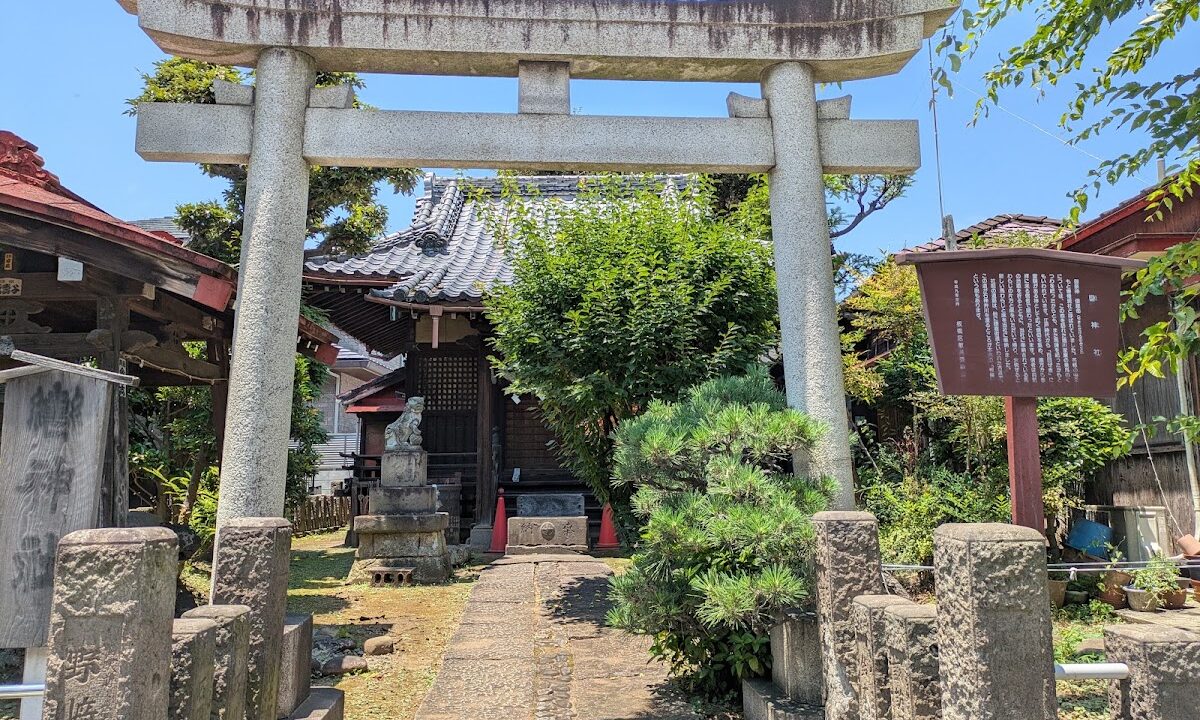
Kutsuwa Shrine (Itabashi Ward, Tokyo) Complete Guide | Goshuin (Shrine Seal), History, Benefits, and Access Information
Kutsuwa Shrine, located in Nakamachi, Itabashi Ward, Tokyo, is known for its historical connection to Tokugawa Ieyasu. During the Edo period, it was called “Kutsuwa Gongen” and was particularly revered by local people as a guardian deity of children. This article comprehensively introduces all the information visitors want to know about Kutsuwa Shrine, including its history, benefits, goshuin (shrine seal), annual festivals, and detailed access information.
About Kutsuwa Shrine
Kutsuwa Shrine is located at 46-3 Nakamachi, Itabashi Ward, Tokyo. It is characterized by its unusual name, using the difficult kanji character “轡 (kutsuwa),” pronounced “Kutsuwa Jinja.” It enshrines Yamato Takeru no Mikoto as its main deity and has long been revered as the local guardian deity.
Overview of the Shrine
The basic information about Kutsuwa Shrine is as follows:
- Official Name: Kutsuwa Shrine
- Pronunciation: Kutsuwa Jinja
- Location: 46-3 Nakamachi, Itabashi-ku, Tokyo
- Main Deity: Yamato Takeru no Mikoto
- Founding Date: Unknown
- Annual Festival Day: October 11th
- Former Name: Kutsuwa Gongen Shrine
The founding date is unknown, but records show that it was already established in the area as “Kutsuwa Gongen” during the Edo period. As one of the shrines indispensable to the history of Itabashi Ward, it continues to attract many worshippers.
History and Origins of Kutsuwa Shrine
Origin of the Shrine Name
The unusual name of Kutsuwa Shrine has a legend related to Tokugawa Ieyasu. During the Edo period, it is said that Tokugawa Ieyasu rested his horses at this location while traveling through his territory. The shrine’s name is believed to originate from the enshrinement of the horse’s bridle (kutsuwa) left behind at that time.
A bridle is a piece of horse tack placed in the horse’s mouth to control it; it’s an important tool connected to the reins. Legend says that the Kutsuwa Shrine was established here because the bridle used by Tokugawa Ieyasu was enshrined as sacred.
Another legend says that a horse’s hoof was enshrined here, but in any case, it is undoubtedly a shrine with a history related to Tokugawa Ieyasu and horses.
Kutsuwa Gongen in the Edo Period
During the Edo period, it was called “Kutsuwa Gongen” or “Kutsuwa Gongen-sha.” Gongen refers to a Buddha appearing in the form of a god, a name symbolizing the era of syncretism between Shinto and Buddhism. From that time, it attracted the faith of the local people and was especially revered as a deity protecting the health of children.
During the Edo period, Itabashi flourished as the first post town on the Nakasendo highway, a place where many travelers passed through. It is believed that Kutsuwa Shrine, as a shrine watching over the area along the highway, was visited not only by local residents but also by travelers.
Changes after the Meiji Era
Due to the Meiji-era separation of Shinto and Buddhism, the shrine’s name was changed from “Kutsuwa Gongen” to “Kutsuwa Shrine.” While many shrines were consolidated during this period, Kutsuwa Shrine survived as the center of local faith and continues to this day.
About the Main Deity, Yamato Takeru no Mikoto
Yamato Takeru no Mikoto, the main deity of Kutsuwa Shrine, is a heroic figure in Japanese mythology. As the son of Emperor Keiko, the 12th emperor, he is known as a god of great military prowess who pacified various regions.
The Divine Nature of Yamato Takeru
Yamato Takeru is believed to possess the following divine qualities:
- God of Valor: His aspect as a warrior who pacified various regions
- Guardian Deity of Travel: A god of travel who undertook eastern and western expeditions
- Guardian Deity of Children: As a hero who achieved great things at a young age
- God of Protection Against Evil: As a god who overcame difficulties
At Kutsuwa Shrine, the aspect of “guardian deity of children” is particularly emphasized, and it attracts deep faith from local families raising children.
Benefits of Kutsuwa Shrine
Kutsuwa Shrine is particularly revered for the following benefits:
Protection of Children’s Health
The most well-known benefit of Kutsuwa Shrine is protection of children’s health. Especially since the Edo period, it has attracted widespread faith for its miraculous powers against childhood illnesses such as whooping cough.
Whooping cough is an infectious disease that can easily become severe in infants and young children, and in times when medical care was not advanced, it was a life-threatening illness. A belief deeply rooted in the community was that visiting and praying at Kutsuwa Shrine would protect children from whooping cough or ensure their speedy recovery.
Even today, parents praying for their children’s healthy growth visit the shrine, and it is used for life ceremonies such as Shichi-Go-San (a traditional rite of passage for children) and Hatsumiyamairi (a first shrine visit for newborns).
Other Benefits
- Protection from Evil and Disaster: Drawing on the martial prowess of Yamato Takeru
- Safe Travel: Based on the history of Tokugawa Ieyasu’s travels
- Family Safety: As the local guardian deity
- Good Health: Especially respiratory health
About Goshuin (Shrine Seals)
Goshuin are available at Kutsuwa Shrine. Goshuin are popular among many visitors as proof of their visit and as a record of their travels.
Features of the Goshuin (Shrine Seal)
The goshuin of Kutsuwa Shrine features the shrine’s name, “Kutsuwa Shrine,” written in ink, and the shrine’s seal. Simple yet evocative of history, it’s a goshuin that’s attracting attention from goshuin collectors.
Regarding the Issuance of Goshuin
Please note the following when receiving a goshuin:
- Issuance Hours: During visiting hours (please check with the shrine for details)
- Offering Fee: Similar to most shrines (approximately 300-500 yen)
- Goshuincho (Shrine Seal Book): Bringing your own is recommended
- If the Shrine is Absent: As it is a small shrine, the shrine may not always have staff present.
It is recommended to contact the shrine in advance or visit with ample time to spare.
Annual Festivals and Events
Annual Festival (October 11th)
The annual festival of Kutsuwa Shrine is held every year on October 11th. The annual festival is the most important festival for the shrine, an event to offer gratitude to the gods for the past year and pray for peace in the community.
During the annual festival, Shinto rituals are performed, and parishioners and local residents attend. It has become a deeply rooted community festival and a characteristic autumn event in Itabashi Ward.
Other Annual Events
As a local shrine, the following annual events are also held:
- Hatsumode (January 1st-3rd): New Year’s visit
- Setsubun Festival (around February 3rd): Prayers for warding off evil and bringing good fortune
- Shichi-Go-San (around November 15th): Prayers for the healthy growth of children
- Year-End Purification Ceremony (December 31st): Purification of sins and impurities accumulated throughout the year
Highlights of the Shrine Grounds
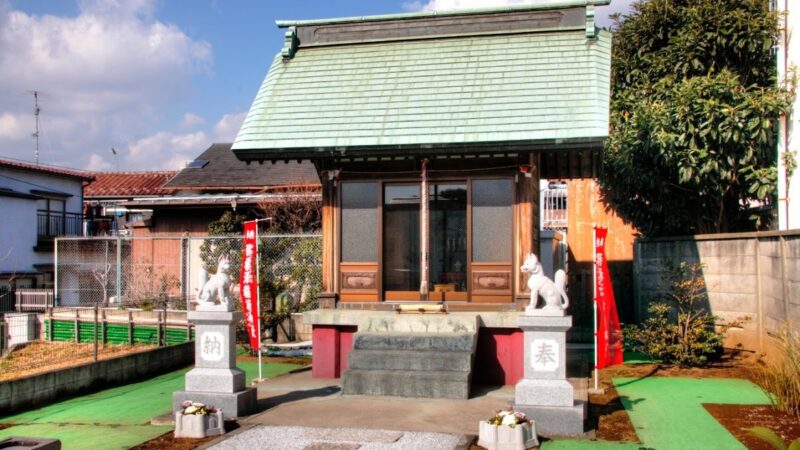
Shrine Building
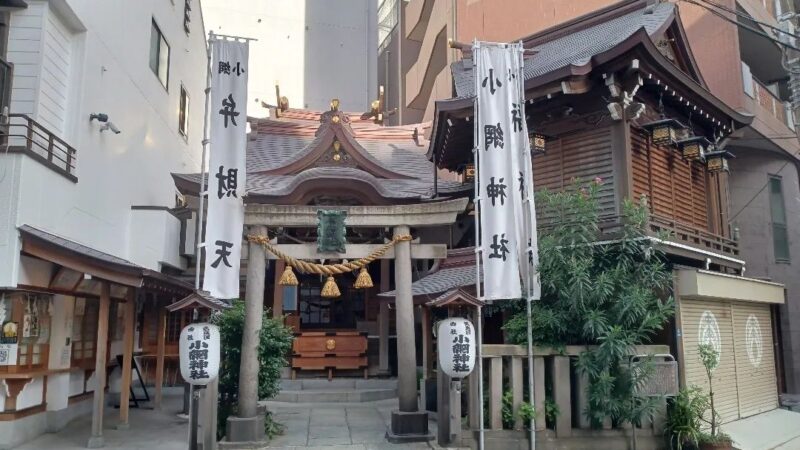
The shrine building of Kutsuwa Shrine is small but meticulously maintained. Located in a residential area of Itabashi Ward, yet maintaining a tranquil atmosphere, this shrine offers a space where you can forget the hustle and bustle of the city.
Torii Gate and Approach
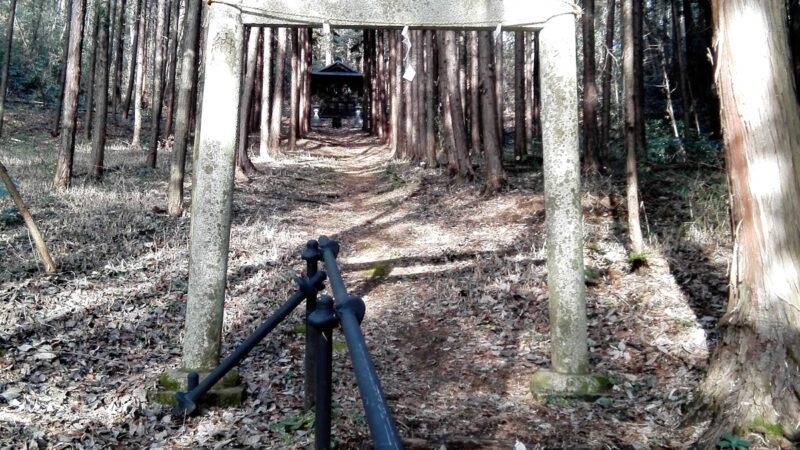
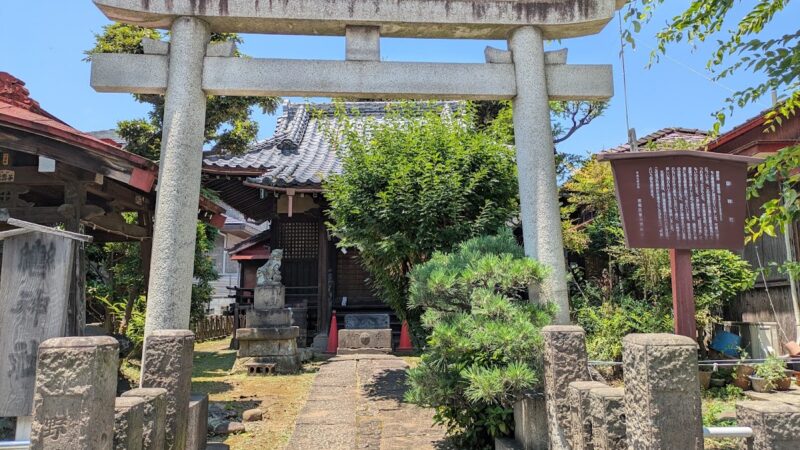
A torii gate stands facing the street along Kawagoe Kaido, and from there, an approach leads to the shrine building. Although the approach is short, stepping onto it immediately evokes a sense of sacredness.
Atmosphere of the Shrine Grounds
The shrine grounds are small, situated in a residential area, but they are meticulously clean, reflecting the care and affection the local community has for the place. The quiet and peaceful environment is perfect for escaping the daily noise and finding peace of mind.
Parishioner Area and Community Connection
Kutsuwa Shrine, as the tutelary shrine of the area centered around Nakamachi in Itabashi Ward, has deep ties with the local residents.
Parishioner Area
The main parishioner area is Nakamachi in Itabashi Ward and the surrounding areas. Parishioners are local residents who support the shrine’s rituals and worship the shrine.
Center of the Local Community
Kutsuwa Shrine functions as the spiritual center of the local community. Through its annual festivals and other events, it serves as a place where local residents gather, deepening their community bonds.
Even today, parents praying for their children’s health and residents praying for the safety of their community regularly visit the shrine, demonstrating the continued deep-rooted faith within the region.
Access
The most convenient way to access Kutsuwa Shrine is via the Tobu Tojo Line.
Access by Train
Nearest Station: Tobu Tojo Line “Naka-Itabashi Station”
- Approximately 5-7 minutes on foot from the South Exit of Naka-Itabashi Station
- Exit the station and head towards Kawagoe Kaido
- The shrine is located along the street next to Kawagoe Kaido
Detailed Walking Route
- Exit the South Exit of Naka-Itabashi Station
- Head south along the road in front of the station, towards Kawagoe Kaido
- You will see the torii gate of Kutsuwa Shrine along the street near Kawagoe Kaido
- Arrive in approximately 5-7 minutes on foot
Access by Car
- Accessible from Kawagoe Kaido (National Route 254)
- It is recommended to check in advance whether there is a dedicated parking lot
- Coin parking is available nearby
Address
46-3 Nakamachi, Itabashi-ku, Tokyo 173-0022
Manners and Etiquette for Visiting a Shrine
When visiting Kutsuwa Shrine, please observe basic shrine visiting etiquette.
Basic Etiquette for Visiting a Shrine
- Bow before passing through the torii gate: A courtesy before entering the sacred area.
- Walk along the edge of the path: The center is the path of the gods.
- Purify yourself at the water basin (if available): Purify your mind and body before praying.
- Bow twice, clap twice, and bow once in front of the main hall: Basic Shinto etiquette.
- Bow again at the torii gate when leaving: With gratitude.
Attire for Visiting a Shrine
Unless you are attending a special festival or prayer, everyday clothing is acceptable, but please dress neatly and cleanly.
Photography
Photography is generally permitted on the shrine grounds, but please be considerate of other visitors and refrain from taking photos in areas where photography is restricted, such as inside the shrine buildings.
Nearby Tourist Attractions
When visiting Kutsuwa Shrine, you can also visit other tourist attractions in Itabashi Ward.
Shrines and Temples in Itabashi Ward
- Itabashi Hikawa Shrine: The main guardian shrine of Itabashi Ward
- Akatsuka Suwa Shrine: A historical shrine
- Jorenji Temple (Tokyo Daibutsu): A 13-meter-tall bronze Buddha statue
Historical and Cultural Facilities
- Itabashi Ward Local History Museum: A facility where you can learn about the history of Itabashi
- Enkiri Enoki: A spot for severing relationships that has continued since the Edo period
Nature and Parks
- Johoku Chuo Park: A vast urban park
- Shakujii River: Also known as a famous cherry blossom viewing spot
How to Enjoy Visiting Kutsuwa Shrine
Quiet Morning Visit
Kutsuwa Shrine, located in a residential area, is especially recommended to visit during the quiet hours of the morning. Visiting the shrine in the refreshing air before the hustle and bustle of commuting and school begins is a precious time to calm your mind.
Combine with a stroll
The area around Naka-Itabashi Station is home to traditional shopping streets and residential areas, offering a glimpse into Tokyo’s old downtown atmosphere. Enjoying a stroll around the area in conjunction with a visit to Kutsuwa Shrine is highly recommended.
As part of a Goshuin (shrine stamp) pilgrimage
There are several shrines within Itabashi Ward, which can be incorporated into a Goshuin pilgrimage route. A day-long pilgrimage visiting shrines in Itabashi Ward is also recommended.
Reasons why it’s recommended for families with children
Kutsuwa Shrine is especially recommended for families with young children.
Prayers for children’s health
Since the Edo period, it has been believed to have miraculous powers against whooping cough and has a history of being worshipped as a guardian deity of children. Even today, many parents visit the shrine to pray for the healthy growth of their children.
Easy access
Its convenient location, just a 5-7 minute walk from Naka-Itabashi Station, makes it easily accessible even for those with small children. It is relatively easy to access with a stroller.
Also for Shichi-Go-San and Hatsumiyamairi
As the local guardian shrine, it is used for life-changing rituals such as Shichi-Go-San and Hatsumiyamairi. Its appeal lies in the fact that it is not as crowded as large shrines, allowing for peaceful prayer.
Summary of the Charms of Kutsuwa Shrine
Kutsuwa Shrine is a historic shrine quietly nestled in a residential area of Itabashi Ward, Tokyo. It has a history associated with Tokugawa Ieyasu and has been cherished by local people as a guardian deity of children since the Edo period.
Main Attractions
- Historical Background: A unique origin story, said to enshrine the bridle of Tokugawa Ieyasu.
- Guardian Deity of Children: Believed to have miraculous powers against whooping cough and other illnesses.
- Easy Access: 5-7 minute walk from Naka-Itabashi Station.
- Quiet Environment: A peaceful atmosphere away from the hustle and bustle of the city.
- Community-Oriented: A shrine deeply rooted in the community as a local guardian deity.
Unlike large-scale tourist shrines, this is a small, community-oriented shrine, but that’s precisely why it offers a warmth and historical significance. When visiting Itabashi Ward, be sure to visit Kutsuwa Shrine.
Things to Know Before Visiting
Visiting Hours
The shrine grounds are generally open all day, but it is recommended to check in advance if you wish to receive a Goshuin (shrine stamp) or a prayer.
Inquiries
For detailed information and prayer applications, it is recommended to contact the Cultural Properties Section of the Itabashi Ward Office or the shrine directly.
Seasonal Highlights
- Spring: A refreshing visit amidst the fresh greenery
- Summer: Lush greenery within the shrine grounds
- Autumn: Annual festival (October 11th), autumn foliage
- Winter: A tranquil atmosphere, New Year’s visit
History of Itabashi Ward and Kutsuwa Shrine
Itabashi Ward has a history of flourishing as the first post town on the Nakasendo during the Edo period. Kutsuwa Shrine is one of the important cultural assets that conveys the history of Itabashi to the present day.
The Nakasendo and Itabashi-juku
The Nakasendo was one of the five major highways connecting Edo (Tokyo) and Kyoto, and Itabashi-juku was its first post town. Throughout the history of Itabashi, a bustling post town where many travelers passed through, Kutsuwa Shrine watched over the safety of travelers and the peace of the community.
Modern Itabashi Ward
Modern Itabashi Ward is located in the northwestern part of Tokyo’s 23 wards and has developed as a residential area. Even amidst increasing urbanization, Kutsuwa Shrine remains a cherished landmark, a valuable source of local history and tradition.
Summary
Kutsuwa Shrine is a historic shrine located in Nakamachi, Itabashi Ward, Tokyo. It has a history associated with Tokugawa Ieyasu and, during the Edo period, was widely revered as “Kutsuwa Gongen,” a guardian deity of children, particularly believed to have miraculous powers against whooping cough.
The main deity enshrined is Yamato Takeru no Mikoto, and the annual festival is held on October 11th. Conveniently located a 5-7 minute walk from Nakaitabashi Station, it continues to attract many worshippers as the local guardian shrine.
While not a large-scale tourist shrine, it is a warm and welcoming place deeply rooted in the community, a valuable presence that conveys the history and culture of Itabashi Ward. It quietly welcomes worshippers with various wishes, such as prayers for children’s health, protection from evil, and family safety.
When you visit Itabashi Ward, be sure to stop by this historic Kutsuwa Shrine and experience the breath of history that has continued since the time of Tokugawa Ieyasu.