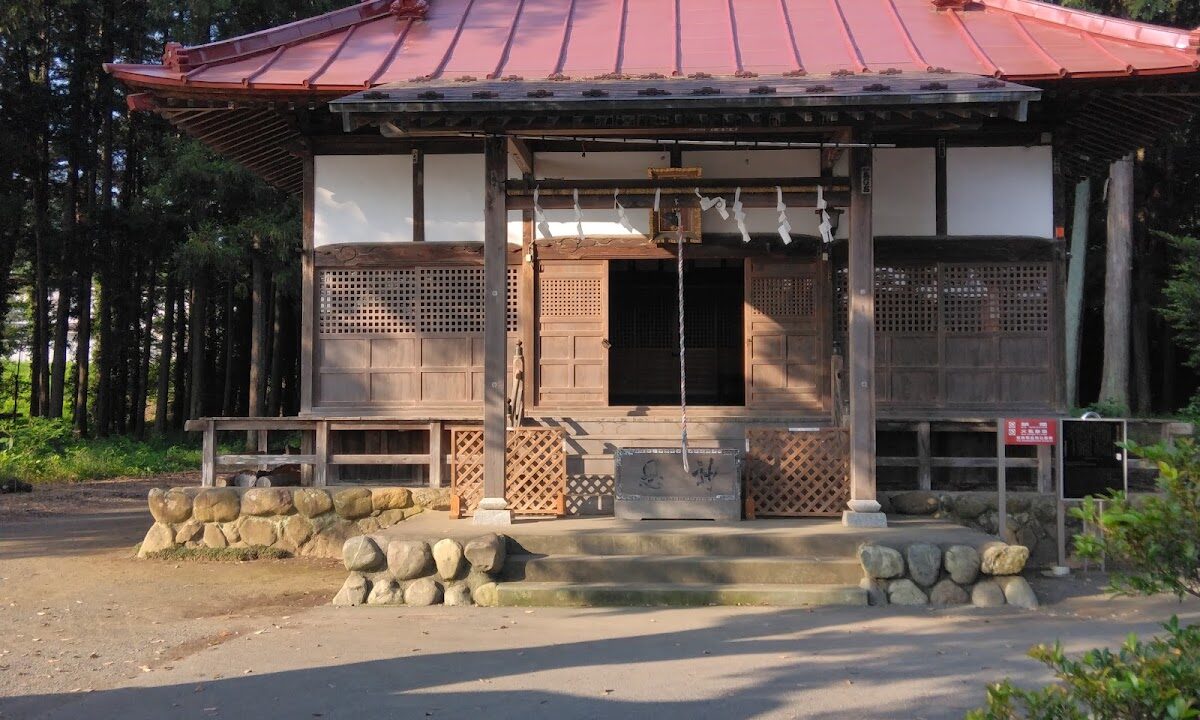
Kashima Tamagawa Shrine (Ome City, Tokyo) Complete Guide | History, Deities, Cultural Properties, and Access Information
Overview of Kashima Tamagawa Shrine
Kashima Tamagawa Shrine is a historic shrine located at 2-519 Nagabuchi, Ome City, Tokyo. It is said to have been founded during the Shohei era (931-937) by Musashi-no-suke Minamoto no Tsunemoto, and is known as a historically significant shrine that invited its deities from Kashima Jingu Shrine in Hitachi Province.
It has long been revered by local residents as an important tutelary shrine in Ome City. Notably, during the Edo period, when the Tamagawa Aqueduct was constructed, Tamagawa Daimyojin was enshrined alongside the shrine, giving it the character of a water guardian deity as well. The name “Kashima Tamagawa Shrine,” a fusion of these two beliefs, speaks to the shrine’s historically layered nature.
With a massive sacred stone enshrined within the grounds, the sacred area, enveloped in a pure atmosphere, offers visitors a tranquil experience. As a valuable cultural heritage site that conveys the history and culture of Ome City to the present day, it has become a symbolic presence in the region.
Deities enshrined at Kashima Tamagawa Shrine
Kashima Tamagawa Shrine enshrines four deities.
Takemikazuchi-no-Okami
Takemikazuchi-no-Okami, the principal deity, is a god of war known as the enshrined deity of Kashima Jingu Shrine. In Japanese mythology, he appears as the god who negotiated with Okuninushi-no-Mikoto during the transfer of the land, and is a being that symbolizes martial prowess and the power of thunder. When Minamoto no Tsunemoto invited the Kashima Shrine from Hitachi Province, he enshrined this god at the center, which is the origin of this shrine.
Onamuchi-no-Kami
Onamuchi-no-Kami is another name for Okuninushi-no-Mikoto and is worshipped as the god of nation-building and the god of matchmaking. As a counterpart to Takemikazuchi-no-O-no-Kami, this deity represents complementary divine virtues: military strength and peace, pioneering and prosperity.
Izunome-no-Kami
Izunome-no-Kami is known as the goddess of water. It is believed that the worship of this deity became important due to its connection with the Tamagawa Aqueduct. As the goddess who presides over pure water, she plays a role as the guardian deity of the region’s water sources and agriculture.
Toyotama-hime-no-Kami
Toyotama-hime-no-Kami is the daughter of the sea god and the goddess who brings the blessings of water. As a central deity of Tamagawa Daimyojin, enshrined to pray for the purity of the Tamagawa Aqueduct, she was enshrined together with the Tamagawa Aqueduct during its construction in 1653.
These four deities embody a multifaceted belief system encompassing protection through military force, national development, and the blessing of water, forming the unique character of Kashima Tamagawa Shrine.
History of Kashima Tamagawa Shrine
History of its Founding
The founding of Kashima Tamagawa Shrine dates back to the Shohei era (931-937). This period was a time of turmoil, marked by the rebellion of Taira no Masakado. It is believed that Minamoto no Tsunemoto, who was serving as the Musashi no Suke (governor of Musashi Province), invited the deity Takemikazuchi-no-Ono, a warrior from Kashima Shrine in Hitachi Province, to establish the shrine.
Minamoto no Tsunemoto is known as the ancestor of the Seiwa Genji clan and a warrior who laid the foundation for the Minamoto samurai group that later led to Minamoto no Yoritomo. His decision to invite the Kashima deity to Musashi Province is thought to have stemmed from the military tensions in eastern Japan at the time and the need for regional control through military force. Initially founded as Kashima Daimyojin, it functioned as a center of warrior worship.
Relationship with the Tokugawa Family
During the Edo period, Kashima Tamagawa Shrine came under the patronage of the Tokugawa shogunate. In 1649, the third shogun, Tokugawa Iemitsu, granted the shrine a shuinjo (official document granting land) of 2 koku and 8 to (a unit of volume). This was proof of the shrine’s status and importance, signifying its firm position as a shrine officially recognized by the shogunate.
This shuinjo stabilized the shrine’s economic base and enhanced its authority in the Ome region. Throughout the Edo period, this land was maintained and served as an important source of funding for the shrine’s operation.
Deep Connection with the Tamagawa Aqueduct
A noteworthy aspect of Kashima Tamagawa Shrine’s history is its relationship with the Tamagawa Aqueduct. In 1653, to alleviate water shortages caused by the increasing population of Edo, a large-scale civil engineering project was undertaken to bring water from the Tama River into Edo. This was the construction of the Tamagawa Aqueduct.
The Tamagawa Aqueduct runs through the Tama region, including Ome City, and Tamagawa Daimyojin was enshrined there to pray for the perpetual purity of this clear stream. There are records suggesting that it was formally merged with other deities during the Meireki era (1655-1658), and it is believed that this is when the shrine’s name became “Kashima Tamagawa Shrine.”
With the addition of water deity worship, the shrine became a unique entity combining the characteristics of both war god worship and water deity worship. It attracted the faith of those involved in the management and maintenance of the Tamagawa Aqueduct, as well as the farmers who benefited from its bounty, strengthening its character as the local tutelary deity.
History since the Modern Era
Following the Meiji-era separation of Shinto and Buddhism and the introduction of the shrine ranking system, Kashima Tamagawa Shrine was designated as a village shrine. As the guardian shrine of Nagabuchi Village, it continued to be the spiritual center of the local community.
During the Showa period, it escaped war damage, and many cultural assets and historical buildings have been preserved to this day. Even amidst post-war urbanization and changes in lifestyles, the local residents’ faith in their tutelary deity has never ceased, and annual events, including the annual festival, are still held today.
The History of Kashima Tamagawa Shrine According to the Shinpen Musashi Fudoki-ko
The Shinpen Musashi Fudoki-ko, a geographical record compiled in the late Edo period, contains descriptions of Kashima Tamagawa Shrine. According to this document, the shrine is listed as “Kashima-sha” or “Kashima Daimyojin,” confirming its function as the guardian shrine of Nagabuchi Village.
From the Fudoki-ko’s description, it can be inferred that the founding tradition by Minamoto no Tsunemoto was already established in the late Edo period, and that it was a prestigious shrine possessing a shuinjo (official seal document) from the Tokugawa shogunate. Detailed records of the shrine grounds and the form of festivals remain, making it a valuable historical source for understanding the religious practices of the time.
Of particular note is the clear mention of its connection to the Tamagawa Aqueduct. The text notes that Tamagawa Daimyojin is enshrined as the god who protects the purity of the aqueduct, indicating that water deity worship held an important position in the region.
History of Kashima Tamagawa Shrine according to the Tokyo Metropolitan Shrine Directory
The “Tokyo Metropolitan Shrine Directory,” compiled by the Tokyo Metropolitan Shrine Association, contains the official history of Kashima Tamagawa Shrine. According to this directory, the shrine’s origin dates back to the Shohei era when Minamoto no Tsunemoto invited the deity from Kashima Shrine in Hitachi Province. Later, during the Meireki era, Tamagawa Myojin was enshrined to pray for the purity of the Tamagawa Aqueduct, which is said to be the origin of the current shrine name.
The directory clearly lists four deities as enshrined: Takemikazuchi-no-O-no-Kami, Onamuchi-no-Kami, Izunome-no-Kami, and Toyotama-hime-no-Kami. The annual festival is scheduled for September 19th. Furthermore, the presence of a massive sacred stone within the shrine grounds and the sacred nature of the area are emphasized.
In modern times, the shrine is described as the tutelary deity of the Nagabuchi district of Ome City and an important religious facility that preserves the region’s traditional culture.
History of Kashima Tamagawa Shrine according to the “History of Ome City”
The “History of Ome City,” compiled by Ome City, details the history of Kashima Tamagawa Shrine from a local history perspective. The history emphasizes the shrine’s close connection to the development history of the Ome region.
Of particular note is the description of the impact of the Tamagawa Aqueduct’s construction on the local community. The opening of the aqueduct facilitated the securing of agricultural water and the development of new rice fields, greatly contributing to the development of Nagabuchi Village. It is pointed out that Kashima Tamagawa Shrine, as the guardian deity of this water management, became a spiritual pillar of regional development.
Furthermore, the history includes the results of research on ancient documents and cultural properties preserved at the shrine, confirming the existence of valuable historical materials, including a shuinjo (official seal document) from Tokugawa Iemitsu. These documents are valued as essential primary sources for understanding the history of Ome City.
The social role played by Kashima Tamagawa Shrine in village societies from the early modern to the modern period has also been analyzed in detail, revealing its role in strengthening community bonds through festivals and its contribution to education and welfare functions.
Cultural Properties Held by Kashima Tamagawa Shrine
Kashima Tamagawa Shrine houses valuable cultural properties accumulated over its long history.
Tokugawa Iemitsu’s Official Seal Document
The most important cultural property is the official seal document bestowed by Tokugawa Iemitsu in 1649. This document confirms the shrine’s land holdings of 2 koku and 8 to, and is a first-class historical document showing the relationship between the Edo shogunate and the shrine. It is in good condition, allowing for the confirmation of the document style and seal of the time.
Ancient Documents
Various ancient documents from the Edo period to the Meiji period are preserved. These include records of the shrine’s operation, documents describing the procedures of festivals, and materials showing the relationship with parishioners. This is a valuable collection of historical materials for regional history research. ### Sacred Stone
The massive sacred stone enshrined within the shrine grounds has been an object of worship since ancient times. Due to its size and shape, it is believed to possess the characteristics of an iwakura (sacred rock formation), a remnant of nature worship. It is also geologically interesting, providing clues to the formation of the Tama region’s topography.
Main Shrine Architecture
The main shrine of Kashima Tamagawa Shrine is a valuable structure that preserves the architectural style of the late Edo period. While undergoing regular restorations, the wooden shrine building retains the characteristics of traditional shrine architecture in excellent condition. The carvings and decorations also showcase the craftsmanship of the time, and its architectural historical value is recognized.
Guide to Kashima Tamagawa Shrine Grounds
Shrine Layout
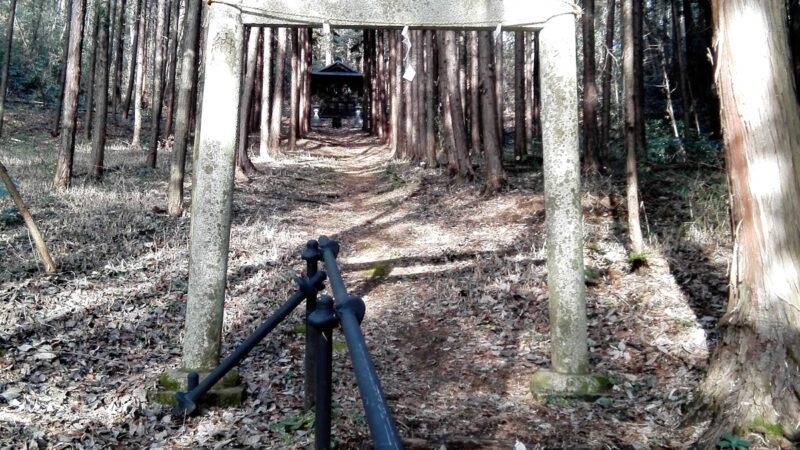
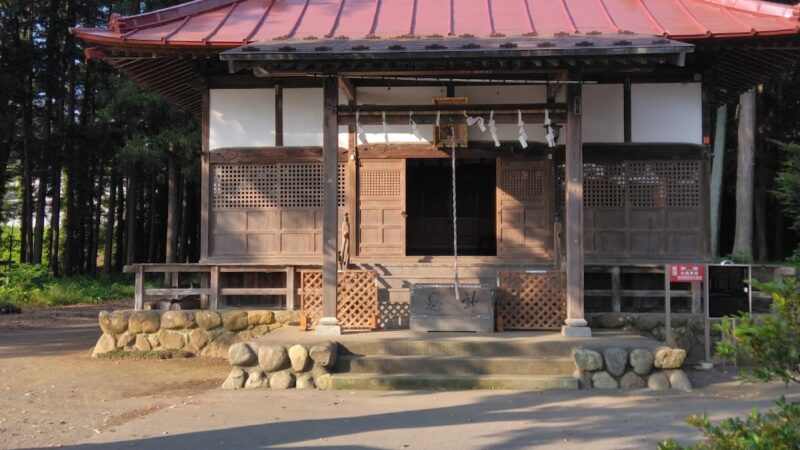
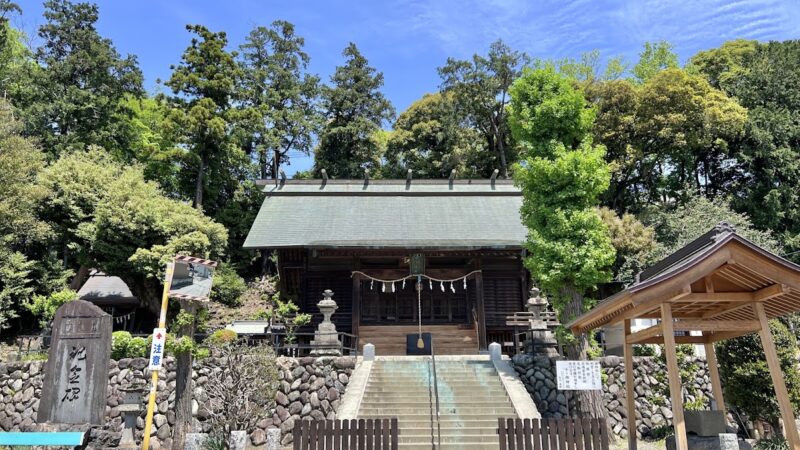
The grounds of Kashima Tamagawa Shrine are arranged according to the traditional layout of a shrine. As you proceed along the approach, you will find a torii gate, beyond which are the purification fountain, the worship hall, and finally the main shrine. The grounds are meticulously clean, maintaining the atmosphere of a sacred and pure place.
Sacred Stone and Natural Environment
The most striking feature of the shrine grounds is the massive sacred stone. This rock has been revered since ancient times as a sacred rock where gods reside, embodying a uniquely Japanese religious perspective that blends nature worship and Shintoism. Together with the surrounding trees, it creates a sacred space.
The shrine grounds also contain many ancient trees, allowing visitors to experience the changing seasons. The autumn foliage, in particular, presents a beautiful landscape, delighting visitors.
Subsidiary Shrines
Several subsidiary shrines are enshrined around the main hall. These are evidence of the shrine’s history of incorporating various local beliefs, demonstrating how diverse folk beliefs have converged around the shrine.
Annual Festival and Events
The annual festival of Kashima Tamagawa Shrine is held every year on September 19th. This is the most important festival day for the parishioners, featuring a portable shrine procession and dedication ceremonies. Local residents participate wholeheartedly, providing an opportunity to pass on traditional festival culture to future generations.
In addition to the annual festival, various Shinto rituals are held throughout the year, including the New Year’s Day Festival, the Setsubun Festival, and the Summer Purification Ceremony. These events are based on Japan’s traditional annual calendar, providing opportunities to express gratitude and offer prayers to the gods at each seasonal turning point.
In recent years, maintaining traditional events has become a challenge due to the aging population and changes in lifestyles, but important festivals continue thanks to the efforts of the parishioners’ organizations and local communities.
Access and Visiting Information
Location
2-519 Nagabuchi, Ome City, Tokyo 198-0052
Transportation Access
Access by Train
- Approximately 20-minute walk from JR Ome Line “Ome Station”
- Approximately 25-minute walk from JR Ome Line “Higashi-Ome Station”
Access by Bus
- Approximately 5-minute walk from “Nagabuchi” bus stop (Nishi-Tokyo Bus) from Ome Station
Access by Car
- Approximately 10 minutes from Ken-O Expressway “Ome IC”
- Parking: Limited parking space available on the temple grounds (Public transportation is recommended due to limited space)
Visiting Hours
The temple grounds are generally open for free visits. The temple office is generally open from 9:00 AM to 5:00 PM, but it is recommended to check in advance.
Goshuin (Temple Seal)
Please inquire at the temple office regarding the issuance of Goshuin. Since the shrine may be closed at times, prior contact is recommended if you wish to be sure to receive the amulet.
Nearby Attractions
Around Kashima Tamagawa Shrine, there are numerous spots where you can enjoy the history and nature of Ome City.
Tamagawa Aqueduct
The Tamagawa Aqueduct, which is also the name of the shrine, is a historical heritage site that showcases the pinnacle of Edo-period civil engineering. A clear stream still flows through it today, and sections have been developed as walking paths. You can enjoy the changing seasons while reflecting on the lives of people in the Edo period.
Historic Townscape of Ome
Around Ome Station, you’ll find shopping streets that retain a Showa-era retro atmosphere, as well as townscapes famous for their movie billboards. You can enjoy a historical stroll through Ome in conjunction with a visit to Kashima Tamagawa Shrine.
Mount Mitake
In the depths of Ome City lies Mount Mitake, which has been revered as a sacred mountain since ancient times. A visit to Musashi Mitake Shrine allows you to experience the history of mountain worship in the Tama region.
The Religious Significance of Kashima Tamagawa Shrine
Kashima Tamagawa Shrine is not merely a historical building, but a living place of worship that continues to function today. Combining the characteristics of both war god worship and water god worship, this shrine embodies the diversity and flexibility of Japanese Shinto belief.
Its history of being revered as a guardian deity of the region for over a thousand years since its founding by Minamoto no Tsunemoto demonstrates the deep connection between the shrine and the local community. Its high status, having received the patronage of the Tokugawa shogunate, and its dual nature as the guardian deity of the Tamagawa Aqueduct, a water source closely intertwined with daily life, speaks to the fact that shrine worship has been supported by both power and the people.
Even in modern times, it plays a role in maintaining the spiritual bonds of the local community through annual events, including its festival. In the midst of increasing urbanization, the existence of such a traditional space of worship holds significant meaning in preserving regional identity.
Summary
Kashima Tamagawa Shrine is a shrine steeped in history and tradition, located in Ome City, Tokyo. Founded by Minamoto no Tsunemoto during the Shohei era, the shrine has been deeply intertwined with important events in Japanese history, including the enshrinement of Tamagawa Daimyojin during the construction of the Tamagawa Aqueduct in the Edo period and the granting of a shuinjo (official seal) from the Tokugawa shogunate.
The four enshrined deities—Takemikazuchi-no-O-no-Kami, Oonamuchi-no-Kami, Izunome-no-Kami, and Toyotama-hime-no-Kami—embody the essential divine virtues for the local community: protection through military force and the blessing of water. The massive sacred stone within the grounds and the serene atmosphere of the shrine convey the remnants of ancient nature worship.
Kashima Tamagawa Shrine is an indispensable cultural heritage in the history of Ome City and continues to attract the faith of many people as the local tutelary shrine. Visiting its tranquil grounds allows you to experience the weight of over a thousand years of history and the profound depth of traditional Japanese faith and culture.
When you visit Ome, be sure to stop by Kashima Tamagawa Shrine and reflect on its long history, which dates back to the time of Minamoto no Tsunemoto, and the blessings bestowed by the clear waters of the Tamagawa Aqueduct.