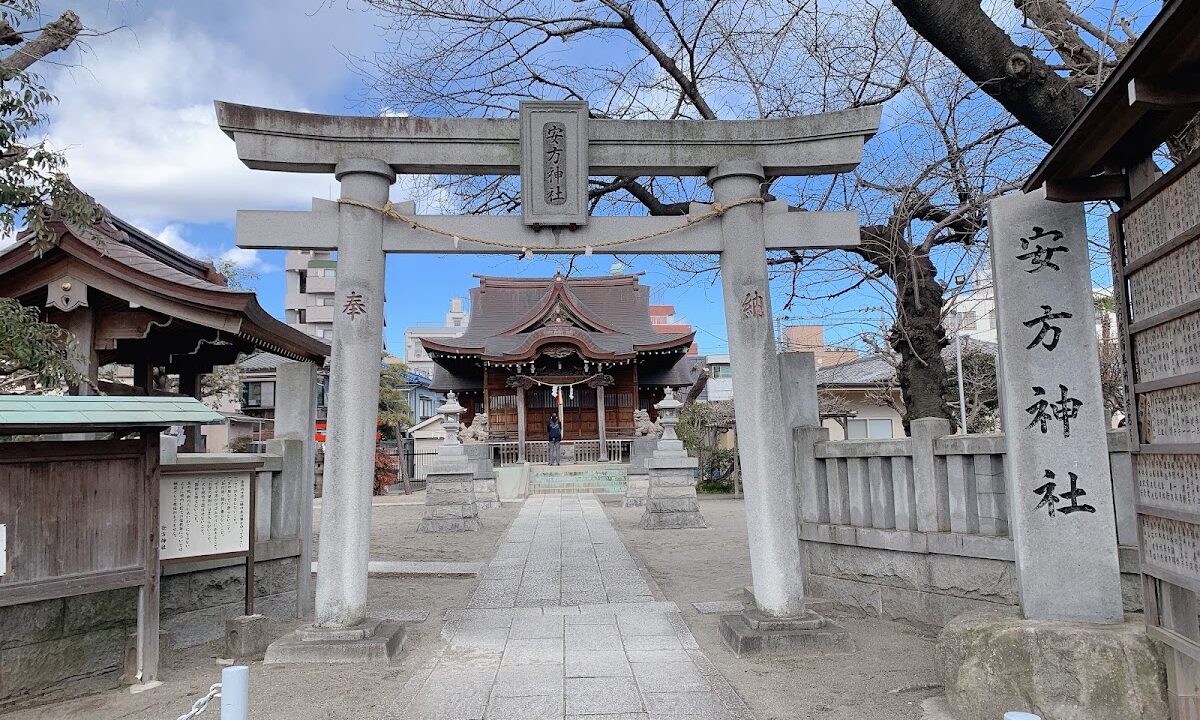
Yasukata Shrine (Ota Ward, Tokyo) Complete Guide | History, Deities, Access, and Highlights Explained in Detail
Yasukata Shrine, located in Tamagawa, Ota Ward, Tokyo, is a local guardian deity with a tranquil precinct despite its location along the Loop Route 8. This article comprehensively explains everything you need to know before visiting, from the detailed history of Yasukata Shrine and the origins of its enshrined deities to the highlights of the grounds and how to access it.
Basic Information about Yasukata Shrine
Location: 1-5-11 Tamagawa, Ota Ward, Tokyo
Phone Number: 03-3750-8553
Nearest Station: Approximately 2 minutes on foot from Yaguchi-Wataru Station on the Tokyu Tamagawa Line
Shrine Rank: Former Unranked Shrine
Annual Festival Date: August 15th
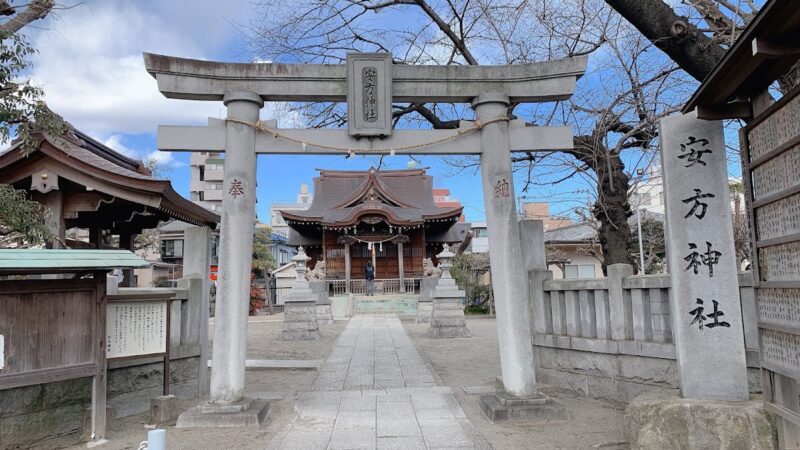
Yasukata Shrine is very close to Yaguchi-Wataru Station and easily accessible. Although located along the main road, Loop Route 8, stepping onto the shrine grounds reveals a tranquil space far removed from the hustle and bustle of traffic.
Deities and Divine Virtues of Yasukata Shrine
Main Deity: Hondawake-no-Mikoto
The deity enshrined at Yasukata Shrine is Hondawake-no-Mikoto. This is the divine name of Emperor Ojin, the 15th emperor, and a deity widely worshipped throughout Japan as “Hachiman-sama.”
Divine Virtues (Benefits):
- Luck in Competition: Known as a god of military fortune, one can pray for success in competitions and contests.
- Protection from Misfortune: Believed to have the power to ward off misfortune and protect oneself.
- Prosperity of Learning and Culture: Because Emperor Ōjin valued culture, many worshippers pray for academic success and cultural development.
Homudawake-no-Mikoto has been revered as a god of war since ancient times, but he is also known as an emperor who devoted himself to the promotion of culture and learning, and even today he is popular with worshippers with diverse wishes.
History and Origins of Yasukata Shrine
From Founding to the Edo Period
The founding date of Yasukata Shrine is unknown, but it is believed to have already been established as a “Hachiman Shrine” by the mid-Edo period. From that time, it was revered by the local people and played an important role as the guardian shrine of Yasukata Village.
Consolidation and Renaming in the Meiji Era
In 1909 (Meiji 42), as part of the shrine consolidation policy, the following shrines, which had been enshrined as small shrines within the former Yasukata Village, were consolidated:
- Shakugosha
- Shinmeisha (Tenso Shrine)
- Dairokutensha
This consolidation resulted in the shrine being renamed from the former “Hachimansha” to “Yasugata Shrine,” strengthening its role as the village’s guardian shrine. The name Yasukata originates from the former Yasukata Village.
History of War Damage and Reconstruction
The most significant turning point in the history of Yasukata Shrine was the air raids at the end of World War II.
On April 14, 1945 (Showa 20), the former shrine buildings of Yasukata Shrine, along with the surrounding town area, were destroyed by a major air raid by the US military. This air raid caused immense damage throughout the Ota Ward area, resulting in the loss of many cultural properties and historical buildings. However, thanks to the faith and strong will of the local people, post-war reconstruction progressed.
On September 6, 1954 (Showa 29), the Yasukata Shrine Reconstruction Committee was formed, and the local residents united to begin working towards reconstruction.
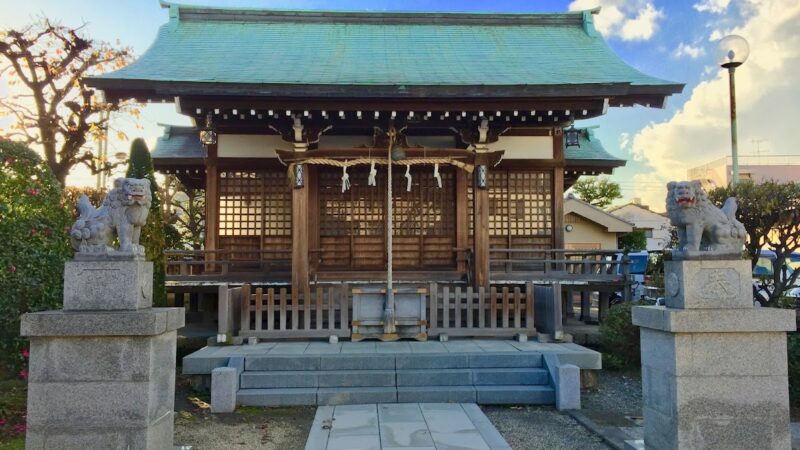
Then, in 1961 (Showa 36),** the current shrine building was completed, and Yasukata Shrine achieved a magnificent reconstruction. This shrine building is still carefully maintained today as a symbol of the unity of the local community after the war.
Highlights of the Shrine Grounds
Shrine Building
The shrine building, rebuilt in 1961 (Showa 36), is a simple yet solemn wooden structure. Built with the hopes and dreams of the local people during the post-war reconstruction period, the shrine conveys the passion for reconstruction of that time to modern visitors.
Subsidiary Shrine: Inari Shrine
An Inari Shrine is enshrined within the grounds of Yasukata Shrine. Inari is known as the god of business prosperity and abundant harvests, and is revered by local merchants, industrialists, and agricultural workers.
Inari shrines are one of the most widely worshipped deities throughout Japan, and this shrine holds an important position within the grounds of Yasukata Shrine.
Charm as a Cherry Blossom Spot
Many cherry trees are planted on the shrine grounds, and in spring, the beautiful blossoms are in full bloom. Despite being located in an urban area along the Loop Route 8, it is a precious space where one can feel the changing seasons.
During cherry blossom season, local residents visit and can be seen quietly enjoying the blossoms. It can be said to be a hidden cherry blossom spot that allows you to forget the hustle and bustle of the city.
Quiet Shrine Environment
Although located along Loop Route 8, a busy main road, the shrine grounds are surprisingly quiet. The space surrounded by trees blocks out the noise of the city, providing visitors with a peaceful time.
For those seeking solace away from the hustle and bustle of everyday life, and for those wishing to offer quiet prayers, this is an ideal environment for worship.
Access
Access by Train
Nearest Station: Tokyu Tamagawa Line “Yaguchi-Wataru Station”
Travel Time: Approximately 2 minutes on foot
Access from Yaguchi-Wataru Station is very convenient. Exit the station and head towards Loop Route 8; you will arrive immediately.
Other Nearest Stations:
- Approximately 8 minutes on foot from Tokyu Tamagawa Line “Hasunuma Station”
Access by Car
Located along Loop Route 8, it is also accessible by car. However, information regarding dedicated parking is limited, so we recommend using public transportation.
There are also coin-operated parking lots nearby, so please consider using them if you are visiting by car.
Landmarks in the Area
Due to its location along Loop Route 8, using the road as a landmark will make it easy to find. It is located on the way from Yaguchi-Wataru Station towards Loop Route 8. ## About Goshuin (Shrine Seals)
Yasugata Shrine does not offer Goshuin. If your purpose for visiting is to collect Goshuin, it is recommended to check in advance.
Even without a Goshuin, visiting the quiet grounds and experiencing the atmosphere of this historic shrine is well worth it.
Annual Festival and Events
Annual Festival (August 15th)
Yasugata Shrine’s annual festival is held every year on August 15th. This is the most important festival for the shrine, a Shinto ritual to express gratitude for the past year and pray for future peace.
It is an important opportunity for local parishioners and devotees to gather and pass on the shrine’s history and traditions to the next generation.
Nearby Shrines and Temples
There are other shrines and temples to visit around Yasugata Shrine. It is recommended to explore the Tamagawa area of Ota Ward and the area around Yaguchi-Wataru Station, visiting several temples and shrines.
The Tokyu Tamagawa Line is dotted with historical shrines and temples, making it an ideal route for shrine pilgrimages.
Manners and Etiquette for Visiting Shrines
Basic Etiquette for Visiting Shrines
- Bow before passing through the torii gate: This is a sign of respect before entering the sacred area.
- Purify yourself at the water basin: Purify your left hand, then your right hand, then your mouth.
- Avoid the center of the path: The center is considered the path of the gods.
- Etiquette at the main hall: The basic procedure is two bows, two claps, and one bow.
Attire for Visiting Shrines
There are no specific dress code requirements, but it is advisable to wear clothing that reflects the sacred nature of the place.
Summary of the Charms of Yasukata Shrine
Yasugata Shrine has the following characteristics:
- Excellent Access: Conveniently located just a 2-minute walk from Yaguchi-Wataru Station
- Peaceful Environment: A tranquil shrine grounds despite being in an urban area
- Rich in History: Embodying the region’s history of recovery from war damage
- Beauty of Cherry Blossoms: The shrine grounds are adorned with cherry blossoms in spring
- Community-Oriented: Serving as the guardian deity of the region since the time of Yasukata Village
While not a large-scale tourist shrine, it is a shrine worth visiting as a place of faith rooted in the community and a quiet space for prayer in the heart of the city.
Shrine Culture of Ota Ward and Yasukata Shrine
Ota Ward is home to many shrines and temples, each conveying the history and culture of the region. Yasukata Shrine is one such shrine, playing an important role in conveying the history of the former Yasukata Village to the present day.
Its history of recovery from war damage overlaps with the history of post-war reconstruction throughout Ota Ward. Many shrines and temples suffered damage in the air raids of 1945, but there are many examples of shrines other than Yasukata Shrine that were rebuilt through the efforts of local residents.
Visitor Feedback
The following are comments from visitors who have actually visited Yasukata Shrine:
- “It was surprisingly quiet and peaceful, considering it’s located along the Loop Route 8.”
- “It’s right near Yaguchi-Wataru Station, so I was able to easily visit while taking a walk.”
- “I visited during cherry blossom season, and the cherry blossoms in the shrine grounds were beautifully in bloom.”
- “It’s a small shrine rooted in the community, but I got the impression that it’s carefully maintained.”
These comments show that Yasukata Shrine is loved and cherished by the local people.
Summary: Reasons to Recommend Visiting Yasukata Shrine
Yasugata Shrine is a historical shrine located in Tamagawa, Ota Ward, Tokyo. Its history of faith dating back to the Edo period, its recovery from war damage, and its continued connection with the community to the present day are major attractions of this shrine.
Yasukata Shrine boasts excellent accessibility, being just a two-minute walk from Yaguchi-Wataru Station, a tranquil setting despite being located along the Loop Route 8, and a beautiful cherry blossom viewing experience in spring—characteristics unique to urban shrines.
While they do not offer Goshuin (shrine stamps), Yasukata Shrine is a worthwhile place to visit for those seeking quiet prayer, a sense of local history, or a respite from the hustle and bustle of the city.
When exploring the area along the Tokyu Tamagawa Line or visiting shrines in Ota Ward, be sure to stop by Yasukata Shrine. The blessings of Homudawake-no-Mikoto and the peaceful atmosphere of the shrine grounds will warmly welcome visitors.