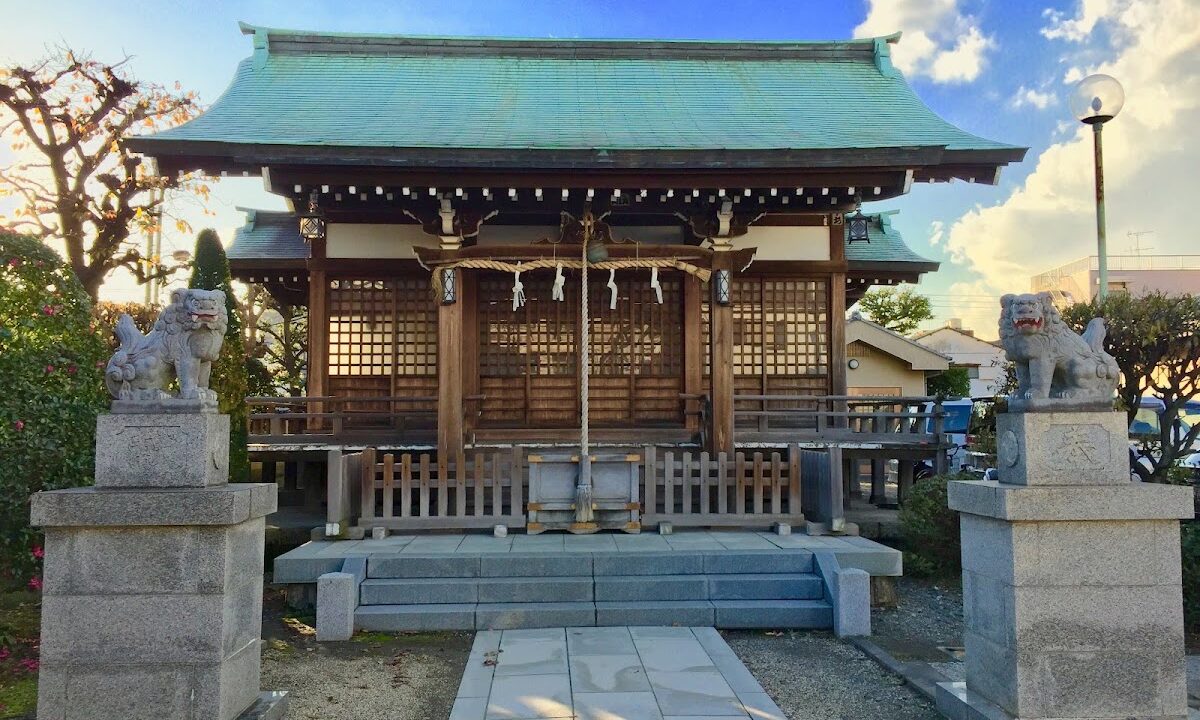
Complete Guide to Michizuka Shrine (Ota Ward, Tokyo) | History, Deities, Access, and Annual Festival Information
Michizuka Shrine, located in Shin-Kamata, Ota Ward, Tokyo, is a historic shrine with a history dating back to the Edo period. Formerly known as “Nichigetsu-gu,” this shrine, beloved by the local community, enshrines Amaterasu Omikami as its principal deity and continues to be revered as the guardian deity of the Shin-Kamata area, boasting approximately 1,800 parishioners.
This article comprehensively introduces all the information you need to know before visiting Michizuka Shrine, including its detailed history, enshrined deities, highlights within the grounds, annual events, and access methods.
Basic Information about Michizuka Shrine
Location
Address: 3-4-10 Shin-Kamata, Ota Ward, Tokyo 144-0054
Michizuka Shrine is located in a quiet residential area of Shin-Kamata, Ota Ward. This area was formerly called “Michizuka,” and the shrine’s name originates from this old place name.
Shrine Rank and Management
- Former Shrine Rank: Unranked Shrine
- Chief Priest: Takeshi Suzuki
- Parish Area: Shin-Kamata 2-chome and 3-chome
- Number of Worshipping Households: Approximately 1,800 households
- Shrine Building Style: Corrugated iron roof, flowing style
Deities Enshrined
The deities enshrined at Michizuka Shrine are as follows:
Main Deity
Amaterasu Omikami
Also known as Amaterasu Omikami, she is the supreme deity in Japanese mythology, a goddess who personifies the sun. She is revered as the ancestral deity of the Imperial family and is enshrined at the Inner Shrine of Ise Grand Shrine. Because Michizuka Shrine enshrines Amaterasu Omikami as its main deity, it is affectionately known as “O-Ise-sama” by the local people.
Deities Enshrined Together
In 1914 (Taisho 3), the following nearby shrines were enshrined together:
- Aburayama Inari Daimyojin
- Shinmei-gu
- Kumano Daigongen
- Kayaba Inari Daimyojin
These deities are also enshrined at Dozuka Shrine, bestowing various divine blessings such as abundant harvests, business prosperity, and family safety.
History of Dozuka Shrine
From Founding to the Edo Period
The exact founding date of Dozuka Shrine is unknown, but it already existed as “Jitsugetsu-gu” during the Edo period. The name Jitsugetsugetsu-gu indicates that it was a shrine dedicated to the sun and moon, a name that strongly reflects the characteristics of the syncretism of Shinto and Buddhism.
Throughout the Edo period, Jitsugetsugetsu-gu was managed by the adjacent Dairaku-ji as its head temple. A “Bettō-ji” refers to a temple that managed a Shinto shrine during the era of syncretism between Shinto and Buddhism, illustrating the close relationship between shrines and Buddhism at that time.
Renaming in 1831
In 1831 (Tenpō 2), the shrine was renamed from “Nichigetsu-gū” to “Tensō Shrine“. This renaming was intended to more clearly indicate the principal deity, Amaterasu Ōmikami (Tensō). The name Tensō Shrine became a common name for shrines dedicated to Amaterasu Ōmikami and was widely used from the late Edo period to the Meiji era.
Consolidation and Renaming to the Current Shrine Name in 1914 (Taishō 3)
1914 (Taishō 3) marked a significant turning point for Michizuka Shrine. In this year, four shrines scattered in the vicinity—Aburayama Inari Daimyōjin, Shinmei-gū, Kumano Daigongen, and Kayaba Inari Daimyōjin—were consolidated into Tensō Shrine.
Following this merger, the shrine was renamed “Michizuka Shrine,” after the former place name “Michizuka.” This name has been passed down to the present day, preserving the history of the region.
From Modern to Contemporary Times
Even as times have changed from Showa to Heisei and Reiwa, Michizuka Shrine continues to attract the faith of local residents as the guardian deity of the Shin-Kamata area. Having survived war damage and amidst urbanization, its continued presence in a quiet residential area makes it a living witness to the region’s history.
Highlights of the Shrine Grounds
Shrine Building
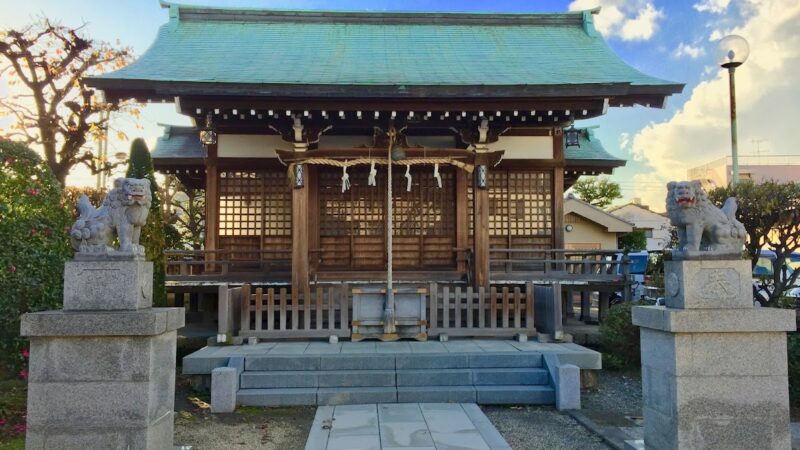
The shrine building of Michizuka Shrine is constructed in the Totanbuki Nagare-zukuri style. Nagare-zukuri is one of the representative styles of Japanese shrine architecture, characterized by its elegant shape with a long, forward-extending roof.
Despite being located in a residential area, the shrine building maintains a tranquil atmosphere, quietly welcoming visitors.
Atmosphere of the Shrine Grounds
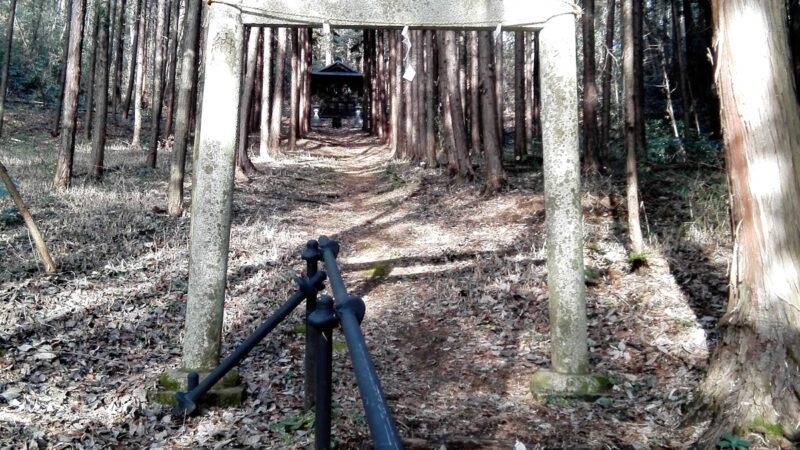
Located in the residential area of Shin-Kamata, the grounds of Michizuka Shrine offer a tranquil space that allows you to forget the hustle and bustle of the city. Though compact, the well-maintained grounds serve as a place of relaxation for local residents who visit daily for worship.
Within the grounds, there is also a shrine dedicated to multiple deities, allowing visitors to pay their respects to several gods at once, making it popular with many worshippers.
List of Festivals and Events
Michizuka Shrine holds various festivals and events throughout the year.
Annual Grand Festival
The most important event at Michizuka Shrine is the Annual Grand Festival. Held every autumn, it is a grand festival involving the entire community.
The following events take place during the annual festival:
- Portable Shrine Procession: The portable shrine is paraded through the parish area, praying for the safety and prosperity of the community.
- Offering Performances: Various offerings and performances are presented by local residents.
- Stalls: Numerous stalls line the shrine grounds and surrounding areas, adding to the festive atmosphere.
The annual festival is an important community event for local residents, providing a place for intergenerational interaction.
Other Annual Events
- Hatsumode (January 1st-3rd): The shrine is bustling with worshippers praying for safety and prosperity in the new year.
- Setsubun Festival (around February 3rd): Events such as bean-throwing are held.
- Shichi-Go-San (around November 15th): The shrine is bustling with families celebrating their children’s growth.
- Monthly Festivals: Regular monthly festivals are held.
Please note that the specific dates of festivals may change depending on the year. It is recommended to check with the shrine or the Rokugo Shrine General Assembly before visiting.
Access Information
Nearest Stations and Lines
The following train stations are convenient for accessing Michizuka Shrine.
Keikyu Main Line “Kamata Station”
- Distance: Approximately 10 minutes on foot
- Route: From the west exit of Kamata Station, head towards Loop Route 8 and then towards Shin-Kamata 3-chome.
Keikyu Kamata Station is the most frequently used station for accessing Dozuka Shrine. The route from the station to the shrine is mostly flat and easy to follow, even for first-time visitors.
JR Keihin-Tohoku Line “Kamata Station”
- Distance: Approximately 12 minutes on foot
- Route: From the west exit of JR Kamata Station, head towards Keikyu Kamata Station and then to Shin-Kamata.
JR Kamata Station is also within walking distance. While slightly further than Keikyu Kamata Station, it’s a convenient access method for JR users.
Tokyu Tamagawa Line “Hasunuma Station”
- Distance: Approximately 8 minutes on foot
- Route: From Hasunuma Station towards Shin-Kamata 3-chome
Hasunuma Station is one of the closest stations in terms of distance. This is a convenient route for Tokyu Line users.
Nearest Bus Stop and Routes
Access by bus is also possible.
“Shin-Kamata 3-chome” Bus Stop
- Distance: Approximately 3 minutes on foot
- Routes: Tokyu Bus, Keikyu Bus, etc.
This is the closest bus stop to the shrine and the most convenient if using the bus.
“Keikyu Kamata Station” Bus Stop
- Distance: Approximately 10 minutes on foot
- Routes: Multiple routes depart from and arrive at this stop
Accessible on foot from around Keikyu Kamata Station.
Access by Car
Address: Please enter 3-4-10 Shin-Kamata, Ota-ku, Tokyo into your car navigation system.
Parking: Parking at the shrine is limited, so we recommend using public transportation when visiting. If you are coming by car, please use a nearby coin-operated parking lot.
Manners and Points for Visiting
Etiquette for Visiting
Visiting Michizuka Shrine follows general shrine etiquette.
- When passing through the torii gate: Bow before entering the shrine grounds.
- Purifying at the water basin: Purify your left hand, then your right hand, then your mouth.
- Worship at the main hall: Worship using the two bows, two claps, and one bow method.
- When leaving: Turn around and bow as you exit the torii gate.
Suitable Time to Visit
Michizuka Shrine is generally open for worship at any time during the day, but for those who wish to worship in peace, weekday mornings are recommended. The shrine becomes crowded with many worshippers during events such as the annual festival.
About Goshuin (Shrine Seals)
The issuance of Goshuin may be limited to the hours when the chief priest is present. If you wish to be sure to receive a Goshuin, we recommend inquiring in advance.
Nearby Attractions
Dairakuji Temple
Adjacent to Michizuka Shrine is Dairakuji Temple, which was formerly the shrine’s affiliated temple. We recommend visiting this temple as well, as it offers a glimpse into the history of the Shinto-Buddhist syncretism era.
Tourist Attractions in the Kamata Area
The Kamata area, where Michizuka Shrine is located, has many other attractions:
- Shopping Streets around Kamata Station: Enjoy the lively atmosphere of a traditional downtown area.
- Tama River Riverbed: A natural space perfect for walks and sports.
- Haneda Airport: Approximately 15 minutes by train from Kamata.
Divine Virtues and Blessings of Michizuka Shrine
Divine Virtues of Amaterasu Omikami
The main deity, Amaterasu Omikami, is believed to bestow the following divine virtues:
- National Peace and Security
- Good Fortune and Prosperity
- Protection from Evil
- Family Safety
- Fulfillment of Wishes
Blessings of Enshrined Deities
You can also receive various blessings from the enshrined deities:
- Inari God: Business prosperity, abundant harvests
- Kumano Daigongen: Health and longevity, matchmaking
Role as a Local Community
Michizuka Shrine is more than just a place of worship; it plays a vital role as the center of the Shin-Kamata community.
Parishioner Organization
Supported by approximately 1,800 parishioners, Michizuka Shrine serves as a place to deepen community bonds through regular cleaning activities and the management of festivals.
Place for Intergenerational Exchange
Events such as the annual festival and Shichi-Go-San (a traditional Japanese rite of passage for children) provide opportunities for people of all ages, from the elderly to children, to gather and interact. In today’s increasingly urbanized world, Michizuka Shrine is a valuable presence as a place to maintain such community ties.
Summary
Michizuka Shrine is a historical shrine that has watched over the Shin-Kamata area for hundreds of years, from its Edo-period name, Nichigetsu-gu, through Tenso-jinja, to its current name. With Amaterasu-Omikami as its principal deity, and enshrining multiple other deities, it bestows diverse divine blessings.
Located within easy walking distance of Keikyu Kamata Station and JR Kamata Station, the shrine grounds maintain a quiet and peaceful atmosphere, making it an ideal place to escape the hustle and bustle of the city and find peace of mind.
Annual events, including the Grand Festival, are important local events cherished by many. From New Year’s visits and Shichi-Go-San (a traditional rite of passage for children) to exorcisms, Michizuka Shrine remains a spiritual haven for the local community, serving as a place to pray for life’s milestones and to express daily gratitude.
When visiting Ota Ward, be sure to stop by Michizuka Shrine and experience its history and tranquil atmosphere. You’ll feel the warmth unique to a shrine deeply rooted in the community and the divine blessings of Amaterasu Omikami.