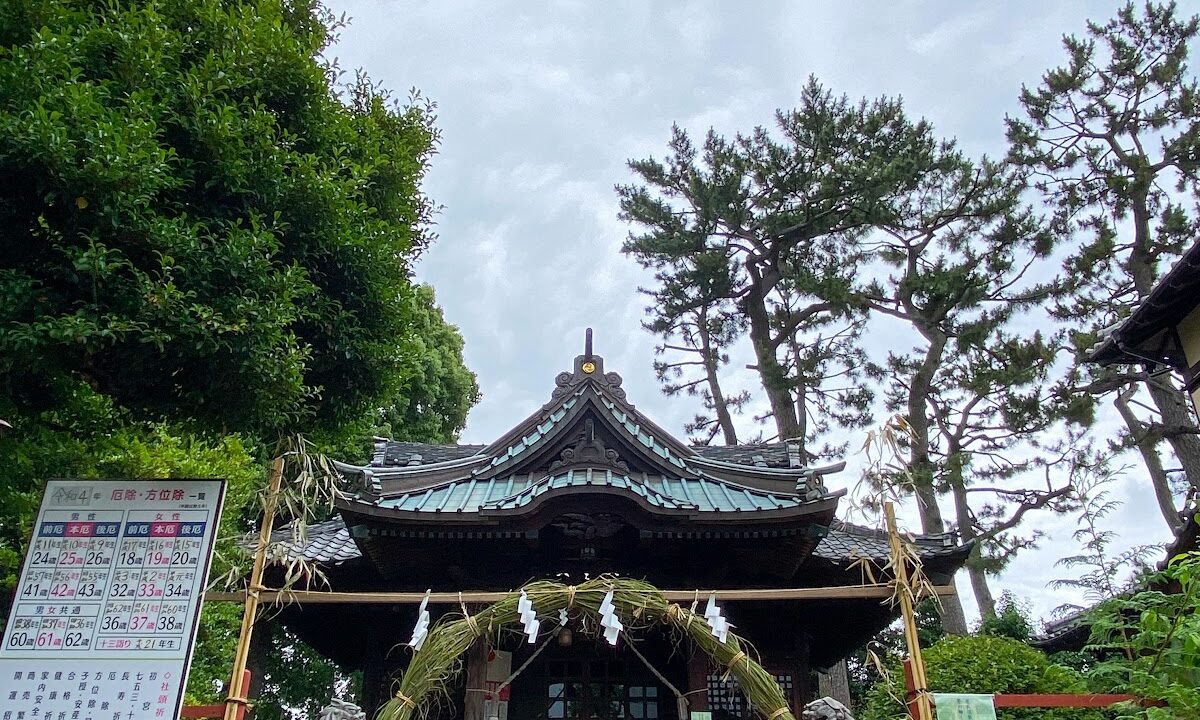
Complete Guide to Higashi Tamagawa Shrine (Setagaya Ward, Tokyo) | History, Goshuin (Shrine Seals), Access, and Highlights
Higashi Tamagawa Shrine, located in Higashi Tamagawa, Setagaya Ward, Tokyo, is a unique shrine with a history dating back to the Edo period, yet rebuilt in the early Showa era. This guide provides a detailed explanation of the shrine, including its history and visiting information, highlighting its valuable cultural assets such as a shrine building approximately 400 years old and a statue of a flame dragon.
Basic Information about Higashi Tamagawa Shrine
Location and Access
Address: 1-32-9 Higashi Tamagawa, Setagaya Ward, Tokyo
Higashi Tamagawa Shrine is located in the Higashi Tamagawa area, in the southern part of Setagaya Ward. It is a quietly situated shrine within a residential area, surrounded by a peaceful atmosphere.
Access from the Nearest Station
Higashi Tamagawa Shrine is accessible from several stations. Detailed access information from each nearest station is provided below.
From Tokyu Ikegami Line “Yukigaya-Otsuka Station”
- Approximately 11 minutes on foot (most convenient route)
- Head towards Jiyu-dori from the station, then turn left before Nakahara-kaido
- Distance: Approximately 850m
From Tokyu Meguro Line “Okusawa Station”
- Approximately 11 minutes on foot
- Route through the residential area from the north exit
- Distance: Approximately 900m
From Tokyu Toyoko Line “Den-en-chofu Station”
- Approximately 13 minutes on foot
- Route towards the Higashi-Tamagawa area from the Tamagawa River area
- Distance: Approximately 1km
Access by Bus
Take a bus bound for Tamagawa Station from the north exit of Okusawa Station on the Tokyu Meguro Line and get off at “Higashi-Tamagawa Police Box.” The shrine is right in front of the bus stop. However, this bus route runs only about once every two hours, so you need to check the timetable.
Deities Enshrined
Two deities are enshrined at Higashi Tamagawa Shrine.
Takeminakata-no-Mikoto
- Main deity of Suwa Grand Shrine
- God of martial arts and agriculture
- Blessings of good fortune in competitions and abundant harvests
Oyamakui-no-Mikoto
- Main deity of Hiyoshi Grand Shrine
- God of mountains and local deities
- Blessings of family safety and business prosperity
This combination of deities is deeply related to the origins of Higashi Tamagawa Shrine.
History of Higashi Tamagawa Shrine
Founding in the Edo Period and Suwa Shrine
The predecessor of Higashi Tamagawa Shrine was Suwa Shrine, founded in this area during the Edo period. It served as the guardian shrine of the then Higashi Tamagawa Village (formerly Tamagawa Village), attracting the faith of the local people. The Suwa Shrine, dedicated to Takeminakata-no-Mikoto, functioned as a place to pray for the peace of the village and a bountiful harvest.
Consolidation and Abolition in the Meiji Era
During the Meiji era, the government’s policy of consolidating shrines led to the merger and abolition of many small shrines. The Suwa Shrine in Higashi-Tamagawa was no exception, and it was abolished by being merged with the nearby Tamagawa Shrine. During this period, numerous village shrines and small altars disappeared throughout Japan.
Reconstruction in 1928
Approximately half a century after its abolition, in 1928 (Showa 3), due to strong demand from local residents, the shrine was rebuilt as Higashi-Tamagawa Shrine. At this time of reconstruction, Oyamakui-no-Mikoto was also enshrined alongside Takeminakata-no-Mikoto, resulting in the current two-deity system.
For the reconstruction, local people cooperated, raising funds to construct the shrine buildings. This strong sense of community at that time forms the foundation of Higashi-Tamagawa Shrine, which continues to this day.
Relocation of the Shrine Building in 1939
In 1939, a significant event occurred for Higashi Tamagawa Shrine: the relocation of its shrine building, which has a history of approximately 400 years. This building, originally located in Shibuya, is a valuable structure that preserves the architectural style of the early Edo period.
This relocation gave Higashi Tamagawa Shrine, while rebuilt in the early Showa period, the unique characteristic of possessing a shrine building with a 400-year history.
Cultural Properties and Highlights
Shrine Building from Approximately 400 Years Ago
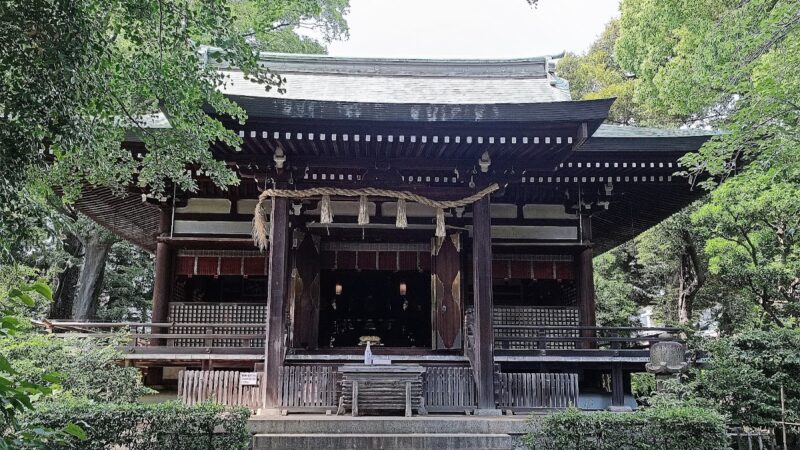
The greatest highlight of Higashi Tamagawa Shrine is its shrine building, which was relocated from Shibuya in 1939 and is approximately 400 years old. This shrine building, which retains the architectural style of the early Edo period, is known as a valuable historical building within Setagaya Ward.
The shrine building is constructed in a traditional wooden style, and the texture of the wood, aged over many years, creates a unique atmosphere. Although small in scale, the meticulous craftsmanship down to the smallest detail speaks to the high level of skill of the artisans of the time.
Flame Dragon God Statue (Ceiling Painting of the Front Hall)
A must-see at Higashi Tamagawa Shrine is the Flame Dragon God statue painted on the ceiling of the front hall. This ink painting depicts the dragon in a frontal, seated, and reclining position, and is known for its power and high artistic quality.
Characteristics of the Flame Dragon God Statue
- Powerful brushstrokes using ink
- Dynamic composition of the dragon enveloped in flames
- Frontal, seated, and reclining posture
- Expression of high-ranking dignity purifying the surroundings
- The ferocity of the dragon’s energy is expressed through the flames
There is a belief that worshippers can receive the protection of the dragon god by looking up at this ceiling painting, and many people raise their heads to worship its image. Despite being an ink painting, it brilliantly expresses a sense of dynamism as if it were alive, and the intensity of the flames is wonderfully depicted. When viewing the ceiling painting, you should enter the area beneath the front of the shrine building and look straight up. Since the dragon’s expression changes depending on the lighting, it’s recommended to visit at different times of the day.
Atmosphere of the Shrine Grounds
The grounds of Higashi Tamagawa Shrine are small but neatly maintained, creating a refreshing space. Despite being located in a residential area, stepping onto the grounds envelops you in a tranquil atmosphere.
The grounds include a purification fountain, the shrine building, and the shrine office, and the grounds are adorned with seasonal plants. Especially during the seasons of fresh greenery and autumn leaves, the green and red of the trees create a beautiful contrast with the ancient timbers of the shrine building.
Goshuin (Shrine Seal) Information
Issuance of Goshuin
Higashi Tamagawa Shrine offers goshuin (shrine seals). Many visitors receive goshuin as an important record of their connection with the shrine.
Features of the Goshuin (Shrine Seal)
- Carefully written in ink
- The shrine seal of Higashi Tamagawa Shrine
- Inscription of the date of visit
How to Obtain a Goshuin
If you wish to receive a Goshuin, please inquire at the shrine office. However, they may not always be available, so if you want to be sure to receive a Goshuin, it is recommended to check the visiting hours in advance.
Even if you do not have a Goshuin book, pre-written Goshuin may be available. The offering fee is similar to that of most shrines, around 300 to 500 yen.
Points for a Goshuin Pilgrimage
Higashi Tamagawa Shrine can be included in a Goshuin pilgrimage route within Setagaya Ward. There are many other historical shrines scattered around, making it possible to visit multiple shrines in a single day.
There are also other temples and shrines to visit around Yukigaya-Otsuka Station and Okusawa Station, so you can enjoy a temple and shrine pilgrimage in southern Setagaya Ward starting from Higashi Tamagawa Shrine.
Annual Events and Festivals
Grand Festival
At Higashi Tamagawa Shrine, the Grand Festival is held once a year. This is the most important festival for the shrine, where local people gather to express gratitude to the gods and pray for peace in the community.
During the Grand Festival, lanterns adorn the shrine grounds, creating a lively atmosphere unlike the usual. Local parishioners play a central role in supporting the festival and preserving its traditions.
New Year’s Visit
For the New Year’s visit, local people and their families come to pray. While not as crowded as large shrines, it is bustling with local people from New Year’s Day through the third day.
For those who wish to quietly offer their prayers for the New Year, a visit to a community-based shrine like Higashi Tamagawa Shrine is recommended.
Seasonal Festivals
Throughout the year, seasonal festivals such as the Setsubun Festival, the Summer Purification Ceremony, and the Autumn Harvest Thanksgiving Festival are held. These festivals offer a valuable opportunity to preserve and pass on traditional Japanese annual events.
Benefits of Visiting
Good Fortune in Competitions and Military Success
The main deity, Takeminakata-no-Mikoto, is known as the god of martial prowess, and many people visit the shrine to pray for success in competitions and contests. Many people visit when they want to receive blessings for important life events such as entrance exams, job hunting, and sports matches.
Abundant Harvests and Business Prosperity
Takeminakata-no-Mikoto is also the god of agriculture, and Oyamakui-no-Mikoto, as a local guardian deity, is believed to bring good fortune in business. Local shop owners and agricultural workers visit the shrine to pray for the prosperity of their businesses.
Family Safety and Health Prayer
As the guardian shrine of the region, many visitors pray for the health and safety of their families. In particular, Oyamakui-no-Mikoto, as the god of mountains and protector of the region, is believed to bring good fortune in family safety.
Protection from Evil and Misfortune
Because of the statue of the Flame Dragon God, symbolizing the power of the Dragon God, some people visit the shrine seeking protection from evil and warding off negative energy. The Dragon God is believed to control water and have the power to wash away all kinds of misfortunes.
Nearby Spots and Tourist Information
Around Yukigaya-Otsuka Station
The area around the nearest station, Yukigaya-Otsuka Station, has a shopping street with many restaurants and cafes. You can stop by before or after your visit to enjoy the local atmosphere.
Denenchofu Area
Within walking distance of Higashi Tamagawa Shrine is Denenchofu, known as an upscale residential area. You can stroll through the beautiful streets and feel the history of Tokyo’s residential areas.
Walking Along the Tama River
The Tama River is about a 15-minute walk from Higashi Tamagawa Shrine. The Tama River embankment is ideal for walking and jogging, and you can enjoy the nature of each season. We recommend enjoying a walk along the river in conjunction with your visit to the shrine. ### Nearby Shrines and Temples
Setagaya Ward boasts numerous shrines and temples, offering enjoyable temple and shrine tours, including Higashi Tamagawa Shrine. Historical temples such as Okusawa Shrine and Kuhonbutsu Jōshinji Temple are scattered throughout the area.
Manners and Precautions for Visiting Shrines
Basic Visiting Etiquette
- Bow before passing through the torii gate: A courtesy before entering the sacred area.
- Purify yourself at the water basin: Purify your left hand, then your right hand, then your mouth.
- Walk along the edge of the path: The center is considered the path of the gods.
- Two bows, two claps, one bow: The general etiquette for visiting shrines.
Photography
Photography is generally permitted within the shrine grounds, but please refrain from taking photos inside the shrine buildings or towards the sacred object. While photography of the ceiling painting of the Flame Dragon God is often permitted, please avoid using flash and be considerate of other visitors.
Visiting Hours
Higashi Tamagawa Shrine is generally open for daytime visits. However, the shrine office’s operating hours may be limited, so it’s recommended to check in advance if you wish to receive a Goshuin (shrine stamp) or prayers.
Visiting in the early morning or evening offers a quiet and sacred atmosphere, but visiting after dark should be avoided for safety reasons.
The Charm of Higashi Tamagawa Shrine
A Fusion of History and Modernity
The greatest charm of Higashi Tamagawa Shrine lies in its unique historical context: while rebuilt in the early Showa period, it possesses a 400-year-old shrine building. Having gone through a turbulent history from the Edo period Suwa Shrine to its abandonment in the Meiji era and subsequent reconstruction in the Showa era, it continues to function as a center of local faith.
Cultural Asset Value
The shrine building and the Flame Dragon God statue, relocated from Shibuya, are valuable cultural assets that tell the history of Setagaya Ward. The artistry of the Flame Dragon God statue, in particular, is highly regarded, and its artistic value is recognized.
A Faith Rooted in the Community
Unlike large-scale tourist shrines, Higashi Tamagawa Shrine is deeply rooted in the lives of the local people. It continues to play an unchanging role as a place of worship cherished and preserved by its parishioners and neighbors.
A Tranquil Worship Environment
Despite being located in a residential area, the shrine grounds are enveloped in a quiet and peaceful atmosphere. Because it is rarely crowded with tourists, visitors can worship at their own pace and find peace of mind.
The Origin of the Name Higashi Tamagawa
The name Higashi Tamagawa originates from its location on the east side of the Tama River. Formerly known as Tamagawa Village, it was an agricultural area that benefited from the bounty of the Tama River. After the Meiji Restoration and subsequent municipal mergers, it became the current Higashi Tamagawa in Setagaya Ward.
The Tama River has long been called “Tamagawa” and has been the center of life and culture in this region. The history of Higashi Tamagawa Shrine is also closely related to the development of the Tama River basin.
The Place of Shrines in Setagaya Ward’s Shrine Culture
Setagaya Ward has approximately 100 shrines, each conveying the history and culture of the region. Among them, Higashi Tamagawa Shrine is known for its unique history.
It was once abolished due to the Meiji-era shrine consolidation policy, but was revived through the enthusiasm of local residents, demonstrating the strength of the community’s faith. Furthermore, the fact that the shrine building was relocated from Shibuya is a fascinating historical fact that overlaps with the history of Tokyo’s urban development.
Why Visit
Higashi Tamagawa Shrine is recommended for the following types of people:
- For history buffs: You can trace the changes from the Edo period to the Showa era.
- For those interested in architecture and art: You can see the 400-year-old shrine building and the Flame Dragon God statue.
- For those who want to worship quietly: You can offer your prayers in a peaceful environment.
- For those collecting Goshuin (shrine stamps): It can be included in a Setagaya Ward temple and shrine pilgrimage route.
- For those who want to experience local culture: You can experience the religious culture that remains in a residential area of Tokyo.
Summary
Higashi Tamagawa Shrine, located in Higashi Tamagawa, Setagaya Ward, Tokyo, is a historical shrine that originated as the Suwa Shrine of the Edo period, was abolished in the Meiji era, and rebuilt in 1928 (Showa 3). The shrine building, which was relocated from Shibuya in 1939 (Showa 14) and is approximately 400 years old, and the magnificent Flame Dragon God statue painted on the ceiling of the front hall are major highlights of this shrine.
This shrine, dedicated to Takeminakata-no-Mikoto and Oyamakui-no-Mikoto, is believed to bring good fortune in competitions, abundant harvests, and family safety, and is revered by the local community. Conveniently located about an 11-minute walk from Yukigaya-Otsuka Station, it offers a peaceful environment for worship.
Higashi Tamagawa Shrine, steeped in the history and culture of Setagaya Ward, is a hidden gem in Tokyo and well worth a visit. Why not offer a quiet prayer amidst the ever-changing scenery of the shrine grounds throughout the seasons?