Complete Guide to Okusawa Shrine (Setagaya Ward, Tokyo) | The Giant Serpent Procession and a History Dating Back to the Muromachi Period
Located in Okusawa, Setagaya Ward, Tokyo, Okusawa Shrine is a historic shrine with a history dating back to the Muromachi period, beloved by the local community. This shrine, notable for its giant straw serpent hanging from its torii gate, is widely known for its “Giant Serpent Procession” held every September, which is designated as a Tokyo Metropolitan Government Intangible Folk Cultural Property. This article provides a detailed explanation of everything you need to know before visiting Okusawa Shrine, including its history, enshrined deities, highlights of the grounds, information on Goshuin (shrine stamps), and access methods.
Basic Information about Okusawa Shrine
Okusawa Shrine is conveniently located about a 2-minute walk from Okusawa Station on the Tokyu Meguro Line, or about a 5-minute walk from Jiyugaoka Station on the Tokyu Toyoko Line and Oimachi Line. The shrine grounds, quietly nestled in a residential area, offer a tranquil atmosphere that allows you to forget the hustle and bustle of the city.
Location: 5-22-1 Okusawa, Setagaya-ku, Tokyo
Former Shrine Rank: Village Shrine
Main Deities: Hondawake-no-mikoto, Ukanomitama-no-mikoto
Annual Grand Festival: Second Saturday and Sunday of September
History of Okusawa Shrine
Founding in the Muromachi Period and Okusawa Castle
Okusawa Shrine’s founding dates back to the Muromachi period. It is said that the Ohira clan, vassals of the Kira clan (lords of Setagaya Castle at the time), invited the deity to serve as the guardian deity of the eastern part of Setagaya-go when they built Okusawa Castle. Because of this history, Okusawa Shrine has watched over the Okusawa area for over 500 years.
Initially, it was called “Hachiman Shrine” and enshrined Hachiman, the guardian deity of samurai families. Okusawa Castle is believed to have existed around the present-day shrine, and it is thought that the shrine also served as the castle’s guardian deity.
Merger and Renaming in the Meiji Period
In 1910 (Meiji 43), Okusawa Shrine underwent a major transformation. The Koyasu Inari Shrine (Koyasu Inari Shrine), the guardian shrine of Okusawa Honmura, was merged with the Hachiman Shrine, the guardian shrine of Okusawa Shinden Village. This merger resulted in the shrine’s name being changed from “Hachiman Shrine” to “Okusawa Shrine,” its current name.
With this merger, in addition to Hachiman (Homudawake no Mikoto), Inari (Inari-no-Mikoto) was also enshrined, giving the shrine the characteristics of a shrine that governs both military fortune and abundant harvests.
Traditional Events from the Edo Period
The most distinctive feature of Okusawa Shrine is the “Great Serpent Procession,” a traditional event that has continued since the mid-Edo period. It is said to have been started by villagers praying for protection against an epidemic, and has been passed down for over 300 years. This Shinto ritual is an important cultural heritage of the region. It was designated a Setagaya Ward Intangible Folk Cultural Property in 1979, and further designated a Tokyo Metropolitan Government Intangible Folk Cultural Property (Customs and Practices) in 2016.
Deities and Divine Virtues
Hondawake-no-Mikoto
Hondawake-no-Mikoto is the deified form of Emperor Ojin, the 15th emperor, and is the principal deity enshrined at Hachiman shrines throughout Japan. Known as the god of military fortune and victory, he has been widely worshipped by people from samurai to commoners. He also has aspects of a god of education and culture, and is believed to bring blessings for academic success and improvement in skills.
Ukanomitama-no-Mikoto
Ukanomitama-no-Mikoto is the god of grain and food, known as Inari-sama. This deity is believed to bring blessings of abundant harvests, business prosperity, and family safety, and is cherished as a god closely connected to the lives of ordinary people. It came to be enshrined at Okusawa Shrine during the Meiji period through a consolidation of shrines.
Expected Blessings
At Okusawa Shrine, you can expect the following blessings:
- Protection from Evil and Disaster: A belief in protection from evil originating from the Great Serpent Procession Ritual
- Long-lasting Military Fortune and Good Luck in Competitions: Divine virtues as Hachiman-sama
- Academic Success and Improvement in Skills: The cultural aspects of Emperor Ojin
- Business Prosperity and Abundant Harvests: Divine virtues as Inari-sama
- Family Safety: Comprehensive protection as the guardian deity of the region
Highlights of the Shrine Grounds
Torii Gate Wrapped in a Great Serpent
The first thing you’ll see when visiting Okusawa Shrine is the giant straw serpent wrapped around the torii gate of the main approach. Where a shimenawa (sacred rope) would normally be hung at a shrine, a large snake, approximately 10 meters long, is entwined around it, watching over worshippers. This snake was used in the annual festival and hangs on the torii gate for a year as a symbol of protection against evil.
This unique sight is the most distinctive feature of Okusawa Shrine and has become a topic of conversation on social media. The impressive sight of the snake is also a popular spot for taking photos.
Architectural Style of the Shrine
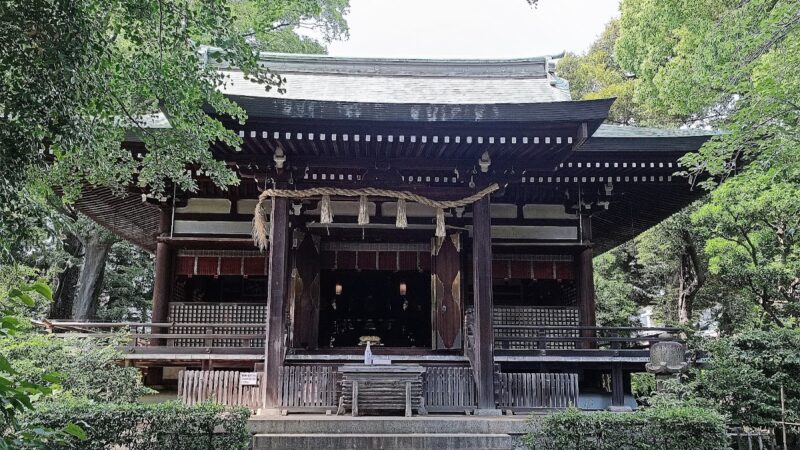
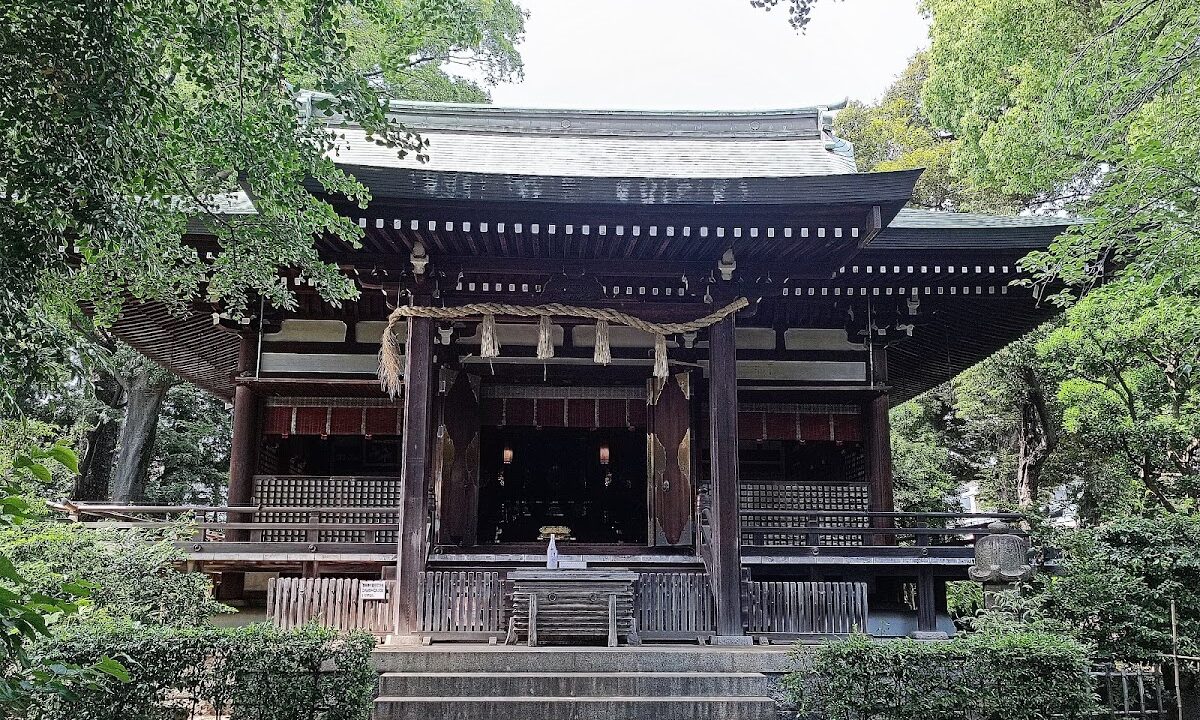
The current shrine building is constructed using high-quality Owari cypress wood and adopts the architectural style of the Muromachi period. The shrine, which harmoniously blends the warmth of wood with traditional aesthetic beauty, provides worshippers with a tranquil atmosphere.
The craftsmanship of artisans shines through in the details of the shrine building, and the carvings and decorations are particularly noteworthy. The carvings on the main hall are especially exquisite, and it is highly recommended to observe them closely during your visit.
Subsidiary Shrines and Stone Monuments
In addition to the main hall, several subsidiary shrines and monuments are located within the shrine grounds. Each site has its own history and is a valuable historical landmark that tells the story of the region’s history. The grounds are not large, but they are meticulously maintained, preserving a refreshing atmosphere.
The Great Serpent Procession Ritual | Tokyo Metropolitan Government Designated Intangible Folk Cultural Property
Origin and History of the Ritual
The Great Serpent Procession Ritual is said to have originated in the mid-Edo period when, during an epidemic, Hachiman appeared in the dream of the village headman and instructed him that “if you carry a large serpent made of straw through the village, the epidemic will subside.” The villagers followed the instructions, made a serpent, and paraded it through the village, and the epidemic subsided. From this legend, it became established as a ritual for warding off evil.
Since then, it has been held annually during the September festival, and is now a traditional event with a history of over 300 years. This ritual involves parishioners carrying a large serpent called “Ja” through the town, creating a unique festival that leaves a strong impression on those who witness it.
Details and Highlights of the Ritual
The Great Serpent Procession Ritual takes place on the second Saturday of September (the eve of the festival). The giant serpent, made from rice straw, is approximately 10 meters long and weighs about 300 kilograms, carried by over 30 bearers.
The ritual begins in the afternoon. After the Shinto ceremony at the shrine, the group carrying the serpent parades through the parish area, chanting “Wasshoi, Wasshoi!” The procession continues until evening, with breaks taken at various points along the way. The bearers, clad in white robes, carry the serpent with serious expressions, creating a truly impressive sight.
Many spectators gather along the route, and as the serpent passes by, people can be seen clasping their hands together in prayer, hoping to receive the blessings of protection from evil. There is also a legend that receiving a small piece of the serpent’s straw will ward off evil, and after the procession, the area becomes bustling with people seeking straw.
Cultural Value
The Orochi Oneri Shinto ritual was designated an Intangible Folk Cultural Property of Setagaya Ward in 1979, and in 2016 it was designated an Intangible Folk Cultural Property (Customs and Practices) of Tokyo Metropolitan Government. Its value as a precious cultural heritage that conveys the folk beliefs of warding off disease and evil spirits that have continued since the Edo period is recognized.
This ritual, which has been preserved and passed down by local residents, remains an important event that deepens community bonds and is passed down through generations.
Annual Festival Schedule and Contents
The Okusawa Shrine Annual Festival is held over two days, on the second Saturday and Sunday of September each year.
Eve of the Festival (Saturday)
The main highlight of the eve of the festival is the aforementioned Orochi Oneri Shinto ritual. The ritual, which begins in the afternoon, continues until evening and attracts many spectators. Stalls are set up within the shrine grounds, adding to the festive atmosphere.
Main Festival (Sunday)
On Sunday, a joint procession of town mikoshi (portable shrines) takes place. Mikoshi from each neighborhood association within the shrine’s parish gather and parade through the town accompanied by energetic shouts. Children’s mikoshi also participate, immersing the entire community in the festival spirit.
Shinto music and dance performances are also held within the shrine grounds, allowing visitors to enjoy traditional performing arts. Stalls remain open, creating a family-friendly atmosphere.
Goshuin (Shrine Seal) and Goshuincho (Shrine Seal Book) Information
About Goshuin
Okusawa Shrine offers goshuin to visitors. The goshuin features the calligraphy of “Okusawa Shrine” and the shrine’s seal. While they are usually written directly into the goshuincho rather than being pre-printed, pre-printed goshuin may be provided during busy periods or when the shrine priest is absent.
Offering Fee: 500 yen (normally)
Reception Hours: 9:00 AM – 5:00 PM (Since priests may not always be present, it is recommended to check in advance if you wish to be sure to receive a Goshuin stamp.)
Original Goshuin Stamp Book
Okusawa Shrine offers an original Goshuin stamp book featuring a design of a giant snake. The cover depicts a giant snake coiled around the torii gate, a striking design that represents the unique characteristics of Okusawa Shrine. It is recommended as a memento for those collecting Goshuin stamps.
Limited-edition Goshuin Stamp for the Annual Festival
During the annual festival in September, limited-edition Goshuin stamps are sometimes offered. These stamps sometimes feature special designs and seals related to the giant snake procession ritual, making them popular among collectors.
Annual Events
In addition to the annual festival, Okusawa Shrine holds various annual events.
January
- New Year’s Day Festival: A festival celebrating the New Year
- Dondo-yaki: A ceremony to burn New Year’s decorations and amulets
February
- Setsubun Festival: A prayer for warding off evil spirits through bean-throwing
November
- Shichi-Go-San Festival: A season for visiting shrines to celebrate children’s growth
Every Month
- Monthly Festival: A regular festival held on the 1st of each month
These events demonstrate the role of the shrine in the lives of the local people.
Access Information
Access by Train
Okusawa Shrine is easily accessible by public transportation.
Nearest Stations:
- Tokyu Meguro Line “Okusawa Station”: Approximately 2 minutes on foot (closest station)
- Tokyu Toyoko Line/Oimachi Line “Jiyugaoka Station”: Approximately 5 minutes on foot
From Okusawa Station, head north after exiting the station and you will see the shrine immediately. From Jiyugaoka Station, head southeast through the residential area. The route from either station is flat and easy to follow.
Access by Car
There is no dedicated parking lot for the shrine, so please use nearby coin-operated parking lots if you are coming by car. However, as it is located in a residential area, we recommend using public transportation during busy times such as the annual festival.
Nearby Tourist Attractions
The following tourist attractions are located near Okusawa Shrine:
- Jiyugaoka: A popular town lined with stylish cafes and shops
- Kuhonbutsu Jōshinji: A Jōdo sect temple possessing a nationally important cultural property
- Todoroki Valley: The only valley within Tokyo’s 23 wards, perfect for nature walks
Visiting these spots in conjunction with your visit to the shrine is highly recommended.
Manners and Points for Visiting a Shrine
Basic Shrine Visit Etiquette
Please observe the basic shrine visit etiquette and offer your prayers with sincerity.
- Bow before passing through the torii gate: This is a courtesy before entering the sacred area.
- Purify yourself at the water basin: Purify your left hand, then your right hand, then your mouth.
- Walk along the edge of the path: The center is considered the path of the gods.
- Etiquette in front of the main hall: Two bows, two claps, and one bow is the basic procedure.
Regarding Photography
Photography is generally permitted within the shrine grounds, but please note the following:
- Be considerate of other worshippers.
- Refrain from photographing the interior of the shrine or Shinto priests.
- The large snake torii gate is a popular photo spot, but please be considerate of worshippers.
Suitable Time for Visiting
Weekday mornings are relatively quiet, allowing for a peaceful visit. Weekends and the annual festival period are crowded, but recommended for those who want to enjoy the festive atmosphere.
The Charm and Characteristics of Okusawa Shrine
A Quiet Sanctuary in the City
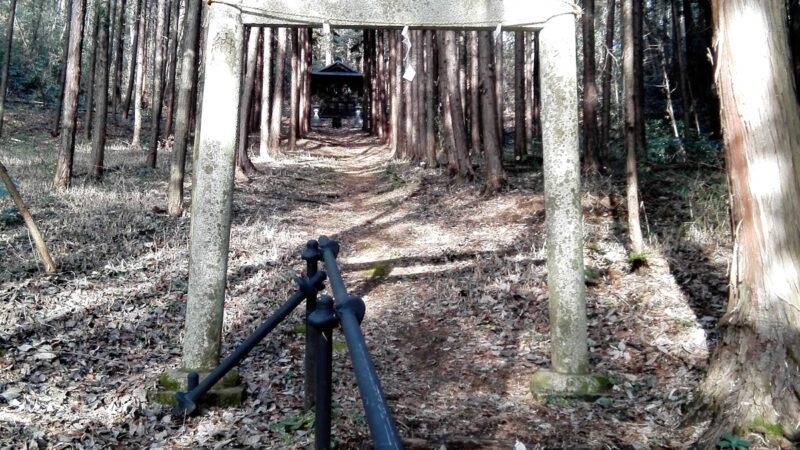
Despite being located near the bustling city of Jiyugaoka, stepping onto the shrine grounds reveals a sacred space enveloped in silence. Though a small shrine nestled in a residential area, its meticulously maintained grounds offer a refreshing and calming atmosphere.
A Faith Rooted in the Community
Since its founding in the Muromachi period, Okusawa Shrine has been revered as the guardian shrine of the community for over 500 years. Traditional events, including the Great Serpent Procession, are carefully preserved and passed down by local residents, and the shrine continues to play a central role in the community today.
A Unique Belief in Exorcism
The unique form of belief in exorcism through a giant serpent is rarely seen at other shrines. The enormous straw serpent hanging from the torii gate has a strong visual impact, symbolizing the power of its exorcism.
Easy Access
Its convenient location, within walking distance of two Tokyu Line stations, is another of Okusawa Shrine’s charms. Because it can be easily visited in conjunction with shopping and dining in Jiyugaoka, it is a popular spot for tourists.
Nearby Shrines and Temples
There are several other historical shrines and temples scattered around Okusawa Shrine.
Kuhonbutsu Jōshinji Temple
A Jōdo sect temple located about a 10-minute walk from Okusawa Shrine. The Sanbutsudo hall houses nine Amida Buddha statues designated as important national cultural properties. The vast grounds are beautiful with nature in every season, making it ideal for a stroll.
Kitazawa Hachiman Shrine
A Hachiman shrine located in Daizawa, Setagaya Ward, it shares a history with the Kira clan, just like Okusawa Shrine. The annual festival includes a joint procession of portable shrines, attracting local devotion.
Tamagawa Shrine
A shrine located near Todoroki Valley, it is characterized by its quiet atmosphere surrounded by nature. A visit in conjunction with a stroll through the valley is recommended.
Points to Note When Visiting Okusawa Shrine
Absence of Priests
Okusawa Shrine may not have a resident priest at all times. Therefore, if you want to be sure to receive a Goshuin (shrine stamp) or wish to request a prayer, it is recommended to call ahead to confirm.
Crowds During the Annual Festival
The annual festival in September, especially the Saturday when the Orochi Oneri (giant snake procession) takes place, is crowded with many spectators. If you want to visit at a leisurely pace, it is best to avoid the festival period or choose an early morning visit.
Consideration for the Residential Area
The shrine is located in a residential area. Therefore, especially when visiting early in the morning or late at night, please be considerate of the nearby residents. Please refrain from loud conversations and noise.
No Parking
There is no dedicated parking lot, so if you are coming by car, you will need to use a nearby coin-operated parking lot. However, the number of parking spaces in the surrounding area is limited, so using public transportation is more convenient.
Summary
Okusawa Shrine is a valuable cultural heritage site in Setagaya Ward, known for its history dating back to the Muromachi period and its Orochi Oneri Shinto ritual, a Tokyo Metropolitan Government-designated intangible folk cultural property. The unique sight of the giant straw snake hanging from the torii gate leaves an unforgettable impression.
Despite its convenient location within walking distance of Jiyugaoka and Okusawa stations, the shrine grounds are enveloped in a quiet and peaceful atmosphere, making it an ideal place to escape the hustle and bustle of the city and find peace of mind. Many worshippers visit seeking various blessings, including protection from evil, military success, and business prosperity.
Especially during the annual festival in September, you can witness the traditional Orochi Oneri Shinto ritual, which has continued for over 300 years, and experience the history and culture of the region firsthand. Goshuin (shrine stamps) are also available, making it a great choice for those collecting them.
Why not combine a visit to Okusawa Shrine with shopping and dining in Jiyugaoka? You will be able to feel the history that has continued since the Muromachi period and the spirit of faith that is deeply rooted in the region.