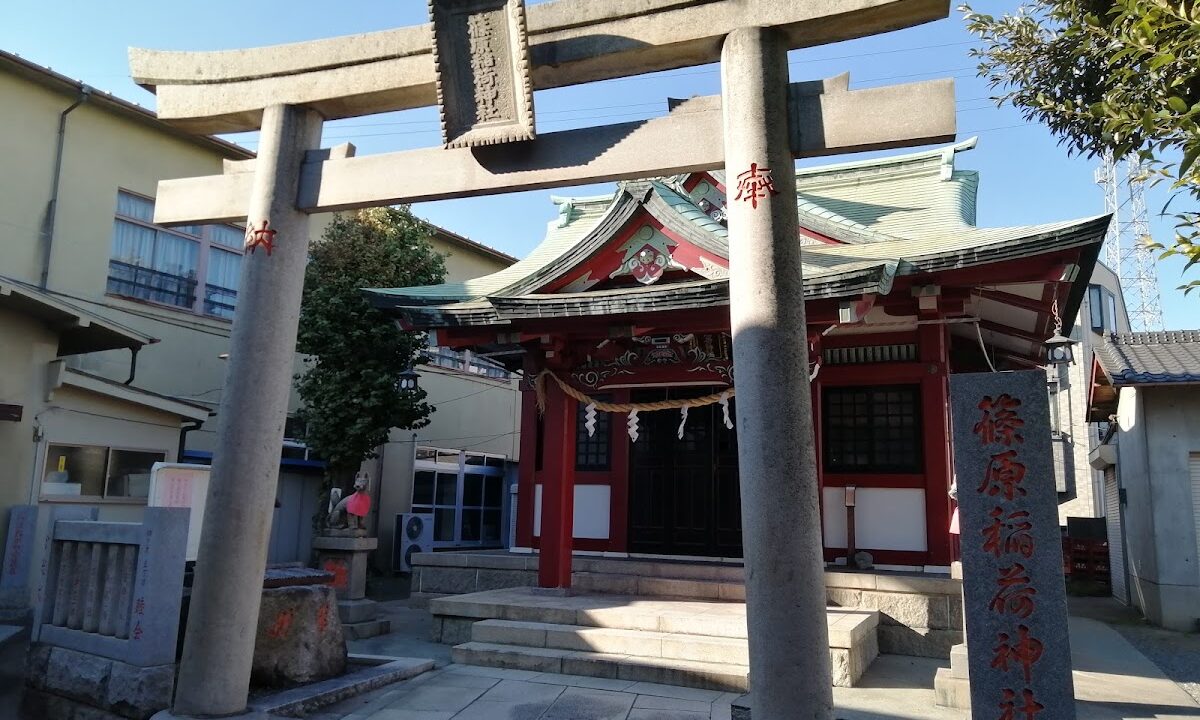
Complete Guide to Shinohara Inari Shrine (Katsushika Ward, Tokyo) | History, Goshuin (Shrine Seal), and Access Information
Shinohara Inari Shrine, located in Yotsugi, Katsushika Ward, Tokyo, is an Inari shrine that has watched over the community since the Genroku era. Founded as the guardian shrine of the former Shinohara Village, it has attracted the faith of local residents for over 300 years. This article provides detailed information necessary for visiting Shinohara Inari Shrine, including its history, enshrined deities, goshuin information, access methods, and highlights within the shrine grounds.
About Shinohara Inari Shrine
Shinohara Inari Shrine is an Inari shrine located at 4-19-33 Yotsugi, Katsushika Ward. Despite its convenient location within walking distance of Yotsugi Station on the Keisei Oshiage Line, it is known as a shrine that maintains a quiet and peaceful atmosphere.
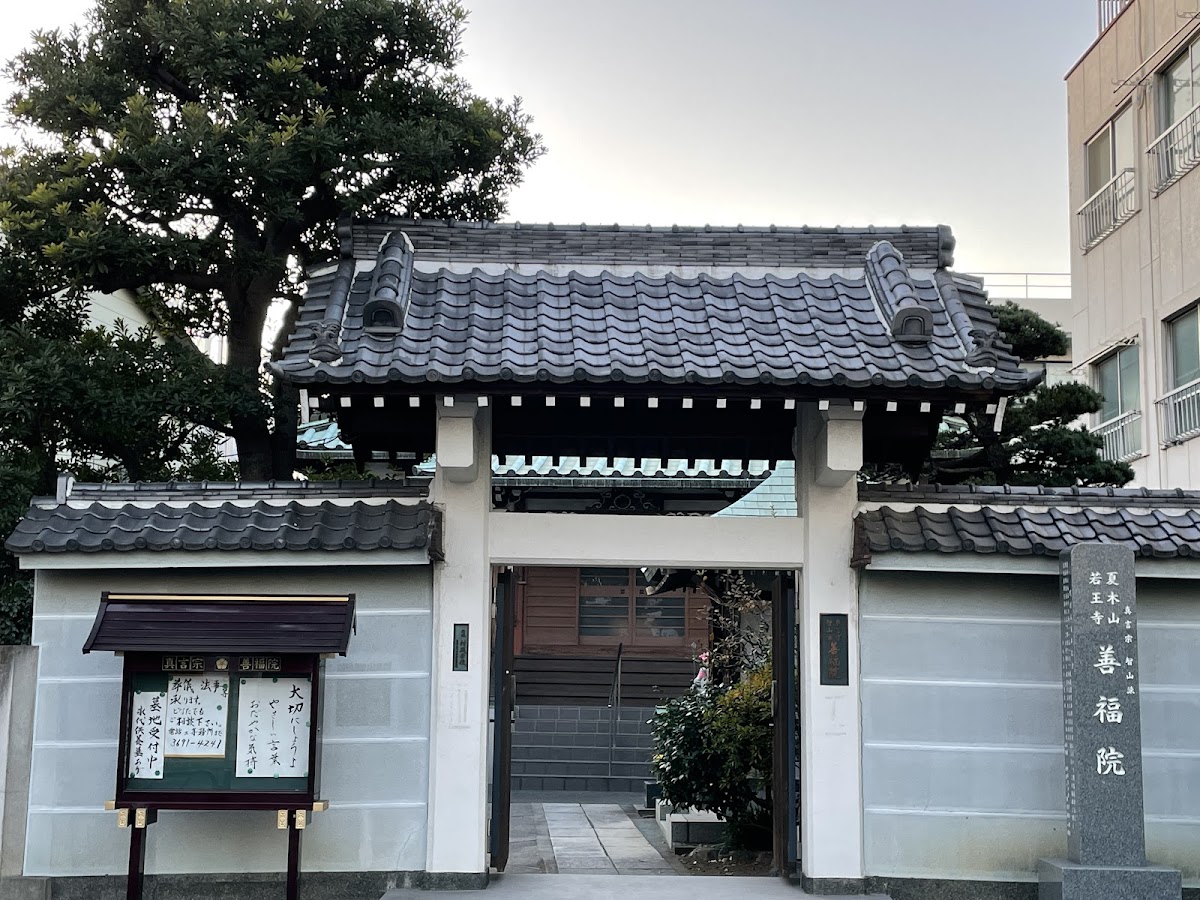
Currently located next to Yotsugi Jigen-in Temple, it is a community-oriented shrine nestled in a residential area, cherished by local residents. Although small in scale, the meticulously maintained grounds exude cleanliness and warmly welcome visitors.
Deity Enshrined
The deity enshrined at Shinohara Inari Shrine is Ukanomitama-no-kami. Also written as Kura-Inadama-no-mikoto, this deity is the principal deity of Inari shrines throughout Japan, worshipped as the god of food and grains.
Ukanomitama-no-kami is believed to grant blessings of abundant harvests, business prosperity, and family safety. In the former Shinohara Village, where agriculture flourished, this deity was revered as an important god for praying for bountiful harvests. Even today, visitors come to pray for business prosperity and stability in their lives.
History of Shinohara Inari Shrine
Circumstances of Founding
Shinohara Inari Shrine was founded in Genroku 10 (1697). It is said that this shrine was established in this year when Shinohara Village separated from Tateishi Village.
During this period, which corresponds to the mid-Edo period, village reorganization was taking place in the Katsushika area. When Shinohara Village was established as an independent settlement, the Inari Shrine was enshrined as the village’s guardian deity. The fact that a shrine was built at the time of this new beginning, the separation of the village, speaks to the importance that the people of that time placed on the protection of the gods.
As the Guardian Shrine of the Former Shinohara Village
Since its founding, Shinohara Inari Shrine has functioned as the guardian shrine of the former Shinohara Village. A guardian shrine is a shrine that protects the land and village, and it played an important role as the center of faith for the villagers.
In Shinohara Village, which was an agricultural village, it is thought that various festivals were held throughout the year, such as the spring Kinensai (harvest festival) to pray for a bountiful harvest and the autumn Reitaisai (grand festival) to give thanks for the harvest. The villagers united around the shrine and deepened their bonds as a community.
Changes Since the Meiji Era
With the arrival of the Meiji era, the wave of modernization swept through the village, and its appearance changed dramatically. With the implementation of the town and village system in 1889 (Meiji 22), Shinohara Village merged with surrounding villages, but Shinohara Inari Shrine continued to exist as a place of worship for the community.
During the Showa era, Tokyo’s urbanization progressed, and the former rural area transformed into a residential area. Nevertheless, Shinohara Inari Shrine has been carefully preserved to this day as a valuable presence that conveys the history of the region.
About Goshuin (Shrine Seals)
Issuance of Goshuin
Goshuin are issued at Shinohara Inari Shrine. However, as it is a small shrine without a resident priest, prior confirmation is necessary regarding the issuance of goshuin.
Generally, at small local shrines like this, goshuin are often issued on special days such as the annual festival. Also, they may be managed by other nearby shrines, so those wishing to receive a goshuin are advised to inquire with the Katsushika Ward Shrine Association or the relevant shrine before visiting. ### Manners for Receiving a Goshuin (Shrine/Temple Stamp)
A Goshuin is given as proof of your visit. Please observe the following manners to receive it respectfully:
- First, complete your prayers at the main shrine before receiving your Goshuin.
- Prepare your Goshuincho (stamp book) (pre-printed stamps may be available).
- Prepare a donation (whatever you feel is appropriate, generally around 300-500 yen).
- Remember to express your gratitude to the shrine priest.
- Be mindful of the time of day and potential crowds.
Access Information
Access by Train
The most convenient way to reach Shinohara Inari Shrine is by using the Keisei Oshiage Line.
Nearest Station: Keisei Oshiage Line “Yotsugi Station”
- Approximately 7-10 minutes on foot from Yotsugi Station
- Head north from the station and the shrine is located through a residential area.
Yotsugi Station is on the Keisei Oshiage Line, approximately 5 minutes from Oshiage Station and approximately 3 minutes from Keisei Takasago Station. It has good access from the city center, and can be reached without transfers from Asakusa and Ueno.
Walking Route
The walking route from Yotsugi Station is as follows:
- Exit the ticket gate at Yotsugi Station and head to the North Exit.
- Walk straight north along the street in front of the station.
- Walk through the residential area for about 7 minutes.
- Shinohara Inari Shrine is located next to Jigen-in Temple.
Since it is located in a residential area, we recommend that first-time visitors use a map app or map. Looking for Yotsugi Jigen-in Temple as a landmark will make it easier to find.
Access by Car
If you are coming by car, the nearest interchange is the Yotsugi IC on the Metropolitan Expressway Central Circular Route. However, there is no dedicated parking lot for the shrine, so you will need to use a nearby coin parking lot.
Since the area has many narrow roads in a residential area, we recommend using public transportation if possible.
Highlights of the Shrine Grounds
Main Hall
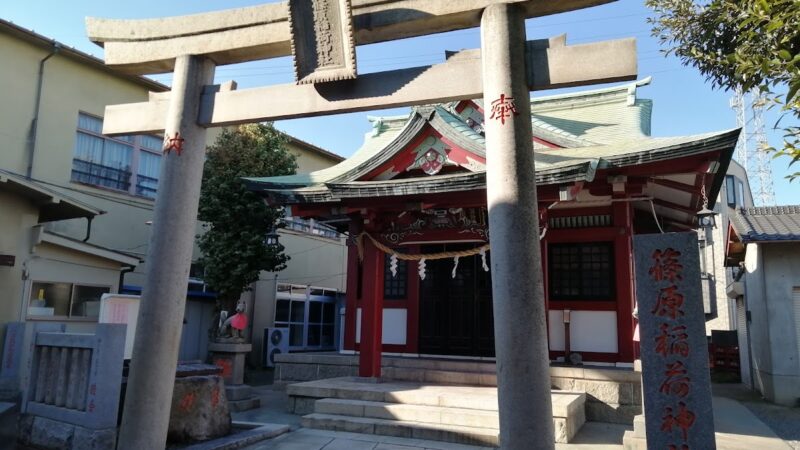
The main hall of Shinohara Inari Shrine is a small but dignified building in the typical style of an Inari shrine. Passing through the vermilion torii gate, a clean and well-maintained shrine grounds unfolds, with the main hall standing directly ahead.
A donation box is placed in front of the main hall, and worshippers perform the ritual of two bows, two claps, and one bow. Although small in scale, it is a sacred space that feels carefully maintained.
Torii Gate and Approach
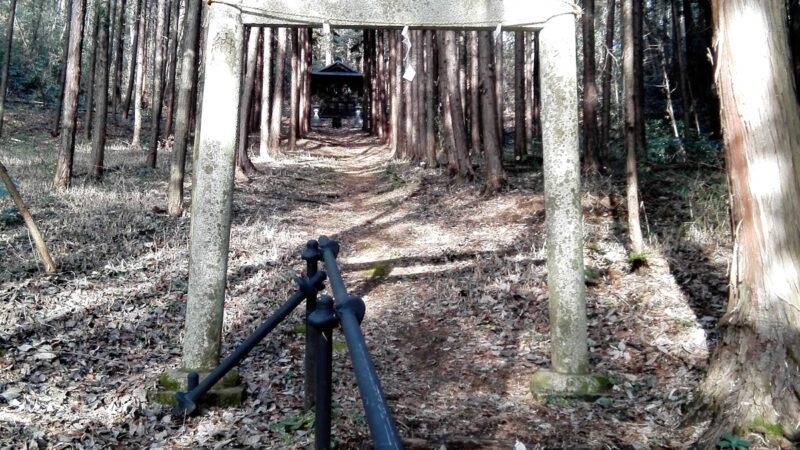
A vermilion torii gate stands at the entrance to the shrine grounds. The vermilion color, characteristic of Inari shrines, is said to symbolize protection against evil and vitality.
The approach, though short, creates a quiet space away from the hustle and bustle of the city, guiding worshippers into the sacred realm.
Komainu and Inari Deities
A characteristic of Inari shrines is the presence of fox statues instead of komainu (guardian dogs). Foxes are considered messengers of Inari, the god of rice, and are worshipped as guardians of shrines.
You may find stone structures related to Inari worship within the grounds of Shinohara Inari Shrine, so it’s worth looking out for them when you visit.
Annual Festival and Other Annual Events
Annual Festival
The annual festival of Shinohara Inari Shrine is held every year on September 17th. The annual festival is the most important festival at the shrine, a time to express gratitude to the enshrined deity and pray for the prosperity of the community.
On the day of the annual festival, the usually quiet shrine grounds become bustling with worshippers, and the Shinto rituals are performed solemnly. It is an important opportunity for local people to gather and continue to uphold tradition.
Other Annual Events
Due to its small size, major festivals are limited, but local people visit the shrine for milestones in life and seasonal changes, such as New Year’s Day, Setsubun (bean-throwing festival), and Shichi-Go-San (children’s festival).
Especially during the New Year’s visit period, the shrine is busiest with worshippers praying for safety and prosperity in the new year.
Nearby Attractions
Yotsugi Jigen-in Temple
Located next to Shinohara Inari Shrine, Yotsugi Jigen-in Temple is a Shingon Buddhist temple. The adjacent layout of the shrine and temple is a remnant of the former syncretism of Shinto and Buddhism. It’s worth visiting this temple as well during your visit to the shrine.
Other Shrines and Temples in Katsushika Ward
Katsushika Ward is home to many historical shrines and temples:
- Shibamata Taishakuten (Daikyoji Temple): A famous temple featured in the movie “Tora-san”
- Kasai Shrine: An ancient shrine said to have been founded during the Heian period
- Kameari Katori Shrine: A shrine known as the god of sports
When visiting Shinohara Inari Shrine, a tour of these other shrines and temples in Katsushika Ward is also recommended.
Manners and Etiquette for Visiting a Shrine
Basic Etiquette for Visiting a Shrine
Let’s review the correct etiquette for visiting a shrine:
- Bow before passing through the torii gate: This is a greeting before entering the sacred area.
- Walk along the edge of the path: The center is considered the path for the gods.
- Purify yourself at the water basin (if there is one)
- Hold the ladle in your right hand and purify your left hand.
- Switch the ladle to your left hand and purify your right hand.
- Switch the ladle back to your right hand, receive water in your left hand, and rinse your mouth.
- Finally, stand the ladle upright and purify the handle.
- Worship in front of the main hall
- Quietly place your offering in the offering box.
- Ring the bell if there is one.
- Two bows, two claps, one bow.
- Bow again at the torii gate when leaving.
Regarding Photography
Photography is generally permitted on the shrine grounds, but please note the following:
- Refrain from taking photographs inside the main hall.
- Please be considerate of other worshippers.
- Remember that this is a sacred place and take photographs with respect.
- Do not take photographs in areas where photography is prohibited.
The Charm of Shinohara Inari Shrine
A Faith Rooted in the Community
The greatest charm of Shinohara Inari Shrine lies in its history of being rooted in the community for over 300 years and its continued popularity among local residents. Unlike large-scale tourist shrines, it is a shrine deeply integrated into the lives of local people, possessing a simple and warm atmosphere.
A Quiet Worship Environment
Despite being located in a residential area, the shrine grounds maintain a quiet and peaceful atmosphere. This environment, away from the hustle and bustle of the city, provides a precious healing space for modern people to worship in peace.
A Space Where History Can Be Felt
Shinohara Inari Shrine, with its history dating back to the Genroku era, is a valuable place that conveys the memories of the former Shinohara Village. In urbanized Tokyo, the existence of such a historical shrine can be considered a cultural asset of the region.
Points to Note When Visiting
About the Shrine Office
Shinohara Inari Shrine is a small shrine, so the shrine office is not always open. If you wish to receive a Goshuin (shrine stamp) or amulet, it is recommended to choose a special day such as the annual festival or to check in advance.
Visiting Hours
Entry to the shrine grounds is generally free, but it is advisable to refrain from visiting early in the morning or late at night out of consideration for nearby residents. Visiting during daylight hours is recommended.
Consideration for Neighbors
As the shrine is located in a residential area, please avoid loud conversations and noise, and remember to be considerate of the nearby residents. Especially if visiting by car, street parking is strictly prohibited.
Inari Faith in Katsushika Ward
Inari Shrines in Katsushika Ward
Katsushika Ward has several Inari shrines, including Shinohara Inari Shrine. This indicates that this area was once an agricultural region, and Inari worship, praying for a bountiful harvest, was prevalent.
Each Inari shrine in a region has functioned as the guardian shrine of its respective village, playing a central role in the local community. Even today, these shrines remain important in conveying the history and culture of the region.
Urbanization and the Transmission of Faith
Maintaining small, local shrines is not easy amidst the increasing urbanization of Tokyo. However, shrines like Shinohara Inari Shrine, preserved through the efforts of local residents, are valuable historical and cultural resources within the city.
Visiting such shrines and learning about their history and value contributes to the transmission of local culture.
Summary
Shinohara Inari Shrine is a historic Inari shrine located in Yotsugi, Katsushika Ward, Tokyo, founded in 1697 (Genroku 10). Having watched over the region for over 300 years as the guardian shrine of the former Shinohara Village, this shrine enshrines Ukanomitama-no-kami and is believed to bring blessings of abundant harvests, business prosperity, and family safety.
Conveniently located about a 7-10 minute walk from Yotsugi Station on the Keisei Oshiage Line, Shinohara Inari Shrine maintains a quiet and peaceful environment for worship. The annual grand festival is held on September 17th, a significant event that brings together local residents.
While prior confirmation is necessary regarding the issuance of Goshuin (shrine stamps) due to the shrine’s small size, it is a worthwhile place to visit, possessing a simple and warm atmosphere deeply rooted in the community. In rapidly urbanizing Tokyo, visiting such a historic local shrine offers a valuable opportunity to learn about traditional Japanese culture and local history.
When visiting Katsushika Ward, be sure to stop by Shinohara Inari Shrine and find peace and tranquility in its serene grounds.