Zenpukuin Complete Guide: History, Access, and Visiting Information for the National Treasure Shakado Hall and the Katsushika Ward Temple
What is Zenpukuin?: Two Zenpukuin Temples in Japan
There are several temples named “Zenpukuin” in Japan. The most famous are the Tendai sect Zenpukuin in Kainan City, Wakayama Prefecture, which houses the National Treasure Shakado Hall, and the Shingon Chizan sect Zenpukuin in Katsushika Ward, Tokyo. Each has a different history and characteristics, and continues to attract the attention of many visitors and researchers today.
This article provides detailed information on these two Zenpukuin temples, including their historical background, architectural value, access methods, and visiting information, useful for those considering a visit or conducting research.
Zenpukuin Temple, Kainan City, Wakayama Prefecture: History and Value of the National Treasure Shakado Hall
History of its Founding and its Relationship to Zen Master Eisai
Zenpukuin Temple, located in Tachibanamoto, Shimotsu-cho, Kainan City, Wakayama Prefecture, is said to have been founded in 1214 (Kenpo 2) or 1215 (Kenpo 3) by Zen Master Eisai (1141-1215), the founder of the Rinzai school of Zen Buddhism. Initially established as one of the five sub-temples of “Hoyuzan Kofuku Zenji,” it began its history as a Zen Buddhist temple.
Zen Master Eisai is also known as the monk who introduced tea culture to Japan. After studying Zen in China (Song Dynasty) and returning to Japan, he was an important figure who laid the foundation for the Rinzai school of Zen Buddhism in Japan. Zenpukuin Temple is one of the temples founded by Zen Master Eisai in his later years and is a valuable historical legacy demonstrating the eastward spread of Zen culture.
Architectural Features and National Treasure Designation of the Shakado Hall
The greatest highlight of Zenpukuin Temple is the Shakado Hall, which is designated as a National Treasure. Based on a repair inscription found inside the main image, a seated statue of Shakyamuni Buddha, the existing building is believed to have been rebuilt around 1327 (Karyaku 2).
The Shakado Hall is a representative example of Zen Buddhist architecture from the Kamakura period and, along with the Buddha Hall of Kozanji Temple in Yamaguchi Prefecture, is highly regarded as a masterpiece of Zen Buddhist architecture from this era. The following elements, characteristic of Zen Buddhist (Tang Dynasty) style architecture, can be seen:
- Sankara-do: Doors with a lattice-like frame structure
- Kato-mado: Characteristic windows with a flame-shaped top
- Tsumegumi: Bracket system with closely spaced columns
- Ougi-taruki: Rafters arranged radially
These architectural styles were new styles introduced from China and represent the most advanced architectural technology of the time. Shakado was designated a National Treasure in 1953 and occupies an extremely important position in the history of Japanese architecture.
The Meiji Era’s Anti-Buddhist Movement and the Transformation of Temples
Zenpukuin was greatly affected by the anti-Buddhist movement in the early Meiji period. During this time, while many Buddhist temples were destroyed or consolidated, the five sub-temples of Kofuku Zenji also declined, leaving only Zenpukuin to survive. During this process, the temple’s sect was changed from Zen Buddhism to Tendai Buddhism, and its current name, “Hōyūzan Zenpukuin,” was adopted.
The history of overcoming the difficult times of the anti-Buddhist movement and preserving the national treasure Shakadō (Buddha Hall) speaks volumes about the strong will of the local people to protect cultural properties.
Location and Access Information for Zenpukuin Temple in Kainan City
Location: Tachibanamoto, Shimotsu-cho, Kainan City, Wakayama Prefecture
Access Method:
- Train: Approximately 20 minutes on foot from JR Kisei Main Line “Kamogo Station”
- Car: Approximately 15 minutes from Hanwa Expressway “Kainan-Higashi IC”
- Parking: Available (Limited number of spaces, advance confirmation recommended)
Visiting Information:
- Visiting Hours: Advance contact required (May be closed to the public at times)
- Admission Fee: Please inquire
- Notes: As it is a national treasure building, it may not be open to the public at all times for preservation and management purposes.
You can check visiting dates and times by contacting the Kainan City Cultural Properties Department or the Tourism Association in advance. It may be open to the public, especially during special cultural property exhibition periods.
Zenpukuin Temple, Katsushika Ward, Tokyo: A Shingon Buddhist Temple Rooted in the Community
History and Founding of Zenpukuin Temple, Katsushika Ward
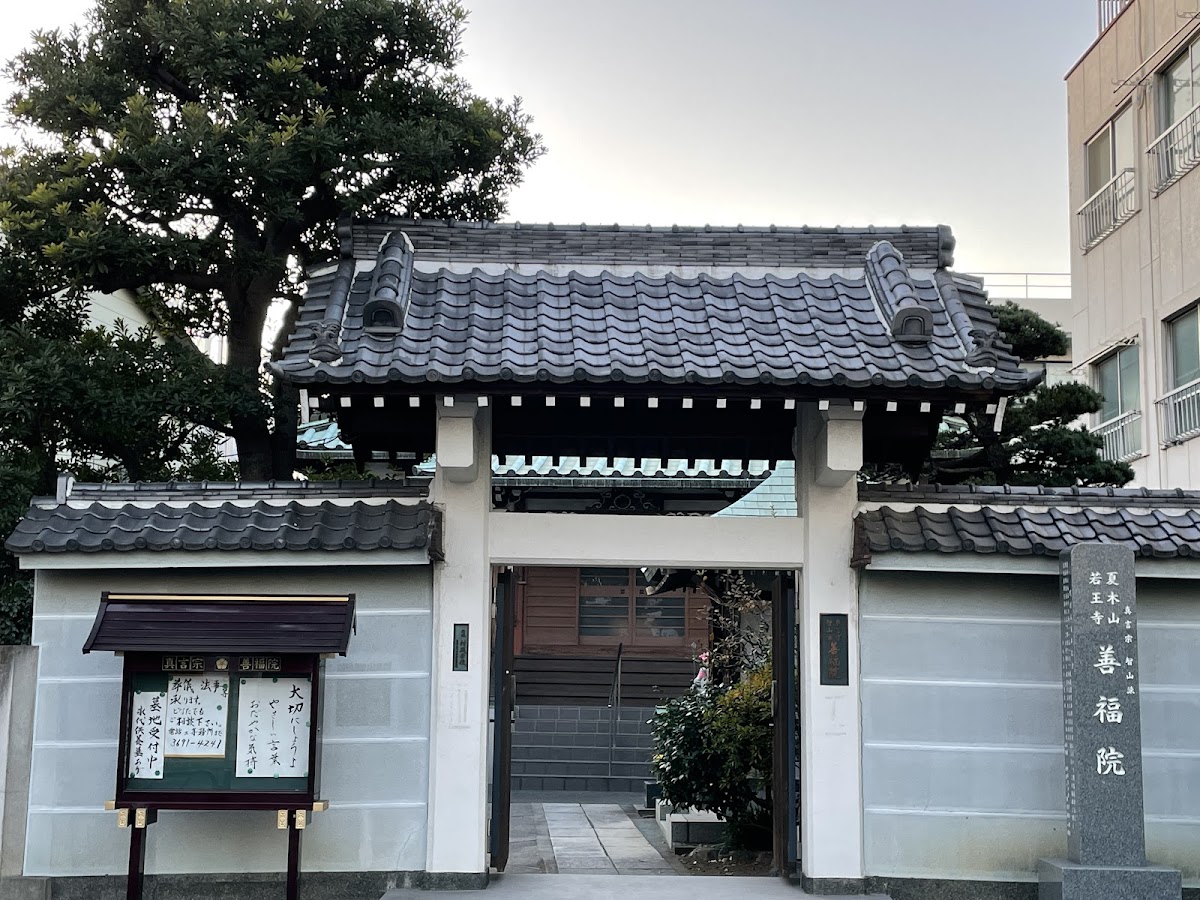
Zenpukuin Temple, located in Yotsugi, Katsushika Ward, Tokyo, is a temple belonging to the Chizan branch of the Shingon sect. It was founded in 1519 (Eisho 16) by Yuyo Hoin. Its original name was “Toshoin Wakaoji,” but it was later renamed to its current name, “Zenpukuin.”
With a history of approximately 500 years, this temple has functioned as a center of local faith since the Edo period and remains a beloved religious facility for local residents in Katsushika Ward today.
Features and Facilities of the Temple Grounds
Zenpukuin Temple in Katsushika Ward is located in a residential area and has a small, tranquil temple grounds. The main facilities include:
Main Hall: The central building where Shingon Buddhist rituals and ceremonies are held.
Mitsugondo Hall: A multi-purpose hall that can be used for funerals and memorial services. This modern facility, equipped with elevators, can accommodate everything from intimate family funerals to medium-sized ceremonies.
Cemetery: A cemetery directly managed by the religious corporation Zenpukuin. A key feature is that there is no obligation to become a temple parishioner, and it is open to people of all denominations.
Non-denominational and No Temple Membership Obligation Usage
What is noteworthy about modern temple use is the flexible usage model of Zenpukuin in Katsushika Ward. While the traditional temple parishioner system was common, Zenpukuin offers the following features:
- Non-denominational: Available to people of denominations other than Shingon Buddhism.
- No Temple Membership Obligation: Cemeteries and facilities can be used without incurring the obligations of being a temple parishioner.
- Direct Management: Direct management by the religious corporation Zenpukuin ensures highly transparent operation.
These features cater to the diverse religious views and lifestyles of today, making it an important option for those considering temple cemeteries in Tokyo.
Location and Access to Zenpukuin Temple, Katsushika Ward
Location: Yotsugi, Katsushika Ward, Tokyo
Access:
- Train: Approximately 12 minutes on foot from Yotsugi Station on the Keisei Oshiage Line
- Bus: Toei Bus available (a few minutes on foot from the nearest bus stop)
- Car: Approximately 10 minutes from Kosuge IC on the Metropolitan Expressway Central Circular Route
- Parking: Available (Limited number of spaces; advance confirmation recommended for memorial services and funerals)
Available Facilities and Services:
- Cemetery (Perpetual memorial graves, general burial plots)
- Funeral and memorial service facilities (Mitsugondo Kaikan)
- Consultation on various Buddhist rituals
Details of Cemetery Use and Funeral Facilities
The cemetery and funeral facilities at Zenpukuin Temple in Katsushika Ward are equipped to meet modern needs.
Cemetery Features:
- Excellent access from the city center
- Well-maintained and clean environment
- Accommodates various tombstone types
- Perpetual memorial graves are also available
Mitsugondo Hall Facilities:
- Equipped with elevators for barrier-free access
- Accommodates small-scale funerals to medium-scale funerals
- Waiting rooms and lounges available
- Comfortable environment with modern facilities
For information on costs and detailed usage conditions, please contact the temple directly for guidance tailored to your individual circumstances.
Other Zenpukuin Temples: A temple in Arita-cho, Saga Prefecture
Besides the two Zenpukuin temples mentioned above, there are other temples with the same name in Japan. The Zenpukuin in Arita-cho, Nishimatsuura-gun, Saga Prefecture, is a Jodo sect temple with a long and distinguished history of approximately 400 years since its establishment.
Characteristics of Zenpukuin Temple in Arita Town:
- The main hall is adorned with white porcelain lanterns, befitting the Arita ware production area.
- It maintains the traditions of the Jodo sect while engaging in community-based activities.
- It showcases a fusion of regional culture (Arita ware) and Buddhist culture.
As such, the temple name “Zenpukuin” is used in multiple regions, each with its own unique history and characteristics.
Points to Note and Manners When Visiting Zenpukuin Temple
Basic Manners When Visiting and Worshiping
When visiting a temple, it is important to observe the following basic manners:
- Dress Code: Avoid revealing clothing and wear modest attire.
- Photography: Permission is often required to photograph national treasures and important cultural properties. Prior confirmation recommended
- Quietness: Please behave quietly on the temple grounds and be considerate of other visitors.
- Offerings: When praying, please offer your offering with sincerity.
- Smoking and Eating: Please refrain from smoking and eating outside of designated areas.
Special Precautions for Visiting National Treasure Buildings
Zenpukuin Shakado in Kainan City, Wakayama Prefecture, is a designated National Treasure building, so the following points require special attention:
- Prior Contact Required: It is not always open to the public, so please be sure to check the visiting dates and times in advance.
- Consideration for Preservation: Do not touch the building or get too close.
- Expert Guide: If possible, receiving an explanation from a cultural property guide will deepen your understanding.
- Special Opening Period: Aiming for a special opening period for cultural properties will ensure you can visit.
Points to Note When Using Cemeteries and Funeral Facilities
When using cemeteries or funeral facilities at Zenpukuin in Katsushika Ward:
- Prior Consultation: Always consult with the temple before use to confirm conditions and fees.
- Visit Reservation: Advance reservations are recommended for visiting the cemetery and facilities.
- Request for Information: Detailed information is available by requesting information.
- Multiple Comparisons: It is recommended to compare and consider other cemeteries and temples.
Cultural Value and Academic Significance of Zenpukuin Temple
Importance in the Study of Zen Buddhist Architecture
Zenpukuin Shakado in Kainan City, Wakayama Prefecture, occupies an extremely important position in the study of Japanese architectural history, particularly Zen Buddhist architecture. Zen Buddhist architecture, which was introduced from China during the Kamakura period, had a structure and design different from the previous Japanese style architecture, bringing about a new development in Japanese architecture.
Zenpukuin Shakado is one of the few remaining structures that conveys the early form of this Zen Buddhist architecture to the present day. From an architectural perspective, it is highly regarded for the following reasons:
- Pure Zen Buddhist Style: Faithfully preserves the Zen Buddhist style of the Kamakura period with minimal later alterations.
- Technical Perfection: A masterpiece of advanced wooden construction techniques, including tethered joints and fan-shaped rafters.
- Spatial Composition: A simple yet tense spatial design reflecting Zen Buddhist philosophy.
Eisai Zenji and His Place in the History of Japanese Zen Buddhism
Eisai Zenji, considered the founder of Zenpukuin Temple, is an important figure in the history of Japanese Buddhism. He:
- Founder of the Japanese Rinzai school of Zen Buddhism
- Introducer of tea culture (author of “Kissa Yōjōki”)
- Contributed to the spread of Zen Buddhism through his relationship with the Kamakura Shogunate
Zenpukuin Temple is believed to have been founded in the later years of Eisai Zenji’s life and holds significant religious historical importance as a temple representing the culmination of his Zen Buddhist dissemination activities.
The Role of Zenpukuin Temple in Local History
Zenpukuin Temple in Katsushika Ward has functioned as a spiritual pillar of the local community from the Edo period to the present day. Over its approximately 500-year history, it has fulfilled roles adapted to the times, including:
- A center of faith for local residents
- A base for educational and cultural activities
- An important role in weddings, funerals, and other ceremonial occasions
- A presentation of a modern temple management model
In particular, its flexible operation in modern times, with no obligation to be a parishioner and open to all denominations, is attracting attention as an example of a new model for temples in urban areas.
Places to Visit in Combination with Tourist Attractions Around Zenpukuin Temple
Around Kainan City, Wakayama Prefecture
When visiting Zenpukuin Shakado, the following tourist attractions are located nearby:
Fujishiro Shrine: An important Oji shrine on the Kumano Kodo pilgrimage route, designated as a national historic site.
Kuroe Townscape: A historic townscape remaining from a traditional lacquerware production area.
Chōhōji Temple: A Tendai sect temple with a national treasure main hall, pagoda, and main gate.
Kishū Lacquerware Traditional Industry Hall: An exhibition of Kishū lacquerware, a traditional craft of Kainan City.
By combining these, you can create a tourist route that allows you to deeply understand the history and culture of Kainan City.
Around Katsushika Ward, Tokyo
The area around Zenpukuin Temple in Katsushika Ward boasts numerous spots where you can experience the charm of Tokyo’s old downtown:
Shibamata Taishakuten (Daikyoji Temple): A temple famous for its appearance in the movie “Tora-san”
Katsushika Museum of Local History and Astronomy: Exhibits on local history and astronomy
Mizumoto Park: One of the largest waterside parks in Tokyo
Horikiri Iris Garden: A famous iris garden dating back to the Edo period
The charm of Katsushika Ward lies in the opportunity to enjoy the atmosphere of old downtown while visiting temples.
Frequently Asked Questions (FAQ)
How many Zenpukuin temples are there nationwide?
There are several temples named “Zenpukuin” throughout Japan. The most famous are Zenpukuin in Kainan City, Wakayama Prefecture, which houses the national treasure Shakado Hall, and Zenpukuin of the Shingon Chizan sect in Katsushika Ward, Tokyo. There is also a Zenpukuin of the Jodo sect in Arita Town, Saga Prefecture. These are separate temples, each with different sects, histories, and characteristics.
Is Zenpukuin Shakado in Wakayama always open to the public?
Zenpukuin Shakado is a national treasure building, and for preservation and management reasons, it is not always open to the public. If you wish to visit, you must contact the Kainan City Board of Education’s Cultural Properties Division or the temple in advance to confirm the visiting dates and times. It may be open to the public during special cultural property exhibition periods.
Do I need to become a parishioner to use the cemetery at Zenpukuin in Katsushika Ward?
At Zenpukuin in Katsushika Ward, you can use the cemetery without being a parishioner. Furthermore, it is open to all sects, so people of sects other than Shingon Buddhism can also use it. For detailed usage conditions and fees, please contact the temple directly to receive guidance tailored to your individual circumstances.
What are the architectural characteristics of Zenpukuin Shakado?
Zenpukuin Shakado is a representative example of Zen Buddhist (Tang style) architecture from the Kamakura period. Key features include latticed doors, arched windows, stucco, and fan-shaped rafters, showcasing a new architectural style introduced from China. Along with the main hall of Kōzanji Temple, it is designated a National Treasure as a masterpiece of Zen Buddhist architecture from this period.
How to access Zenpukuin Temple in Katsushika Ward?
The most convenient way to reach Zenpukuin Temple in Katsushika Ward is a 12-minute walk from Yotsugi Station on the Keisei Oshiage Line. By car, it’s about 10 minutes from the Kosuge Interchange on the Metropolitan Expressway Central Circular Route. While there is parking, spaces are limited, so it’s recommended to check in advance if you plan to use it for a memorial service or funeral.
Can I hold a funeral at Zenpukuin Temple?
Zenpukuin Temple in Katsushika Ward has a funeral facility called Mitsugondo Kaikan, where funerals can be held. It is barrier-free with an elevator and can accommodate funerals ranging from small family funerals to medium-sized ones. If you are considering using it, it is recommended to consult with the temple in advance to arrange a facility tour and confirm costs.
Summary: The Diverse Charms of Zenpukuin Temples
Each temple bearing the name “Zenpukuin” possesses its own unique history and characteristics, offering different attractions.
Zenpukuin in Kainan City, Wakayama Prefecture, boasts a history dating back to its founding by Zen Master Eisai and houses the Shakado Hall, a National Treasure and an extremely important cultural asset in the history of Japanese architecture. As a valuable example of Kamakura-period Zen Buddhist architecture, it is a place worth visiting not only for researchers of architectural history, art history, and religious history, but also for anyone interested in Japanese culture.
Zenpukuin in Katsushika Ward, Tokyo, while boasting a history of approximately 500 years, operates flexibly to meet modern needs. Its non-parishioner and non-denominational usage model represents a new form of temple in today’s diverse society, making it an important option for those seeking cemeteries or funeral facilities in urban areas.
All Zenpukuin temples continue to play a vital role as inheritors of Buddhist culture from the past to the present, and as spiritual pillars of their local communities. When considering a visit or visit, it is important to understand the characteristics of each temple and choose the appropriate one according to your purpose.
Historical value, architectural beauty, modern convenience—Zenpukuin temples, in their own unique ways, convey to us the richness and diversity of Japanese temple culture.