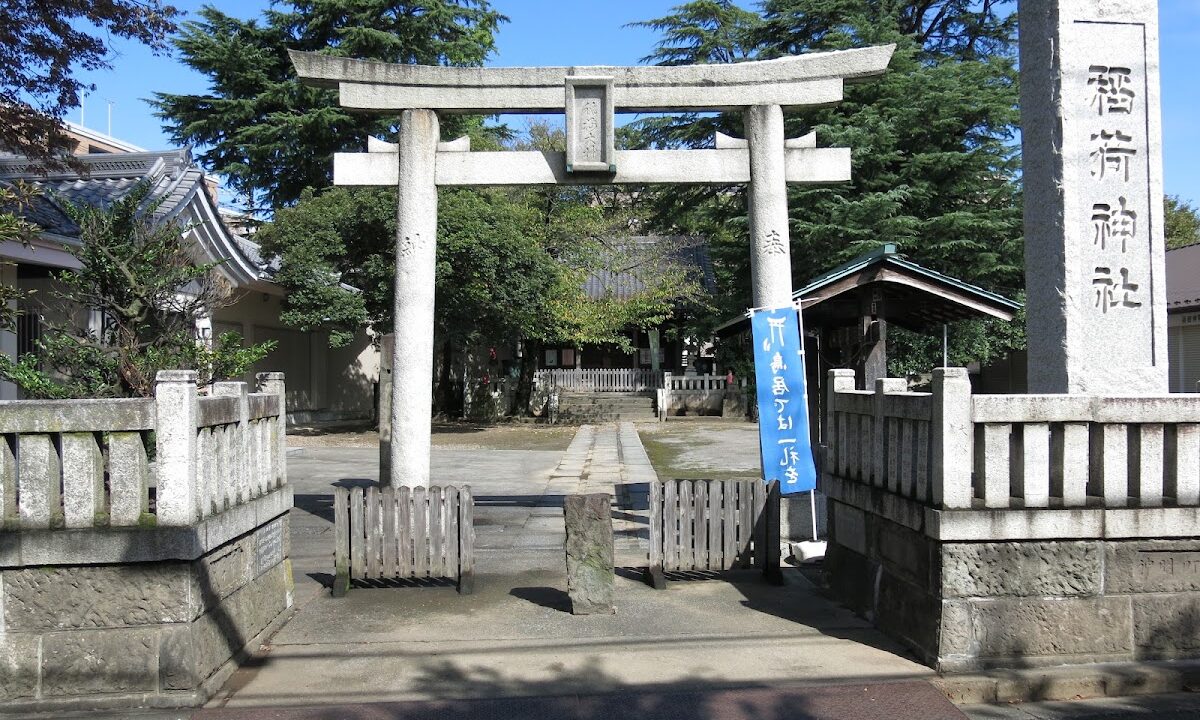
Complete Guide to Umeda Inari Shrine (Tokyo) | A Thorough Explanation of the Historic Inari Shrines in Adachi and Katsushika Wards
There are several shrines named “Umeda Inari Shrine” within Tokyo. This article provides a detailed explanation of the history, characteristics, and visiting information for the Umeda Inari Shrines located in Umeda, Adachi Ward, and Tateishi, Katsushika Ward. We will convey the charm of these shrines, which have long been revered as guardian shrines of their respective regions.
What is Umeda Inari Shrine?
Umeda Inari Shrine is an Inari shrine named after the Umeda area of Tokyo. There are mainly two shrines with the same name, located in Umeda, Adachi Ward, and Tateishi, Katsushika Ward (formerly Umeda Village), each deeply intertwined with the history of their respective regions.
Inari shrines are said to number around 30,000 nationwide and are widely worshipped as gods of business prosperity and abundant harvests. Umeda Inari Shrine is one such shrine, and has been a central place of worship for local residents.
Umeda Inari Shrine, Adachi Ward
History and Origin
Umeda Inari Shrine, located in Umeda, Adachi Ward, is said to have been established in 1180 (Jisho 4). It is said that Shida no Senjo Yoshihiro, the third son of Rokujo Hangan Tameyoshi and grandson of Minamoto no Yoshiie, resided in this area and built the Inari Shrine, establishing it as a guardian shrine.
The water basin in the shrine grounds bears an inscription dated September 1861 (Bunkyu 1), indicating that it was already a center of local faith during the late Edo period. Although the shrine building was destroyed in the bombing during World War II, it was rebuilt by local residents after the war and remains to this day.
Originally, Umeda Village belonged to Tateishi Village, but there is a theory that the shrine was founded as the guardian shrine of the new village when it became independent, making it a shrine deeply connected to the origins of the region.
Deity Enshrined
Ukanomitama-no-Mikoto is enshrined as the deity. Ukanomitama-no-Mikoto, also known as Ukanomitama-no-Kami, is a god of grain and food, and is also known as the principal deity of Fushimi Inari Taisha.
“Uka” is an archaic word meaning grain or food, and the deity is believed to bring blessings of abundant harvests, business prosperity, and family safety.
Shrine Grounds
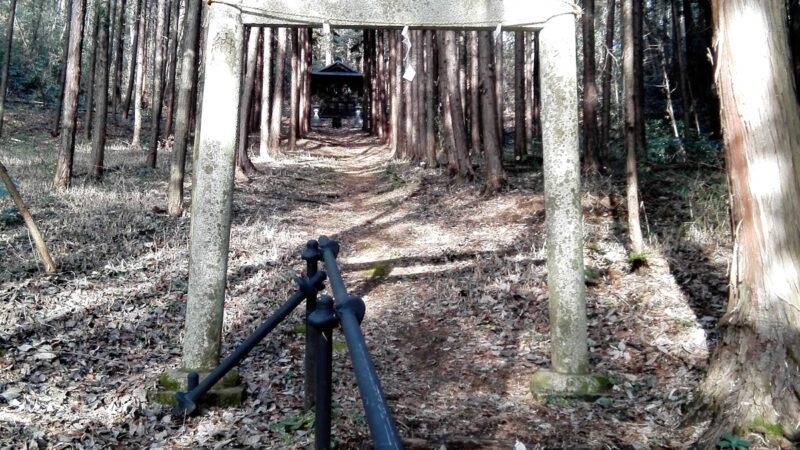
Umeda Inari Shrine in Adachi Ward is located approximately 600 meters southwest of Umejima Station on the Tobu Isesaki Line, nestled in a residential area. The shrine grounds are small but characterized by a warm atmosphere, cherished by the local community.
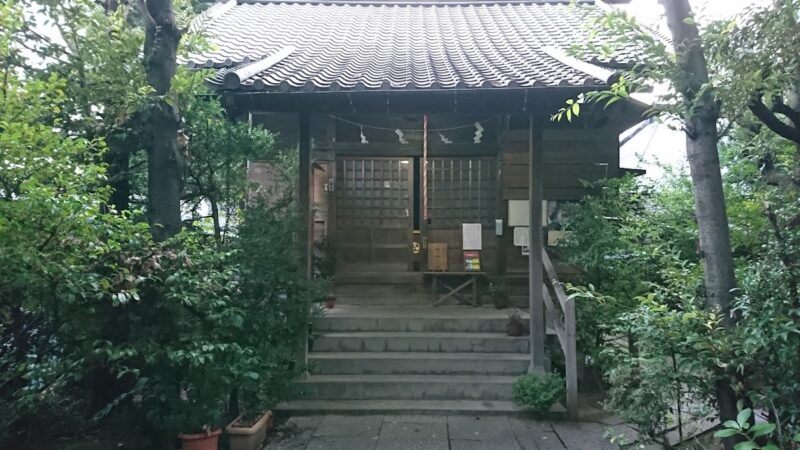
Besides the main hall and worship hall, historical artifacts such as a water basin remain on the grounds. In the increasingly urbanized Adachi Ward, it is a precious space for quiet worship.
Access Information
Location: 5-9-5 Umeda, Adachi-ku, Tokyo
Nearest Station:
- Approximately 12 minutes on foot from Umejima Station on the Tobu Isesaki Line (Tobu Skytree Line)
- Approximately 600 meters southwest from the Umejima Station exit
Visiting Hours: Grounds are freely accessible (please check the shrine office’s operating hours)
Located in a residential area, please be mindful of quiet worship. Parking is limited, so using public transportation is recommended.
About the Annual Festival
The annual festival of Umeda Inari Shrine is held in early September every year. As an important local festival, parishioners and local residents gather for events such as the portable shrine procession.
Especially every three years, a joint procession of town portable shrines is held, making the festival even grander. It has been passed down for many years as an important event that deepens the bonds of the local community.
During the annual festival, stalls line the shrine grounds, and it becomes bustling with many worshippers. It’s a valuable opportunity to experience the local traditional culture.
Umeda Inari Shrine, Katsushika Ward
History and Origin
Umeda Inari Shrine, located in Tateishi, Katsushika Ward, has been worshipped as the guardian shrine of the former Umeda Village. The section on Umeda Village in the “Shinpen Musashi Fudoki-ko” (New Compilation of the Topography of Musashi Province) states, “Inari Shrine: The guardian shrine of the village. Owned by Chofuku-ji Temple,” indicating that it already existed as a central shrine in the village during the Edo period.
There was a time when Chofuku-ji Temple managed the shrine as its betto-ji (temple managing the shrine), preserving the history of syncretism between Shinto and Buddhism. Even after the separation of Shinto and Buddhism in the Meiji era, it continues to attract worshippers as the guardian shrine of the region.
Deity Enshrined
Ukanomitama-no-kami is enshrined as the deity. Like the Umeda Inari Shrine in Adachi Ward, this shrine is dedicated to Ukanomitama-no-Mikoto, a central deity in Inari worship.
Shrine Grounds
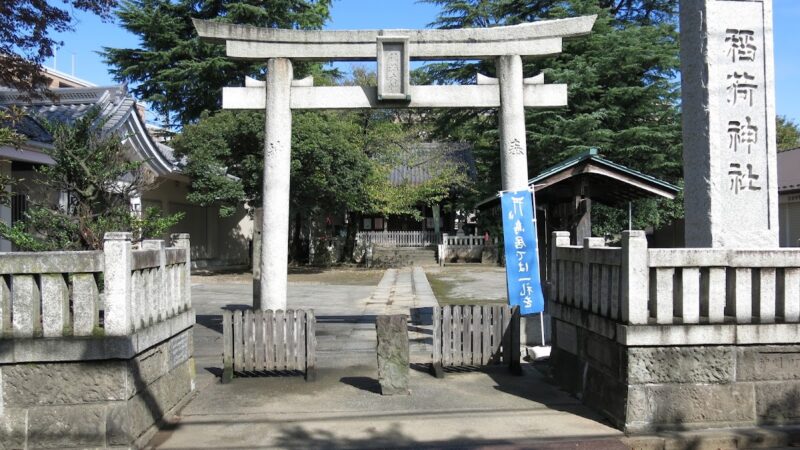
Located south of the Katsushika Ward Office, nestled amongst a residential area, it boasts a convenient location, approximately a 4-minute walk from Keisei Tateishi Station on the Keisei Oshiage Line, making it easily accessible for local residents to visit regularly.
The shrine grounds maintain a tranquil atmosphere, unexpected in a residential area, offering a peaceful space to escape the hustle and bustle of the city.
Access Information
Location: 4-30-1 Tateishi, Katsushika-ku, Tokyo
Nearest Station:
- Approximately 4-minute walk from Keisei Tateishi Station on the Keisei Oshiage Line
- Approximately 300 meters south from the station
Visiting Hours: Grounds are open freely
Its convenient location near the station makes it easily accessible. It’s a great place to stop by when visiting the Katsushika Ward Office or the Tateishi shopping street.
About Goshuin (Shrine Seals)
Goshuin of Umeda Inari Shrine, Adachi Ward
Umeda Inari Shrine in Adachi Ward is a shrine managed by Tateishi Kumano Shrine. Therefore, if you wish to receive a goshuin, you may be able to do so at Tateishi Kumano Shrine.
Many people take photos as a record of their visit, and you can also share the shrine grounds on social media. However, please remember to be considerate of other visitors and local residents, and take photos while observing proper etiquette.
Goshuin of Umeda Inari Shrine, Katsushika Ward
For Umeda Inari Shrine in Tateishi, Katsushika Ward, it is recommended to check in advance regarding the issuance of goshuin. Smaller shrines may not have a resident priest, so if you want to be sure to receive a goshuin, it’s best to inquire beforehand.
Cultural Properties
Historical Artifacts
Umeda Inari Shrine in Adachi Ward has a water basin inscribed with the year Bunkyu 1 (1861). This water basin is a valuable cultural artifact that conveys the state of religious beliefs in the late Edo period.
Amidst the destruction of many buildings during the war, the survival of such stone structures provides important clues to understanding the region’s history.
Local Historical Materials
The description of Umeda Inari Shrine in Katsushika Ward, recorded in the “Shinpen Musashi Fudoki-ko” (New Compilation of the Topography of Musashi Province), is a valuable historical document for understanding the village’s appearance and religious practices during the Edo period. It offers a glimpse into the era of syncretism of Shinto and Buddhism, including its relationship with Chofuku-ji Temple.
Nearby Attractions
Around Umeda, Adachi Ward
Tateishi Kumano Shrine: Tateishi Kumano Shrine, a shrine under the jurisdiction of Umeda Inari Shrine, is also known as a historical shrine. Visiting both shrines allows for a deeper understanding of the region’s religious culture.
Shopping Streets Around Umejima: Traditional shopping streets remain around Umejima Station, allowing visitors to enjoy the atmosphere of old Tokyo.
Around Tateishi, Katsushika Ward
Tateishi Nakamise Shopping Street: Near Keisei Tateishi Station, there’s a shopping street that retains a Showa-era retro atmosphere and is also famous as a bar district. It’s recommended to stop by after visiting the shrine.
Katsushika Museum of Local History and Astronomy: This facility allows you to learn about the history and culture of Katsushika Ward and understand the origins of the area.
Manners and Precautions for Visiting Shrines
Basic Shrine Visit Etiquette
- Bow before passing through the torii gate: Before entering the sacred area, compose yourself and bow.
- Purify yourself at the water basin: Purify your left hand, right hand, and mouth in that order.
- Avoid the center of the path: The center of the path is considered the path of the gods, so walk along the sides.
- Two Bows, Two Claps, One Bow: In front of the main hall, bow twice, clap twice, and bow once.
Considerations in Residential Areas
Both Umeda Inari Shrines are located in residential areas, so please be mindful of the following:
- Do not speak loudly
- Limit early morning and late-night visits
- Do not park on the street
- Take your trash with you
- Be considerate of your surroundings when taking photographs
About Inari Worship
History of Inari Shrines
Inari worship is said to have originated in the Nara period at Fushimi Inari Taisha in Kyoto. In an agricultural society, it spread throughout Japan as a faith praying for a bountiful harvest.
During the Edo period, with the development of commerce, it also came to be worshipped as a god of business prosperity, and many Inari shrines were built in urban areas.
Relationship with Foxes
While fox statues come to mind when thinking of Inari shrines, foxes are messengers of the Inari god, not the god itself. White foxes are considered sacred beings, serving as divine messengers of Inari, the god of rice.
At Umeda Inari Shrine, fox statues are sometimes enshrined on the grounds, showcasing the characteristics of Inari worship.
Annual Events
New Year’s Visit
At the start of the new year, local residents visit the shrine for their first shrine visit of the year. Although it is a small shrine, it offers a warm, community-oriented atmosphere for welcoming the new year.
Setsubun Festival
During Setsubun in February, events such as bean-throwing are sometimes held. Local children also participate, providing an opportunity to experience traditional events.
Grand Festival (Early September)
As mentioned above, the Grand Festival in early September is the most important festival of the year. It is an event where the community comes together for a lively celebration, featuring a portable shrine procession and stalls.
Community Involvement
As a Community Center
Umeda Inari Shrine serves as an important community center in its respective area. Through festivals, intergenerational exchanges are fostered, strengthening community bonds.
Preservation in the Midst of Urbanization
Maintaining local shrines like this one is not easy amidst the rapid urbanization of Tokyo. However, thanks to the efforts of parishioners and local residents, Umeda Inari Shrine has been carefully preserved to this day.
Even today, its value as a precious entity that conveys the history and culture of the region is being re-recognized.
How to Enjoy Your Visit
Feeling the History
You can feel the long history that has continued since the Edo period from the water basin and stone monuments remaining on the shrine grounds. A deeper understanding can be gained by comparing them with ancient documents such as the “Shinpen Musashi Fudoki-ko” (New Compilation of the Topography of Musashi Province).
The Changing Seasons
The trees on the shrine grounds display different expressions in each of the four seasons. You can enjoy the different atmospheres of each season: the fresh green of spring, the deep green of summer, the autumn leaves, and the tranquility of winter.
Combining with a Local Stroll
In addition to visiting the shrine, you can experience the local culture more deeply by exploring the surrounding shopping streets and historical sites. A stroll through the charming, old-town streets of Tateishi and Umejima is also recommended. ## Summary
The Umeda Inari Shrines in Tokyo, located in Adachi Ward and Katsushika Ward respectively, have long been revered as local guardian shrines.
The Umeda Inari Shrine in Adachi Ward is said to have been established in 1180 (Jisho 4) and has a history associated with the Minamoto clan. The Umeda Inari Shrine in Katsushika Ward, mentioned in the “Shinpen Musashi Fudoki-ko” (New Compilation of the Topography of Musashi Province), is a village guardian shrine that preserves the history of the region.
Both shrines stand quietly in residential areas, offering a precious space to forget the hustle and bustle of the city and find peace of mind. They are also relatively easy to access, making them convenient for regular visits.
Why not take some time to visit and reflect on the history of Inari worship and the local culture? You’ll find peace of mind in the warm, community-rooted atmosphere.
When visiting, please be mindful of the residential location and observe proper etiquette, praying quietly. To ensure that this shrine, which has been loved and carefully protected by the local community, continues to exist for many years to come, the consideration of each individual is essential.