Complete Guide to Iketate Shrine (Shinjuku Ward, Tokyo) | History and Access Information for the Guardian Shrine of the Matsudaira Family of Mikawa Domain
About Iketate Shrine
Iketate Shrine is a shrine located at 20 Kikuicho, Shinjuku Ward, Tokyo. Currently managed as a subsidiary shrine of Anahachimangu Shrine, it is a small, quietly situated shrine in a residential area, beloved by the local community.
Known as a shrine established by inviting the deity from Chiryu Shrine in Mikawa Province (present-day Aichi Prefecture), it played an important role as the guardian shrine of the Matsudaira family of the Mikawa Domain during the Edo period.
Deities and Divine Virtues
Main Deity: Iketate Okami
The deity enshrined at Iketate Shrine is Iketate Okami. This deity is considered identical to the deity enshrined at Chiryu Shrine in Mikawa Province, and has long been worshipped as a god of safe travel, traffic safety, and business prosperity.
The deity enshrined at Chiryu Shrine is sometimes identified as Ugayafukiaezu-no-Mikoto, a god known as the father of Emperor Jimmu. He is also referred to as Chiryu Daimyojin, and the name of Chiryu (Ike-Ryufu), a post town that flourished on the Tokaido road, is deeply connected to the local place name.
Divine Virtues
- Traffic Safety: As a branch shrine of Chiryu Shrine, located at a key point on the Tokaido road, it protects travelers safely.
- Business Prosperity: As a deity that supported the prosperity of post towns, it is prayed to for business success.
- Family Safety: As a guardian deity of the residence, it protects the peace and safety of the family.
- Protection from Misfortune and Good Fortune: As a guardian deity of the region, it protects from various calamities.
History and Origins of Ikedate Shrine
Edo Period: Founded as a guardian deity of the Matsudaira family’s residence in the Mikawa Domain
The exact founding date of Ikedate Shrine is not clearly recorded, but it is believed to have begun in the Edo period when it was enshrined as a guardian deity within the Edo residence of the Matsudaira family of the Mikawa Domain.
The Mikawa Domain was a domain that ruled the area around present-day Toyota City, Aichi Prefecture, and was ruled by a family that shared the same Matsudaira surname as Tokugawa Ieyasu. During the Edo period, daimyo (feudal lords) were required to establish residences in Edo (present-day Tokyo), and it was common practice to invite and enshrine a deity from their hometown shrine within the grounds. It is believed that the Matsudaira family’s enshrinement of the Chiryu Shrine from Mikawa Province was also due to this background.
After the Meiji Restoration: Transfer to Kikui-cho
After the Meiji Restoration, with the end of the samurai society, daimyo residences were dismantled, and many of the shrines within these residences were forced to change. Ikedate Shrine also underwent a major transformation during this period.
When the Edo residence of the Matsudaira family of the Mikawa domain was abolished, Ikedate Shrine was transferred to the Kikui-cho town association during the Meiji era. As a result, its character changed from a private place of worship for samurai to a tutelary shrine for local residents, and it has been protected by the local people to this day.
War Damage and Reconstruction
During the Great Tokyo Air Raid of 1945, the Shinjuku Ward area also suffered significant damage. It is said that the Ikedate Shrine’s shrine building was destroyed by fire during the war.
After the war, the shrine was rebuilt through the efforts of local residents, resulting in its current form. Although small in scale, it is carefully maintained as a center of local faith.
Highlights of the Shrine Grounds
Shrine Building
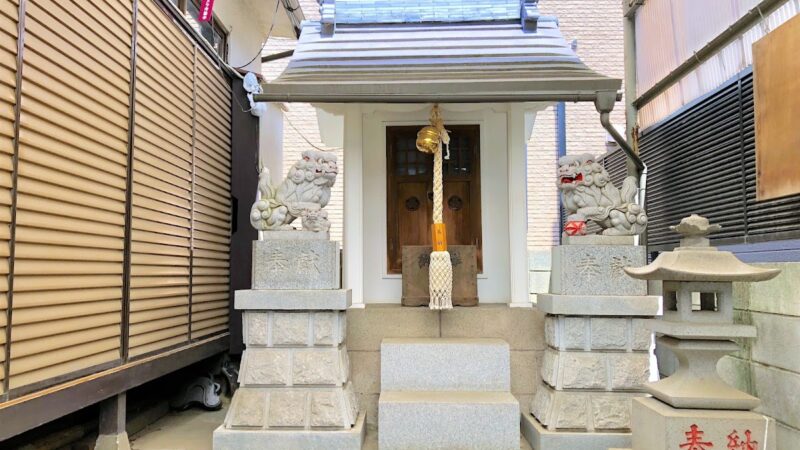
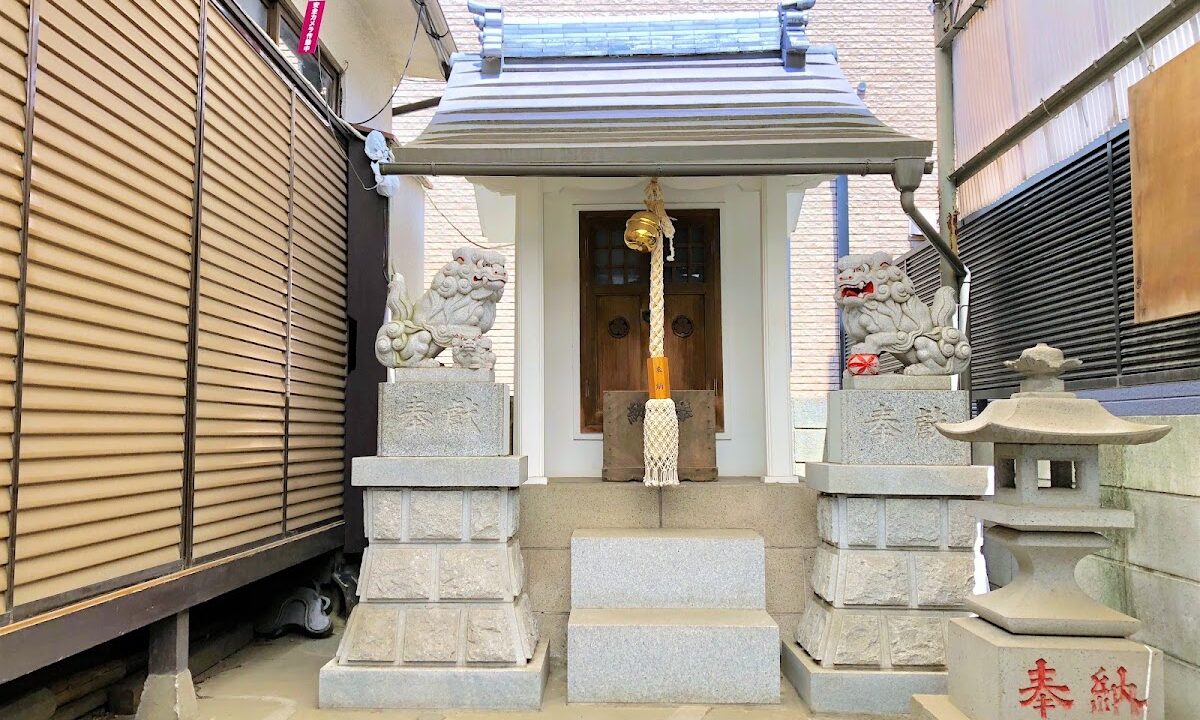
The shrine building of Ikedate Shrine is a compact wooden structure rebuilt after the war. Located in a residential area, the grounds are small, but they are kept clean, reflecting the faith of the local people.
A small offering box is placed in front of the shrine, and daily worshippers visit.
Torii Gate and Shrine Name Marker
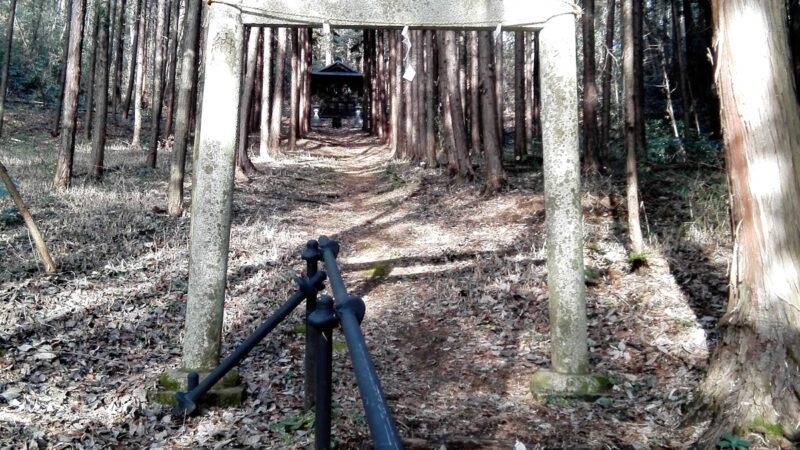
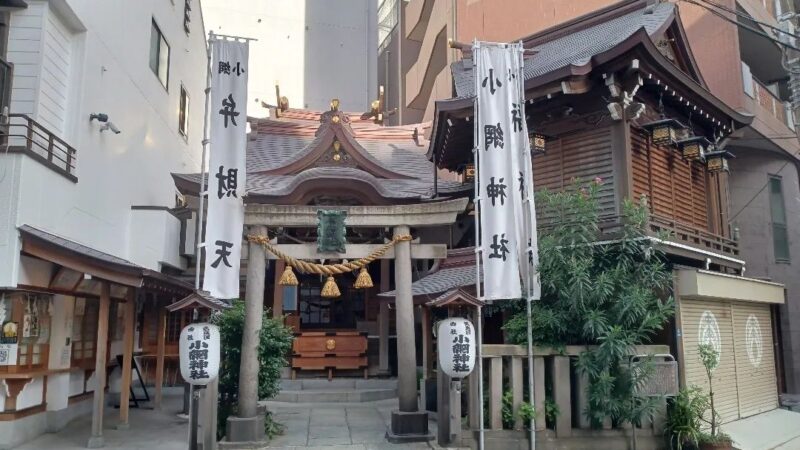
A torii gate stands at the entrance, and a shrine name marker reading “Ikedate Shrine” is displayed. Despite its small size, it maintains the dignity of a shrine, indicating to passersby that it is a sacred place.
Atmosphere of the Shrine Grounds
Despite being located in a residential area in the city center, the shrine grounds are enveloped in a tranquil atmosphere. While there are no large trees, the well-maintained space provides a sense of peace to visitors.
Access Information
Location
20 Kikuicho, Shinjuku-ku, Tokyo 162-0044
Access from the Nearest Station
From Waseda Station (Tokyo Metro Tozai Line)
- Approximately 3-5 minutes on foot (Most convenient access method)
- Exit from Exit 2, proceed west along Waseda-dori towards Kikuicho
From Ushigome-Yanagicho Station (Toei Oedo Line)
- Approximately 9-10 minutes on foot
- Exit from the East Exit, proceed along Gaien-Higashi-dori towards Kikuicho
Other Access
- Approximately 12 minutes on foot from Nishi-Waseda Station (Tokyo Metro Fukutoshin Line)
- Approximately 5 minutes on foot from the Waseda University Main Gate bus stop (Toei Bus)
Access by Car
As it is located in a residential area, there is no dedicated parking lot. If you are visiting by car, please use a nearby coin-operated parking lot.
Visiting Information
Visiting Hours
The shrine grounds are generally open all day, and you can visit at any time. However, as it is located in a residential area, please be considerate of the neighbors when visiting early in the morning or late at night.
Shrine Office/Gift Shop
Ikedate Shrine does not have a resident priest, and the shrine office is not always open. The shrine is managed concurrently by Anahachimangu Shrine.
About Goshuin (Shrine Seals)
Information regarding Ikedate Shrine’s goshuin is limited. Since it is a concurrently managed shrine, we recommend contacting Anahachimangu Shrine if you wish to obtain a goshuin.
Anahachimangu Shrine
- Location: 2-1-11 Nishi-Waseda, Shinjuku-ku, Tokyo
- Access: Approximately 5 minutes on foot from Waseda Station on the Tokyo Metro Tozai Line
Amulets and Gifts
There are no amulets or gifts that are always available. If you require a special gift, please contact Anahachimangu Shrine.
Annual Events
Due to its small size, the shrine does not hold large-scale festivals, but daily faith is maintained by the local community.
Annual Festival
While detailed dates are not publicly available, it is believed that a small annual festival is held by the local community association.
Nearby Attractions
Anahachimangu Shrine
Anahachimangu Shrine, a shrine under the jurisdiction of Ikedate Shrine, is located about 5-7 minutes on foot. This shrine is famous for its “Ichiyo Raifuku Omamori” (amulet for good fortune and prosperity), which is given out from the winter solstice to Setsubun (the day before the beginning of spring), attracting worshippers from all over Japan who pray for business prosperity and increased wealth.
Waseda University
The area around Waseda Station is home to the Waseda University campus and is a vibrant student town. There are also facilities to visit, such as the Okuma Auditorium and the Waseda University Theatre Museum.
Natsume Soseki Memorial Museum
In the Waseda area, there is a memorial museum built on the site of “Soseki Sanbo,” where the literary giant Natsume Soseki spent his later years. It is about a 10-minute walk from Ikedate Shrine.
Kansen-en Park
This strolling garden retains the atmosphere of a daimyo garden from the Edo period, allowing visitors to enjoy nature in all four seasons. It is about a 7-minute walk from Ikedate Shrine.
History and Origin of the Place Name of Kikui-cho
Kikui-cho, where Ikedate Shrine is located, is a quiet residential area in the northeastern part of Shinjuku Ward.
Origin of the Place Name
The place name “Kikui” is said to originate from a well called “Kikui” that was located in this area. During the Edo period, this area had many samurai residences, and wells with good quality water were a valuable resource.
Kikui-cho in the Edo Period
During the Edo period, many daimyo residences lined the area around present-day Kikui-cho. The Matsudaira family residence of the Mikawa Domain was one such example, and it is believed to have possessed a vast estate.
Development after the Meiji Era
During the Meiji era, samurai residences disappeared, and the area developed into a residential district. From the Taisho to the early Showa period, it was known as an area where many cultural figures lived, and Natsume Soseki also resided in this vicinity.
Relationship with Chiryu Shrine
Main Shrine: Chiryu Shrine (Chiryu City, Aichi Prefecture)
Chiryu Shrine, the main shrine of Ikedate Shrine, is a Shikinaisha (a shrine listed in the Engishiki, an ancient Japanese legal text) located in Chiryu City, Aichi Prefecture, and has been worshipped since ancient times as “Ike-Ryu Daimyojin.”
A Key Point on the Tokaido Road
Chiryu flourished as “Ike-Ryu-juku,” the 39th post town on the Tokaido Road, and Chiryu Shrine was deeply revered as a deity protecting the safety of travelers.
Connections to Edo
Mikawa Province and Edo had particularly strong ties due to their relationship as the birthplace of Tokugawa Ieyasu and the headquarters of the shogunate. The Matsudaira family of the Mikawa domain invited the deity of Chiryu Shrine to their Edo residence because of this historical background.
Manners and Etiquette for Worship
Basic Worship Etiquette
- Bow before the Torii Gate: Bow before entering the sacred area.
- Purify yourself at the water basin: There may not be a water basin at Chiryu Shrine, so purify your heart before worship.
- Two Bows, Two Claps, One Bow: Bow twice, clap twice, and finally bow once before the shrine.
- Be Quiet on the Shrine Grounds: As it is located in a residential area, please worship quietly.
Photography
Photography on the shrine grounds is generally permitted, but please be considerate of nearby residents. Avoid using flash and loud conversations.
Points to Note When Visiting Ikedate Shrine
Small Shrine
Ikedate Shrine is not a large shrine, but a small local guardian shrine. Those expecting a grand shrine building or vast grounds may be disappointed, but its charm lies in its quiet and peaceful atmosphere.
No Permanent Priest
Since the shrine office is not always open, it is recommended to check with Anahachimangu Shrine in advance if you wish to obtain a Goshuin (shrine stamp) or other items.
Consideration for Residential Areas
As the surrounding area is a residential neighborhood, consideration should be given to avoiding disturbing neighbors with noise and illegal parking.
The Charm of Ikedate Shrine
The Weight of History
Although a small shrine, it carries the weight of having experienced major historical turning points, from the Edo period’s daimyo culture to the Meiji Restoration. Its history, from being the guardian shrine of the Matsudaira family’s residence in Mikawa Domain to becoming the local tutelary deity, represents a typical pattern for shrines in Tokyo.
Tranquility in the City
Located in the heart of Shinjuku Ward, yet nestled quietly within a residential area, this shrine offers a respite from the hustle and bustle of the city. Its casual atmosphere, perfect for a casual visit during a stroll, is also a major draw.
A Faith Rooted in the Community
While not flashy, it boasts a rich history of being carefully preserved by the local community. The meticulously maintained grounds convey the deep faith of the local people.
Visiting Shrines in the Waseda Area
When visiting Ikedate Shrine, it’s recommended to also visit the surrounding shrines.
Anahachimangu Shrine
Approximately a 5-minute walk from Ikedate Shrine. Famous for its “Ichiyo Raifuku” (return of spring) amulet, it offers blessings for business prosperity and increased wealth.
Mizu Inari Shrine
Adjacent to Waseda University, this shrine is the guardian shrine of Takadanobaba. It is known for its connection to Tokugawa Tsunayoshi.
Suwa Shrine
A shrine near Takadanobaba Station, cherished as the local guardian deity.
Summary
Ikedate Shrine (Shinjuku Ward, Tokyo) is a historical shrine founded as the guardian shrine of the Matsudaira family’s residence in the Mikawa Domain, and has been passed down as the local guardian deity since the Meiji Restoration.
Although small in scale, it is a valuable place where you can feel the weight of history, from the daimyo culture of the Edo period to modern local faith. It is conveniently located about 3-5 minutes on foot from Waseda Station on the Tokyo Metro Tozai Line, making it easy to stop by while strolling around the Waseda area.
The quiet grounds, where Ikedate-Okami is enshrined, offer a place to calm the mind away from the hustle and bustle of the city, providing peace not only to locals but also to visitors.
When you visit the Waseda area, be sure to visit Ikedate Shrine. It may be a small shrine, but it is imbued with the history of Tokyo and the faith of the local people.