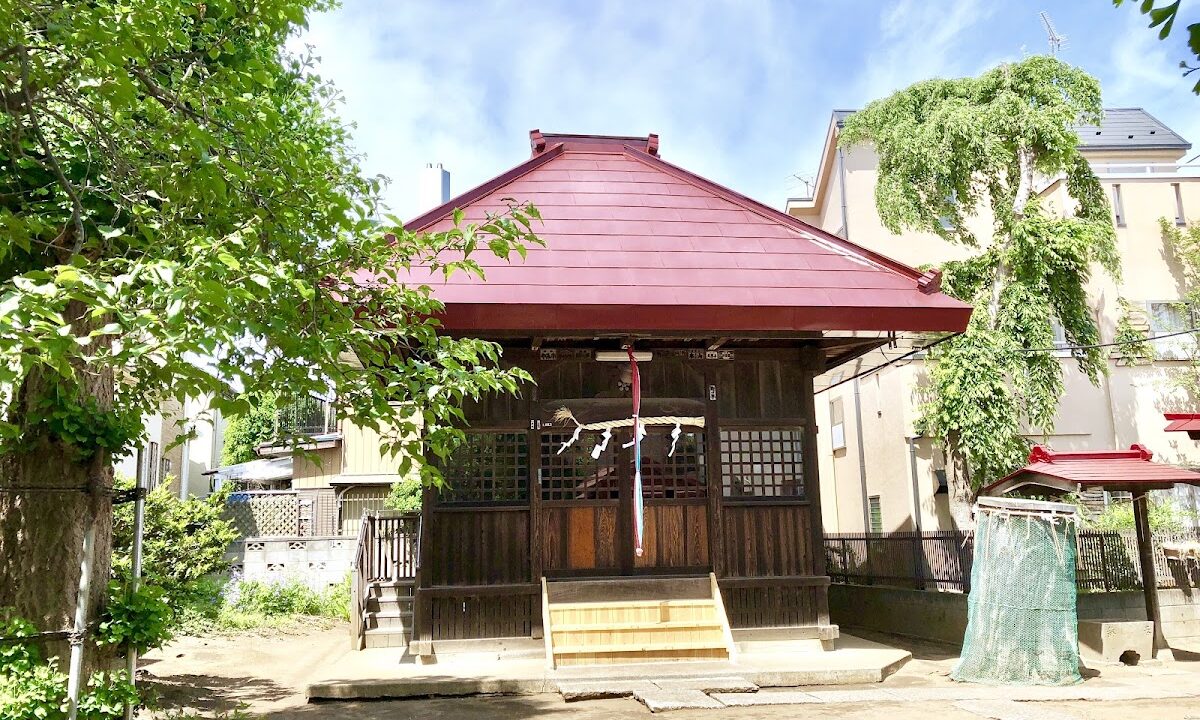
Doshida Kitano Shrine (Nerima Ward, Tokyo) Complete Guide | History, Goshuin (Shrine Seal), and Access Information
Doshida Kitano Shrine, located in Tanihara, Nerima Ward, Tokyo, is a shrine affectionately known as “Tenjin-san of 3-chome” by the local people. This shrine, which enshrines Sugawara no Michizane, known as the god of learning, boasts a history of over 400 years. This guide provides detailed information, from its history to visitor information.
Basic Information about Doshida Kitano Shrine
Doshida Kitano Shrine is located in Tanihara 6-chome, Nerima Ward, and enshrines Sugawara no Michizane. The shrine grounds, quietly nestled in a residential area, are still carefully preserved as a center of local faith.
Location: 6-20-16 Tanihara, Nerima-ku, Tokyo 177-0032
Deity Enshrined: Sugawara no Michizane
Common Name: 3-chome no Tenjin-san
Nearest Station: 17-23 minute walk (approx. 1.4 km) from the North Exit of Shakujii-koen Station on the Seibu Ikebukuro Line
Sugawara no Michizane is worshipped nationwide as the god of learning, and many visitors come to Dochida Kitano Shrine to pray for success in exams and academic achievement.
History and Origins of Dochida Kitano Shrine
Founded during the Keicho Era
Dochida Kitano Shrine is believed to have been founded during the Keicho era (1596-1615). This period coincided with the establishment of the Edo Shogunate and the turbulent times from the Battle of Sekigahara to the Summer Siege of Osaka.
The shrine was founded by a man named Sekiguchi Kan’emon, and initially, it was worshipped as the guardian deity of the Sekiguchi family. The Sekiguchi family is believed to have been influential in the area, and it is presumed that they invited Sugawara no Michizane to the shrine to pray for the prosperity and peace of their family.
To the Guardian Deity of Dochida Village
As time passed, Dochida Kitano Shrine evolved from being the private guardian deity of the Sekiguchi family to becoming the guardian deity of Dochida Village, 3-chome (near present-day Tanihara 6-chome), and gained the reverence of the entire community. The common name “Tenjin-san of 3-chome” originates from this location in Dochida Village, 3-chome.
Throughout the Edo period, in Dochida Village, a rural area, Tenjin worship was not only associated with learning but also with abundant harvests and protection from lightning. Because Sugawara no Michizane also had characteristics of a thunder god, he was considered important as a god protecting agricultural crops.
Changes Since the Modern Era
Following the Meiji-era separation of Shinto and Buddhism, Tochida Kitano Shrine was designated a village shrine. During the post-war period of rapid economic growth, the surrounding area underwent rapid residential development, but the shrine has continued to serve as the center of the local community to this day.
About the Deity: Sugawara no Michizane
Sugawara no Michizane (845-903), the deity enshrined at Tochida Kitano Shrine, was a real historical figure known as a politician, scholar, and Chinese poet of the Heian period.
The Life of Sugawara no Michizane
Michizane displayed exceptional talent from a young age and pursued scholarship to the highest rank of Minister of the Right. However, due to political intrigue, he was exiled to Dazaifu, where he spent the rest of his life. After his death, a series of strange occurrences in Kyoto led to the construction of Kitano Tenmangu Shrine to appease Michizane’s vengeful spirit, and the Tenjin faith spread throughout Japan.
Divine Virtues and Blessings
The main divine blessings you can pray for at Tochida Kitano Shrine are as follows:
- Academic Success and Passing Exams: Benefiting from Sugawara no Michizane’s outstanding scholarship
- Improvement in Writing: Inspired by his talent as an excellent Chinese poet
- Sincere Spirit: Learning sincerity and integrity from his honest character
- Abundant Harvest: As a Tenjin (heavenly deity), he protects agriculture
- Protection from Lightning: Reflecting his role as a thunder god
Especially during exam season, local students and their parents can be seen visiting to pray for success.
Highlights of the Shrine Grounds
Main Hall and Worship Hall
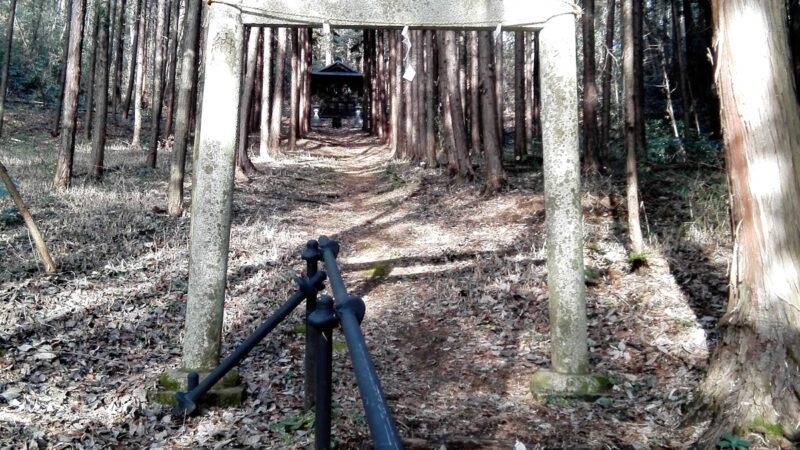
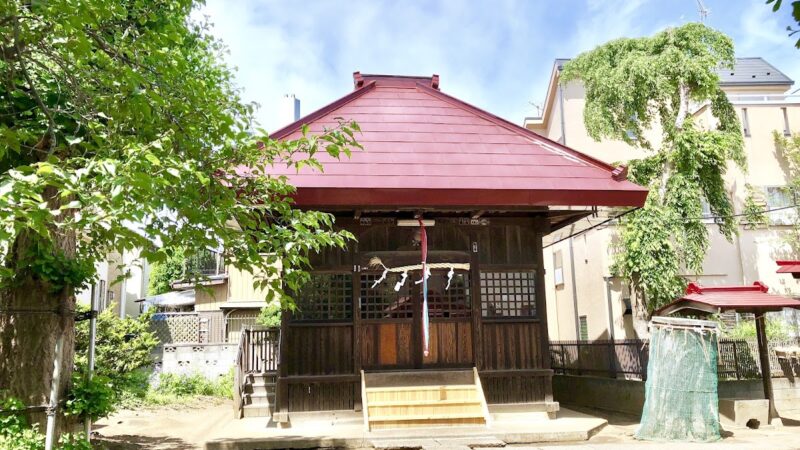
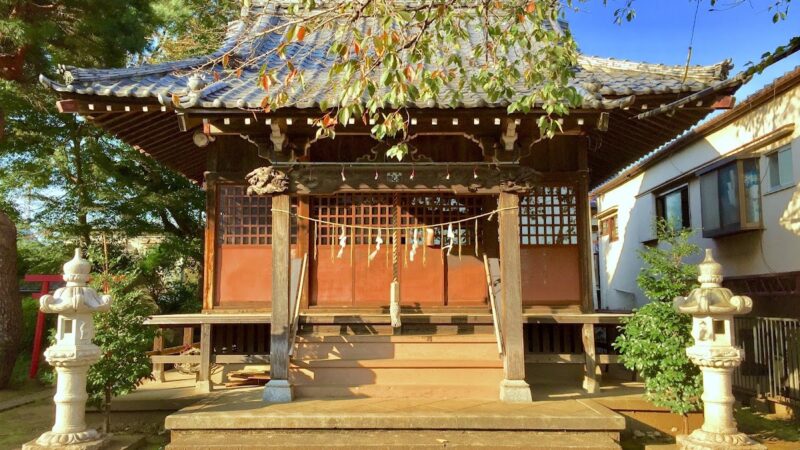
Although the shrine buildings of Tochida Kitano Shrine are small in scale, they are carefully maintained by the faith of the local people. Despite being located in a residential area, a tranquil atmosphere permeates the grounds, providing a space to forget the hustle and bustle of the city.
Shrines within the Precincts
The following shrines are enshrined within the grounds of Tochida Kitano Shrine:
Mitake Shrine
A shrine based on mountain worship, dedicated to Yamato Takeru and others. It has deep ties to Shugendo (mountain asceticism) and has attracted the faith of the local community.
Inari Shrine
Dedicated to Inari Okami, known as the god of abundant harvests and business prosperity. It was an important object of worship in this area, which was a rural region.
These shrines within the precincts tell the story of Tochida Kitano Shrine’s history of encompassing not only Tenjin worship but also diverse local beliefs.
Annual Festivals and Events
The following festivals are held throughout the year at Tochida Kitano Shrine:
Spring Festival
Date: March 25th
A festival celebrating the arrival of spring and praying for abundant harvests and the safety of the community. Since the death anniversary of Sugawara no Michizane falls on the 25th of the second month of the lunar calendar, the 25th is considered an important day in Tenjin worship.
Autumn Festival (Annual Grand Festival)
Date: October 15th
The annual grand festival, the most important festival of the year, is held. It is an important event where local residents gather to express gratitude for the harvest and pray for a bountiful harvest in the following year.
New Year’s Visit and Prayer for Success
At the beginning of the year, the shrine is bustling with visitors for the first shrine visit of the year, and especially during exam season, many students and families visit to pray for success.
About Goshuin (Shrine Seals)
Regarding the issuance of Goshuin at Tochida Kitano Shrine, since the shrine is small and does not have a permanent shrine office, prior confirmation is necessary to ensure you receive a Goshuin.
Generally, small shrines in Nerima Ward are often managed by neighboring shrines or parishioners’ representatives. Those wishing to receive a Goshuin (shrine stamp) should note the following:
- The shrine office is likely to be closed on weekdays.
- They may be able to accommodate requests on special days such as festival days.
- It is recommended to inquire with Nerima Ward shrine officials in advance.
When planning a Goshuin pilgrimage, it is recommended to visit other nearby shrines (such as Oizumi Tenjin Kitano Shrine or Dochida Hachimangu Shrine) in conjunction with this visit.
Access Information
Access by Train
Nearest Station: Seibu Ikebukuro Line, Shakujii-koen Station, North Exit
Estimated Time: Approximately 17-23 minutes on foot (approximately 1.4 km)
Exit the north exit of Shakujii-koen Station and head west along Waseda-dori (Tokyo Metropolitan Road 438) towards the Tanihara intersection. Enter the residential area of Tanihara 6-chome and follow the signs to arrive at Dochida Kitano Shrine.
Access by Bus
You can also take a Seibu Bus from the north exit of Shakujii-koen Station. Take a bus bound for Tanihara, get off at the nearest bus stop, and it’s a few minutes’ walk from there.
Access by Car
It’s about 15 minutes from the Nerima Interchange on the Kan-Etsu Expressway. However, since the shrine’s dedicated parking is limited, we recommend using nearby coin-operated parking lots or public transportation.
As the shrine is located in a residential area, please be considerate of the local residents when visiting.
Nearby Shrines and Temples
When visiting Dochida Kitano Shrine, we recommend also visiting the nearby shrines and temples.
Tsuchida Hachimangu Shrine
Location: 4-28-1 Tsuchida, Nerima-ku
Distance: Approximately 15 minutes on foot from Tsuchida Kitano Shrine (approx. 1.2 km)
This ancient shrine is said to have been founded in 1192 (Kenkyu 3), and was known as Kitano Shrine until the Meiji era. Currently, it is a Hachimangu shrine with Emperor Ojin (Homudawake no Mikoto) as its main deity, but the torii gate still bears the name “Kitano Shrine.” It has a history of being called “Tenjin-sama of Tawara-ku,” and has an interesting connection to Tsuchida Kitano Shrine.
Oizumi Tenjin Kitano Shrine
Location: 4-25-4 Higashi-Oizumi, Nerima-ku
Nearest Station: 3 minutes on foot from the North Exit of Oizumi-Gakuen Station on the Seibu Ikebukuro Line
This is the guardian shrine of the former Tsuchida Village, and is known as “Oizumi Tenjin,” the god of learning. In the early Edo period, it was called “Banshin-sama” and enshrined the Thirty Guardian Deities, a syncretic blend of Shinto and Buddhism. Following the Meiji Restoration’s separation of Shinto and Buddhism, the enshrined deity was changed to Sugawara no Michizane, and the shrine was renamed Kitano Shrine. Within the shrine grounds stands a giant soapberry tree, designated as a notable tree of Nerima Ward.
Tenjin Faith in Nerima Ward and the Dochida Area
Kitano Shrines in Nerima Ward
Besides Dochida Kitano Shrine, there are several other Kitano Shrines in Nerima Ward, including Oizumi Tenjin Kitano Shrine. This is closely related to the village structure of the Edo period, reflecting the history of each village independently cultivating Tenjin faith.
Dochida Village developed as an agricultural area throughout the Edo period and became part of Oizumi Village with the implementation of the town and village system in 1889 (Meiji 22). Later, in 1932 (Showa 7), it was incorporated into Tokyo City and is now part of Nerima Ward.
Origin of the Place Name Doshida
There are several theories regarding the origin of the place name “Doshida,” but the most likely explanation relates to the characteristics and topography of the land. This area is located on a corner of the Musashino Plateau and is characterized by the reddish soil of the Kanto loam layer.
Manners and Etiquette for Visiting a Shrine
Basic Worship Etiquette
Here are the basic manners for visiting Dochida Kitano Shrine:
- Bow before passing through the torii gate: This is a courtesy before entering the sacred area.
- Avoid walking in the center of the approach: The center is considered the path of the gods.
- Purify yourself at the water basin: Purify your left hand, then your right hand, then your mouth (this can be omitted if there is no water basin).
- Manners in front of the main hall: Two bows, two claps, and one bow are the basics.
- Visit the subsidiary shrines: Be sure to also visit the Ontake Shrine and Inari Shrine.
Considerations Unique to a Small Shrine
Dochida Kitano Shrine is a small shrine located in a residential area. When visiting the shrine, please observe the following:
- Avoid visiting early in the morning or late at night
- Avoid loud conversations
- Always take your trash with you
- Take photographs responsibly
- Respect the living space of nearby residents
Dochida Kitano Shrine and the Local Community
Doshida Kitano Shrine is not merely a place of worship, but has also played a central role in the local community.
Maintenance by Parishioners
The daily cleaning and maintenance of the shrine are carried out by local parishioners. Many local residents cooperate in protecting the shrine, including preparing for the annual festival and maintaining the shrine grounds.
Connection to Education
Doshida Kitano Shrine, which enshrines the god of learning, has a deep connection to local education. During exam season, students from nearby schools visit to pray for success, making it a place where the community watches over the growth of children.
A Pilgrimage to Kitano Shrines and Tenjin Shrines in Tokyo
Starting from Tochida Kitano Shrine, a “Tenjin Pilgrimage” visiting Tenjin shrines throughout Tokyo is one way to enjoy the area.
Major Tenjin Shrines
- Yushima Tenmangu Shrine (Bunkyo Ward): One of the three major Tenjin shrines of Edo
- Kameido Tenjin Shrine (Koto Ward): Also famous for its wisteria
- Yaho Tenmangu Shrine (Kunitachi City): One of the three major Tenjin shrines of the Kanto region
- Hirakawa Tenmangu Shrine (Chiyoda Ward): A Tenjin shrine located north of Edo Castle
By visiting these large Tenjin shrines and comparing them with smaller, locally rooted Tenjin shrines like Tochida Kitano Shrine, you can understand the diversity and regional characteristics of Tenjin worship.
Tochida Kitano Shrine in the Seasons
Spring (March-May)
Centered around the Spring Festival on March 25th, the shrine welcomes the season of plum and cherry blossoms. As it is dedicated to the god of learning, students can be seen visiting the shrine before the start of the new semester.
Summer (June-August)
The lush grounds remain relatively cool even under the summer sun, and local residents can be seen strolling around and visiting the shrine.
Autumn (September-November)
The Autumn Festival on October 15th is the largest event of the year. It is also the season of autumn leaves, a beautiful time when the trees on the shrine grounds change color.
Winter (December-February)
The shrine is bustling with people visiting for New Year’s prayers and praying for success in exams. The sight of students earnestly praying even in the cold demonstrates their deep faith in the god of learning.
Summary: The Charm of Dochida Kitano Shrine
Dochida Kitano Shrine is a community-based Tenjin worship shrine with a history of over 400 years, located in Tanihara, Nerima Ward, Tokyo. Although small in scale, this shrine is beloved by the local community as “Tenjin-san of Sanchome,” attracting worshippers seeking academic success and passing exams.
Initially founded during the Keicho era by Kan’emon Sekiguchi as the guardian deity of the Sekiguchi family, it eventually became the guardian deity of Sanchome, Dochida Village, and garnered reverence from the entire community. The shrine grounds also house Ontake Shrine and Inari Shrine, reflecting its history of embracing diverse beliefs.
Located within walking distance of Shakujii-koen Station, yet nestled in a quiet residential area, it offers a precious space for peaceful worship away from the hustle and bustle of the city. Local residents gather for the spring festival (March 25th) and autumn festival (October 15th), continuing to uphold tradition.
Experience the charm of this small, community-supported shrine, unlike large tourist shrines. Along with the divine virtues of Sugawara no Michizane, the god of learning, you can connect with the history of the region and the faith of its people.