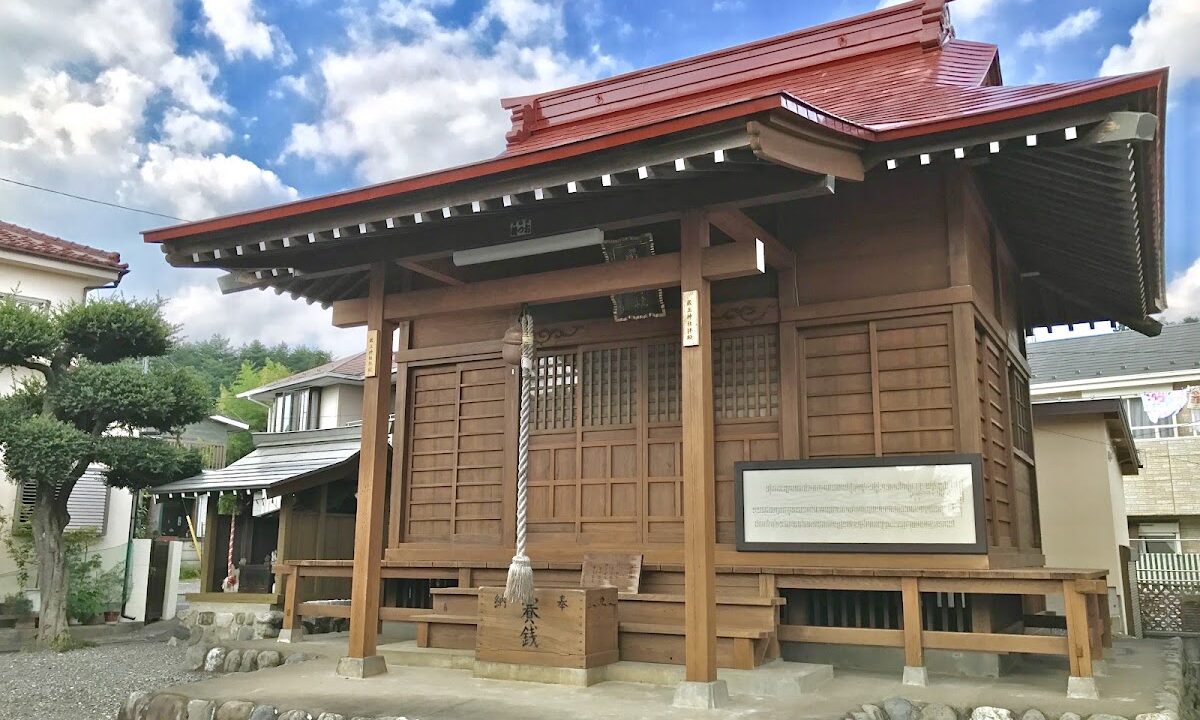
Kuramae Shrine (Taito Ward, Tokyo) Complete Guide | History, Goshuin (Shrine Seal), and Access Information
Kuramae Shrine, located in Kuramae, Taito Ward, Tokyo, is a historic shrine that preserves the atmosphere of the Edo period. Founded in 1693 (Genroku 6) by Tokugawa Tsunayoshi, the 5th Shogun of the Tokugawa Shogunate, it has been revered as the guardian deity of the region for over 300 years. This article comprehensively introduces information useful for visiting Kuramae Shrine, including its detailed history, enshrined deities, goshuin information, seasonal highlights, and detailed access information.
History and Origins of Kuramae Shrine
Founded by Tokugawa Tsunayoshi
The founding of Kuramae Shrine dates back to August 1693 (Genroku 6). It began when Tokugawa Tsunayoshi, the 5th Shogun of the Edo Shogunate, invited and enshrined a divided spirit of Iwashimizu Hachimangu Shrine in Otokoyama, Yamashiro Province (present-day Kyoto Prefecture).
The reason Shogun Tsunayoshi invited the Iwashimizu Hachimangu Shrine to this location was its role as a protection against evil influences from the northeast of Edo Castle. Kuramae Shrine is located northeast of Edo Castle and was deeply revered as a guardian deity against evil influences and as one of the Shogun’s places of prayer. At its founding, it received a donation of 200 koku of land, indicating the generous patronage it received from the shogunate.
Common Names: “Iwashimizu Hachimangu” and “Kuramae Hachiman”
Initially, Kuramae Shrine was called “Iwashimizu Hachimangu” or “Higashi Iwashimizu-gu.” It was also affectionately known as “Kuramae Hachiman” by the local people and was widely worshipped by the common people of Edo.
The temple that oversaw the shrine was Yutokuzan Daigoin, and during the era of syncretism of Shinto and Buddhism, the shrine and temple worked together to support the local faith. After the Meiji Restoration’s separation of Shinto and Buddhism, the current name “Kuramae Shrine” came into official use.
Deep Connections with Sumo
When discussing the history of Kuramae Shrine, its deep connection with sumo is indispensable. During the Edo period, fundraising sumo tournaments were frequently held on the grounds of Kuramae Shrine, greatly contributing to the development of professional sumo.
Notably, the vertical ranking list used in sumo today is believed to have originated from a tournament held at Kuramae Shrine in October of the 7th year of the Hōreki era (1757). Until then, horizontal ranking lists were used, but the vertical format was adopted following the tournament at Kuramae Shrine, and this became the standard thereafter. This historical fact demonstrates the important role Kuramae Shrine played in the history of sumo, Japan’s national sport.
Former Shrine Rank and Regional Positioning
Under the Meiji era’s shrine ranking system, Kuramae Shrine was ranked as a Gosha (village shrine). Gosha was a rank given to the central shrine of a county, and it served as the guardian shrine of the Kuramae area, a spiritual pillar of the local community.
Despite suffering damage from war, the shrine was rebuilt through the efforts of the local people and continues to welcome many worshippers as the guardian deity of the Tsurumae area of Taito Ward.
Deities and Divine Virtues
Kuramae Shrine enshrines six deities, each with different divine virtues.
Main Deities
Emperor Hondawake
This refers to Emperor Ojin, the 15th emperor, widely worshipped as Hachiman. He is revered as the god of military success, national protection, and industrial development.
Empress Okinagatarashihime
The mother goddess of Emperor Ojin, known as Empress Jingu. She has divine virtues of safe childbirth, child-rearing, and safe voyages.
Hime Okami
A goddess considered one of the three Munakata goddesses and also the consort of Hachiman. She is the guardian deity of maritime safety and traffic safety.
Enshrined Deities
Ukanomitama-no-Mikoto
Known as Inari, the god of grain and food. Offers blessings for abundant harvests and business prosperity.
Sugawara no Michizane
Famous as the god of learning, Tenjin-sama. Offers blessings for academic success, passing exams, and improvement in writing.
Shiotsuchi-no-Oji-no-Mikoto
Worshipped as the god of navigation and fishing, and as a god of guidance in life.
Through these six deities, Kuramae Shrine is revered as a shrine offering a wide range of blessings, including protection from misfortune, business prosperity, academic success, and safe childbirth.
Highlights of the Shrine Grounds
Shrine Buildings and Architectural Style
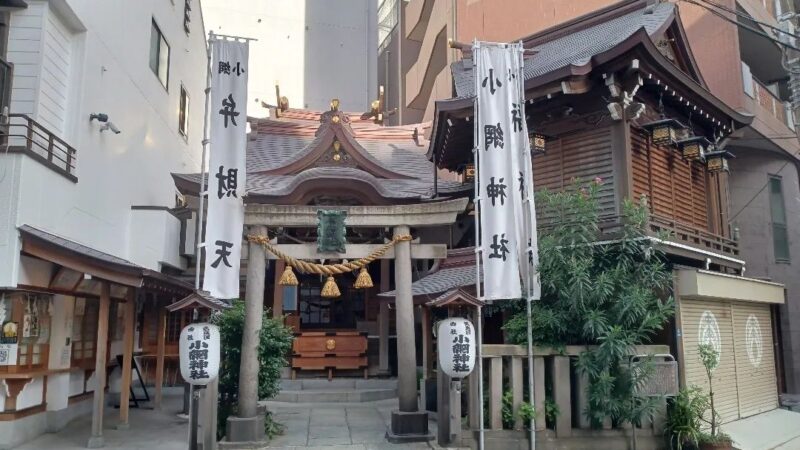
Although the shrine buildings of Kuramae Shrine were rebuilt after the war, they exhibit a magnificent appearance that inherits the traditions of Edo period shrine architecture. Despite being amidst the hustle and bustle of the city, the shrine grounds are enveloped in a tranquil atmosphere, offering peace of mind to visitors.
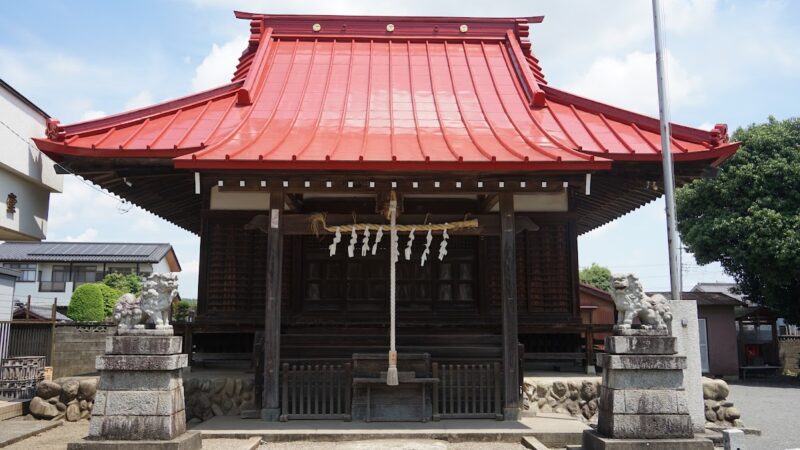
Magnificent guardian lion-dogs stand before the main hall, watching over worshippers. Visitors can purify themselves with the pure water at the purification fountain before offering their prayers.
Seasonal Scenery
The grounds of Kuramae Shrine display beautiful scenery throughout the four seasons.
Spring: Mimosa and Early-Blooming Cherry Blossoms
Kuramae Shrine is particularly noteworthy in spring. The grounds are filled with vibrant yellow mimosa blossoms, their beauty delighting visitors. Early-blooming cherry trees are also planted, announcing the arrival of spring a little earlier than the Somei Yoshino cherry blossoms. The collaboration of mimosa and cherry blossoms is a unique spring spectacle at Kuramae Shrine.
Summer: Lush Green Grounds
In summer, the trees on the shrine grounds are lush and green, providing a cool oasis in the city.
Autumn: Autumn Leaves and a Calm Atmosphere
In autumn, the trees on the shrine grounds change color, creating a calm atmosphere for worship.
Winter: Refreshing Air
Worshiping in the crisp winter air offers a refreshing feeling that cleanses both mind and body.
Goshuin (Shrine Seal) Information
Standard Goshuin
Kuramae Shrine offers beautifully handwritten goshuin. The shrine’s name, “Kuramae Shrine,” is in the center, “Homage” (拝) is on the right, and the date of visit is on the left. The shrine’s seal is stamped on the seal, resulting in a simple yet dignified design.
The offering fee is usually around 300 to 500 yen. For those who do not have a goshuincho (seal book), Kuramae Shrine’s original goshuincho are also available.
Limited Edition Goshuin (Shrine Seals)
Kuramae Shrine sometimes offers limited edition goshuin (shrine seals) in accordance with the seasons and festivals. Especially during the spring mimosa season and around the time of the annual grand festival, special designs are sometimes available.
Information about limited edition goshuin is often announced on Kuramae Shrine’s official website and social media, so it is recommended to check in advance.
Goshuin Reception Hours
Goshuin are generally available from 9:00 AM to around 5:00 PM, but there may be times when the priests are absent due to their schedules. If you want to be sure to receive a goshuin, it is recommended to call in advance to confirm.
Annual Events and Festivals
Annual Grand Festival
The most important festival at Kuramae Shrine is the annual grand festival. Held every September, it attracts many local parishioners and worshippers. A portable shrine procession takes place, and the town of Kuramae is enveloped in the festive atmosphere.
New Year’s Visit
Many worshippers visit the shrine for their first shrine visit of the new year. From New Year’s Day through the third day, the shrine is bustling with people praying for safety and prosperity in the new year.
Other Annual Events
- Setsubun Festival (February): Bean-throwing ceremony held to ward off evil and pray for good fortune.
- Summer Purification Ceremony (June 30th): A Shinto ritual to purify and cleanse away the impurities accumulated over the past six months.
- Shichi-Go-San Festival (November): A visit to celebrate the growth of children.
- Year-End Purification Ceremony (December 31st): A Shinto ritual to purify and cleanse away the impurities accumulated over the past year.
Access Information
Access by Train
The most convenient way to get to Kuramae Shrine is by using the Toei Subway.
From Kuramae Station on the Toei Oedo Line
Approximately 2 minutes on foot from Exit A6. Exit the station and turn right; the shrine entrance will be immediately on your left.
From Kuramae Station on the Toei Asakusa Line:
Approximately 2 minutes on foot from Exit A4. After exiting the station, walk along Kuramaebashi Street and you will arrive immediately.
Other Nearest Stations:
- Approximately 10 minutes on foot from Asakusa Station on the Toei Asakusa Line
- Approximately 12 minutes on foot from Tawaramachi Station on the Tokyo Metro Ginza Line
- Approximately 12 minutes on foot from Asakusabashi Station on the JR Sobu Line
Access by Car and Parking
Kuramae Shrine does not have its own parking lot. If you are visiting by car, you will need to use a nearby coin-operated parking lot.
There are several coin-operated parking lots around Kuramae Station, but the number of spaces is limited, so we recommend using public transportation. Please note that the surrounding roads can be particularly congested during festivals and holidays.
Access by Foot or Bicycle
Kuramae Shrine is within walking distance from the Asakusa and Ryogoku areas, making it possible to combine a visit with sightseeing in the surrounding area. It is also close to the Sumida River promenade, so a stroll along the river is also recommended.
For bicycles, there is a parking space on the shrine grounds, but space is limited, so please be considerate of others.
Basic Information
Location
3-14-11 Kuramae, Taito-ku, Tokyo 111-0051
Phone Number
03-3851-0617
Visiting Hours
Shrine grounds are open freely (Shrine office is open from 9:00 AM to around 5:00 PM)
Official Website
https://kuramaejinja.tokyo/
Deities Enshrined
Emperor Ojin (Homudawake no Mikoto), Empress Jingu, Hime-no-Okami, Ukanomitama no Mikoto, Sugawara no Michizane, Shiotsuchi no Okina no Mikoto
Former Shrine Rank
Gōsha (Village Shrine)
Annual Festival
September
Nearby Attractions and Tourist Spots
The Charm of the Kuramae Area
The Kuramae area, where Kuramae Shrine is located, has recently been attracting attention as a “manufacturing town.” The area boasts a unique atmosphere where tradition and modernity blend, with workshops for leather goods and miscellaneous items, as well as stylish cafes and galleries.
Kuramae Cafes & Shops Around Kuramae Shrine, you’ll find numerous specialty coffee shops, bakeries, and general stores. Enjoying a stroll through Kuramae after visiting the shrine is highly recommended.
Ryogoku Kokugikan The sacred site of sumo wrestling is within walking distance of Kuramae Shrine. Visiting while considering the historical connection between Kuramae Shrine and sumo will deepen your appreciation.
A Stroll Along the Sumida River The Sumida River is just a few minutes’ walk from the shrine. The riverside promenade is perfect for a stroll, and you can also enjoy views of the Tokyo Skytree.
Senso-ji Temple Senso-ji Temple, one of Tokyo’s most representative tourist destinations, is also within walking distance. Many people visit both Kuramae Shrine and Senso-ji Temple.
Manners and Points for Visiting a Shrine
Basic Worship Etiquette
- Bow Before Passing Through the Torii Gate: As a sign of respect before entering the sacred area, bow before the torii gate.
- Purify at the Water Basin: Purify your left hand, then your right hand, then your mouth, and finally the handle of the ladle.
- Walk Along the Edge of the Path: The center is considered the path of the gods.
- Two Bows, Two Claps, One Bow: In front of the main hall, bow twice, clap twice, and finally bow once.
Regarding Photography
Photography is generally permitted on the shrine grounds, but consideration for other worshippers is necessary. Especially during the mimosa and cherry blossom seasons, many worshippers visit, so please be mindful of others.
Photography inside the shrine buildings and of the sacred object is prohibited. Regarding photographs of Goshuin (shrine stamps), it is considered good manners to obtain permission from the shrine before posting them on social media.
Regarding Attire
For regular visits, there are no specific dress code requirements, but please dress neatly and respectfully, as you are going to meet the gods. For those receiving prayers or blessings, more formal attire is recommended.
Summary of Kuramae Shrine’s Charms
Kuramae Shrine is a venerable shrine with over 300 years of history, founded by Tokugawa Tsunayoshi. It enshrines a divided spirit of Iwashimizu Hachimangu Shrine and has played an important role as a protector against evil spirits for Edo Castle and as a place of prayer for the Shogun’s family.
It also has deep ties to sumo wrestling, particularly its historical significance as the birthplace of the current vertical sumo ranking system. With six enshrined deities, it offers diverse blessings, including protection from evil, business prosperity, academic success, and safe childbirth, and is still deeply revered as a guardian deity of the region.
The mimosa and early-blooming cherry blossoms in spring are major attractions of Kuramae Shrine, drawing many worshippers and photography enthusiasts. Its excellent accessibility, just a 2-minute walk from Kuramae Station on the Toei Subway, is another major draw. Located in the Kuramae area, where the atmosphere of traditional downtown Tokyo blends with a new culture of craftsmanship, Kuramae Shrine continues to play a vital role as a spiritual pillar of the community and a place for conveying history and culture.
When sightseeing in Tokyo or strolling through Asakusa, be sure to visit Kuramae Shrine. The time spent calming your mind in its tranquil grounds and reflecting on its 300-year history will surely be a memorable experience.