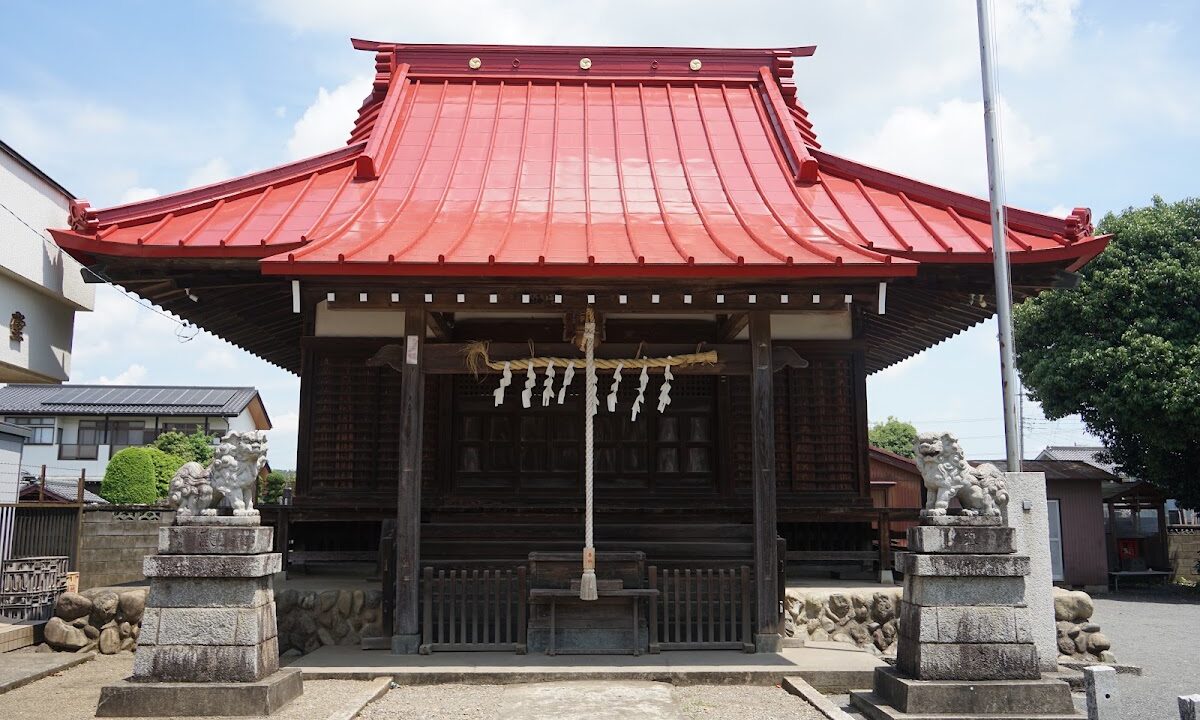
Tokiwagi Shrine (Ome City, Tokyo) Complete Guide | History, Deities, Access, and Highlights Explained in Detail
Tokiwagi Shrine, located in Imadera, Ome City, Tokyo, is a historical shrine founded as the guardian shrine of Hoonji Temple. During the Meiji era, five shrines were merged into it, resulting in a unique shrine that enshrines many deities. This article comprehensively introduces information useful for visiting Tokiwagi Shrine, including its detailed history, enshrined deities, highlights within the grounds, and access methods.
Basic Information on Tokiwagi Shrine
Location: 1-530 Imadera, Ome City, Tokyo (Some sources list 528)
Nearest Station: JR Ome Line, Kawabe Station
Shrine Rank: Former Unranked Shrine
Annual Festival Date: September 15th
Tokiwagi Shrine is located in the Kawabe district of Ome City, adjacent to Hoonji Temple, an ancient Tendai sect temple. Having been located at its current site for over 150 years, Tokiwagi Shrine is cherished by residents as the local guardian deity.
History and Origins of Tokiwagi Shrine
Founding Circumstances and Relationship with Hoonji Temple
The exact founding date of Tokiwagi Shrine is unknown, but it was originally established as the guardian shrine of the adjacent Tendai sect temple, Hoonji. Hoonji is an ancient temple said to have been founded in 822 (Kōnin 13) by Ryōkai, a monk of Enryakuji Temple on Mount Hiei, and Tokiwagi Shrine played a role in protecting this temple.
Until the Edo period, it was a syncretic Shinto-Buddhist relationship, united with Hoonji Temple and attracting worshippers together. At that time, several shrines were scattered within the grounds of Hoonji Temple and its branch temples.
Merger and Renaming in the Meiji Era
The current form of Tokiwagi Shrine was established by the Meiji era’s separation of Shinto and Buddhism decree.
October 1869 (Meiji 2): The following five shrines were merged:
- Kumano Gongen (within the grounds of Hoonji Temple)
- Sanno Gongen (within the grounds of Hoonji Temple)
- Inari Daimyojin (within the grounds of Hoonji Temple)
- Tenman Tenjin (within the grounds of Hoonji Temple)
- Wakamiya Hachimangu (within the grounds of the branch temple, Jorakuin)
These shrines were originally enshrined four within the grounds of Hoonji Temple and one within the grounds of its branch temple, Jorakuin. However, due to the Shinto-Buddhist separation policy, they were integrated into independent shrines.
Initially, the merged shrine was called “Uetake Shrine,” but in 1870 (Meiji 3), it was renamed to its current name, “Tokiwagi Shrine.”
Origin of the Shrine Name
The name “Tokiwagi” originates from an old oak tree that grew on the shrine grounds. The oak tree is an evergreen, and because it retains its green leaves all year round, it is called “Tokiwagi” (evergreen tree). It is believed that this ancient oak tree was recognized as a symbol of the shrine, and therefore adopted as the shrine’s name. Evergreen trees are considered symbols of eternity and permanence, and have long been objects of worship as auspicious trees.
About the Deities Enshrined
Tokiwagi Shrine enshrines many deities due to the history of their combined enshrinement.
Main Deities
Kumano Sansho Gongen (Kumano Three Gods):
- Izanagi-no-Mikoto
- Hayatama-no-O-no-Mikoto
- Kotosaka-no-O-no-Mikoto
These are deities who were worshipped as Kumano Gongen, and are enshrined based on Kumano faith. It is believed that the deities of the Kumano Sanzan (Kumano Hongu Taisha, Kumano Hayatama Taisha, and Kumano Nachi Taisha) were invited to this shrine.
Enshrined Deities
Homudawake no Mikoto
- The enshrined deity of Wakamiya Hachimangu Shrine. A deified version of Emperor Ojin, worshipped as the god of military fortune and victory.
Oyamakui no Mikoto
- The enshrined deity of Sanno Gongen Shrine. The tutelary deity of Mount Hiei, revered as the god of mountains and agriculture.
Ukanomitama no Mikoto
- The enshrined deity of Inari Daimyojin Shrine. Widely worshipped as the god of abundant harvests and business prosperity.
Sugawara no Michizane
- The enshrined deity of Tenman Tenjin Shrine. Known as the god of learning, Tokiwagi Shrine is believed to grant blessings for passing entrance exams and achieving academic success.
Thus, Tokiwagi Shrine is a shrine where multiple faiths are fused, and it is characterized by the fact that it can bestow diverse divine blessings.
Highlights of the Shrine Grounds
Torii Gate
There are two types of torii gates on the grounds of Tokiwagi Shrine.
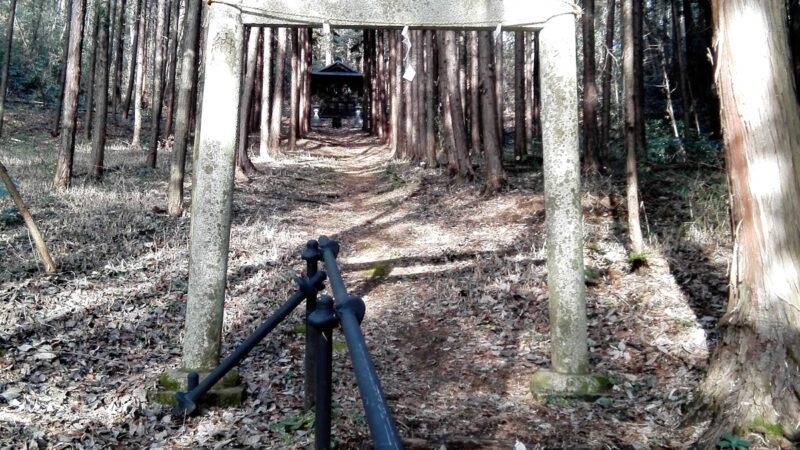
Stone Torii Gate: A stone Myojin torii gate stands at the entrance to the approach to the shrine. It has a dignified appearance that reflects its age.
Wooden Ryobu Torii Gate: A Ryobu torii gate (four-legged torii gate), a remnant of the syncretism of Shinto and Buddhism, can also be seen. The Ryobu torii is a style in which the main pillars of the torii gate are flanked by supporting pillars (chigo-bashira), and is a style often seen in shrines from the era of Shinto-Buddhist syncretism.
Shrine Building
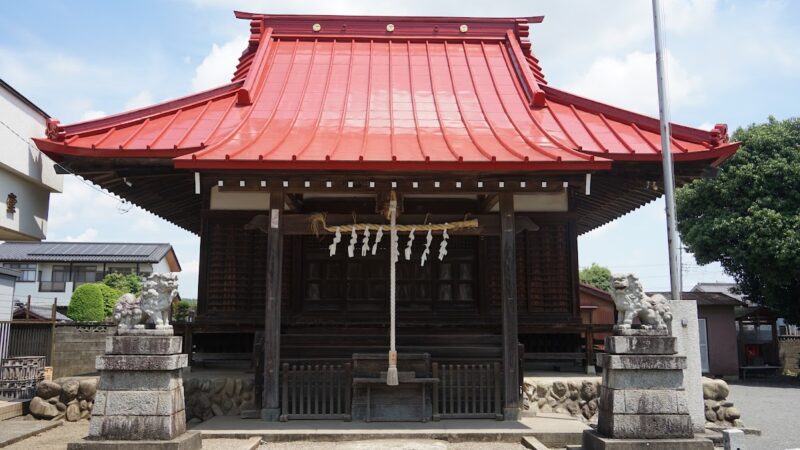
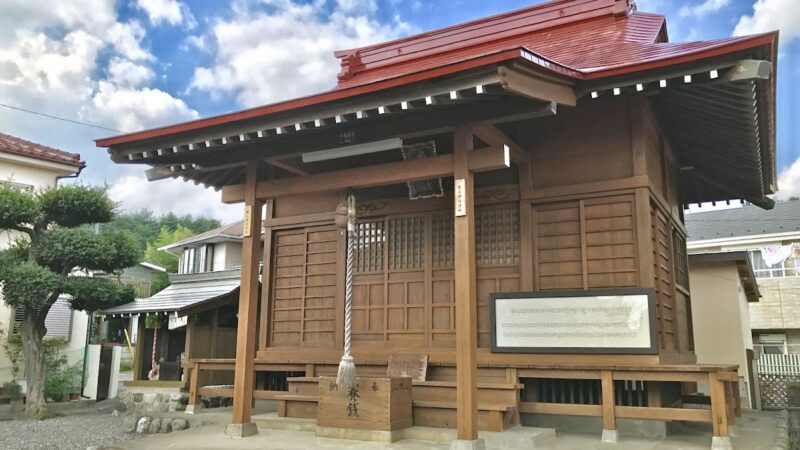
The shrine building, erected after the shrine was relocated to its current location, is simple but carefully maintained. It is a typical shrine architecture consisting of a worship hall and a main hall, and functions as the center of local faith.
Water Basin
A water basin is provided for purifying oneself before worship. Please purify your hands and mouth here before proceeding to the shrine.
Subsidiary Shrines and Stone Monuments
Several stone monuments and memorials are erected within the shrine grounds, telling the story of the region’s history. You may also find remnants of the individual shrines before their merger.
Imadera Community Hall
The Imadera Community Hall is located within the shrine grounds and functions as a community facility. It demonstrates the shrine’s central role in the local community.
Relationship with Hoonji Temple
Tokiwa Shrine is adjacent to Hoonji Temple, allowing visitors to worship at both together. Hoonji Temple is an ancient Tendai sect temple, and its grounds contain historical buildings and cultural artifacts. The adjacent location of the shrine and temple reflects the lingering influence of the former era of syncretism between Shinto and Buddhism.
Access Methods
Access by Train and Bus
Nearest Station: JR Ome Line “Kawabe Station”
By Bus:
- Take the Seibu Bus bound for “Iruma City Station” from Kawabe Station.
- Get off at the “Dai-san Shogakko-mae” (Third Elementary School) bus stop.
- Approximately 5 minutes on foot from the bus stop.
Since bus service is limited, it is recommended to check the timetable in advance.
Access on Foot
It takes approximately 20-25 minutes on foot from Kawabe Station. Head northwest from the station, and proceed along Ome Kaido (Ome Road) towards the Imadera area.
Access by Car
Metropolitan Inter-City Expressway (Ken-O Expressway):
- Approximately 10 minutes from Ome IC
Parking: There may be parking spaces for visitors on the temple grounds or at Hoonji Temple, but it is recommended to check details in advance.
Points to Note When Visiting
Visiting Hours
Tokiwagi Shrine is generally open for worship all day, but the shrine office may not always be staffed. If you wish to receive a Goshuin (shrine stamp) or other items, it is recommended to contact the shrine in advance.
About Goshuin
Information regarding the issuance of Goshuin at Tokiwagi Shrine is limited. As it is a small shrine, it may not always be available. Those wishing to receive a Goshuin are advised to inquire in advance.
Manners for Visiting
- Bow before passing through the torii gate.
- Purify your hands and mouth at the temizuya (water basin).
- Avoid walking in the center of the approach to the shrine. (The center is the path for the gods.)
- Bow twice, clap twice, and bow once in front of the main hall.
- Maintain silence within the shrine grounds.
Photography
Photography is generally permitted within the shrine grounds, but please refrain from taking photos inside the shrine buildings or in sacred areas. Also, please be considerate of other worshippers. ## Annual Events
Annual Festival (September 15th)
The annual festival, the most important festival of Tokiwagi Shrine, is held every year on September 15th. Local parishioners gather, and there may be a procession of the portable shrine and performances of sacred dance and music. It is a traditional event that is passed down in the region.
Other Events
Due to the small size of the shrine, detailed information on annual events is limited, but it is believed that basic Shinto rituals such as the New Year’s Day festival, Setsubun festival, and summer purification ceremony are performed.
Nearby Attractions
Hoonji Temple
An ancient Tendai sect temple adjacent to Tokiwagi Shrine. It is said to have been founded in 822 (Kōnin 13), and is an important temple in the history of Ōme City. Visitors can see historical buildings such as the main hall and temple gate.
Ōme City Local History Museum
A museum where you can learn about the history and culture of Ōme City. There may also be exhibits on the history of Tokiwagi Shrine and Hoonji Temple. It’s about a 10-minute drive from Kawabe Station.
Ome Hills Hiking Course
The Ome Hills, rich in nature, offer several hiking courses where you can enjoy the scenery of each season. Combining a visit to Tokiwagi Shrine with a hike to fully enjoy Ome’s nature is highly recommended.
Shiofune Kannonji Temple
A representative ancient temple of Ome City, known for its azaleas. Accessible by bus from Kawabe Station.
The Charm and Characteristics of Tokiwagi Shrine
Conveying the History of Shinto-Buddhist Syncretism
The greatest characteristic of Tokiwagi Shrine is that it preserves its appearance from before the Meiji-era separation of Shinto and Buddhism. Its founding as the guardian shrine of Hoonji Temple and the subsequent merger of multiple shrines is a valuable example for understanding Japanese religious history. The coexistence of stone and wooden Ryobu-torii gates also indicates a remnant of the Shinto-Buddhist syncretism era.
Diverse Divine Blessings
By enshrining five deities together, Tokiwagi Shrine offers a diverse range of divine blessings. From good fortune and protection from evil through Kumano faith, to military success and victory through Hachiman faith, to agricultural and business prosperity through Sanno faith, to abundant harvests through Inari faith, and academic success through Tenjin faith, this shrine caters to a variety of worshippers’ wishes.
A Faith Rooted in the Community
As evidenced by the presence of the Imadera Community Hall within the shrine grounds, Tokiwagi Shrine functions as a central hub for the local community. While not a large-scale tourist shrine, it has a history of being cherished and protected by local residents.
A Tranquil Worship Environment
Located in a residential area of Ome City, away from the city center, it offers a quiet and peaceful atmosphere for worship. It provides an environment where one can escape the hustle and bustle, calm their mind, and offer prayers at their own pace.
Visiting Shrines in Ome City
When visiting Tokiwagi Shrine, it is recommended to also visit other shrines in Ome City. ### Musashi Mitake Shrine
An ancient shrine situated on the summit of Mount Mitake, known as one of the most sacred mountains in the Kanto region. It’s accessible by cable car, allowing visitors to enjoy both hiking and worship.
Shrines of the Ome Grand Festival
The Ome Grand Festival is held annually in May in the Ome city area, with several shrines participating, centered around Sumiyoshi Shrine. The procession of floats is a spectacular sight.
Kongoji Temple
A Shingon sect temple of the Buzan school, founded during the Heian period, and one of the Ome Seven Lucky Gods. Many historical buildings and cultural assets remain.
Visitor Feedback
The following are comments from visitors who have come to Tokiwagi Shrine:
- “It was great to be able to visit both the shrine and the temple, as they are adjacent to Hoonji Temple.”
- “I was able to worship slowly in a quiet and peaceful atmosphere.”
- “Knowing the historical background of the five shrines being enshrined together allows for a deeper worship experience.”
- “I appreciate the atmosphere of a shrine rooted in the local community.”
Guidelines for Visiting Tokiwagi Shrine
Preparations
- If using public transportation, check the bus timetable in advance.
- If you wish to receive a Goshuin (shrine stamp), check in advance if it is possible.
- Prepare appropriate clothing and shoes for the weather.
- Plan to visit Hoonji Temple as well.
Precautions During Worship
- Behave quietly within the shrine grounds.
- Be mindful of noise as it is close to the living spaces of local residents.
- Always take your trash with you.
- Do not touch the plants or buildings on the shrine grounds.
- Take photographs with consideration for those around you.
Summary
Tokiwagi Shrine, located in Imadera, Ome City, Tokyo, is a historical shrine founded as the guardian shrine of Hoonji Temple, and was formed during the Meiji era by merging five other shrines. Within the grounds is a Ryobu-style torii gate, a remnant of the era of syncretism between Shinto and Buddhism, and enshrines many deities, including the Kumano Three Gods.
Accessible by bus and on foot from Kawabe Station, a visit to both the shrine and the adjacent Hoonji Temple allows you to experience the history and deep faith of the Ome region. While not a large-scale tourist shrine, its charm lies in its tranquil, community-based worship environment and the diverse divine blessings it offers.
When visiting Ome City, be sure to visit Tokiwagi Shrine and experience its history and faith. As its name suggests, derived from an old oak tree on the grounds, unwavering faith still thrives there.
We hope that your visit to Tokiwagi Shrine will be a time of peace and a chance to receive many divine blessings.