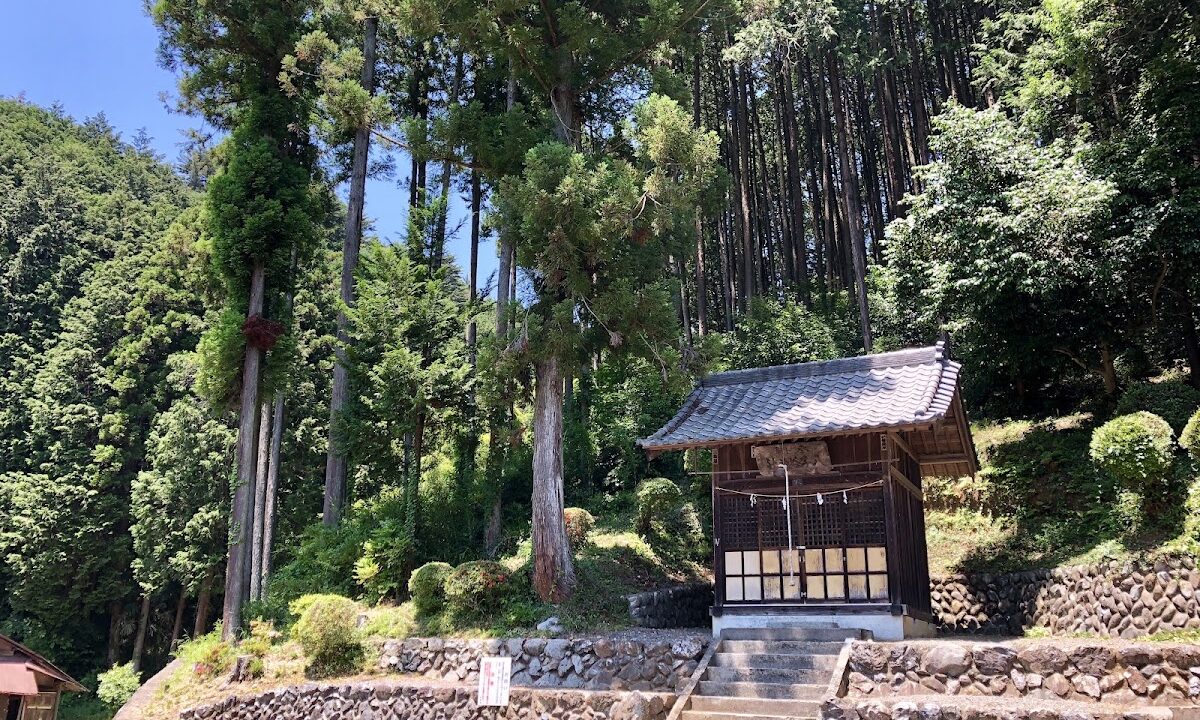
Yagoya Shrine (Ome City, Tokyo) Complete Guide | History, Origins, Access, and Deities Explained in Detail
Yagoya Shrine, located in the Nariki district of Ome City, Tokyo, is a historical shrine founded in 1573 during the Sengoku period. Formerly known as “Hachiman Shrine,” it was affectionately called “Hachiman-sama” by the local people. This article comprehensively explains everything you need to know before visiting Yagoya Shrine, including its detailed history, origins, enshrined deities, annual festivals, highlights within the grounds, and access methods.
Overview of Yagoya Shrine
Yagoya Shrine is located at 772, Nariki 4-chome, Ome City, Tokyo, and is deeply revered by local residents as the guardian deity of the Nariki district.
Basic Information
- Location: 4-772 Nariki, Ome City, Tokyo
- Deity Enshrined: Hondawake-no-Mikoto
- Former Shrine Rank: Unranked Shrine
- Founded: Tensho 1 (1573) *Some sources say Tensho 8 (1580)
- Former Name: Hachiman Shrine
- Annual Festival Date: September 17th (Some sources say August 15th)
- Head Shrine: Usa Hachiman Shrine (Usa City, Oita Prefecture)
The enshrined deity, Hondawake-no-Mikoto, is a deified version of Emperor Ojin, the 15th emperor of Japan, and is worshipped as Hachiman-sama at Hachiman shrines throughout Japan. Known as the god of military fortune and national protection, he is also believed to bestow blessings for industrial development, education, and traffic safety.
The History of Yagoya Shrine
The founding and history of Yagoya Shrine are recorded in several documents, each serving as valuable historical material that tells the story of the shrine.
Circumstances of Founding
Yagoya Shrine was founded in 1573 (Tensho 1) as a Hachiman shrine. This period was at the end of the Sengoku period, and it was also the year that Oda Nobunaga effectively destroyed the Muromachi Shogunate. However, some documents state that the founding year was 1580 (Tensho 8), so there are some differing theories.
From its founding, it was cherished by the local people as a “Hachiman shrine” and attracted worshippers as a place to pray for military success and abundant harvests. The Nariki area has long been a thriving forestry region, and it is believed that the shrine played an important role as a guardian deity praying for safety in mountain work and the prosperity of the region.
Meiji Restoration and Name Change
After the Meiji Restoration, as part of the shrine reforms accompanying the separation of Shinto and Buddhism, the shrine was renamed from Hachiman Shrine to “Yatsugaya Shrine.” This name change is believed to have occurred in the early Meiji period, and by incorporating the local place name “Yatsugaya,” it is thought to have more clearly defined the shrine’s identity as a community-based shrine.
Fire and Reconstruction in 1873
A significant event in the history of Yatsugaya Shrine is the fire of 1873 (Meiji 6). The shrine building was destroyed in this fire, but thanks to the fervent faith of the local residents, it was subsequently rebuilt. The current shrine building is believed to be based on this rebuilt structure.
The recovery from the fire demonstrates the strong unity of the local community and illustrates that Yatsugaya Shrine has functioned not merely as a religious facility, but as a spiritual pillar of the region.
The History of Yagoya Shrine According to the Shinpen Musashi Fudoki-ko
The Shinpen Musashi Fudoki-ko is a geographical record of Musashi Province (present-day Tokyo, Saitama, and parts of Kanagawa prefectures) compiled during the Bunsei era (1818-1830) of the late Edo period. This document contains records of Yagoya Shrine (Hachiman Shrine) at that time.
According to the book, the Hachiman Shrine is listed as the guardian shrine of Nariki Village and is noted as having attracted the faith of the villagers. Even during the Edo period, Hachiman worship was widespread not only among the samurai class but also among commoners, and was an important object of worship for those engaged in agriculture and forestry.
The description in the Shinpen Musashi Fudoki-ko provides valuable evidence that Yagoya Shrine functioned as a spiritual center of the region throughout the Edo period.
The History of Yagoya Shrine According to the Tokyo Shrine Directory
The Tokyo Shrine Directory is a collection of detailed information about shrines within Tokyo. The description of Yagoya Shrine in this book is an important source of information for understanding the state of shrines since the modern era.
According to the Shrine Directory, Yagoya Shrine is classified as a former unranked shrine. An unranked shrine refers to a shrine that does not have a rank below a prefectural shrine under the modern shrine ranking system. However, this does not necessarily indicate the shrine’s status or importance, and many community-based shrines were classified as unranked.
The document clearly states that the enshrined deity is Homudawake-no-Mikoto and that the annual festival is held on September 17th, allowing us to confirm basic information about Yagoya Shrine in modern times.
History of Yagoya Shrine according to the “Ome City History”
The “Ome City History” is an official document compiled by Ome City summarizing the local history. It contains detailed descriptions of shrines within the city, including Yagoya Shrine.
According to the Ome City History, Yagoya Shrine is an important cultural property of the Nariki district and is positioned as an indispensable presence in telling the history of the region. The Nariki area has long been known for its thriving forestry industry and as a source of timber. Yagoya Shrine has served as a place to pray for the safety and prosperity of those engaged in these local industries.
The book also details the fire of 1873 (Meiji 6) and its subsequent reconstruction, revealing the history of the shrine’s maintenance through the cooperation of local residents. It also points out that annual events, including the festival, have served as important opportunities to strengthen the bonds of the local community.
History of Yagoya Shrine according to the “Nishitama-gun Village History”
The “Nishitama-gun Village History” is a detailed record of the villages of Nishitama-gun (the area including present-day Ome City), compiled during the Meiji era. This document states that Yagoya Shrine was founded in 1580 (Tensho 8), a slight discrepancy with other sources.
This difference in dates is thought to be a result of differing traditions being recorded in different sources, as records from before the Edo period relied on oral traditions and ancient documents. However, in any case, they all share the commonality of being founded during the Tensho era (1573-1592), making them certainly ancient shrines established from the late Sengoku period to the Azuchi-Momoyama period.
The Nishitama County Village History contains descriptions of the festivals, the scope of the parishioners, and the shrine’s maintenance system, making it a valuable resource for understanding the state of Yagoya Shrine during the Meiji era.
Yagoya Shrine Grounds and Highlights
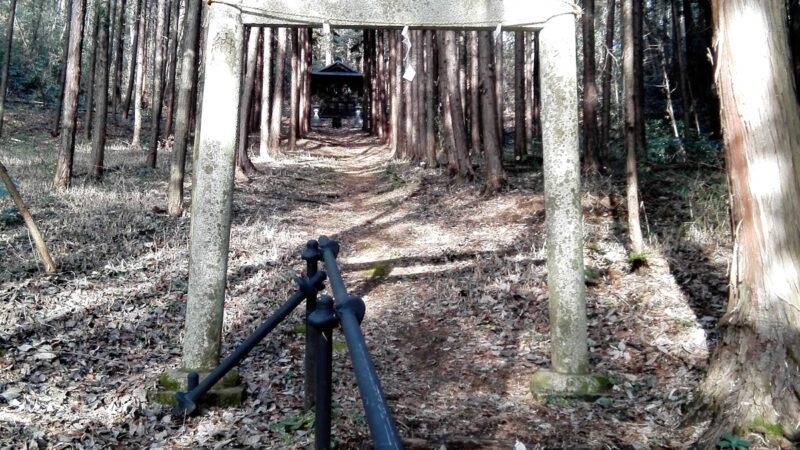
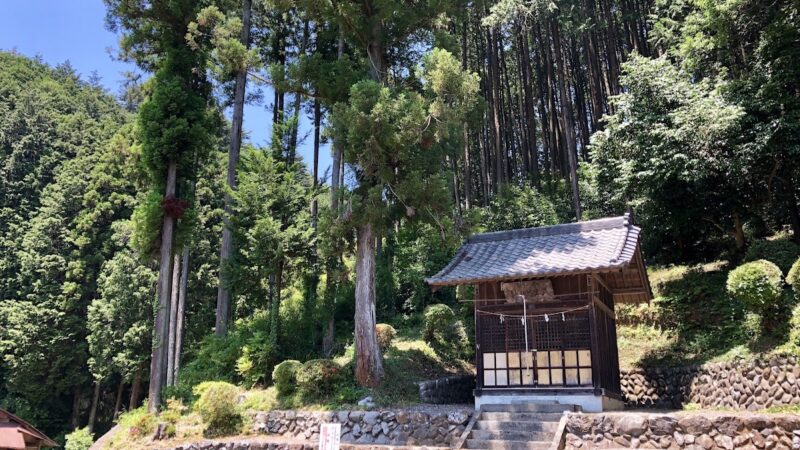
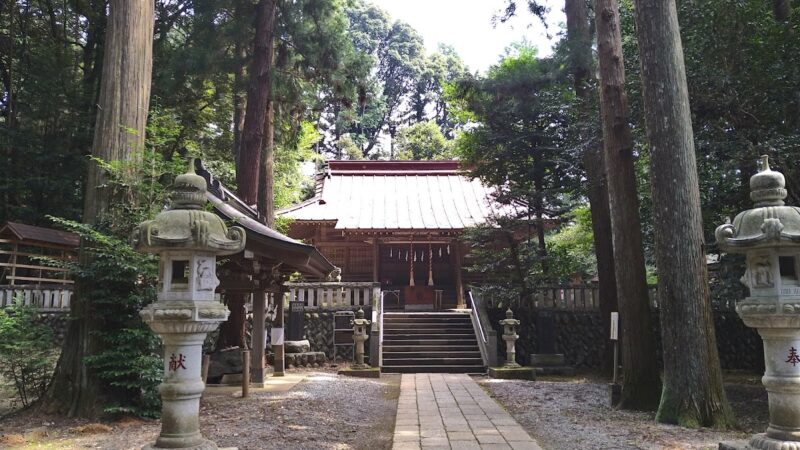
The grounds of Yagoya Shrine are situated in a quiet environment surrounded by the rich natural beauty of mature trees. Located in a mountainous area far from the city center, it receives relatively few visitors, allowing for a peaceful and tranquil atmosphere for worship.
Shrine Building
The current shrine building is based on a structure rebuilt after a fire in 1873 (Meiji 6). It is a simple wooden structure without elaborate decorations, but it exhibits a friendly and approachable appearance typical of a local shrine.
Nature within the Shrine Grounds
The Nariki area is a particularly nature-rich region within Ome City, and the area around Yagoya Shrine is surrounded by trees. You can feel the changing seasons, and enjoy particularly beautiful scenery during the fresh green season and the autumn foliage season.
A Tranquil Worship Environment
While it doesn’t have the bustling atmosphere of famous shrines in the city center, Yagoya Shrine’s charm lies in its quiet and peaceful worship experience. As the local guardian shrine, it is used as a place for daily worship and prayer.
Yagoya Shrine’s Annual Festival and Events
The annual festival of Yagoya Shrine is recorded as either September 17th or August 15th, according to various sources. This difference may be due to the difference between the lunar and solar calendars, or changes in the date due to local circumstances.
The annual festival is the most important ritual for a shrine, a ceremony to express gratitude to the enshrined deity and pray for peace and prosperity in the region. At Yagoya Shrine’s annual festival, local residents gather, and traditional rituals are performed. In recent years, many local shrines have found it difficult to maintain the grand festivals they once held due to depopulation and an aging population. However, at Yagoya Shrine, traditions are preserved with the cooperation of the local community.
How to Access Yagoya Shrine
Yagoya Shrine is located in the Nariki district of Ome City. While public transportation access is somewhat inconvenient, it can be reached using the following methods:
Access by Bus
Nearest Bus Stop: Nariki 4-chome (Toei Bus)
The shrine is located approximately a 2-minute walk from the Nariki 4-chome bus stop, making it relatively close to the bus stop. Toei buses run from Ome Station and other locations towards Nariki, but the number of buses is limited, so it is recommended to check the timetable in advance.
Access by Car
Since the Nariki district is located in a mountainous area, access by car is convenient. From Ome city center, take national or prefectural roads towards Nariki. Entering “4-772 Nariki, Ome City, Tokyo” or “Yagoya Shrine” into your car navigation system will guide you to your destination.
Regarding parking, due to the size of the shrine, there may not be a large dedicated parking lot, but there may be space for visitors. It is recommended to check before your visit.
Nearby Tourist Attractions
The Nariki area is rich in nature and suitable for hiking and nature walks. In addition to visiting Yagoya Shrine, you can also visit the following nearby spots:
- Nariki Forest: An area with abundant natural forests
- Other Shrines and Temples in Ome City: Ome has many historical temples and shrines
- Mount Mitake: A sacred mountain representative of Ome City, where Musashi Mitake Shrine is located
Relationship between Yagoya Shrine and Yagoya Yakumo Shrine
There is another shrine called “Yagoya Yakumo Shrine” near Yagoya Shrine. This Yatsugoya Yakumo Shrine was founded in 1775 (An’ei 4) by inviting the deity from the Tsushima Gozu Tenno Shrine, and was renamed Yakumo Shrine after the Meiji Restoration.
Although both shrines share the place name “Yatsugoya,” they are separate shrines with different enshrined deities. While Yatsugoya Shrine enshrines Homudawake-no-Mikoto (Hachiman-sama), Yatsugoya Yakumo Shrine enshrines Susanoo-no-Mikoto.
It is not uncommon for multiple shrines to exist in the same area, each with a history of different beliefs and roles. Visiting both shrines when you come to the Yatsugoya area would be interesting.
Divine Virtues and Benefits of Worship at Yatsugoya Shrine
Homudawake-no-Mikoto (Emperor Ojin), the enshrined deity of Yatsugoya Shrine, is believed to possess the following divine virtues as Hachiman-sama:
Long-lasting Military Fortune and Good Luck in Competitions
Hachiman has been revered as a god of war since ancient times. Known as the tutelary deity of the Minamoto clan, he was deeply worshipped by the samurai class. In modern times, he is believed to bring blessings in various “competitions,” such as sports matches, exams, and business success.
National Protection and Exorcism
As a god who protects the nation, he has the divine power to ward off disasters and bring peace. He is also suitable for prayers for personal protection from misfortune and family safety.
Industrial Development and Business Prosperity
He is also worshipped as a god who protects industrial development and business prosperity. He has also played a role as a guardian deity of local industries, including forestry in the Nariki area.
Child Rearing and Education
Because Emperor Ojin valued learning, he also has an aspect as a god of education. Many worshippers pray for the healthy growth of their children and their academic success.
Manners and Etiquette for Visiting a Shrine
When visiting Yagoya Shrine, please observe the following basic manners.
Passing Through the Torii Gate
The torii gate is the entrance to the sacred area. Bow before passing through, and walk along the sides of the path, as the center (seichu) is considered the path of the gods.
Ritual of Purification
If there is a purification fountain, purify your body and mind using the following steps:
- Take the ladle with your right hand and purify your left hand.
- Switch the ladle to your left hand and purify your right hand.
- Switch the ladle back to your right hand, receive water in your left hand, and rinse your mouth.
- Purify your left hand once more.
- Hold the ladle upright, let water flow over the handle, and return it to its original position.
Worship at the Main Hall
The basic worship ritual is “two bows, two claps, one bow.”
- Place your offering in the offering box.
- If there is a bell, ring it.
- Bow deeply twice.
- Clap your hands twice at chest height.
- Pray with your hands clasped together.
- Finally, bow deeply once.
The Charm and Value of Visiting Yagoya Shrine
Yagoya Shrine may not have the glamour of a famous tourist spot, but that is precisely what gives it its charm.
The Weight of History
Founded in 1573, at the end of the Sengoku period, this shrine boasts a history of over 450 years, having walked hand in hand with the community. Having survived a fire in 1873 and being preserved by the faith of local residents, its history conveys a sense of the shrine’s profound significance.
Faith Rooted in the Community
Unlike large-scale tourist shrines, Yagoya Shrine, as the guardian deity of the community and an object of daily worship, evokes the origins of Japanese shrine faith.
Harmony with Nature
Located in the rich natural environment of the Nariki district, you can enjoy the beautiful scenery of each season. One of its greatest attractions is the opportunity to escape the hustle and bustle of the city and visit the shrine in a peaceful environment.
As part of exploring Ome’s history
Ome City boasts many historical temples, shrines, and cultural assets. By positioning a visit to Yagoya Shrine as part of a journey to learn about Ome’s history and culture, you can gain a deeper understanding and experience.
Summary
Yagoya Shrine is a historic shrine located in Nariki, Ome City, Tokyo, founded in 1573 (Tensho 1). Formerly known as Hachiman Shrine, it adopted its current name after the Meiji Restoration. The enshrined deity is Homudawake-no-Mikoto, and it is believed to bestow blessings such as military success, protection from evil, and industrial prosperity.
Having overcome the ordeal of a fire in 1873 (Meiji 6), Yagoya Shrine, protected by the faith of local residents, continues to play an important role as a spiritual pillar of the Nariki district. Its history is recorded in multiple historical documents, including the “Shinpen Musashi Fudoki-ko” (New Compilation of the Topography of Musashi Province), the “Tokyo Jinja Meikan” (Tokyo Shrine Directory), the “Ome City History,” and the “Nishitama-gun Sonshi” (History of Nishitama County Villages), making it a valuable resource for local history research.
Located in a quiet environment away from the city center, it is not flashy, but precisely because of this, you can feel the essence of traditional Japanese shrine worship. When visiting Ome City, be sure to consider visiting Yagoya Shrine along with strolling through the nature-rich Nariki district. It will surely be a valuable experience where you can connect with history, tradition, and the faith of the local people.