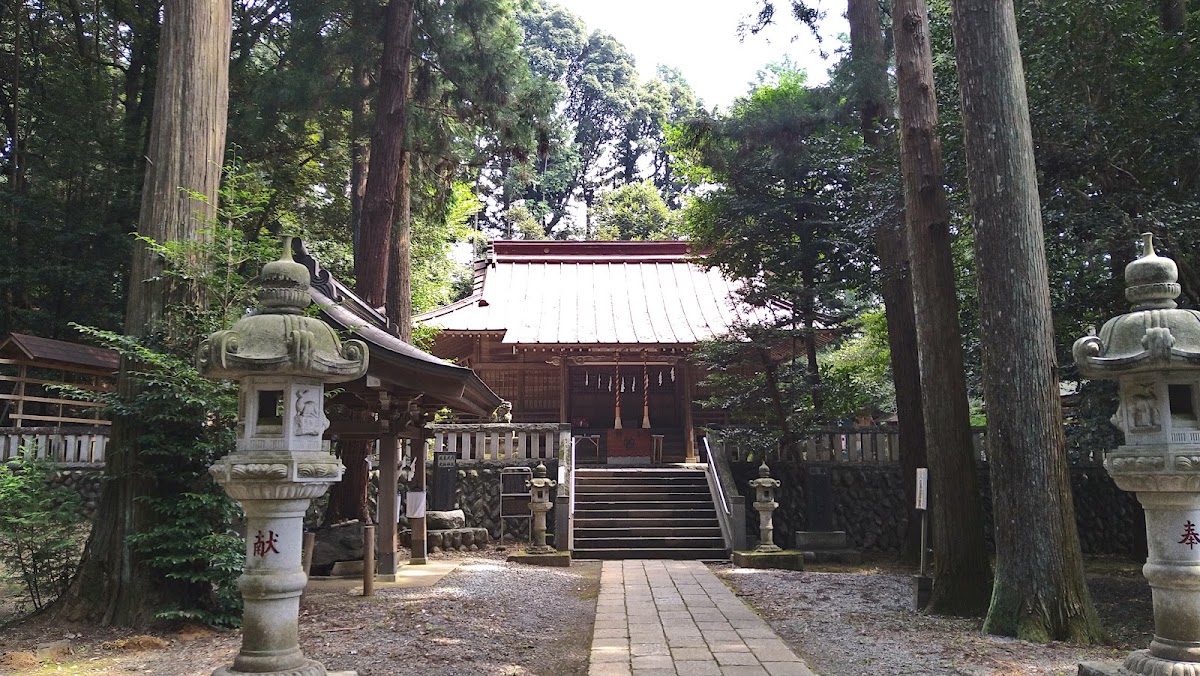
Torakashiwa Shrine (Ome City, Tokyo) Complete Guide | History, Goshuin (Shrine Seal), Cultural Properties, and Access Information
Torakashiwa Shrine, located in Negabu, Ome City, Tokyo, is a historically significant shrine listed in the Engishiki Jinmyocho (a list of shrines compiled during the Heian period). As one of the eight shrines in Tama District, Musashi Province, it has long been revered and continues to attract many worshippers as a guardian deity of the region. This article provides a detailed overview of Torakashiwa Shrine, including its history, enshrined deities, cultural properties, goshuin information, and access methods.
Basic Information on Torakashiwa Shrine
Torakashiwa Shrine is located at 1-313 Negabu, Ome City, Tokyo, approximately a 19-minute walk from Higashi-Ome Station on the JR Ome Line. Formerly known as Suwa Shrine, it is still affectionately called “Suwa-sama” by local residents.
Location: 1-313 Negabu, Ome City, Tokyo
Former Shrine Rank: Gosha (Village Shrine)
Nearest Station: Higashi-Ome Station, JR Ome Line (approximately 19 minutes on foot from the South Exit)
Phone Number: 0428-23-1718
History of Torakashiwa Shrine
Founding and Ancient History
The founding date of Torakashiwa Shrine is unknown, but according to shrine tradition, it is said that a kanbe (a type of sacred object) was donated during the reign of Emperor Sujin. This suggests a possible origin dating back to around the 1st century BC, indicating that it is a very old shrine.
The “Engishiki Jinmyocho” (compiled in 927) lists it as “Torakashiwa Shrine, Tama District, Musashi Province,” indicating that it was already a prestigious shrine recognized by the imperial court during the Heian period. There were eight Shikinaisha (shrines listed in the Engishiki) in Tama District, Musashi Province, and Torakashiwa Shrine is counted as one of them.
Controversy Regarding its Status as a Shikinaisha (Shrine Listed in the Engishiki)
There has been historical controversy regarding the identification of Torakashiwa Shrine as a Shikinaisha. There is also a candidate for the Shikinaisha at Torakoma Shrine in Chofu City, Tokyo, and for many years, there has been debate as to which is the “Torakashiwa Shrine” listed in the Engishiki Jinmyocho (a list of shrines compiled in the Heian period).
Currently, both Torakashiwa Shrine in Negabu, Ome City, and Torakoma Shrine in Chofu City are considered strong candidates, and their historical value as Shikinaisha is recognized. The worshippers of both shrines continue their faith with an awareness of their Engishiki status, and their historical importance is still passed down today.
Renaming and Restoration to Suwa Shrine
In the late Heian period, the upper and lower deities of Suwa Shrine in Shinano Province were invited, and Torakashiwa Shrine came to be called “Suwa Myojin” and “Suwa Shrine.” From this period through the Edo period, it became established as Suwa Shrine in the region, and even today, it is affectionately known as “Suwa-sama” by locals.
Following the reforms to the shrine system after the Meiji Restoration, the shrine’s name was restored to its ancient name, “Torakashiwa Shrine,” in 1870 (Meiji 3). This was part of a movement to reclaim the historically significant name listed in the Engishiki Jinmyocho (a list of shrines compiled in the Heian period). In 1873 (Meiji 6), it was ranked as a Gosha (village shrine), establishing its status as an important shrine in the region.
Syncretism with Gozu Tenno
From the medieval to the early modern period, Gozu Tenno was also enshrined at Torakashiwa Shrine. Gozu Tenno was worshipped as a god who wards off epidemics, and is still enshrined on the grounds as Yakumo Shrine. This is a remnant of the era of Shinto-Buddhist syncretism and is a valuable example for understanding the history of Japanese religion.
Deities and Divine Virtues
Main Deities
The following three deities are enshrined as the main deities in the main hall of Torakashiwa Shrine.
Ōtoshimioya-no-kami
Revered as the god of grain and guardian deity of abundant harvests. Since the time when agriculture was the main industry, it has attracted worshippers praying for bountiful harvests.
Kashikone-no-kami
Revered as the guardian deity of the land and protector of regional peace.
Ōtoshi-no-kami
Known as the year god or year god, it is considered a god who brings good fortune in the new year.
Deities enshrined in the auxiliary shrine
The East Auxiliary Shrine enshrines the deities of Suwa Kamijo Shrine.
- Takeminakata-no-mikoto: The principal deity of Suwa Grand Shrine, worshipped as the god of martial prowess and hunting.
- Yasakatome-no-mikoto: The consort of Takeminakata-no-mikoto, considered the god of family safety and marital harmony.
The following deities are enshrined in the West Sanctuary:
- Kotoshironushi-no-Mikoto: Known as the god of business prosperity and maritime safety, and also worshipped as Ebisu.
- Several other deities are also enshrined here.
Divine Virtues
Torakashiwa Shrine is believed to possess the following divine virtues:
- Abundant Harvest and Business Prosperity: Divine Virtues of Otoshi-no-Mikoto and Kotoshironushi-no-Mikoto
- Family Safety and Health/Longevity: Divine Virtues of Suwa-no-Kami
- Protection from Evil and Healing from Illness: Divine Virtues of Gozu-Tenno (Yakumo Shrine)
- Long-Lasting Military Fortune and Good Luck in Competitions: Divine Virtues of Takeminakata-no-Mikoto
- Marital Harmony and Matchmaking: Divine Virtues of Yasakatome-no-Mikoto
Cultural Property
Tokyo Metropolitan Government Designated Tangible Cultural Property: Main Hall
The main hall of Torakashiwa Shrine is designated as a Tokyo Metropolitan Government Designated Tangible Cultural Property (building). It is a valuable cultural property that preserves the architectural style of the mid-Edo period.
Architectural Style: Ikkensha Nagare-zukuri (single-bay nagare-zukuri style)
Construction Period: Mid-Edo period (estimated)
Features: The intricately carved portico (kohai) and the gracefully curved roof retain strong characteristics of Edo period shrine architecture.
The carvings on the main hall feature dragons, lions, and flowers and birds, demonstrating the high skill of the craftsmen of the time. It is in good condition, maintaining its original appearance through regular restoration.
Other Cultural Properties
Besides the main hall, the shrine grounds contain other historically valuable buildings and stone structures.
- Haiden (Worship Hall): A wooden building constructed during the Meiji period
- Stone Lanterns: Donated between the Edo and Meiji periods
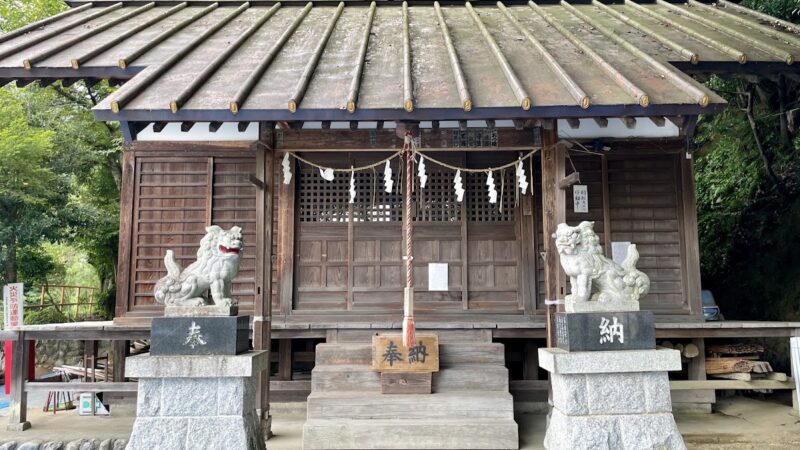
- Komainu (Guardian Dogs): Antique stone guardian dogs are placed along the approach to the shrine
- Temizuya (Water Basin): A water basin maintaining a traditional style
These cultural properties are valuable historical materials that tell the long history of Torakashiwa Shrine.
Highlights of the Shrine Grounds
Shrine Building Layout
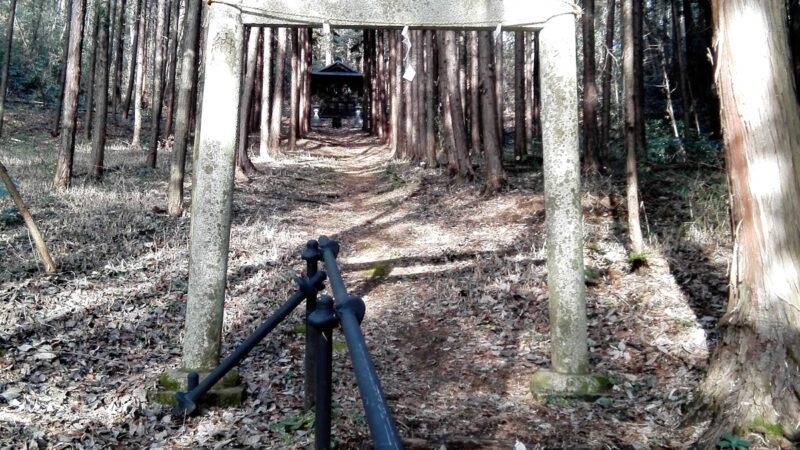
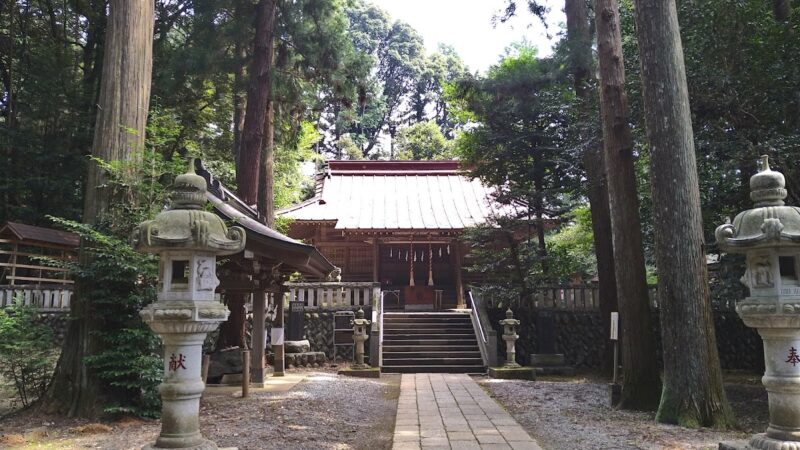
The grounds of Torakashiwa Shrine maintain the traditional layout of shrine architecture. As you proceed along the approach, you are greeted by a torii gate, beyond which lie the worship hall and main shrine. The grounds are enveloped in a tranquil atmosphere, creating a sacred space that allows you to forget the hustle and bustle of the city.
Yakumo Shrine (Shrine within the Grounds)
Within the grounds is the Yakumo Shrine, dedicated to Gozu Tenno (Susanoo-no-Mikoto). It is believed to offer protection against disease and misfortune, and many visitors come specifically to pray for good health.
Sacred Tree and Nature
Within the grounds stands a sacred tree estimated to be several hundred years old, which has watched over the history of the shrine. The changing seasons are beautiful, and the grounds are particularly vibrant with the fresh greenery of spring and the vibrant autumn foliage, delighting visitors.
Annual Festival and Regular Events
Annual Festival
The annual festival of Torakashiwa Shrine is held every September and is an important local festival attended by many parishioners and worshippers. Traditional festival events such as the portable shrine procession and devotional performances take place, providing an opportunity to strengthen the bonds of the local community.
Other Annual Events
- New Year’s Day Festival (January 1st): A festival celebrating the New Year
- Setsubun Festival (around February 3rd): A ritual to ward off evil spirits by scattering beans
- Spring Festival: A festival celebrating the arrival of spring
- Summer Purification Ceremony (June 30th): A Shinto ritual to purify oneself of the impurities accumulated over the past six months
- Autumn Festival (September): The most important festival
- Shichi-Go-San Festival (November): A celebration of children’s growth
- Year-End Purification Ceremony (December 31st): A Shinto ritual to purify oneself of the impurities accumulated over the past year
These events are important opportunities to pass on the traditional culture of the region.
Goshuin (Shrine Seal) Information
Issuance of Goshuin
Torakashiwa Shrine offers Goshuin (shrine seals). The Goshuin bears the name of the shrine, “Torakashiwa Shrine,” and the characters “Shikinai,” indicating its status as a shrine listed in the Engishiki (ancient Japanese legal code). Location of Issuance: Shrine Office
Hours of Issuance: Approximately 9:00 AM to 5:00 PM (during visiting hours; the priest may be absent)
Offering Fee: Approximately 300-500 yen
The goshuin (shrine stamp) is carefully handwritten, but it may not be available if the priest is absent. Therefore, if you want to be sure to receive a goshuin, it is recommended to call in advance to confirm.
Goshuincho (Shrine Stamp Book)
For information on Torakashiwa Shrine’s original goshuincho, please inquire at the shrine office. This shrine is visited by many people as part of a goshuin pilgrimage visiting shrines in the Tama area.
Access Information
Access by Train
Nearest Station: JR Ome Line “Higashi-Ome Station”
Travel Time: Approximately 19 minutes on foot from the South Exit of Higashi-Ome Station (approximately 1.5 km)
Directions from Higashi-Ome Station:
- Exit the South Exit of Higashi-Ome Station and head west along Ome Kaido Road.
- Turn left at Negabu Intersection and head north.
- After passing through the residential area, you will see the torii gate of Torakashiwa Shrine.
Access by Bus
Nishi-Tokyo Bus is available. Take a bus from Higashi-Ome Station, get off at the nearest bus stop, and it’s a few minutes’ walk from there. Please check the Nishi-Tokyo Bus official website for detailed bus routes and timetables.
Access by Car
Metropolitan Inter-City Expressway (Ken-O Expressway): Approximately 10 minutes from Ome IC
Chuo Expressway: Approximately 40 minutes from Hachioji IC via National Route 16 and Ome Kaido
Parking: There is parking space for visitors on the shrine grounds, but the number of spaces is limited. During busy periods such as the annual festival, we recommend using public transportation.
Nearby Tourist Attractions
Several tourist attractions in Ome City are scattered around Torakashiwa Shrine.
- Ome Railway Park: A must-see park for railway enthusiasts
- Mt. Mitake: Hiking and visiting Mitake Shrine
- Ome’s Old Town: A shopping street with a Showa-era retro atmosphere
- Eiji Yoshikawa Memorial Museum: The former residence and museum of the literary giant
You can enjoy the charm of Ome City in conjunction with your visit to the shrine.
Manners and Precautions for Visiting a Shrine
Basic Worship Etiquette
- Bow before passing through the torii gate: This is a courtesy before entering the sacred area.
- Walk along the edge of the path: The center is considered the path of the gods.
- Purify yourself at the water basin: Purify your left hand, right hand, and mouth in that order.
- Etiquette at the main hall: Two bows, two claps, and one bow is the basic ritual.
Photography
Photography is generally permitted on the shrine grounds, but please note the following:
- Photography inside the main hall may be prohibited.
- Please be considerate of other worshippers.
- Use of a tripod may require prior permission.
- When posting on social media, please be careful not to damage the dignity of the shrine.
Attire for Visiting a Shrine
There are no specific dress code regulations, but it is desirable to wear clothing that reflects the sacred nature of the place. Avoid extremely revealing clothing or wearing sandals when visiting the main hall.
Torakashiwa Shrine and the Local Community
As a Guardian Deity of the Community
For over a thousand years, Torakashiwa Shrine has been deeply connected to the local community as the guardian deity of the Negabu district in Ome City. The parishioners’ organization remains active, supporting the maintenance of the shrine and the operation of festivals.
Cultural Role
The shrine is not merely a religious facility, but also a place for passing on local culture. It functions as a venue for rituals at important life events, such as the dedication of traditional performing arts at the annual festival, Shichi-Go-San (a traditional rite of passage for children), and coming-of-age ceremonies.
Environmental Preservation
The rich natural environment within the shrine grounds is a valuable green space amidst increasing urbanization. Trees, including the sacred tree, support the local ecosystem and contribute to environmental preservation.
Value as a Shikinaisha (Shrine Listed in the Engishiki)
What is the Engishiki Jinmyocho (List of Shrines in the Engi Era)?
The Engishiki Jinmyocho is a list of major shrines throughout Japan, compiled in the mid-Heian period (927 AD). At that time, 2,861 shrines (though there are differing accounts) were recognized as eligible to receive offerings from the Imperial Court.
Shikinaisha Shrines in Tama District, Musashi Province
Eight Shikinaisha shrines are listed in Tama District, Musashi Province, and Torakashiwa Shrine is one of them. This indicates that it was a shrine of particular importance in this region during the Heian period.
Being listed as a Shikinaisha shrine not only demonstrated a long history, but also proved its relationship with the Imperial Court, its importance in the region, and its high status. Torakashiwa Shrine continues to take pride in its status as a Shikinaisha shrine because it recognizes this historical value.
About Ome City, Tokyo
Overview of Ome City
Ome City is located in the western part of Tokyo and is one of the core cities in the Tama region. It is blessed with abundant nature and is also known as a place of mountain worship, such as Mount Mitake.
Shrine Culture of Ome City
Besides Torakashiwa Shrine, Ome City boasts numerous other historical shrines, including Musashi Mitake Shrine and Aoi Shrine. These shrines continue to preserve ancient traditions of faith.
Transportation Hub
Ome City is served by the JR Ome Line, making it relatively accessible from central Tokyo. On weekends, many tourists and hikers visit, enjoying nature and history.
Summary
Torakashiwa Shrine, with its status as an Engishiki-listed shrine, its main hall designated as a Tokyo Metropolitan Cultural Property, and its history spanning over a thousand years, is a representative shrine of Ome City. It also enjoys strong ties to Suwa Shrine, and is affectionately known as “Suwa-sama” by the local people.
With its historical value as an Engishiki-listed shrine, its architectural value as a cultural property, and its role as a center of ongoing local faith, Torakashiwa Shrine is an indispensable presence for understanding Tokyo’s shrine culture.
Torakashiwa Shrine, with its three aspects—historical value as an Engishiki-listed shrine, architectural value as a cultural property, and its role as a center of ongoing local faith—is essential for understanding Tokyo’s shrine culture. Located within walking distance of Higashi-Ome Station, this shrine is a must-visit for anyone exploring shrines in the Tama area. Why not take some time to quietly pray in its tranquil grounds, feeling the weight of history?
When requesting a Goshuin (shrine stamp), we recommend checking the shrine office’s opening hours beforehand. We hope your visit to Torakashiwa Shrine will be a memorable experience.