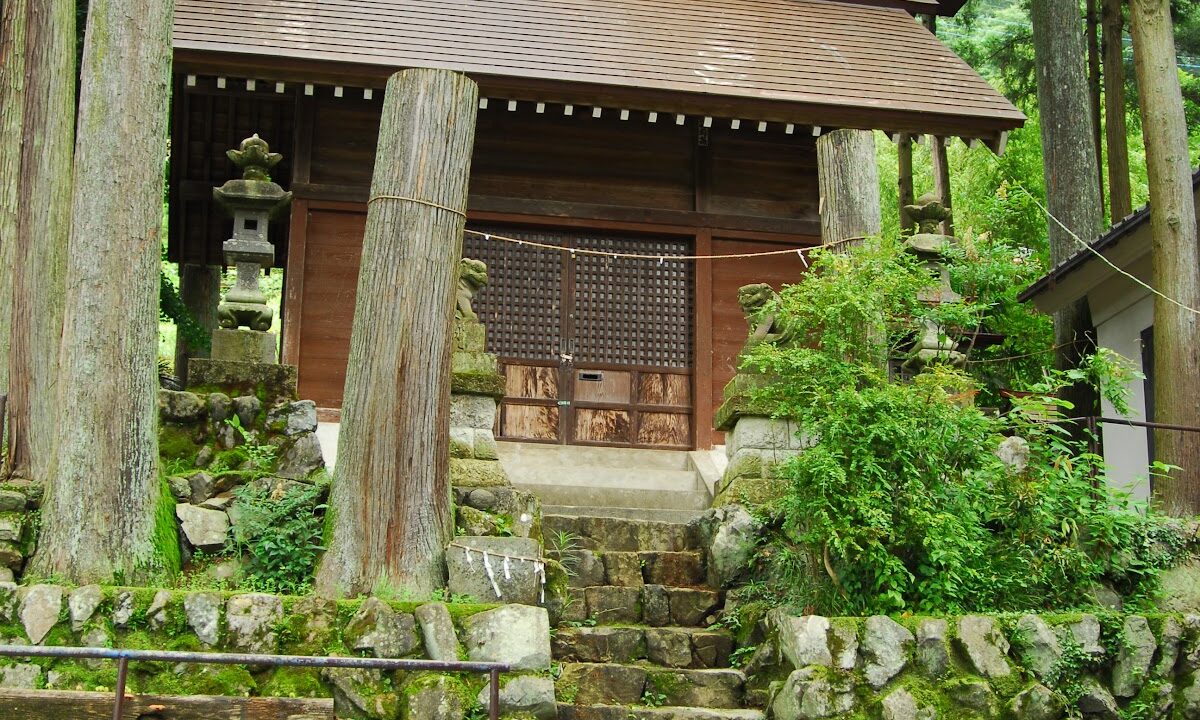
Motosu Shrine (Okutama Town, Tokyo) Complete Guide | The Guardian Deity of Shiromaru and the History of the Lion Dance
Motosu Shrine, located in Shiromaru, Okutama Town, Nishitama District, Tokyo, is the guardian deity of the region, watching over a quiet village along the Tama River. Despite its convenient location, just a 6-minute walk from Shiromaru Station on the JR Ome Line, it is known as a hidden gem, a place where visitors can worship in a peaceful atmosphere, with few visitors. This article provides detailed information you should know before visiting Motosu Shrine, including its history, enshrined deities, access methods, the traditional lion dance, and subsidiary shrines.
Basic Information about Motosu Shrine
Motosu Shrine is located at 100 Shiromaru, Okutama Town, Nishitama District, Tokyo, and is situated at the entrance to the Shiromaru village. Surrounded by the rich nature of Okutama and built on a hill overlooking the clear waters of the Tama River, this shrine has long been cherished as the center of faith for the local residents.
Location: 100 Shiromaru, Okutama-machi, Nishitama-gun, Tokyo
Corporate Number: 2013105001018
Nearest Station: Shiromaru Station, JR Ome Line
Distance from Station: Approximately 273 meters (approximately 4-6 minutes on foot)
Deity Enshrined: Sarutahiko-no-Okami
About the Enshrined Deity, Sarutahiko-no-Okami
The enshrined deity of Motosu Shrine is Sarutahiko-no-Okami. In Japanese mythology, Sarutahiko-no-Okami is known as the Kunitsukami (earthly deity) who guided Ninigi-no-Mikoto during the descent of the heavenly grandchild. Therefore, he is worshipped as the god of opening paths and guidance, and is believed to bring benefits such as traffic safety, protection from misfortune, and good fortune.
In a mountain village like Shiromaru, the worship of Sarutahiko-no-Okami reflects the residents’ faith in safe travels and guidance to the right path. Furthermore, he is revered by many worshippers today as a deity who guides them to success in new ventures and to make the right choices at important life events.
History and Origins of Motosu Shrine
While the exact founding date of Motosu Shrine is unclear, it is believed to have originated when Shiromaru was established as a village, with Sarutahiko-no-Okami being worshipped as the guardian deity of a prominent individual.
The Shiromaru area is located in the mountainous region along the Tama River, and has long been home to people who made their living through forestry and charcoal making. It was natural that faith in Sarutahiko-no-Okami, the god of guidance, would take root in a life lived in harmony with nature, traversing rugged mountain paths.
It is believed that the shrine already functioned as the village’s guardian shrine during the Edo period, and in the Meiji era’s shrine system, it was positioned as the center of regional faith. It has been carefully preserved by local residents since the Showa era and remains a spiritual pillar of the Shiromaru settlement to this day.
Access | 6-minute walk from Shiromaru Station
To access Motosu Shrine using public transportation, the nearest station is Shiromaru Station on the JR Ome Line.
Access by Train
- Get off at Shiromaru Station on the JR Ome Line (approximately 2 hours from Tokyo).
- Exit the station, cross the tracks, and walk up the road heading north.
- You will arrive at Motosu Shrine in approximately 6-10 minutes on foot.
Shiromaru Station is an unmanned station with a small station building, but the surrounding natural scenery is beautiful, and you can enjoy the atmosphere typical of Okutama. The shrine is located at the entrance to the settlement, so you are unlikely to get lost.
Access by Car
From Ome Kaido, take National Route 411 (Okutama Kaido) towards Shiromaru. There is no dedicated parking lot around the shrine, so please be considerate of the neighbors when visiting.
Access Points
- Shiromaru Station is far from the city center, so it is recommended to check the timetable in advance.
- There are few shops around the station, so it is a good idea to prepare drinks and other necessities beforehand.
- The path to the shrine is paved, but comfortable walking shoes are recommended.
Annual Festival and Shiromaru Lion Dance
The biggest highlight of Motosu Shrine is the “Shiromaru Lion Dance” performed at the annual festival. This lion dance, also known as the “Motosu Shrine Lion Dance,” is preserved as an important intangible folk cultural asset of the region.
Annual Festival Schedule
- January 15th: New Year’s Annual Festival
- Third Sunday of August: Summer Annual Festival (Lion Dance Performance)
*Some sources state the festival is on the second Sunday of August, so it is recommended to check in advance if you plan to visit.
About the Shiromaru Lion Dance
The Shiromaru Lion Dance is a traditional performing art dedicated to various shrines and temples within the village during the annual festival of Motosu Shrine, the village’s tutelary shrine. Currently, it is often performed on the third Sunday of August, and is a valuable cultural heritage passed down through the collective efforts of the local residents.
Lion dances have long been performed throughout Japan as Shinto rituals to pray for a bountiful harvest, protection from disease, and family safety. Similarly, the Shiromaru Lion Dance embodies the prayers of the residents for the peace and prosperity of their community.
There are multiple lion dance performances, and the powerful stage, where the skilled techniques of the dancers manipulating the lion’s head are combined with the accompanying music of flutes and drums, captivates the audience. In recent years, a shortage of successors has become a challenge, but young people in the community are working hard to preserve this tradition.
Highlights of the Shrine Grounds
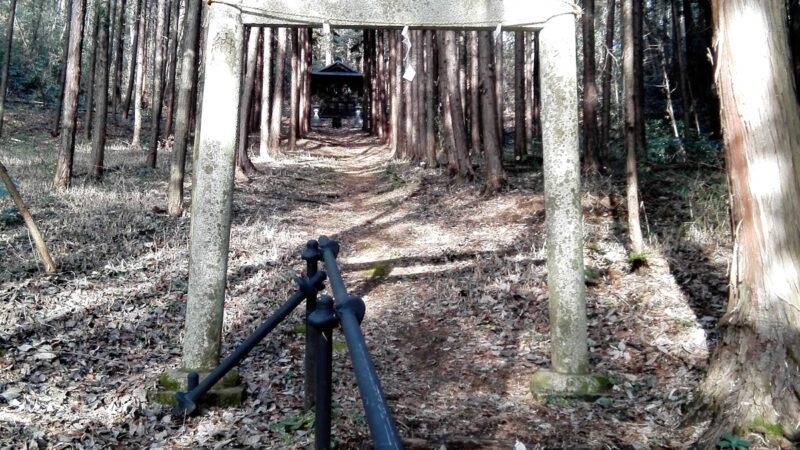
While the grounds of Motosu Shrine are not particularly large, several points of interest are scattered throughout the tranquil atmosphere.
Main Hall and Worship Hall
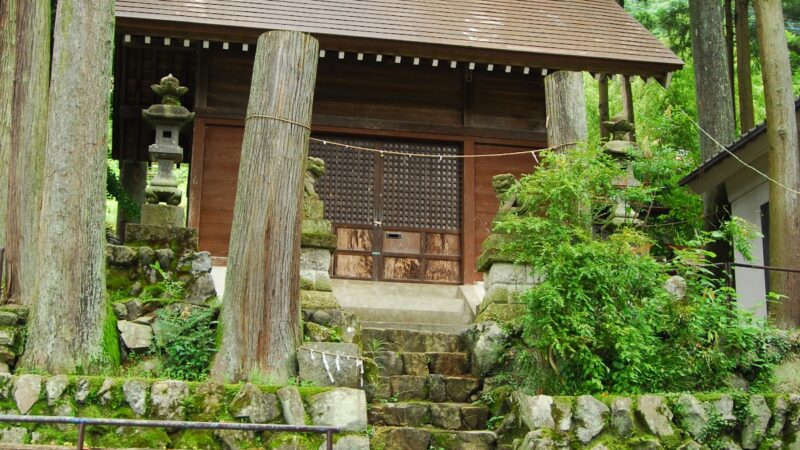
The wooden worship hall, though simple, is meticulously maintained, reflecting the deep faith of the local residents. The main hall is located behind the worship hall and enshrines Sarutahiko-no-Okami.
Subsidiary Shrines
Motosu Shrine has several subsidiary shrines. To the right of the worship hall are two subsidiary shrines: the Inari Shrine on the right and the Kumano Shrine on the left.
Kumano Shrine (Subsidiary Shrine)
Kumano Shrines are shrines whose main shrine is the Kumano Sanzan in Kii Province (present-day Wakayama Prefecture), and there are said to be approximately 3,000 such shrines throughout Japan. The Kumano Shrine enshrined as a subsidiary shrine within Motosu Shrine also attracts the faith of the local residents.
Kumano worship flourished from the Heian period onward, spreading in conjunction with Shugendo (mountain asceticism). It also had strong elements of mountain worship, and was particularly revered in mountainous areas like Okutama.
Inari Shrine (Shrine within the grounds)
Inari shrines are worshipped throughout Japan as gods of abundant harvests and business prosperity. An Inari shrine is also enshrined within the grounds of Motosu Shrine, watching over the stability of local agriculture and life.
Nature within the shrine grounds
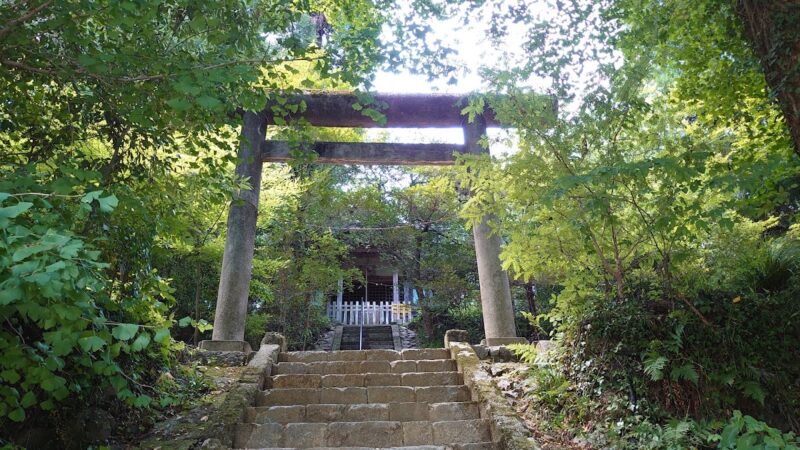
The grounds of Motosu Shrine are surrounded by abundant nature. You can enjoy the beauty of each season: fresh greenery in spring, deep green in summer, autumn leaves in fall, and snowscapes in winter. The autumn foliage season, in particular, offers a spectacular view combined with the beauty of the Tama River gorge.
Nearby Tourist Attractions
When visiting Motosu Shrine, we recommend also visiting nearby tourist attractions.
Shiromaru Dam
Located within walking distance of Shiromaru Station, Shiromaru Dam is a power generation dam built on the main stream of the Tama River. Enjoy the beautiful scenery of the dam lake and the scenic gorge downstream.
Kazuma Gorge
This gorge, located downstream of Shiromaru Dam, boasts natural beauty created by towering rocks and a clear stream. A walking trail is also maintained, making it ideal for hiking.
Hatonosu Gorge
This gorge, located around Hatonosu Station (the station next to Shiromaru Station), is known as one of Okutama’s most scenic spots. Enjoy the beauty of the clear stream and unique rock formations while walking along the trail.
Okutama Lake
Located in the innermost part of Okutama Town, this artificial lake offers magnificent scenery and abundant nature. It is accessible by bus from Shiromaru Station.
Manners and Precautions for Visiting the Shrine
When visiting Motosu Shrine, please observe the following manners and precautions.
Proper Etiquette for Worship
- Bow before passing through the torii gate: This is a courtesy before entering the sacred area.
- Purify yourself at the water basin: Purify your hands and mouth before worshiping (this step can be omitted if there is no water basin).
- Two bows, two claps, one bow: Worship in the correct manner in front of the main hall.
- Visit the subsidiary shrines: If time permits, also visit the Kumano Shrine and Inari Shrine.
Points to Note
- Worship quietly: As the shrine is adjacent to a residential area, please refrain from loud conversations.
- Photography: Please refrain from taking photos inside the main hall, and take photos of the shrine grounds with moderation.
- Take your trash home: To protect the rich natural environment, please be sure to take your trash home.
- Parking: As there is no dedicated parking lot, please avoid street parking and use public transportation.
Information on Goshuin (Shrine Seals) at Motosu Shrine
Information regarding Goshuin at Motosu Shrine is limited. Because it is a small shrine, there may not be a resident priest. Those wishing to receive a Goshuin are advised to inquire in advance.
In recent years, shrine visits and Goshuin collecting have become popular. However, at small, local shrines like Motosu Shrine, it’s more important to focus on quiet worship and experiencing the local history and culture rather than collecting Goshuin.
Shrine Culture of Okutama and Motosu Shrine
Besides Motosu Shrine, many other shrines are scattered throughout Okutama Town, each conveying the history and culture of the region.
Okutama’s shrines have a unique cultural background, including nature worship unique to mountainous areas, the influence of Shugendo (mountain asceticism), and beliefs linked to livelihoods such as forestry and charcoal making. Motosu Shrine is one such example, having walked hand in hand with the history of the Shiromaru settlement.
Located about two hours from central Tokyo, Okutama is a place where rich nature and traditional culture thrive. A visit to Motosu Shrine will allow you to experience a lesser-known side of Tokyo.
Visitor Records and Reviews
Visitors to Motosu Shrine have shared comments such as, “A quiet and peaceful atmosphere,” “A comfortable space surrounded by nature,” and “I felt the warmth of the local people.”
Many say that because it is a simple shrine that hasn’t been commercialized for tourism, they can feel the true meaning of visiting a shrine. Although there are few posts on photo-sharing sites and social media, visitors unanimously speak of its tranquil charm.
Seasonal Highlights
Spring (March-May)
A season of beautiful fresh greenery. The clear waters of the Tama River and the budding trees create a refreshing atmosphere.
Summer (June-August)
A lion dance is performed at the annual festival in August. The shrine grounds, enveloped in deep green, are cool and offer a respite from the heat of central Tokyo.
Autumn (September-November)
During the autumn foliage season, the entire Okutama area is beautifully colored. The area around Motosu Shrine is no exception, with trees dyed in red and yellow adorning the shrine grounds.
Winter (December-February)
Snow sometimes falls, and the shrine, enveloped in silence and covered in snow, possesses exceptional beauty. The annual festival on January 15th is also held in a solemn atmosphere.
Summary
Motosu Shrine, located in Shiromaru, Okutama-machi, Nishitama-gun, Tokyo, is a local guardian shrine dedicated to Sarutahiko-no-Okami. Despite its convenient location just a 6-minute walk from Shiromaru Station on the JR Ome Line, it’s a hidden gem known to those in the know, offering a quiet and peaceful place for worship.
The shrine’s greatest attractions include the preservation of the precious traditional art of Shiromaru Lion Dance, the presence of subsidiary shrines such as Kumano Shrine and Inari Shrine, and above all, the beauty of its grounds surrounded by abundant nature. For those who wish to escape the hustle and bustle of the city center and experience the nature and history of Okutama, or simply find peace of mind, we highly recommend visiting Motosu Shrine. Combined with the scenic beauty of the gorge around Shiromaru Station, it will be a journey to discover the hidden charms of Tokyo.
When visiting, please remember to be considerate of the local residents and observe proper etiquette. We hope that Motosu Shrine and its surrounding area will continue to be cherished and protected.