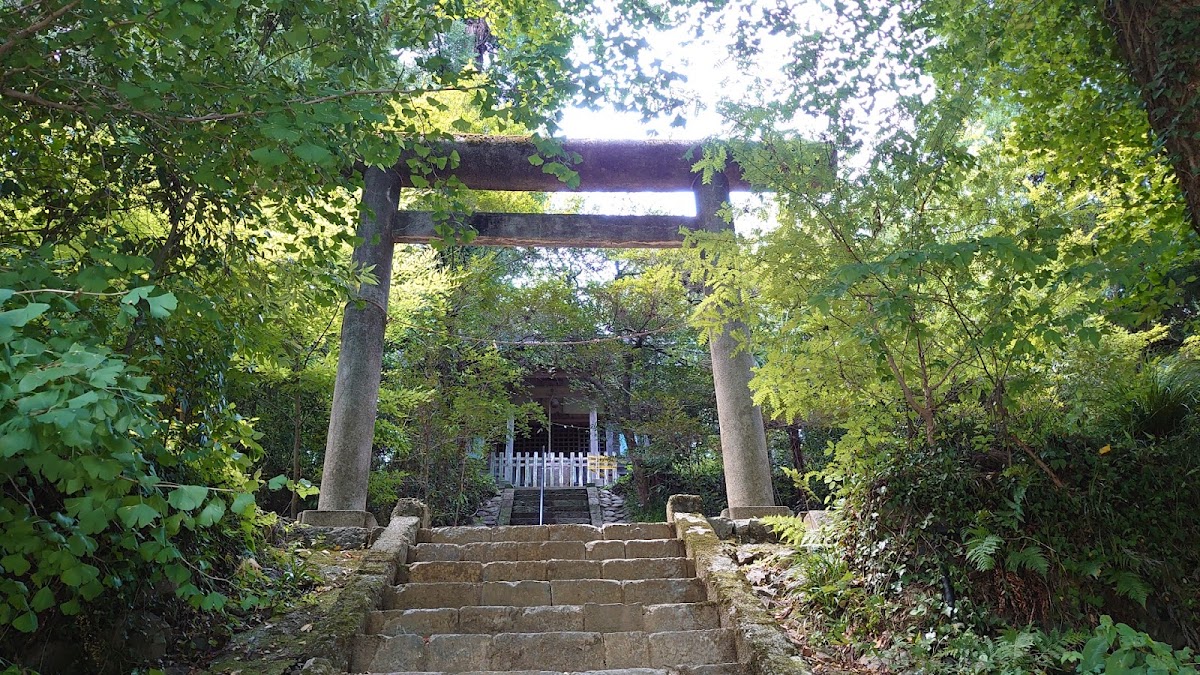
Complete Guide to Unazawa Shrine (Okutama Town, Tokyo) | History, Deities, Access, and Highlights Explained in Detail
Unazawa Shrine, located in Unazawa, Okutama Town, Nishitama District, Tokyo, is a historic shrine surrounded by the rich nature of Okutama. Situated in a tranquil environment away from the city center, this shrine, though still within Tokyo, is located deep in the mountains and has a long history as a center of local faith. This article will introduce the charm of Unazawa Shrine in its entirety, from its history and enshrined deities to access methods and highlights for visitors.
Basic Information on Unazawa Shrine
Unazawa Shrine is located at 630 Unazawa, Okutama Town, Nishitama District, Tokyo, and is one of the shrines in Tokyo belonging to the Tokyo Metropolitan Shrine Association. It is located in the mountainous area of Okutama, built along the Unazawa Valley, a tributary of the Tama River.
Location
- 630 Kaizawa, Okutama-machi, Nishitama-gun, Tokyo 198-0213
Nearest Station
- Approximately 23 minutes on foot (approx. 2.1 km) from Shiromaru Station on the JR Ome Line
Jurisdiction
- Tokyo Metropolitan Shrine Association
Annual Grand Festival
- Third Sunday of August every year
There are 1,398 shrines in Tokyo, and the Tokyo Metropolitan Shrine Association functions as the organization that oversees them. Among them, Kaizawa Shrine is known as a shrine situated in a particularly rich natural environment.
History and Origins of Kaizawa Shrine
Origin of Founding
The exact founding date of Kaizawa Shrine is unclear, but it has long been revered as the tutelary deity of the Kaizawa area. According to tradition, it was founded by inviting and enshrining Kamo Wakeikazuchi-no-kami, the deity of the two Kamo shrines (Kamigamo Shrine and Shimogamo Shrine) in Kyoto, and was formerly called “Kamo Daimyojin.”
The shrine’s history, stemming from its inception from the Kamo Shrine in Kyoto, suggests that this region had long-standing cultural ties with the central government. The fact that the culture of the capital reached this remote, mountainous region of Okutama speaks to the extensive network of transportation routes and religious beliefs of the time.
Connection to the Community
Kaizawa Shrine, as the tutelary shrine of the Kaizawa district, has been closely intertwined with the lives of the local residents. For those living in the harsh natural environment of Okutama, the shrine served as a spiritual anchor, a place to pray for abundant harvests, family safety, and good health.
Especially given its mountainous geographical location, the shrine also had a strong tradition of worshipping mountain deities, serving as a place for those engaged in forestry and hunting to pray for safety. Even today, Kaizawa Shrine plays a vital role as the center of traditional local events and festivals.
About the Deities
Kaizawa Shrine enshrines two deities.
Wakeikazuchi-no-kami
Wakeikazuchi-no-kami, the main deity, is known as the god of thunder and is also the enshrined deity of Kamigamo Shrine (Kamo Wakeikazuchi Shrine) in Kyoto. “Wakeikazuchi” means “dividing thunder,” or a god who can freely control thunder.
Since ancient times, the god of thunder has been deeply associated with agriculture as a god who brings rain, and has been worshipped as a god of abundant harvests. Furthermore, due to the immense power of thunder, it is also believed to have the divine power to ward off evil and disaster.
Divine Blessings
- Abundant harvests
- Protection from evil and disaster
- Protection from lightning
- Good fortune and prosperity
Oyamatsumi-no-mikoto
Oyamatsumi-no-mikoto, the other enshrined deity, is considered the supreme leader of mountain gods appearing in Japanese mythology. Appearing in the Kojiki and Nihon Shoki, this deity has been revered as the god who governs all mountains.
For Kaizawa Shrine, located in the mountainous region of Okutama, enshrining Oyamatsumi-no-Mikoto, the god of mountains, was a natural choice. As a god who protects the blessings and safety of the mountains, it attracts the faith of the local people.
Divine Virtues
- Protection of Mountains
- Safe Voyages (also a god of the sea)
- Family Safety
- Business Prosperity
- Long-lasting Military Fortune
How to Access Kaizawa Shrine
Access by Public Transportation
By Train
- Get off at Shiromaru Station on the JR Ome Line
- Approximately 23 minutes on foot from the station (approximately 2.1 km)
Shiromaru Station is an unmanned station within Tokyo, allowing you to fully enjoy the nature of Okutama. While it is possible to walk from the station to Kaizawa Shrine, the route includes mountain trails, so comfortable walking shoes are recommended.
Using the Bus
You can also take the Nishi-Tokyo Bus from JR Ome Line’s “Okutama Station.” However, bus services to the Kaizawa area are limited, so it is recommended to check the timetable in advance.
Access by Car
From the City Center
- Approximately 60 minutes from the Chuo Expressway’s “Hachioji IC” via National Route 411 (Ome Kaido)
- Approximately 50 minutes from the Ken-O Expressway’s “Ome IC” via National Route 411
Parking
There is no dedicated parking lot around the shrine, but there is space for visitors. However, you will need to drive on narrow mountain roads, so please drive with caution.
Notes on Access
- The Kaizawa area is located in a mountainous region, so there is a possibility of snow and ice in winter.
- Cell phone reception may be poor in some areas, so it is recommended to check a map in advance.
- Even in summer, temperatures are low in mountainous areas, so it is advisable to bring a jacket or cardigan.
- Due to the rich natural environment, it is recommended to bring insect repellent.
Highlights of the Shrine Grounds
Atmosphere of the Shrine and Grounds
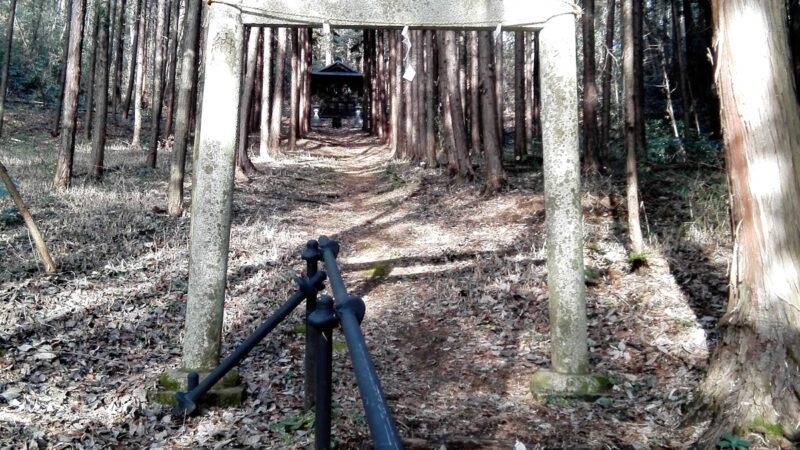
The grounds of Kaizawa Shrine are a tranquil space embraced by the deep forests of Okutama. The sound of the clear stream of the Kaizawa Valley, a tributary of the Tama River, can be heard, and you are enveloped in a natural environment that is hard to believe is within Tokyo.
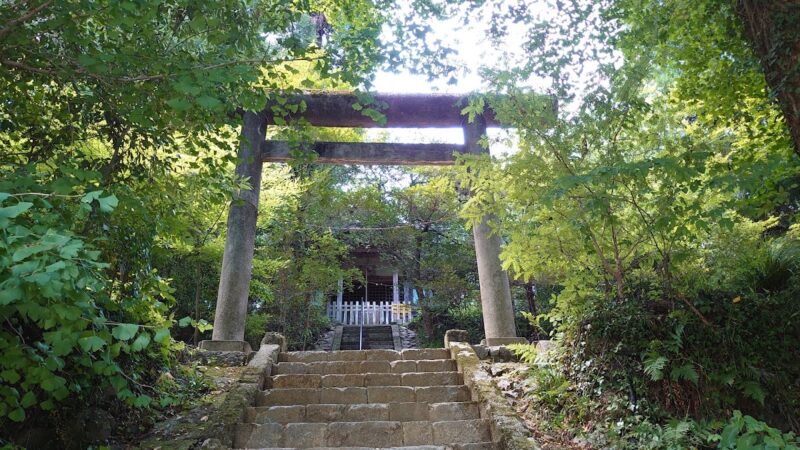
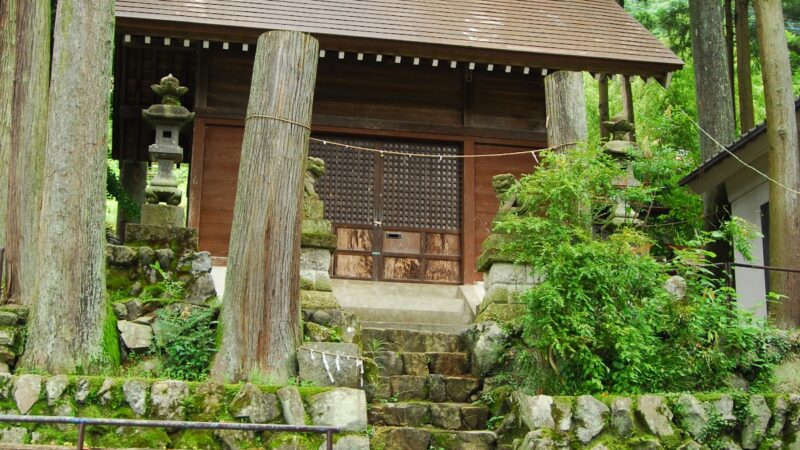
The shrine building is built on a mountain slope and surrounded by coniferous trees such as cedar and cypress. The moss-covered stone steps and ancient trees evoke a sense of history and provide deep peace to visitors.
Natural Environment
The greatest charm of Kaizawa Shrine lies in its rich natural environment. Surrounded by forests close to the primeval forests of Okutama, the shrine displays different expressions in each of the four seasons.
Spring
- Beautiful fresh greenery, with mountain cherry blossoms in full bloom.
- The chirping of wild birds echoes throughout the shrine grounds.
Summer
- Enveloped in deep green, the cool air is refreshing.
- The sound of the clear stream brings a sense of coolness.
Autumn
- Autumn leaves color the shrine grounds, creating a spectacular view.
- Visiting the shrine in the crisp air is exceptional.
Winter
- The snow-covered shrine grounds possess a fantastical beauty.
- A sacred atmosphere permeates the air, enveloped in silence.
Nature of Kaizawa Valley
A valley called Kaizawa Valley stretches around the shrine, making it a popular hiking course. Magnificent waterfalls and pools, including Mitsugama Falls, are scattered throughout, making it an attractive area for nature lovers.
Enjoying the nature of Okutama in conjunction with visiting the shrine is one of the great attractions of Kaizawa Shrine.
Etiquette and Manners for Visiting a Shrine
When visiting Kaizawa Shrine, please observe the basic etiquette for visiting a shrine.
Basic Flow of Visiting a Shrine
- Bow Before Passing Through the Torii Gate
- As a sign of respect before entering the sacred area, bow before the torii gate.
- Walk away from the center of the path (the center is considered the path of the gods).
- Purify at the Water Basin
- Purify your left hand, then your right hand.
- Rinse your mouth, and finally purify the handle of the ladle.
- Worship at the Main Hall
- Quietly place your offering in the offering box.
- Worship using the two bows, two claps, and one bow ritual.
- Recite your wishes silently in your heart.
Consideration for the Natural Environment
Kaizawa Shrine is surrounded by abundant nature. Please pay attention to the following points when visiting.
- Always take your trash home.
- Do not collect plants.
- Do not feed wild animals.
- Pray quietly and without shouting.
- Take photographs with consideration for those around you.
Annual Festival and Regular Events
Annual Festival (Third Sunday of August)
The most important festival of Kaizawa Shrine is the annual festival, held every year on the third Sunday of August. On this day, local parishioners gather to offer gratitude and prayers to the shrine’s deities.
During the annual festival, Shinto rituals are performed, and sometimes traditional local performing arts are offered. Held amidst the summer nature of Okutama, this festival is an important opportunity to deepen the bonds of the local community.
Other Annual Events
- New Year’s Day Festival (January 1st): Celebrating the New Year and praying for peace throughout the year.
- Spring Festival: Giving thanks for the arrival of spring and praying for a bountiful harvest.
- Autumn Festival: A festival to give thanks for the harvest and repay divine blessings.
Nearby Tourist Attractions
When visiting Kaizawa Shrine, you can also visit nearby tourist attractions.
Mitsugama Falls
A representative scenic spot of Kaizawa Valley, this beautiful waterfall features three tiers of pools. It’s accessible on foot from the shrine, allowing you to fully enjoy the nature of Okutama.
Okutama Lake
A representative tourist spot in Okutama, where you can enjoy beautiful scenery throughout the seasons. You can drive along the lakeside or stroll along the walking paths.
Shiromaru Dam
A dam located near Shiromaru Station, the nearest station, with a fish ladder observation facility. It’s an interesting spot where you can learn about the coexistence of nature and the dam.
Okutama Hot Springs
There are several hot spring facilities in Okutama Town where you can soothe your tired body after visiting shrines or strolling around. Day trips are also possible, allowing you to relax while enjoying the natural beauty of Okutama.
Best Season for Visiting Kaizawa Shrine
Kaizawa Shrine can be visited throughout the year, but each season has its own unique charm.
Season of Fresh Greenery (May-June)
The mountains are dyed in vibrant green, making this the most refreshing season. The weather is mild, making it ideal for a visit combined with hiking. You can also enjoy the chirping of wild birds.
Season of Autumn Leaves (Late October-November)
Okutama’s autumn foliage is known as one of the most beautiful in Tokyo. The sight of the shrine grounds and surrounding mountains dyed in red and yellow is breathtaking. Since many tourists visit during the autumn foliage season, visiting on weekdays is recommended.
Annual Festival Period (Third Sunday of August)
For those who want to experience local traditional events, the annual festival period is highly recommended. You can feel the faith of the local people up close.
Winter Precautions
During winter (December to March), there is a possibility of snow and icy roads, so sufficient preparation and caution are necessary when visiting the shrine. However, the snow-covered shrine grounds have a fantastical beauty and a unique charm only found in winter.
Shrine Culture of Okutama and Kaizawa Shrine
Besides Kaizawa Shrine, many other shrines are scattered throughout the Okutama region, each conveying the history and culture of the area to the present day.
Connection to Mountain Worship
Okutama has long been a region where mountain worship is prevalent. Mountains were considered sacred, and faith in mountain gods was deeply rooted in people’s lives. Kaizawa Shrine also carries on this tradition by enshrining Oyamatsumi-no-Mikoto, a mountain god.
Guardian Deity of the Water Source
The shrines in Okutama, located in the headwaters of the Tama River system, have long played a role in protecting the water source. Clean water is essential for life, and shrines in water source areas have been especially cherished. Kaizawa Shrine, which protects the clear stream of Kaizawa Valley, also fulfills this role.
Comparison with Shrines in Tokyo
Tokyo has numerous shrines in various wards, including Chiyoda, Chuo, Minato, Shibuya, Sumida, Taito, Koto, Bunkyo, Nakano, Suginami, Shinagawa, Meguro, Ota, Setagaya, Adachi, Katsushika, and Edogawa. While shrines in the city center are integrated into urban environments, Kaizawa Shrine is a rare example of a shrine in Tokyo blessed with a rich natural environment.
A major characteristic of Kaizawa Shrine is the opportunity to experience worship in a remote mountain location, something not possible at shrines in the city center. Among the shrines in Tokyo belonging to the Tokyo Metropolitan Shrine Association, Kaizawa Shrine is particularly worth visiting for its strong sense of oneness with nature.
Visitor Voices and Experiences
Visitors to Kaizawa Shrine have shared the following comments:
“I was enveloped in a silence and nature that was hard to believe was in Tokyo. It was a truly refreshing experience. It’s a place where you can forget the hustle and bustle of everyday life and feel a sense of sacredness.”
“I visited the shrine in conjunction with a hike, and the surrounding nature, including Mitsugama Falls, was wonderful. I enjoyed myself all day long. It’s especially recommended during the autumn foliage season.”
“I could feel the atmosphere of the shrine being cherished as the guardian deity of the community. It’s a small shrine, but you can feel the weight of history.”
Mindset for Visiting Kaizawa Shrine
When visiting Kaizawa Shrine, it’s good to keep the following points in mind:
Respect for Nature
The greatest charm of Kaizawa Shrine is its rich natural environment. This nature has been nurtured over many years, and we humans benefit from it. When visiting, it is important to show respect for nature and have an awareness of protecting the environment.
Understanding Local Culture
Kaizawa Shrine has long been revered by local people as the guardian deity of the region. When visiting as a tourist, please remember to respect the local culture and traditions.
Safety Considerations
As the shrine is located in a mountainous area, particular attention should be paid to weather changes and footing. Please plan your visit carefully and prioritize safety.
Summary
Kaizawa Shrine is a shrine blessed with history and nature, located in Kaizawa, Okutama-machi, Nishitama-gun, Tokyo. It enshrines two deities, Wakeikazuchi-no-kami and Oyamatsumi-no-mikoto, and has long been revered as the guardian deity of the region.
Located approximately 23 minutes on foot from Shiromaru Station on the JR Ome Line, the shrine grounds, surrounded by a rich natural environment despite being within Tokyo, offer visitors a deep sense of peace and tranquility. Annual events, including the grand festival held on the third Sunday of August each year, offer opportunities to experience local traditional culture.
Kaizawa Shrine, where you can enjoy the natural beauty of Okutama while praying, is a special place among the shrines in Tokyo belonging to the Tokyo Metropolitan Association of Shrines. Away from the hustle and bustle of everyday life, the experience of quietly praying in the sacred atmosphere of the shrine grounds will surely become an unforgettable memory.
With its beautiful nature that changes with the seasons, the clear waters of the Kaizawa Valley, and the historic shrine buildings that have been protected by the local people, Kaizawa Shrine quietly speaks to us modern people about the importance of coexisting with nature and the power of faith.
If you have the opportunity to visit Okutama, please be sure to visit Kaizawa Shrine. A soul-cleansing prayer experience that you can’t find in the city awaits you.