Complete Guide to Hanairi Shrine (Tokyo): History, Blessings, Access, and Worship Methods
Hanairi Shrine, located in Tokyo, is a shrine that has been cherished by the local community for centuries. Despite being amidst the hustle and bustle of the city, it maintains a tranquil atmosphere, offering peace of mind to visitors. This article provides a detailed explanation of Hanairi Shrine, from its historical background and blessings to its highlights, worship methods, and access information.
What is Hanairi Shrine?
Hanairi Shrine is a shrine located in Tokyo and has long been revered as the local guardian deity. The name “Hanairi” is said to originate from the fact that this area was once known for flower cultivation, or that beautiful flowers were offered as offerings.
While the shrine is not large, its charm lies in its warm, community-rooted atmosphere. In increasingly urbanized Tokyo, such community-oriented shrines play an important role in maintaining community bonds.
Hanairi Shrine is located in Tokyo and has been worshipped as the local guardian deity for many years. ## History of Hanairi Shrine
Origin of Founding
While there are various theories regarding the exact founding date of Hanairi Shrine, it is said to have already existed as a center of local faith during the mid-Edo period. According to records from that time, farmers prayed for bountiful harvests and offered flowers and agricultural products seasonally.
Changes Since the Meiji Era
Following the Meiji-era separation of Shinto and Buddhism, many shrines were reorganized, and Hanairi Shrine was officially recognized as the local tutelary shrine. Although the surrounding area suffered significant damage during the wartime bombings of the Showa era, the shrine itself miraculously escaped destruction.
During the post-war reconstruction period, it played an important role as a spiritual center for local residents and has been carefully preserved to this day.
Recent Maintenance and Preservation Activities
Since the Heisei era, with the cooperation of parishioners and local residents, the shrine grounds have been maintained and the shrine buildings repaired. While preserving tradition, efforts are being made to create an environment that is easily accessible to modern visitors.
Deities and Benefits
Deities
Based on local traditions, the following deities are believed to be enshrined at Hanairi Shrine:
- Konohanasakuya-hime no Mikoto: A goddess considered a symbol of beauty and prosperity
- Oyamatsumi no Kami: God of mountains and guardian deity of industry
- Local Guardian Deity: A deity who protects the land
Main Benefits
By visiting Hanairi Shrine, the following benefits are believed to be received:
- Matchmaking and Successful Relationships: Through the divine virtues of Konohanasakuya-hime no Mikoto, good relationships are formed.
- Family Safety: Protection of family health and peaceful life.
- Business Prosperity: Due to its history of protecting local industries.
- Prayer for Safe Childbirth: Because Konohanasakuya-hime no Mikoto is known as a goddess of safe childbirth.
- Exorcism and Good Fortune: This shrine aims to ward off misfortune in daily life and improve one’s luck.
Especially during the spring flowering season, many visitors come to the beautiful grounds to pray for good fortune and happiness.
Highlights of the Shrine Grounds
Main Hall and Worship Hall
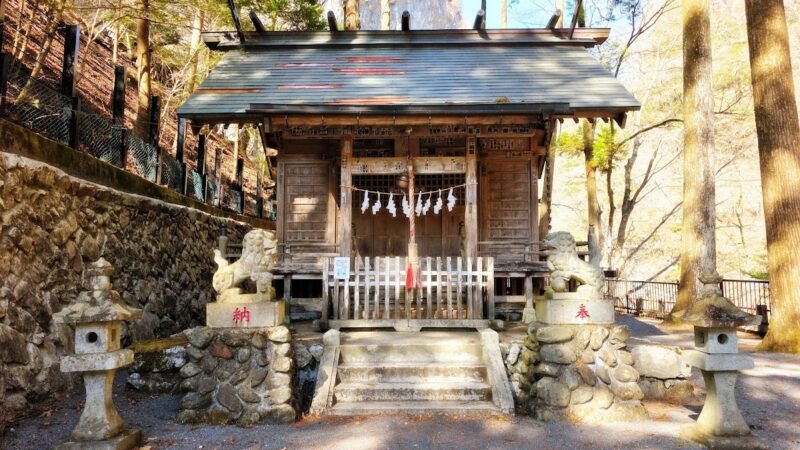
The main hall of Hanairi Shrine maintains a traditional shrine architectural style, characterized by its beautiful wooden construction. The worship hall is where worshippers offer their prayers; it is kept clean and exudes a sacred atmosphere.
Water Basin
The water basin, where worshippers purify their minds and bodies before praying, is a charming stone structure. Performing the proper water basin ritual allows one to compose oneself before praying.
Sacred Tree
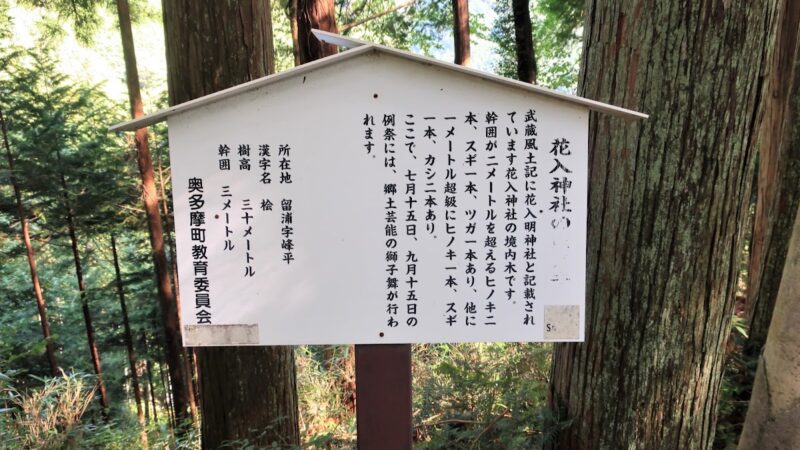
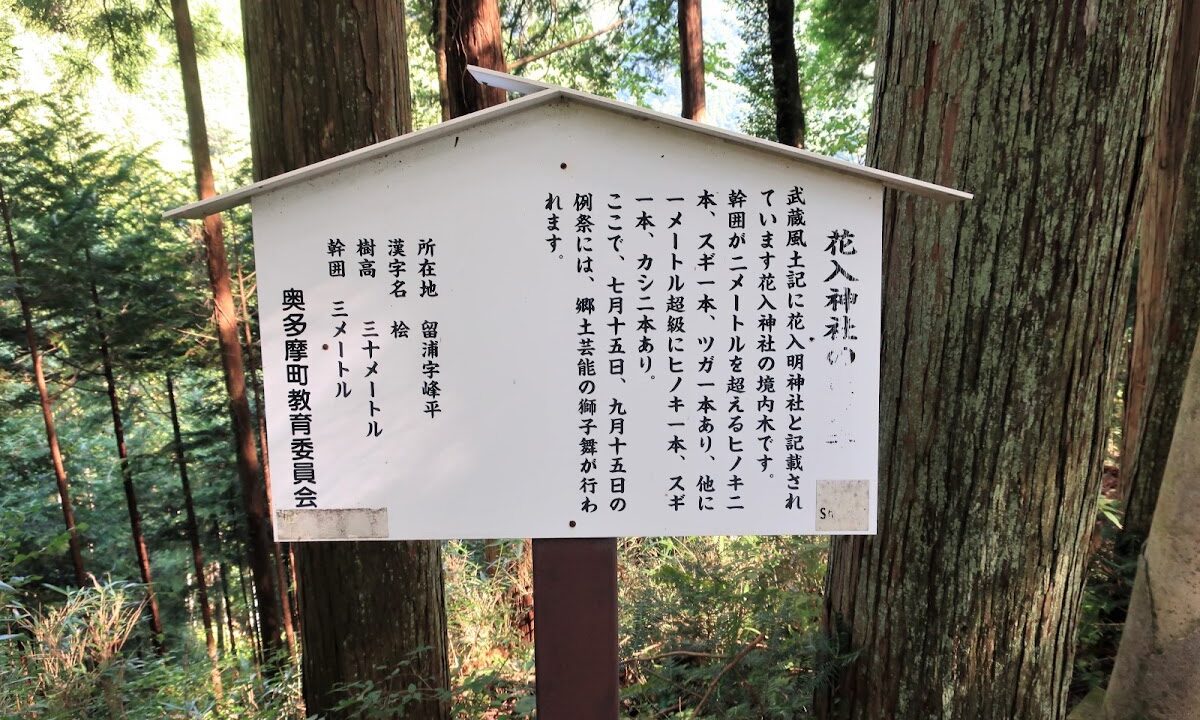
Within the shrine grounds stands a sacred tree said to be several hundred years old, which has watched over the history of the region. It is believed that touching this tree allows one to receive the power accumulated over many years.
Flowerbeds and Seasonal Flowers
Befitting the shrine’s name, beautiful flowers are planted throughout the grounds according to the season. Cherry blossoms and plum blossoms in spring, hydrangeas in summer, and chrysanthemums in autumn delight visitors with flowers of all seasons.
Shrine Office and Gift Shop
This is where you can receive Goshuin (shrine stamps), amulets, and fortune slips. The original amulets and Goshuin unique to Hanairi Shrine are popular as souvenirs of your visit.
Annual Events and Festivals
Hanairi Shrine holds various festivals throughout the year.
Main Annual Events
- January 1st-3rd: Hatsumode (First Shrine Visit of the New Year)
The shrine is bustling with many visitors praying for happiness in the new year.
- February: Setsubun Festival
Bean-throwing ceremonies are held to ward off evil spirits for the year.
- Spring Grand Festival (around April)
A grand spring festival coinciding with the flowering season, featuring the dedication of Kagura (sacred dance and music).
- Summer Purification Ceremony (June 30th)
A ceremony to purify oneself of the impurities accumulated over the past six months and pray for good health and protection from illness for the remaining half of the year.
- Autumn Grand Festival (around October)
A grand autumn festival to give thanks for the harvest and pray for the prosperity of the community.
- Shichi-Go-San (November)
A celebration of children’s growth and prayers for their healthy development.
- Year-End Purification Ceremony (December 31st)
A ceremony to purify oneself of the impurities accumulated over the year and prepare to welcome the new year with a pure heart.
How to Worship and Etiquette
Basic Flow of Worship
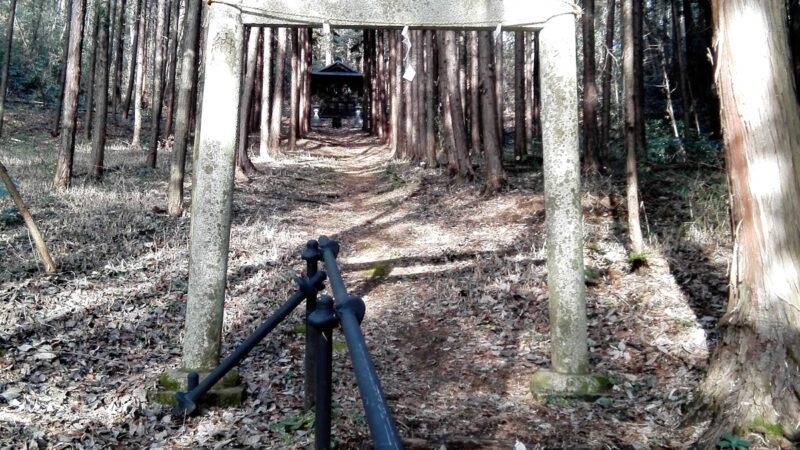
- Passing Through the Torii Gate
Bow before the torii gate to show respect for entering the sacred area. The center of the approach to the shrine is considered the path of the gods, so it is considered best to walk along the edges.
- Purifying at the Water Basin
- Hold the ladle in your right hand and purify your left hand.
- Switch the ladle to your left hand and purify your right hand.
- Switch the ladle back to your right hand, receive water in your left hand, and rinse your mouth.
- Purify your left hand once more.
- Hold the ladle upright, purify the handle, and return it to its original position.
- Worship in Front of the Main Hall
- Place your offering in the offering box.
- Ring the bell if there is one.
- Worship using the two bows, two claps, and one bow method.
- Bow deeply twice.
- Clap your hands twice at chest height.
- Pray with sincerity.
- Finally, bow deeply once.
- Walking Around the Shrine Grounds
If there are sacred trees or other subsidiary shrines, worship them in the same manner.
- Exit
When leaving through the torii gate, turn around, bow, and then depart.
Amulets and Goshuin (Shrine Seals)
Hanairi Shrine offers various types of amulets. You can choose an amulet according to your wishes, such as amulets for matchmaking, health, or academic success.
Goshuin (shrine seals) can be obtained at the shrine office as proof of your visit. Bring your goshuincho (seal book) and make your request respectfully.
Access Information
Location
For the exact address of Hanairi Shrine, we recommend checking local information or map apps for the latest information. It is located in a residential area of Tokyo and is accessible on foot from the nearest station.
Access by Train
It is approximately a 10-15 minute walk from the nearest station. From the station, it is a quiet route through a residential area, allowing you to enjoy a stroll on your way to the shrine.
Access by Bus
It is a few minutes’ walk from the nearest bus stop. Using local bus routes is convenient.
Access by Car
Parking at the shrine may be limited, so we recommend using public transportation. If you are visiting by car, please use a nearby coin-operated parking lot or check the availability of parking in advance.
Visiting Hours
The shrine grounds are generally open all day, but the shrine office has limited hours. If you wish to receive a Goshuin (shrine stamp) or amulet, we recommend visiting between 9:00 AM and 5:00 PM.
Nearby Tourist Attractions
When visiting Hanairi Shrine, you can make your experience more fulfilling by also visiting nearby tourist attractions.
Nearby Shrines and Temples
There are many shrines and temples in Tokyo, and visiting them in conjunction with Hanairi Shrine can provide a deeper spiritual experience.
Local Parks
There are parks and green spaces around the shrine where you can enjoy seasonal flowers. They are perfect for a stroll after your visit.
Shopping Streets and Restaurants
The local shopping streets offer shops with a traditional atmosphere and delicious restaurants. It’s a good idea to stop by after your visit.
Manners and Precautions for Visiting Hanairi Shrine
Regarding Attire
While there are no strict dress code regulations, it is desirable to wear clean and subdued clothing, keeping in mind that this is a sacred place. Formal attire or equivalent is especially recommended if you are receiving prayers.
Regarding Photography
Photography is generally permitted within the shrine grounds, but there are areas and situations where photography is prohibited, such as inside the main hall or during Shinto rituals. If unsure, please check with the shrine office or follow any “No Photography” signs.
Respect and Silence
Shrines are places of prayer, and many people visit seeking peace of mind. Please refrain from speaking loudly or running around, and pray quietly.
Regarding Pets
Some shrines prohibit pets. Please check in advance or follow the signs within the shrine grounds.
The Charm of Hanairi Shrine
A Healing Space in the City
Despite being located in the bustling metropolis of Tokyo, Hanairi Shrine maintains a quiet and peaceful atmosphere. It is loved by many as a place to escape the hustle and bustle of everyday life and find peace of mind.
Beauty in Every Season
As the shrine’s name suggests, beautiful flowers bloom throughout the seasons. From cherry blossoms in spring, to the fresh greenery of early summer, the vibrant autumn leaves, and the tranquility of winter, it offers different expressions depending on the time of year you visit.
Center of the Local Community
Hanairi Shrine is not merely a tourist spot; it is deeply rooted in the lives of the local people. Through festivals and events, it plays a role in strengthening community bonds.
A Place of Spiritual Support
Many people visit Hanairi Shrine during life’s milestones and difficult times, seeking emotional support. It is also used as a venue for various life ceremonies, such as weddings, Shichi-Go-San (a traditional Japanese rite of passage for children), and exorcisms.
Voices of Visitors
Voices of Local Residents
“This is a shrine I’ve been familiar with since childhood. I always visit during New Year’s and festivals. Even though it’s in the city, I feel at peace when I come here.”
Visitors from Afar
“I stopped by while sightseeing in Tokyo. It’s not a large shrine, but it’s very well-maintained and a very pleasant place. The goshuin (shrine stamp) was also beautiful, making it a good memory.”
Regular Visitors
“I come to pray on the 1st of every month. The flowers that bloom each season are beautiful, and I feel healed every time I visit. The warmth of the local people is also one of its charms.”
The Future of Hanairi Shrine
Preservation and Inheritance
Amidst the declining birthrate and aging population, passing on local shrines to the next generation is a crucial issue. At Hanairi Shrine, parishioners and local residents cooperate to maintain and manage the shrine.
New Initiatives
While preserving tradition, new initiatives are also being undertaken, such as disseminating information on social media and holding events that are accessible to younger generations. ### Collaboration with the Community
The shrine collaborates with local schools and organizations to teach children about traditional Japanese culture. Through these efforts, it is hoped that the significance of the shrine will be passed on to future generations.
Summary
Hanairi Shrine, a community-based shrine located in Tokyo, is supported by a long history, abundant nature, and a warm community. For those seeking peace of mind amidst the hustle and bustle of the city, it is a precious sanctuary.
The shrine grounds surrounded by beautiful flowers, the carefully preserved traditions, and the warmth of the local people—all of these contribute to the charm of Hanairi Shrine. When visiting Tokyo, be sure to visit Hanairi Shrine and experience its tranquil atmosphere and sacred air.
Through worship, you can connect with traditional Japanese culture, find peace of mind, and gain new vitality. Hanairi Shrine, which shows a different face with each season, is a special place that offers new discoveries and inspiration with every visit.
Whether you’re visiting for the first time or you’re a local resident, we hope you’ll come to Hanairi Shrine with your own thoughts and feelings in mind and enjoy a truly enriching experience.