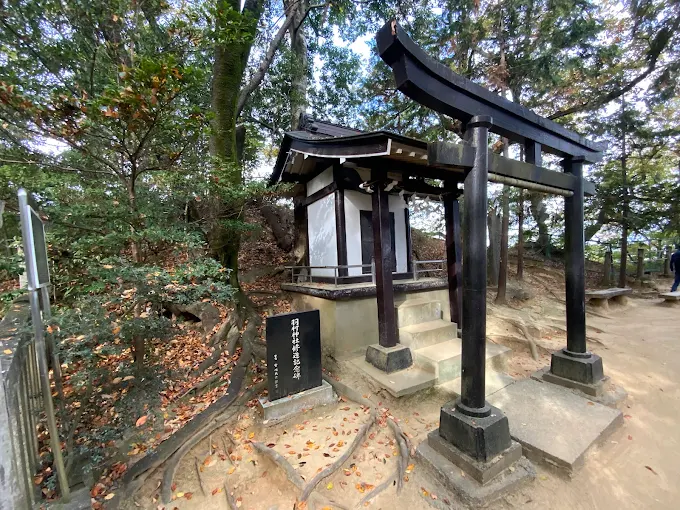
Hamura Shrine (Tokyo) Complete Guide | History of Mount Asama and Visiting Information
Hamura Shrine is a shrine located on the summit of Mount Asama, approximately 220 meters above sea level, along the Tama River in Hamura City, Tokyo. Affectionately known locally as “Asama-sama,” it enshrines Konohanasakuya-hime as its main deity. This article provides detailed information on Hamura Shrine, including its history, enshrined deities, visiting procedures, and nearby attractions.
Basic Information on Hamura Shrine
Hamura Shrine is located at 743 Hamura, Hamura City, Tokyo, and is registered under corporate code 7013105000205. While there are seven shrines in Hamura City, it is known for its unique location on Mount Asama.
Location and Access
Address: 743 Hamura, Hamura City, Tokyo 205-0012
Nearest Station: JR Ome Line Hamura Station
Common Name: Asama-sama
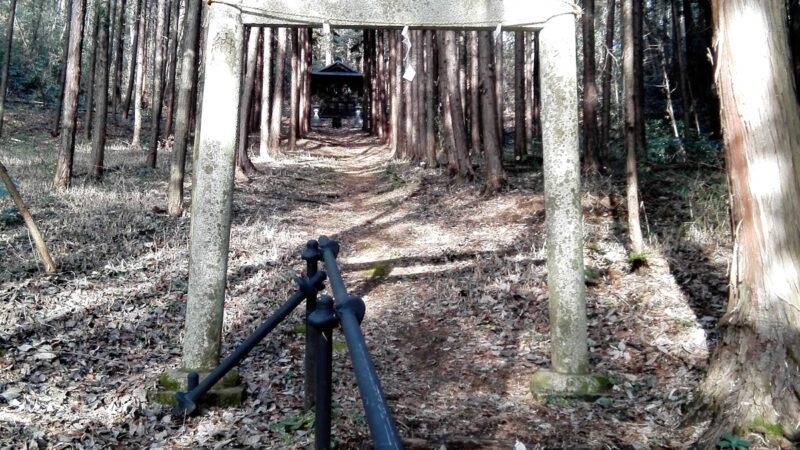
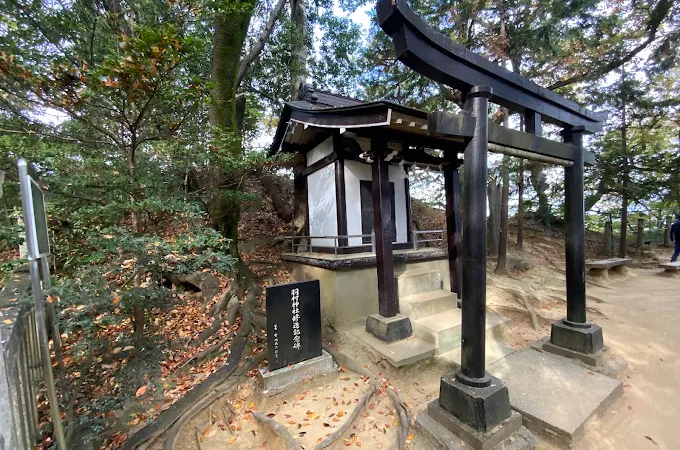
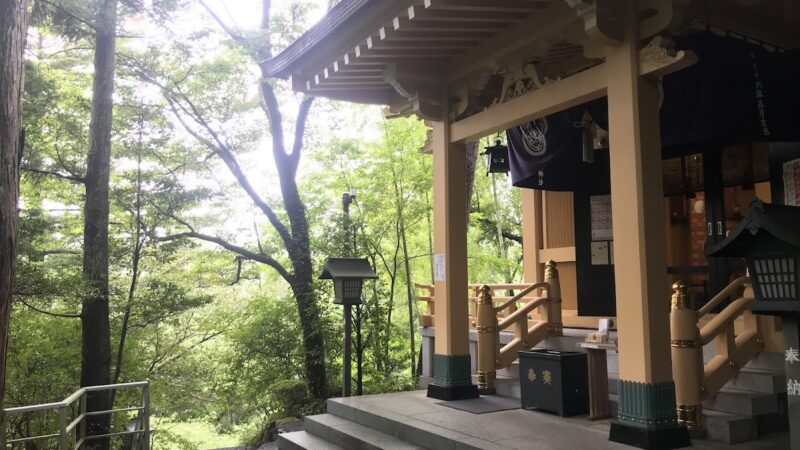
Visiting Hamura Shrine requires climbing to the summit of Mt. Asama, so it is recommended to allow ample time and physical energy.
How to Access Hamura Shrine
Access by Public Transportation
After alighting at JR Ome Line Hamura Station, it is convenient to use the Hamura City Community Bus “Hamuran” from the East Exit.
- Take the “Hamura West Course” from the bus stop at Hamura Station East Exit (approximately 15 minutes)
- Get off at the Local History Museum bus stop
- 5-10 minute walk to the summit of Mt. Asama
The Hamura City Community Bus “Hamuran” functions as a means of transportation for local residents and is also an easily accessible mode of transport for tourists. From the local history museum bus stop to the summit of Mt. Asama, you will be walking along a mountain trail.
Access on Foot
If walking directly from Hamura Station, allow approximately 30-40 minutes. This is a recommended walking route for those with ample time, allowing you to enjoy the nature of the Tama River.
Access by Car
Parking is limited around Mt. Asama, using public transportation is recommended. While parking at the Hamura City Local History Museum may be available, prior confirmation is necessary.
Deity and History of the Shrine
Main Deity: Konohanasakuya-hime no Mikoto
The main deity of Hamura Shrine is Konohanasakuya-hime no Mikoto. She is a goddess deeply connected to the worship of Mt. Fuji, known as a symbol of beauty and cherry blossoms. She is also famous for the myth of giving birth in flames, and is revered as a goddess for safe childbirth and protection against fire.
Deities Enshrined Together
In addition to the main deity, the following deities are enshrined at Hamura Shrine:
- Homusubi-no-kami: God of fire
- Okuninushi-no-kami: God of matchmaking and business prosperity
- Emperor Sutoku: Emperor of the late Heian period
Due to the enshrinement of these deities, Hamura Shrine has attracted local faith as a shrine where one can receive a variety of blessings.
Asama Faith and Hamura Shrine
As the name Asama-yama suggests, Hamura Shrine has a deep connection to Mount Fuji faith (Asama faith). During the Edo period, Fuji-ko (Fuji pilgrimage groups) were popular, and Asama shrines and miniature Mount Fuji mounds were built in various places for people who found it difficult to climb Mount Fuji. Asama-yama in Hamura was one such example and became a center of local faith.
History of Hamura Shrine
While the exact founding date of Hamura Shrine is unclear, it is believed to have already garnered local devotion during the Edo period, coinciding with the spread of Asama worship. In the rural areas of the Tama River basin, the worship of deities who govern the blessings of water and protection from fire was closely intertwined with people’s lives.
After the Meiji-era separation of Shinto and Buddhism, it is presumed to have been reorganized within the modern shrine system, resulting in its current form. From the Showa to the Heisei era, it has been cherished by the citizens of Hamura as the local guardian deity and a symbol of Mount Asama.
Points of Interest and Highlights for Visitors
Climbing Mount Asama and Visiting Hamura Shrine
Visiting Hamura Shrine involves climbing Mount Asama. Although it’s not a particularly high mountain at an elevation of approximately 220 meters, please note the following:
- Clothing: Wear comfortable shoes and clothing suitable for walking.
- Season: Take precautions against the heat in summer and warm clothing in winter.
- Time: Allow ample time to descend before sunset.
- Hydration: Remember to stay hydrated, especially in summer.
Views from the Summit
From Hamura Shrine, located on the summit of Mt. Asama, you can enjoy panoramic views of the Tama River and the town of Hamura. On clear days, you can even see the distant Okutama Mountains and Mt. Fuji, making it a great place to enjoy natural scenery along with your visit to the shrine.
Etiquette for Visiting a Shrine
The basic etiquette for visiting a shrine is as follows:
- Bow before passing through the torii gate
- Cleanse your hands and mouth at the water basin (some shrines, especially those on mountaintops, may not have a water basin)
- Place your offering in front of the main hall
- Bow twice, clap twice, and bow once
- After leaving the torii gate, turn around and bow once
Other Shrines in Hamura City
There are seven shrines in Hamura City, including Hamura Shrine. When visiting Hamura Shrine, why not also visit the surrounding shrines?
Aso Shrine (Musashi Aso Shrine)
Location: 4-6-23 Hagami, Hamura City, Tokyo
This is one of the oldest shrines in Hamura City, said to have been founded in 601 (the 9th year of Emperor Suiko’s reign). There is a legend that Taira no Masakado constructed the shrine buildings in 933, making it a shrine with a long history. It has been noted that it is connected to Aso Shrine in Kumamoto, and it occupies an important position as a center of Aso worship in Musashi Province.
Tamagawa Shrine
This shrine is deeply rooted in the community as a place to give thanks for the blessings of the Tamagawa River and pray for protection against water-related disasters. It embodies the faith in water that has supported agriculture and life in the Tamagawa River basin.
Gono Shrine
Among the shrines in Hamura City, this is a shrine that is cherished as the local guardian deity. It is the shrine from which the place name “Gono-kami” originates, and is an important spot for understanding the history of the region.
Hamura City Gokoku Shrine
Location: 3-6-24 Hanaka, Hamura City, Tokyo
This is an unmanned shrine located next to Hamura First Junior High School. As a Gokoku Shrine dedicated to war dead, it quietly watches over the peace of the region.
Matsumoto Shrine
Although a small local shrine, it attracts the faith of the local people.
Shinmei Shrine
As a shrine dedicated to Amaterasu Omikami, the deity of Ise Grand Shrine, it is the center of Shinmei worship in Hamura City.
Collaboration with Hamura City Local History Museum
The Hamura City Local History Museum, which serves as a starting point for accessing Hamura Shrine, is a facility where you can learn about the history and culture of Hamura City. Since it may also have exhibits related to Mount Asama and Hamura Shrine, visiting before or after your visit will allow you to understand the history of Hamura more deeply.
Features of Hamura City Local History Museum:
- Exhibits of historical materials of Hamura City
- Exhibits on the relationship between the Tama River and Hamura
- Local folklore materials
- Regular special exhibitions
Attractions around Hamura Shrine
Nature of the Tama River
Hamura City is located along the Tama River and is blessed with a rich natural environment. The area around Mount Asama is also on the river terrace of the Tama River, allowing you to enjoy nature throughout the seasons.
- Spring: The cherry blossom trees along the Tama River are beautiful during cherry blossom season.
- Summer: Hiking amidst the fresh greenery is refreshing.
- Autumn: The mountains are colored by autumn leaves.
- Winter: The air is clear, allowing for excellent views.
Hamura Weir (Hamura Water Intake Weir)
The Hamura Weir, an important historical site in Hamura City, is a facility built during the Edo period as a water intake for the Tamagawa Aqueduct. While it’s a bit of a distance from Hamura Shrine, it’s a must-see spot when visiting Hamura City.
Hiking Courses
There are several hiking courses around Mount Asama, allowing you to enjoy nature walks in conjunction with a visit to Hamura Shrine. These courses, offering views of the Tama River and the Musashino region, are popular with hiking enthusiasts.
Precautions When Visiting
Points to Note Unique to a Mountaintop Shrine
Hamura Shrine is located at the summit of Mt. Asama, please note the following:
- Weather: Be careful as the ground can be slippery in rainy weather.
- Time of Day: Avoid visiting early in the morning or in the evening; visit during daylight hours.
- Physical Condition: Since the visit involves mountain climbing, do not push yourself if you are not feeling well.
- Mobile Phone: Be aware that cell phone reception may be poor in some areas of the mountain.
- Litter: For the sake of nature conservation, please be sure to take all your trash with you.
Seasonal Highlights and Precautions
Spring (March-May)
- Beautiful fresh greenery, ideal season for mountain climbing.
- Take precautions if you suffer from hay fever.
Summer (June-August)
- Lush greenery, cool shade.
- Heatstroke prevention and insect repellent are necessary.
- Beware of thunderstorms.
Autumn (September-November)
- Beautiful autumn foliage
- Ideal weather for hiking
- Sunset is early, so be mindful of the time
Winter (December-February)
- Clear air and excellent views
- Warm clothing is essential
- Avoid hiking when there is ice or snow
About Goshuin (Shrine Seals) at Hamura Shrine
Hamura Shrine is a small shrine at the mountaintop, so there may not be a resident priest. If you wish to receive a Goshuin, we recommend contacting other shrines in Hamura City or the Nishitama Branch of the Tokyo Metropolitan Shrine Association in advance.
In recent years, shrine visits and Goshuin collecting have become popular, but small shrines like Hamura Shrine may not have a system in place for issuing Goshuin. We recommend visiting with the purpose of worship itself.
Shrine Pilgrimage in Hamura City
The “Hamura Seven Shrines Pilgrimage,” which visits seven shrines in Hamura City, is a great opportunity to learn about the city’s history and culture. Each shrine has its own unique characteristics and history, so taking a day to slowly visit them will allow you to discover the profound charm of Hamura City.
Recommended Itinerary
- Morning: Start from Hamura Station and visit Aso Shrine.
- Before Noon: Learn about history at the Hamura City Local History Museum.
- Afternoon: Climb Mt. Asama and visit Hamura Shrine.
- Evening: After descending the mountain, visit other shrines in the city.
About Hamura City
Hamura City is located in the western part of Tokyo, in the Tama region, and has a population of approximately 55,000. Blessed with the clear waters of the Tama River and the natural beauty of Musashino, it has developed primarily through agriculture since ancient times.
History of Hamura City
During the Edo period, the Hamura Weir, the intake for the Tamagawa Aqueduct, was established, playing an important role as part of Edo’s water supply. After the Meiji era, it continued to develop as an agricultural area, and from the late Showa period onwards, it grew as a commuter town for Tokyo.
Cultural Properties of Hamura City
Hamura City boasts numerous cultural properties, with shrines and temples forming a significant part of its collection. The historical buildings of Aso Shrine and the festivals passed down at each shrine are invaluable legacies that preserve the region’s culture.
Summary of Visiting Hamura Shrine
Hamura Shrine is situated in a unique location atop Mount Asama in Hamura City, Tokyo. It enshrines Konohanasakuya-hime as its principal deity and is deeply connected to the worship of Mount Fuji (Asama worship).
Visiting the shrine involves climbing Mount Asama, so it’s important to allow ample time and physical stamina. Access is via the Hamura City Community Bus “Hamuran” from JR Ome Line Hamura Station, followed by a walk from the Local History Museum bus stop.
The view from the summit is magnificent, offering panoramic views of the Tama River and Hamura city. On clear days, Mount Fuji can also be seen, providing a valuable experience where nature and faith are intertwined.
Hamura City is home to seven other shrines, including Aso Shrine, Tamagawa Shrine, and Gono Shrine, each preserving the history and culture of the region. Visiting these other shrines in conjunction with Hamura Shrine will allow you to discover the deeper charms of Hamura City.
A visit to Hamura Shrine—a pilgrimage amidst nature, an encounter with a historical shrine, and an experience of local culture—will be a precious opportunity to escape the hustle and bustle of city life and find peace of mind. Enjoy the changing seasons and be sure to visit Hamura Shrine.