Inatari Shrine (Akiruno City, Tokyo) Complete Guide | Deities, Goshuin (Shrine Seals), Access, and Cemetery Information
Inatari Shrine, located in Sugao, Akiruno City, Tokyo, is a historical shrine founded in the early Edo period. It enshrines Idaten Sonjin, known as the god of feet, and in recent years has also been widely used as a Shinto cemetery. This article provides a detailed introduction to Inatari Shrine, including its enshrined deities, history, goshuin (shrine seals), access, and cemetery information.
Basic Information on Inatari Shrine
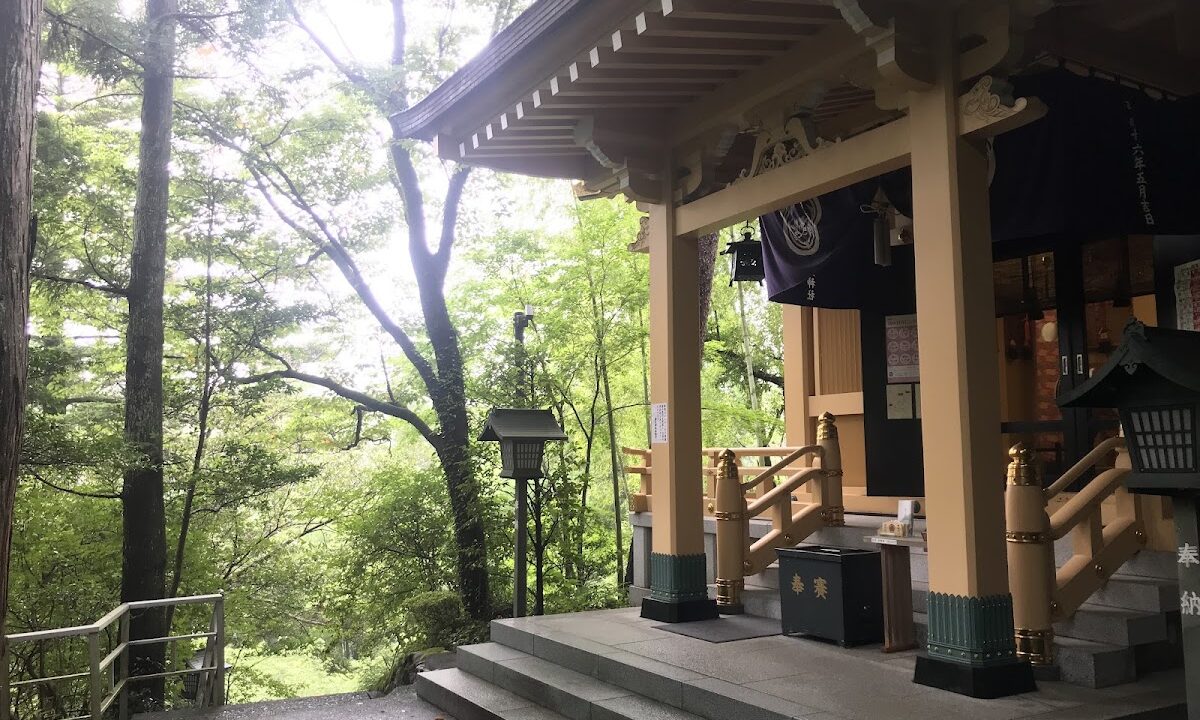
Inatari Shrine is located in a naturally rich environment in Akiruno City, Tokyo. Surrounded by the greenery of the Akigawa Hills, it is a precious place where people can worship in a tranquil atmosphere, and is cherished by the local community.
Location: 871 Sugao, Akiruno City, Tokyo
Phone Number: Available on the official website
Nearest Station: Akigawa Station, JR Itsukaichi Line
Parking: Available (for cemetery users and visitors)
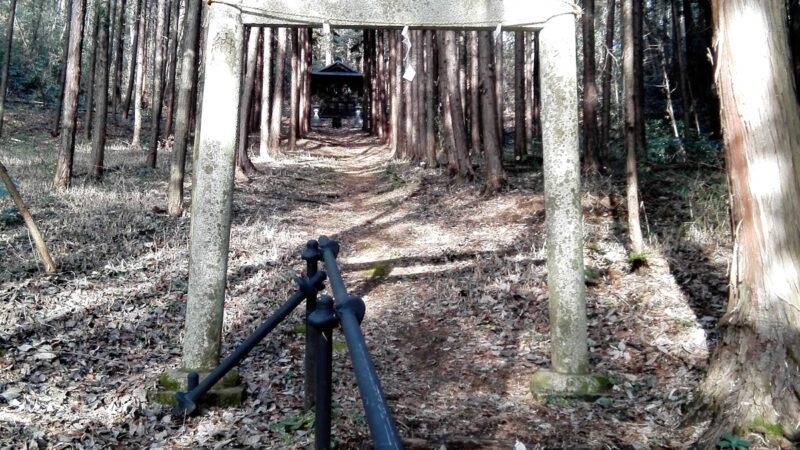
The shrine grounds are surrounded by a sacred grove, allowing visitors to experience the changing seasons while offering prayers. The tranquil atmosphere, especially the bamboo forest, captivates visitors as a healing space far from the city center.
Deities and Divine Virtues
Main Deities
Inashi Shrine enshrines the last of the seven generations of gods in Japanese mythology.
Omodaru-no-Mikoto
Kashikone-no-Mikoto
These two deities are known as a married couple and are considered to be the gods who completed the land and laid the foundation for human society. “Omo-tari” symbolizes “perfect form,” and “Kōkon” symbolizes “a heart of awe and reverence.” These deities have been worshipped as gods who bring stability to people’s lives and spiritual fulfillment.
Idaten Sonshin
A distinctive feature of Ina-tari Shrine’s worship is the enshrinement of Idaten Sonshin. Idaten is known as a god of speed and is widely worshipped as the “god of feet.”
Divine Virtues:
- Prayers for healthy legs and hips
- Improvement of athletic performance
- Safe travels
- Rapid fulfillment of wishes
- Business prosperity (speed = good turnover in business)
Many people involved in sports, such as marathon runners and soccer players, visit the shrine, and it also attracts fervent devotion from the elderly who pray for healthy legs and hips.
History of Ina-tari Shrine
Founded in the Edo Period
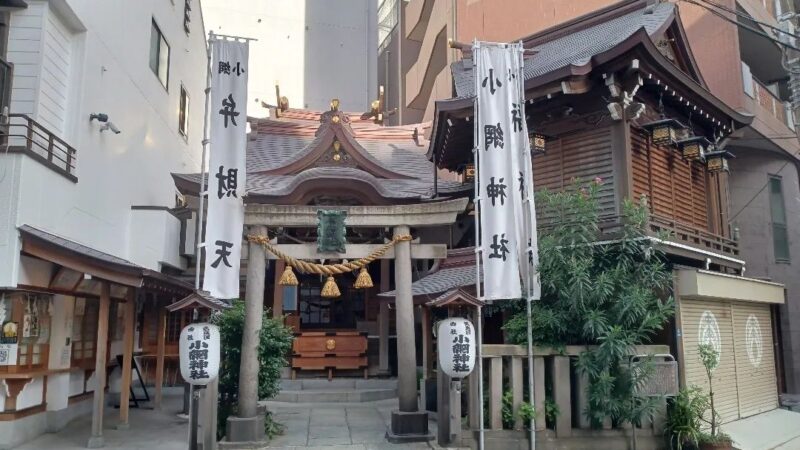
Ina-tari Shrine’s founding dates back to the early Edo period. Originally located in Kameido, Edo (present-day Tokyo), the shrine was revered as the local tutelary deity. Throughout the Edo period, its reputation as a god of feet spread, and it developed into a shrine attracting many worshippers.
Relocation in 1988
The relocation to its current location in Sugao, Akiruno City, Tokyo, took place in 1988. Amidst urban development, the decision was made to move to the current site to preserve and pass on the shrine in a more natural environment.
Akiruno City’s rich natural environment is ideal for maintaining the sacred atmosphere of the shrine, and it continues to attract many worshippers even after the relocation. The view overlooking the Okutama Mountains and Akigawa Hills further enhances the shrine’s solemnity.
Modern Inashi Shrine
After the relocation, Inashi Shrine added a Shinto cemetery, and began offering Shinto funeral services and burial plots. While preserving its traditions as a shrine, it continues to develop as a facility that meets modern needs.
Even in the Reiwa era, it continues to play an important role as a center of local faith and a place of prayer for people seeking good foot health.
Highlights of the Shrine Grounds
Main Hall
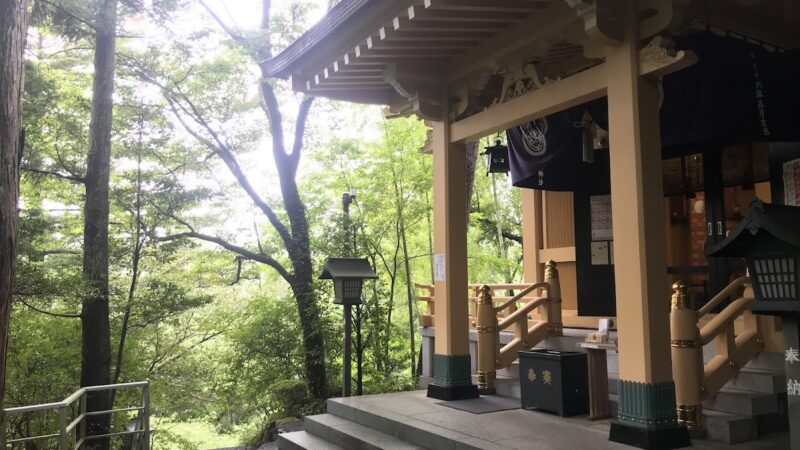
The main hall, built at the time of the shrine’s relocation, is a robust structure that incorporates modern technology while adhering to traditional shrine architectural styles. The main hall, dedicated to Omotari-no-Mikoto and Kashikone-no-Mikoto, is a sacred space where worshippers can offer their prayers in peace.
Shrine of Idaten-no-Sonshin
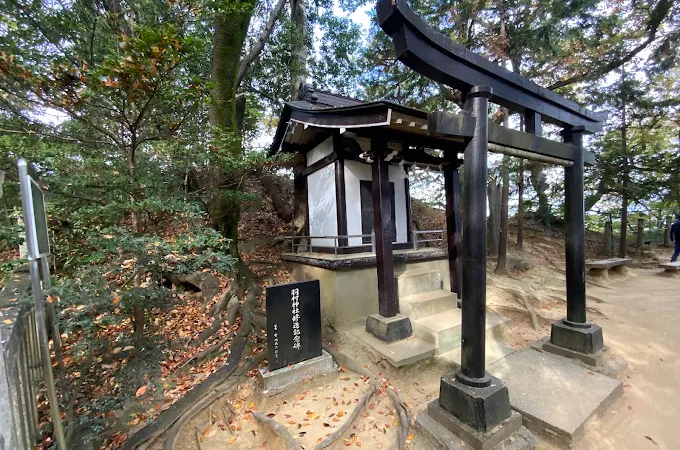
Separate from the main hall, there is a shrine dedicated to Idaten-no-Sonshin. Many worshippers seeking good foot health visit this shrine, and during the sports season, students and athletes can be seen here in particular.
Bamboo Grove and Guardian Forest
The bamboo grove surrounding the shrine grounds is a major feature of Inatari Shrine. The sound of bamboo leaves rustling in the wind soothes the hearts of visitors. The sacred grove displays different expressions throughout the seasons, allowing visitors to enjoy the beauty of each season: the fresh greenery of spring, the deep green of summer, the vibrant autumn leaves, and the tranquility of winter.
Shinto Hall
Within the shrine grounds is the Shinto Hall, used for various festivals, memorial services, and consultations. As a facility where Shinto funerals and memorial services can be held, it is an important place for those who practice Shintoism.
Goshuin (Shrine Seal) and Goshuincho (Shrine Seal Book) Information
About Goshuin
Inashi Shrine offers goshuin to visitors. Goshuin are cherished by many visitors as proof of their visit and as an important symbol of their connection with the shrine.
Location of Issuance: Shrine Office (Shinto Hall)
Reception Hours: Approximately 9:00 AM to 5:00 PM (Hours may vary, so prior confirmation is recommended)
Offering Fee: According to general market rates
The goshuin (shrine stamp) will have the name of “Inatari Shrine” and the date of visit written in ink, and the shrine’s seal will be stamped. It features a simple yet powerful calligraphy style, reflecting the strength befitting a shrine dedicated to the god of feet.
Original Goshuincho (Shrine Stamp Book)
Inatari Shrine also offers original goshuincho. For detailed designs and availability, please inquire at the shrine office during your visit. Goshuincho are cherished as records of shrine visits and as mementos.
Etiquette for Receiving a Goshuin (Shrine Stamp)
- First, complete your prayers at the main shrine before receiving your goshuin.
- Open your goshuin book and specify the page you would like the stamp on.
- It is polite to have small change ready for the offering.
- Remember that a goshuin is not just a “commemorative stamp,” but a symbol of your connection with the deity.
Access
We will provide detailed information on how to access Inatari Shrine. It is located in a relatively easily accessible area from central Tokyo.
Access by Train
Nearest Station: JR Itsukaichi Line, Akigawa Station
Example Route from Shinjuku Station:
- Take the JR Chuo Line to Tachikawa Station (approx. 35 minutes by rapid train)
- Transfer to the JR Itsukaichi Line at Tachikawa Station
- Travel to Akigawa Station (approx. 30 minutes)
From Akigawa Station to the Shrine:
- Walking: Approx. 25-30 minutes (approx. 2km)
- Taxi: Approx. 6-8 minutes
- Bus: Local buses are available (checking the timetable is recommended as the number of buses is limited)
Walking from Akigawa Station allows you to enjoy the rich natural scenery of Akiruno City. Walking is recommended during pleasant seasons.
Access by Car
Using the Ken-O Expressway:
- Approximately 5 minutes (approx. 3km) from the Ken-O Expressway “Hinode IC”
- Approximately 10 minutes (approx. 5km) from the Ken-O Expressway “Akiruno IC”
Using the Chuo Expressway:
- Approximately 30 minutes from the Chuo Expressway “Hachioji IC” via National Routes 16 and 411
Parking:
Parking is available at the shrine and cemetery. It is free for visitors, but the cemetery may be crowded during peak seasons (such as O-higan and Obon).
Car Navigation Settings
Address: 871 Sugao, Akiruno City, Tokyo
Phone Number: See official website
When searching on a car navigation system, search for “Inaashi Shrine” or “Inaashi Shrine Cemetery.” Searching by address is also reliable.
About Inaashi Shrine Cemetery
A major feature of Inaashi Shrine is that it has a cemetery exclusively for Shinto worship. Here you will find detailed information about the cemetery.
Cemetery Features
Official Name: Inatari Shrine Cemetery
Cemetery Type: Shinto Cemetery (some sections available regardless of religion)
Total Number of Plots: Multiple plot types available
Environment: A tranquil environment surrounded by bamboo groves and a sacred grove
Inatari Shrine Cemetery was established in 1988, coinciding with the relocation of the shrine, as a cemetery for those who wish to have Shinto-style funerals and burials. Its location, rich in nature and overlooking the Okutama Mountains, provides a suitable environment for quietly bidding farewell to loved ones.
Cemetery Plot Types
General Burial Plot:
- Plots where traditional gravestones can be erected
- Multiple types with different sizes and shapes to choose from
- Perpetual use rights are acquired
Columbarium:
- Indoor ossuary facility
- Allows visits regardless of weather
- Well-maintained and clean environment
Communal Grave:
- A form of interment shared with others
- Relatively lower cost
- Includes perpetual memorial service
Eligibility and Religion
While this cemetery is primarily for those with Shinto faith, some plots may be available regardless of religion. For details, please consult with the shrine (Shinto Hall).
Cemetery Management and Services
- Management System: Direct management by the shrine for peace of mind
- Cleaning: Regular cleaning and planting maintenance
- Memorial Service Facilities: Memorial services can be held at the Shinto Hall
- Consultation Service: Consultation available for purchasing a burial plot or relocating a grave
About Fees
Cemetery usage fees vary depending on the plot type and size. Generally, the following fees are required:
- Perpetual Use Fee: Fee for acquiring the right to use the burial plot
- Gravestone Construction Fee: Cost of purchasing and installing a gravestone (for general burial plots)
- Management Fee: Annual maintenance fee
For specific amounts, please inquire with the shrine or affiliated stonemason. Free information may be available upon request.
Cemetery Visit
Inashi Shrine Cemetery accepts visits by prior reservation. You can actually visit the site, check the environment, and receive a detailed explanation from a staff member. Weekdays outside of the equinox and Obon holidays are recommended for a more relaxed visit.
Annual Events and Festivals
Inashi Shrine holds various festivals and events throughout the year.
Main Annual Events
New Year’s Day Festival (January 1st):
A festival to celebrate the New Year and pray for peace throughout the year. Many people visit for their first shrine visit of the year.
Spring Grand Festival (Spring):
An important festival to express gratitude to the enshrined deity and pray for a bountiful harvest.
Autumn Grand Festival (Autumn):
A festival to express gratitude for the harvest and pray for peace and prosperity in the community.
Great Purification Ceremony (June 30th and December 31st):
A Shinto ritual to purify oneself of sins and impurities accumulated over the past six months.
For specific dates and times, we recommend checking the official website or contacting the shrine.
Manners and Etiquette for Visiting a Shrine
Basic Etiquette for Visiting a Shrine
- Bow before passing through the torii gate: A greeting before entering the sacred area.
- Purify yourself at the water basin: Purify your left hand, right hand, and mouth in that order.
- Walk along the edge of the path: The center is considered the path of the gods.
- Etiquette in front of the main hall:
- Quietly place your offering in the offering box.
- Ring the bell if there is one.
- Two bows, two claps, one bow (two bows, two claps, one bow).
- Offer your prayers with sincerity.
Attire
Everyday clothes are acceptable, but it is desirable to wear attire that reflects the sacred nature of the place. Especially if you are performing a formal worship service or receiving prayers, somewhat formal attire is appropriate.
Nearby Tourist Spots
Here are some recommended nearby spots you can visit when you come to Inashi Shrine.
Akigawa Valley
A representative natural spot in Akiruno City. Enjoy the clear stream and the beauty of the valley, and you can also enjoy barbecues and playing in the river. Approximately 15 minutes by car from the shrine.
Daihiganji Temple
An ancient temple famous for its white bush clover. In autumn, the temple grounds are adorned with magnificent bush clover blossoms. Approximately 10 minutes by car from the shrine.
Around Musashi-Itsukaichi Station
There is a retro-style shopping street, and restaurants using local ingredients are scattered throughout.
Towards Hinohara Village
If you venture further towards Okutama, you can enjoy natural scenery such as the Haraizawa Falls.
Frequently Asked Questions
Q1: Are there set visiting hours for Inatari Shrine?
A1: Entry to the temple grounds is generally free, but the reception hours for the shrine office (for receiving Goshuin stamps, etc.) are from 9:00 AM to around 5:00 PM. If you wish to receive prayers or consultations, it is recommended to confirm by phone in advance.
Q2: Is parking free? **
A2: Yes, parking for visitors is free. However, it can get crowded during peak seasons such as O-higan and O-bon.
Q3: Are there any special prayers for foot health?
A3: As the shrine enshrines Idaten Sonjin, prayers for foot and leg health are possible. Please contact the shrine directly for details on the prayers and fees.
Q4: Can people of religions other than Shinto use the cemetery?
A4: It is primarily a Shinto cemetery, but there are some sections that are open to all religions. Please consult the Shinto Hall for details.
Q5: Is it within walking distance from the nearest station?
A5: It’s about a 25-30 minute walk from Akigawa Station. While it’s possible to walk if you’re in good physical condition, you might want to consider taking a taxi or bus. Especially during the summer or if you have a lot of luggage, we recommend traveling by car.
Q6: Is it possible to visit with pets? **
A6: Generally, it is discouraged to bring pets to shrines. We recommend checking Inatari Shrine’s policy in advance.
Q7: Is photography allowed?
A7: While landscape photography within the shrine grounds is generally permitted, consideration should be given to including the interior of the main hall or other visitors in the photos. Photography in the cemetery area should also be avoided.
Summary
Inatari Shrine (Akiruno City, Tokyo) is a shrine known for its history dating back to the Edo period and its devotion to Idaten, the god of feet. Since relocating to its current location in 1988, it has served as a center of local faith amidst a rich natural environment, and has been used by many people as a Shinto cemetery.
Inatari Shrine, with Omotari-no-Mikoto and Kashikone-no-Mikoto as its main deities, is constantly visited by people praying for healthy legs and feet. Its convenient access—approximately 6 minutes by car from Akigawa Station on the JR Itsukaichi Line and approximately 5 minutes from the Hinode Interchange on the Ken-O Expressway—is also a major attraction.
Inaashi Shrine can be visited for various purposes, such as as part of a pilgrimage to collect Goshuin (shrine stamps), to pray for good foot health, or to tour the cemetery. Why not spend a peaceful moment in its tranquil setting overlooking the Okutama mountains?
When visiting, you can easily consult with staff at the Shinto Hall, where detailed information about the cemetery and free brochures are available. If you are looking for a Shinto-style burial plot in Tokyo, or wish to pray for good foot health, please visit Inaashi Shrine.