Complete Guide to Kusabana Shrine (Akiruno City, Tokyo) | History, Deities, Access, and Highlights Explained in Detail
Kusabana Shrine, located in Kusabana, Akiruno City, Tokyo, is a historic shrine situated at the foot of Mt. Osumi (elevation 192m). Formerly known as the Twelve Heavenly Deities Shrine, it has long been a center of faith for the local community. This article provides a thorough explanation of Kusabana Shrine, including its detailed information, history, deities, access methods, and highlights within the shrine grounds—all the information you need to know before visiting.
Basic Information on Kusabana Shrine
Kusabana Shrine is located at 1787 Kusabana, Akiruno City, Tokyo, on the slopes of Mt. Osumi, part of the Kusabana Hills along the west bank of the Tama River. Reaching the shrine grounds, accessed by climbing stone steps from a quiet residential area, it offers a tranquil space far removed from the hustle and bustle of the city.
Location: 1787 Kusabana, Akiruno City, Tokyo
Nearest Stations: JR Ome Line Fussa Station, JR Itsukaichi Line Higashi-Akiru Station
Deities Enshrined: Izanagi-no-Okami, Izanami-no-Okami
History and Origins of Kusabana Shrine
From Founding to the Twelve Deities Shrine Era
The founding date of Kusabana Shrine is unknown, but it has been revered as the tutelary deity of the former Hananooka settlement since ancient times. Originally called “Twelve Deities Shrine,” it was located on a flat area at 1476 Kusabana. The Twelve Deities refer to the celestial beings who protect the twelve directions in Buddhism, reflecting the era of syncretism between Shinto and Buddhism.
Initially, it functioned as the village shrine for four settlements, playing a central role in the local community. However, before the Meiji era began, the shrine suffered a disaster when its main building was destroyed by fire.
Renaming and Relocation in the Meiji Period
In 1869 (Meiji 2), influenced by the separation of Shinto and Buddhism, the shrine’s name was changed from “Juniten-sha” to “Kusabana Shrine.” At this time, the deities enshrined were formally changed to Izanagi-no-Mikoto and Izanami-no-Mikoto.
The burnt-down shrine building was rebuilt in 1874 (Meiji 7) on the mountainside of Osumiyama, its current location. The change in location from flat land to the mountainside is thought to be a result of seeking a more sacred space. This relocation gave rise to the unique style of worship, where worshippers ascend the long stone steps seen today.
###Current Kusabana Shrine
Currently, it serves as the village shrine for two settlements, and is cherished as a place to pray for the health and safety of the community. Although small in scale, it is carefully preserved by the local residents and is a valuable historical and cultural asset of Akiruno City, Tokyo.
About the Deities Enshrined
Izanagi-no-Okami
In Japanese mythology, he is the male deity who created the land and the gods. Along with Izanami-no-Okami, he is a creator god who gave birth to the Japanese archipelago and many gods. He is also the father of Amaterasu-Omikami, Tsukuyomi-no-Mikoto, and Susanoo-no-Mikoto. He is also known as the god who originated the ritual of purification (misogi-harae) and is believed to have the divine power of warding off evil and purification.
Izanami-no-Okami
She is the wife of Izanagi-no-Okami and a goddess who co-created the land and the gods. As the goddess who presides over the creation of life, she is believed to have the divine power of matchmaking, safe childbirth, and child-rearing. As a married couple, they are also worshipped for family safety and marital harmony.
Divine Virtues
The divine virtues of Izanagi-no-Okami and Izanami-no-Okami, enshrined at Kusabana Shrine, are as follows:
- Matchmaking and Marital Harmony: Faith as a married couple
- Family Safety: Health and peace for the family
- Protection from Evil and Disaster: Purifying power as gods of purification and exorcism
- Safe Childbirth and Child-rearing: Divine protection as gods of life creation
- Good Fortune and Prosperity: Power as gods of the beginning of creation
Access and Directions
Access by Train
If using public transportation to reach Kusabana Shrine, it is a short walk from the nearest station.
From JR Ome Line Fussa Station
- Approximately 20-30 minutes on foot (approx. 2.1 km)
- Exit the station and head south towards the Tamagawa River.
- Go through the residential area and enter the Kusabana district, then follow the signs.
From JR Itsukaichi Line Higashi-Akiru Station
- Approximately 27-30 minutes on foot (approx. 2.2 km)
- Exit the station and head west towards the Kusabana district.
Access by Car
If visiting by car, the following routes are convenient:
- Approximately 30 minutes from Hachioji IC on the Chuo Expressway
- Approximately 15 minutes from Akiruno IC on the Ken-O Expressway
Parking Information: There is no dedicated parking lot on the shrine grounds, so we recommend using nearby coin parking or public transportation.
Notes on Access
Kusabana Shrine is located on the mountainside of Mt. Osumi, so you will need to climb a long flight of stone steps to reach the shrine grounds. Those with mobility issues or health concerns are advised to plan their visit with ample time. Especially in summer, be sure to take precautions against the heat, and in winter, take precautions against the cold and wear non-slip shoes.
Highlights of the Shrine Grounds
Approach and Stone Steps
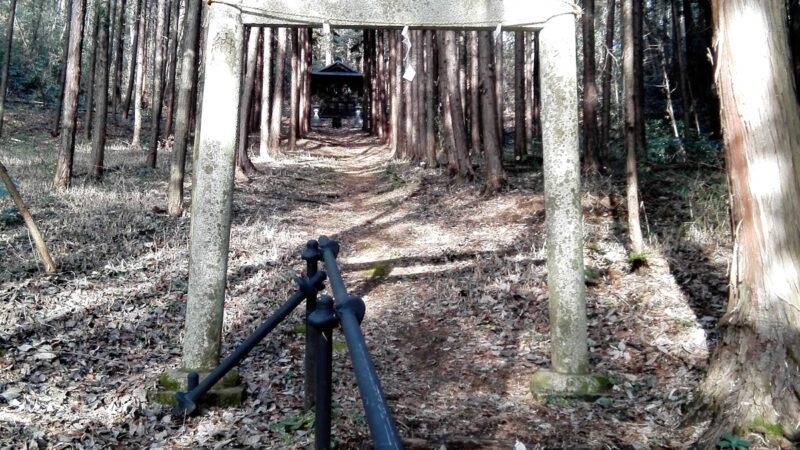
The most distinctive feature of Kusabana Shrine is the long stone staircase that leads straight from the former Hananooka settlement. These steps, constructed during the shrine’s reconstruction in 1874 (Meiji 7), play a vital role in guiding worshippers from the secular world to the sacred realm. Climbing the steps allows you to appreciate the surrounding nature and experience a tranquil time rarely found in the city.
Shrine Building
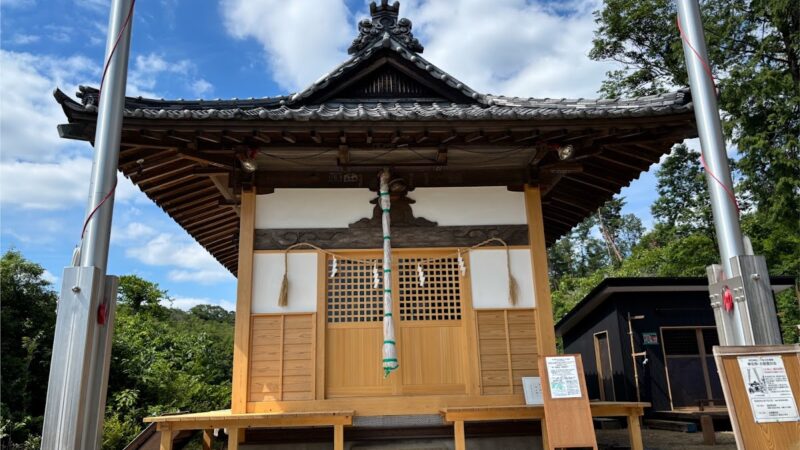
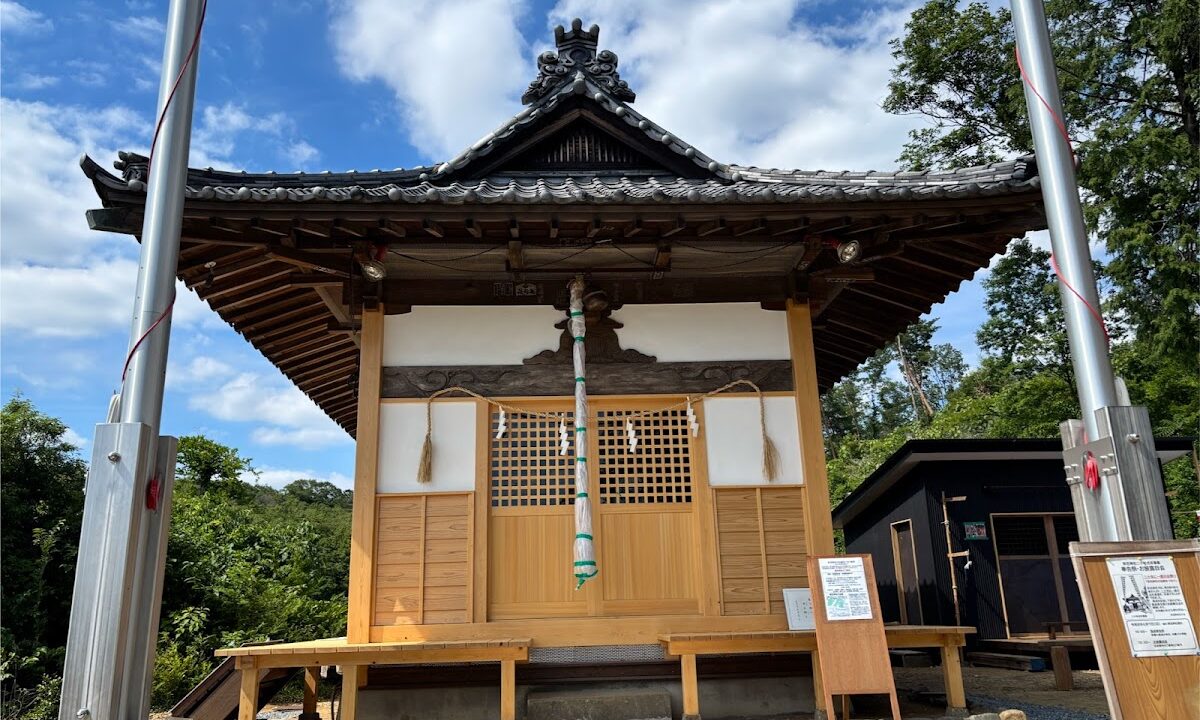
The current shrine building was rebuilt in 1874 (Meiji 7) and boasts a simple yet dignified design. Although small in scale, it is meticulously maintained, reflecting the deep faith of the local people.
View from the Shrine Grounds
Located on the slopes of Mt. Osumi, the shrine grounds offer views of Akiruno City and the Tama River. Especially on clear days, this spot offers breathtaking views stretching to distant mountains.
Surrounding Natural Environment
Kusabana Shrine is located on Mt. Osumi (elevation 192m), part of the Kusabana Hills. This hilly area, connecting Mt. Osumi and Mt. Asama, is a region of approximately 200m elevation and retains abundant natural beauty. The shrine grounds and surrounding area offer opportunities to observe seasonal plants and wild birds, making it a popular spot for nature lovers.
Manners and Etiquette for Visiting a Shrine
Basic Etiquette for Visiting a Shrine
- Bow before passing through the torii gate: This is a courtesy before entering the sacred area.
- Walk along the edge of the path: The center is considered the path of the gods.
- Purify yourself at the water basin: Cleanse your mind and body before praying.
- Etiquette in front of the main hall: Two bows, two claps, and one bow is the basic procedure.
Regarding Photography
Photography is generally permitted on the shrine grounds, but please note the following:
- Refrain from taking photos inside the shrine buildings.
- Be considerate of the privacy of other visitors.
- Remember that this is a sacred place.
- When using a tripod, be considerate of others and avoid causing inconvenience.
Nearby Attractions and Tourist Spots
Hiking on Mt. Osumi
Starting from Kusabana Shrine, you can enjoy hiking to Mt. Osumi (192m above sea level). Although the elevation is low, it offers great views and is a popular, easy hiking course. It takes about 15-20 minutes to reach the summit from Kusabana Shrine.
Nature Walk in Kusabana Hills
The Kusabana Hills, connecting Mt. Osumi and Mt. Asama, are ideal areas for nature walks. You can enjoy birdwatching and plant observation, and it’s a popular nature spot close to the city center, attracting many nature lovers.
Other Shrines and Temples in Akiruno City
Besides Kusabana Shrine, Akiruno City has many other shrines and temples:
- Daigyoji Temple: A temple located near Kusabana Shrine
- Inari Shrine: A shrine located on the slopes of Mt. Osumi
- Other historical shrines and temples scattered throughout the city
Around the Tama River
The Kusabana area is located on the west bank of the Tama River, offering opportunities for walks and cycling along the riverbank. It’s a rich natural environment where you can enjoy the scenery of each season.
Annual Events and Festivals
As a local village shrine, Kusabana Shrine holds various festivals throughout the year. For detailed dates, we recommend checking local information in advance.
Main Annual Events
- Annual Grand Festival: The most important festival held once a year
- Hatsumode: A visit to the shrine in the new year
- Setsubun Festival: A ceremony to pray for protection from evil and good fortune
Although small in scale, these are traditional events carefully preserved by the local residents.
How to Enjoy Visiting Kusabana Shrine
A Tranquil Worship Experience
The charm of Kusabana Shrine lies in its quiet worship environment, far removed from the hustle and bustle of the city. Because it is not a tourist destination, you can worship at your own pace and with peace of mind. Climbing the stone steps, feeling the nature around you, and quietly offering your prayers in the shrine grounds will be a precious experience that will free you from the stresses of everyday life.
Interacting with Nature
Taking advantage of its location on the slopes of Mt. Osumi, we also recommend enjoying a nature walk in conjunction with your visit to the shrine. Enjoy the seasonal plants, the chirping of wild birds, and the refreshing air—a connection with nature that you can’t experience in the city center.
Visiting for Health Promotion
Climbing the long stone steps to the shrine provides moderate exercise. Many local residents visit regularly as part of their health promotion efforts, using it as a place to maintain both physical and mental well-being.
As a Photography Spot
The views from the shrine grounds, the scenery of the stone steps, and the appearance of the shrine buildings are all attractive subjects for photography. The seasons of fresh greenery and autumn leaves offer particularly beautiful opportunities for taking pictures.
Cultural Value of Kusabana Shrine
Importance in Local History
Kusabana Shrine is an indispensable part of the history of the Kusabana district in Akiruno City. Its history, including the renaming from Jūniten-sha to Kusabana Shrine and its relocation from the plains to the mountains, directly reflects the Meiji-era policy of separating Shinto and Buddhism, making it a valuable example of Japan’s modernization process.
Role as a Village Shrine
Kusabana Shrine, which still functions as the village shrine for two settlements, plays an important role in maintaining the cohesion of the local community. In today’s increasingly urbanized world, the preservation of such a traditional place of local worship is of great cultural significance.
Preservation of the Natural Environment
Kusabana Shrine and the surrounding forest also play a role in preserving a valuable natural environment in the suburbs of an urban area. The forest, protected as a shrine forest, serves as a habitat for diverse organisms, contributing to the maintenance of biodiversity.
Attire and Items to Bring When Visiting the Shrine
Recommended Attire
- Comfortable Clothing: Since you’ll be climbing long stone steps, comfortable clothing is essential.
- Comfortable Shoes: Sneakers or trekking shoes are recommended.
- Seasonal Weather Protection: A hat and water in summer, warm clothing in winter.
- Rain Gear: A folding umbrella or rainwear is recommended during periods of unpredictable weather.
Useful Items to Bring
- Drinking water (especially in summer)
- Towel (for wiping sweat)
- Camera (for taking photos)
- Insect repellent spray (in summer)
- Basic first-aid kit
The Four Seasons of Kusabana Shrine
Spring (March-May)
With the arrival of fresh greenery, the trees around the shrine grounds begin to bud. The chirping of wild birds becomes more active, creating a vibrant and life-filled shrine visit experience. During cherry blossom season, you can also enjoy the cherry blossoms in the surrounding area.
Summer (June-August)
The shrine grounds, enveloped in lush greenery, exude a cool and refreshing atmosphere. While climbing the stone steps requires precautions against the heat, the shade of the trees offers a relatively cool respite from the city’s heat.
Autumn (September-November)
During the autumn foliage season, the trees surrounding the shrine grounds change color, creating a beautiful landscape. The air is clearer, offering excellent views, making it an ideal season for photography.
Winter (December-February)
The fallen leaves improve visibility, revealing a different face. The shrine is bustling with many visitors during the New Year’s pilgrimage season. Care must be taken to protect against the cold and ensure safe footing.
Information on Kusabana Shrine’s Goshuin (Shrine Seal)
Regarding Kusabana Shrine’s Goshuin, since there is no permanent shrine office, prior confirmation is necessary. Those wishing to obtain a Goshuin should refer to information on other shrines and local areas within Akiruno City.
Precautions When Visiting the Shrine
Safety Precautions
- The stone steps can be slippery, so watch your step.
- Be especially careful in rainy or snowy weather.
- Do not force yourself to visit if you are feeling unwell.
- Carry your mobile phone if visiting alone.
Manners
- Maintain a quiet environment (refrain from loud conversations).
- Always take your trash with you.
- Limit eating and drinking on the shrine grounds.
- Be mindful that this is also a living space for local residents.
Other Precautions
- There may not be a resident Shinto priest.
- Use nearby public restrooms.
- Bring your own drinks as there may not be vending machines nearby.
Summary: The Charm of Kusabana Shrine
Kusabana Shrine is a historic shrine quietly nestled on the slopes of Mt. Osumi in Akiruno City, Tokyo. Originally renamed from the Twelve Heavenly Deities Shrine, and relocated to its current location during the Meiji era, Kusabana Shrine is beloved by the local community and enshrines Izanagi-no-Okami and Izanami-no-Okami.
Located a 20-30 minute walk from the nearest station, and reached by climbing a long flight of stone steps, the shrine grounds offer a tranquil space that makes you forget the hustle and bustle of the city. Visitors can also enjoy hiking in the Osumiyama Mountains or exploring the nature of the Kusabana Hills in conjunction with their visit, making it a place to refresh both mind and body.
Although small in scale, Kusabana Shrine is carefully preserved as a local village shrine. Its simple and quiet atmosphere evokes the “original form of a shrine” that modern people are in danger of forgetting. Why not visit Kusabana Shrine, surrounded by abundant nature despite being in Tokyo?
Frequently Asked Questions (FAQ)
Q1: Is there parking at Kusabana Shrine?
Kusabana Shrine does not have its own parking lot. If you are visiting by car, we recommend using nearby coin-operated parking lots or public transportation. Also, since you will need to climb stone steps to reach the shrine grounds, please wear comfortable shoes.
Q2: Can I get a Goshuin (shrine stamp)?
Kusabana Shrine is a small shrine, and there may not be a permanent shrine office. If you wish to receive a Goshuin, we recommend checking information about other shrines in Akiruno City and the local area beforehand. Taking photos as a record of your visit is also a good idea.
Q3: How long does it take to visit the shrine?
Including walking time from the nearest station, you should allow about 1 hour 30 minutes to 2 hours round trip. The time spent visiting the shrine grounds is about 15 to 30 minutes, but if you want to enjoy nature at a leisurely pace or include a hike up Mt. Osumi, we recommend allocating more time.
Q4: Are the stone steps easy for beginners to climb?
The stone steps at Kusabana Shrine are long, but if you climb slowly, no special climbing skills are required. However, for those with concerns about their legs or back, or those with health concerns, it’s important to climb at your own pace without overexerting yourself. We recommend taking breaks and enjoying the scenery as you climb.
Q5: Which season is best to visit?
Kusabana Shrine has different charms in each of the four seasons. You can enjoy it in any season: the beautiful fresh greenery of spring, the cool summer, the vibrant autumn foliage, and the clear winter skies. For first-time visitors, we recommend spring (April-May) or autumn (October-November), when the weather is mild and the nature is beautiful.
Q6: What are the divine virtues of the deities enshrined at Kusabana Shrine?
Izanagi-no-Okami and Izanami-no-Okami, enshrined at Kusabana Shrine, are a married couple known from the myth of the creation of Japan and the birth of the gods. Their main divine virtues include matchmaking, marital harmony, family safety, protection from evil, safe childbirth, child-rearing, and good fortune. They are worshipped as deities who can provide support in various aspects of life. ### Q7: Are there any places to eat nearby?
The area around Kusabana Shrine is a residential area, and there aren’t many restaurants near the shrine grounds. We recommend eating near the nearest station or in Akiruno city center. If you’d like to enjoy a leisurely meal after visiting the shrine, it’s a good idea to research nearby restaurants in advance.
Q8: Can I visit Kusabana Shrine in conjunction with a hike up Mt. Osumi?
Yes, you can. Kusabana Shrine is located on the slopes of Mt. Osumi (192m above sea level), and it’s a popular hiking course for those who want to climb to the summit after visiting the shrine. It takes about 15-20 minutes from Kusabana Shrine to the summit. The view from the summit is also wonderful, so if you have time, we highly recommend visiting both.