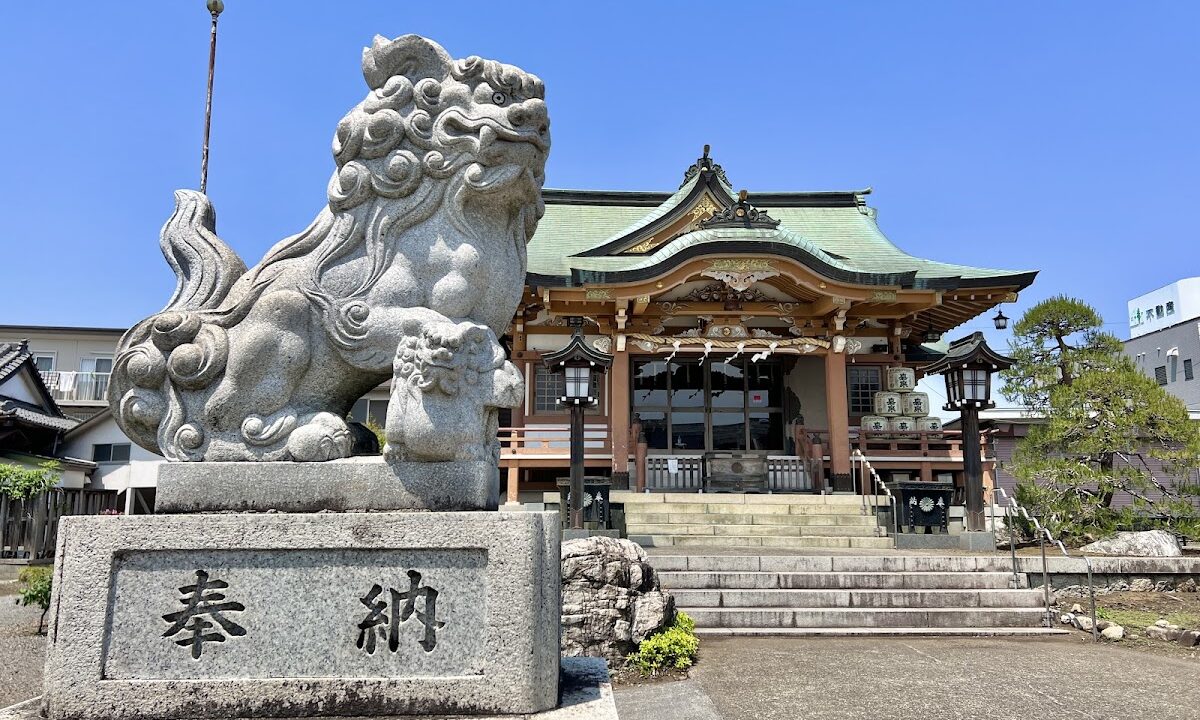
Complete Guide to Fussa Shinmei Shrine (Fussa City, Tokyo) | History, Deities, Goshuin (Shrine Seal), and Access Information
Fussa Shinmei Shrine, located in Fussa, Fussa City, Tokyo, is a historic shrine founded during the Meiji era by merging deities that had been worshipped in various parts of Fussa Village. It is revered as the local guardian deity and attracts worshippers related to flood control, industry, and daily life. This article provides detailed information useful for visitors, including the history of Fussa Shinmei Shrine, its enshrined deities, highlights of the grounds, goshuin information, and access methods.
Basic Information on Fussa Shinmei Shrine
Shrine Name: Fussa Shinmei Shrine
Location: 1081-1 Fussa, Fussa City, Tokyo
Postal Code: 197-0011
Phone Number: 042-551-4899
Former Shrine Rank: Village Shrine
Main Deity: Amaterasu Omikami and 6 other deities
Founded: Meiji 7 (1874)
Nearest Station: JR Ome Line “Fussa Station” (approx. 7-10 minute walk), JR Ome Line, Hachiko Line, Seibu Haijima Line “Haijima Station”
Fussa Shinmei Shrine is located in the heart of Fussa City and plays an important role as a center of faith for local residents. The shrine grounds are spacious, and it is characterized by its magnificent shrine buildings and tranquil atmosphere.
History and Origins of Fussa Shinmei Shrine
Founded through “Kamiyose” (Consolidation of Deities) in the Meiji Era
The founding of Fussa Shinmei Shrine dates back to 1874 (Meiji 7). This was a result of “Kamiyose,” a policy implemented as part of the shrine reorganization after the Meiji Restoration. The individual guardian shrines that had been worshipped in each hamlet (settlement) within Fussa Village were consolidated into one location, creating a village shrine for the entire village.
Enshrined Shrines and Deities
The following seven shrines were merged into Fussa Shinmei Shrine:
- Shinmei Shrine – Dedicated to Amaterasu Omikami
- Ryōtai Myōjin Shrine – Dedicated to Izanagi-no-Mikoto and Izanami-no-Mikoto
- Tenjin Shrine – Dedicated to Sugawara no Michizane
- Sekigami Myōjin Shrine – Dedicated to Nezuhanome-no-Kami
- Inari Shrine – Dedicated to Toyoukehime-no-Kami
- Kumano Sannō Inari Sansha Gōden – Dedicated to Ōyamakuchi-no-Kami
- Yakumo Shrine – Dedicated to Susanoo-no-Mikoto (according to some sources)
These shrines enshrined deities that were worshipped in their respective regions, and through the merger, they were integrated as guardian deities for the entire Fussa area.
Changes to the Present Day
Since its founding in the Meiji era, Fussa Shinmei Shrine has grown alongside the development of the region. The current shrine building was constructed in 1972 (Showa 47) and possesses a modern yet majestic appearance. Even amidst the urbanization that progressed after the war, it has continued to play an important role as a spiritual center for the community.
Deities and Divine Virtues of Fussa Shinmei Shrine
Seven deities are enshrined at Fussa Shinmei Shrine, each possessing different divine virtues.
Amaterasu Omikami
The supreme deity in Japanese mythology, known as the goddess of the sun. She is the ancestral deity of the Imperial family and bestows divine virtues such as national peace and security, good fortune, and protection from evil. She is the central figure as the principal deity of Shinmei Shrine.
Izanagi-no-Kami and Izanami-no-Kami
The creator gods who gave birth to the land of Japan and many other gods. This deity is believed to bestow blessings such as marital harmony, matchmaking, fertility, and safe childbirth, and is worshipped by those seeking family harmony.
Netsuhanome-no-kami
Known as the god of flood control and irrigation, this deity offers protection from floods and blessings related to agricultural prosperity. This is an important deity in Fussa, near the Tama River system.
Toyoukehime-no-kami
The principal deity of the Outer Shrine of Ise Grand Shrine, this deity presides over food and grains. This deity offers blessings for abundant harvests, business prosperity, and industrial development.
Oyamakui-no-kami
Worshipped as the god of mountains, this deity offers blessings for the protection of forests and land safety.
Sugawara no Michizane
This Tenjin deity is worshipped nationwide as the god of learning. This shrine is known for its divine blessings related to academic success, passing exams, and improvement in literary arts, and is frequently visited by students and those preparing for exams.
Overall Divine Blessings
Taking all these deities into one, Fussa Shinmei Shrine is a shrine with divine blessings covering flood control, industry, and all aspects of daily life, playing a role in protecting the lives of the local residents. It can be said to be a shrine that can accommodate a wide range of wishes, including good fortune, family safety, business prosperity, and academic success.
Highlights of the Shrine Grounds
Shrine Building
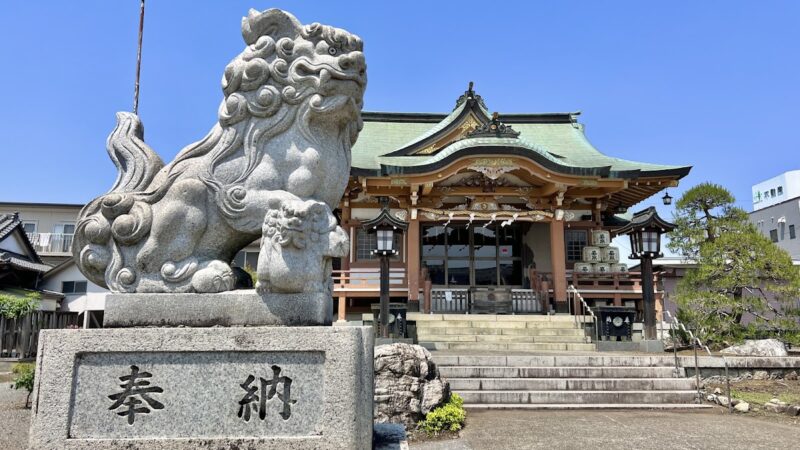
The current shrine building, constructed in 1972, is a modern reinforced concrete structure, yet it incorporates traditional shrine architectural styles, giving it a majestic appearance. The worship hall is spacious and can accommodate many visitors.
Torii Gate and Approach
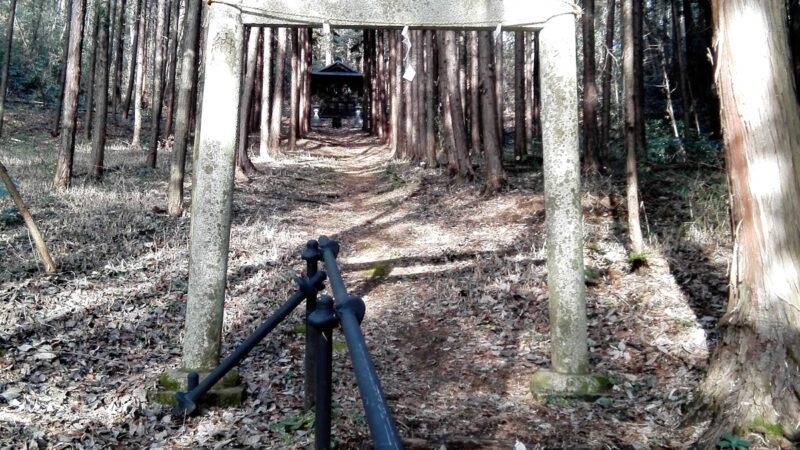
Passing through the torii gate leading from the Shin-Okutama Road to the shrine grounds, a quiet approach continues. Despite being located in an urban area, entering the shrine grounds reveals a tranquil serene atmosphere, allowing for a peaceful and calming visit.
Size and Atmosphere of the Grounds
The grounds of Fussa Shinmei Shrine are relatively spacious, providing ample room for relaxation. Trees surround the shrine buildings, allowing visitors to experience the beauty of nature throughout the seasons. The grounds exude the dignity of a local guardian shrine.
Parking
Parking is available after passing through the torii gate from the Shin-Okutama Road into the shrine grounds. While it is possible to visit by car, space is limited, so using public transportation is recommended during busy periods such as New Year’s.
Goshuin (Shrine Seal) Information
Goshuin are available at Fussa Shinmei Shrine. Goshuin are popular among visitors as proof of their visit and as a memento of their trip.
Regarding the Issuance of Goshuin (Shrine Seals)
- Location of Issuance: Shrine Office
- Hours of Issuance: During visiting hours (Please inquire with the shrine for details)
- Donation Fee: Similar to other shrines (approximately 300-500 yen)
When receiving a Goshuin, it is recommended to bring your Goshuincho (stamp book). Also, please remember to express your gratitude to the shrine staff and make your request politely.
Etiquette for Collecting Goshuin
Goshuin are not merely stamps; they are proof of your visit. Always offer your prayers before receiving a Goshuin. Also, the shrine office may be unattended, so it is recommended to call ahead to confirm.
Access Methods
Access by Train
From JR Ome Line “Fussa Station”
- Approximately 7-10 minutes on foot
- Exit the west exit of Fussa Station and head towards Shin-Okutama Kaido.
- This is the most convenient access method.
From JR Ome Line, Hachiko Line, and Seibu Haijima Line “Haijima Station”
- Approximately 15-20 minutes on foot
- Multiple lines are available, offering more access options.
Access by Car
Location: 1081-1 Fussa, Fussa City, Tokyo
From Major Roads
- Located along Shin-Okutama Kaido.
- Look for the torii gate.
- Search for “Fussa Shinmei Shrine” or the address using your car navigation system or smartphone map app.
Parking
- Parking is available on the shrine grounds.
- Enter the shrine grounds by passing through the torii gate from Shin-Okutama Kaido.
- Space is limited, so consider using nearby paid parking lots during busy times.
Landmarks in the surrounding area
Located in the heart of Fussa City, it’s within walking distance from Fussa Station, passing through a residential area. The location is relatively easy to find, as there’s a torii gate along the Shin-Okutama Road.
Manners and Etiquette for Visiting a Shrine
Basic Shrine Visit Etiquette
- Bow Before Passing Through the Torii Gate
- As a sign of respect before entering the sacred area, bow before the torii gate.
- Purify Your Body and Mind at the Water Basin
- Purify your left hand, then your right hand, and rinse your mouth with water in your left hand.
- Finally, purify your left hand again.
- Walking Along the Path
- The center of the path is considered the path of the gods, so walk along the edges.
- Worship at the Main Hall
- The basic procedure is two bows, two claps, and one bow.
- Quietly place your offering in the offering box, and ring the bell if there is one.
- Bow deeply twice, clap twice, and silently recite your wish.
- Finally, bow deeply once.
- When Leaving
- After leaving the torii gate, turn around and bow.
Attire for Visiting the Shrine
While there are no strict dress code requirements, it is desirable to dress appropriately for a sacred place. For New Year’s visits or when receiving prayers, somewhat formal attire is recommended.
Annual Events and Festivals
Fussa Shinmei Shrine holds various festivals and events throughout the year.
Main Annual Events
Hatsumode (First Shrine Visit of the New Year) (January 1st-3rd)
- The shrine is bustling with worshippers praying for happiness in the new year.
- An important event attended by many local residents.
Setsubun Festival (Around February 3rd)
- Events such as bean-throwing may be held.
Reitaisai (Grand Festival)
- The shrine’s most important festival.
- Prayers are offered for the development of the region and the safety of the parishioners.
Other Festivals
- Shichi-Go-San (November)
- Summer Purification Ceremony (End of June)
- Year-End Purification Ceremony (End of December)
For detailed dates and information, we recommend contacting the shrine directly or checking the information provided by Fussa City.
Nearby Tourist Attractions and Shrines/Temples
Highlights in Fussa City
Around Fussa Station
- A townscape with an American atmosphere, close to the U.S. Yokota Air Base.
- A variety of unique restaurants and shops are scattered throughout the area.
Tamagawa Aqueduct
- A historical aqueduct built during the Edo period.
- Developed as a walking path, allowing visitors to enjoy nature.
Fussa City Local History Museum
- A facility where you can learn about the history and culture of Fussa.
Nearby Shrines and Temples
Fussa City and the surrounding area have many other historical shrines and temples. Those who enjoy visiting shrines are encouraged to visit several.
Kumagawa Shrine
- Another major shrine in Fussa City
Haijima Daishi
- A famous temple in the neighboring city of Akishima
Aso Shrine
- An ancient shrine in Hamura City
The Charm and Characteristics of Fussa Shinmei Shrine
A Local Guardian Deity
The greatest charm of Fussa Shinmei Shrine lies in its history and tradition, having been cherished by residents as the local guardian deity for many years. Its origins, stemming from the Meiji-era merger of multiple shrines, tell the very story of the region’s history.
Diverse Divine Virtues
With seven deities enshrined, it boasts a wide range of divine virtues, including flood control, industry, academics, and matchmaking. As a shrine that can fulfill various wishes, it attracts a broad range of worshippers.
Tranquility in an Urban Area
Despite its location in the heart of Fussa City, a quiet and peaceful atmosphere unfolds upon entering the shrine grounds. It is a precious space where one can escape the hustle and bustle of everyday life and find peace of mind.
Easy Access
The convenient location, within walking distance of Fussa Station, is a major advantage for easy visits. It’s also accessible by car, making it convenient for visitors from further away.
Important Points and Useful Information for Visitors
Visiting Hours
While entry to the shrine grounds is generally free, the shrine office may have limited opening hours. Those wishing to obtain a Goshuin (shrine stamp) or amulet are advised to check by phone in advance.
Busy Seasons
The shrine is expected to be crowded during New Year’s (January 1st-3rd), the annual festival, and the Shichi-Go-San season (November). For those who wish to visit at a leisurely pace, weekdays or early mornings are recommended.
Photography
Photography is generally permitted on the shrine grounds, but please be considerate of other visitors. For photography inside the shrine buildings or during festivals, please follow the shrine’s instructions.
Accessibility Information
It is recommended to inquire with the shrine in advance regarding the accessibility of the grounds. Those wishing to visit in a wheelchair should familiarize themselves with the route from the parking lot to the shrine.
History of Fussa City and the Role of Fussa Shinmei Shrine
Origin of the Place Name Fussa
The place name Fussa is said to have an auspicious meaning, “land where good fortune is born.” It has long developed as an agricultural area blessed by the Tama River.
Shrine Reorganization in the Meiji Era
Due to the Meiji era’s shrine reorganization policy, small shrines were consolidated throughout Japan. Fussa Shinmei Shrine was established within this trend and became the spiritual center of Fussa Village (at the time).
Modern Fussa City and Shrines
Present-day Fussa City is known as a city with a unique culture influenced by the U.S. Yokota Air Base. Within this context, Fussa Shinmei Shrine plays an important role in preserving traditional Japanese culture and regional identity.
Summary: Key Points for Visiting Fussa Shinmei Shrine
Fussa Shinmei Shrine is a historic shrine founded in 1874 (Meiji 7), dedicated to seven deities and serving as the local guardian shrine. It is revered by local residents for its diverse divine blessings, including those related to flood control, industry, and scholarship.
Key Points for Visiting:
- Convenient access, approximately 7-10 minutes on foot from Fussa Station on the JR Ome Line
- Parking available on the shrine grounds (limited space)
- Goshuin (shrine stamp) available (at the shrine office)
- Diverse divine blessings from the seven deities
- Quiet and peaceful atmosphere of the shrine grounds
When visiting Fussa, be sure to stop by Fussa Shinmei Shrine and experience the region’s history and traditions through your visit. A heartfelt visit will surely bring you good fortune.
Contact Information:
Fussa Shinmei Shrine
1081-1 Fussa, Fussa City, Tokyo 197-0011
Phone: 042-551-4899
*For details regarding visiting hours and festivals, please contact the shrine directly. The latest information can also be found on Fussa City’s official website and the shrine’s website.