Complete Guide to Komyo Shrine (Akiruno City, Tokyo) | Deities, History, Access, and Goshuin Information
Komyo Shrine, nestled quietly in the mountains of Akiruno City, Tokyo, is a shrine rich in nature, surrounded by lush greenery and clear streams. Historically, it was once located on the summit of Mt. Komyo, and although the shrine building is relatively new, having been moved to its current location in 1991, it has long been a place of worship for the local people. This article provides detailed information useful for visitors, including the deities enshrined at Komyo Shrine, its history, access methods, goshuin information, and nearby attractions.
Basic Information on Komyo Shrine
Komyo Shrine is located in Otsu, Akiruno City, in the Nishitama region of Tokyo, and belongs to the Tokyo Metropolitan Shrine Association. It is accessible from Musashi-Itsukaichi Station and is characterized by its tranquil environment surrounded by nature.
Location: 2123 Otsu, Akiruno City, Tokyo 190-0174
Nearest Station: Musashi-Itsukaichi Station, JR Itsukaichi Line
Jurisdiction: Tokyo Metropolitan Shrine Association, Nishitama Branch
Shrine Rank: Former Village Shrine
Deities and Benefits
Three deities are enshrined at Takamyo Shrine.
Main Deity
Amenominakanushi-no-Mikoto
Amenominakanushi-no-Mikoto, considered the first god to appear in Japanese mythology, is the supreme god who governs the center of the universe. He is one of the three creation gods who first appeared in Takamagahara in the Kojiki, and is revered as a symbol of the origin of all things and the center of the universe.
Izanagi-no-Mikoto
A male deity known from the creation myth, he is the creator god who gave birth to the Japanese archipelago and many other gods. Known as the deity who originated the purification ritual, this shrine offers divine protection against misfortune and purification.
Izanami-no-Mikoto
A goddess who, along with Izanagi-no-Mikoto, created the land of Japan. She is believed to offer divine protection for the birth of life, matchmaking, and safe childbirth.
Expected Benefits
- Good Fortune and Prosperity: Increased luck through the cosmic power of Amenominakanushi-no-Mikoto
- Protection from Misfortune and Purification: The divine virtue of purification rituals by Izanagi-no-Mikoto
- Matchmaking and Safe Childbirth: The life-creating power of Izanami-no-Mikoto
- Family Safety: Protection of the region as a local guardian deity
- Fulfillment of Wishes: Comprehensive protection from the three deities
History and Origins of Takamyo Shrine
The history of Takamyo Shrine is deeply intertwined with Mount Komyo, from which its name originates.
Relocation from the Summit of Mt. Komyo
Previously, Komyo Shrine was located on the summit of Mt. Komyo. Visiting the summit required climbing a steep mountain path, which was a considerable effort for parishioners and visitors. It was especially difficult for the elderly and those with disabilities.
Relocation in the Heisei Era
Considering the convenience of the parishioners, the shrine was relocated to its current location at 2123 Otsu in 1991 (Heisei 3). This relocation made Komyo Shrine a more accessible guardian deity for the parishioners, making daily visits easier.
Even now, more than 30 years after the relocation, the shrine building remains relatively new and clean, reflecting the careful maintenance by the local community.
Connection with the Community
As the guardian deity of the Otsu district, Komyo Shrine has played a spiritual role in the local community. Through annual events such as the Grand Festival, it plays a role in deepening community bonds.
Access Methods
Here are the main ways to access Takamyo Shrine.
Access by Train
From Musashi-Itsukaichi Station on the JR Itsukaichi Line
- Approximately 40 minutes on foot from the station (approximately 3.2 km)
- By bus: Get off at the “Otsu” bus stop on the Nishi-Tokyo Bus, then approximately 10 minutes on foot
- By taxi: Approximately 10 minutes
Musashi-Itsukaichi Station is accessible from Shinjuku Station in approximately 90 minutes by transferring between the Chuo Line and the Itsukaichi Line.
Access by Car
From the Chuo Expressway
- Approximately 40 minutes from Hachioji IC via National Route 411
- Approximately 25 minutes from Akiruno IC
Parking: There is parking space for visitors on the shrine grounds (please note that the number of spaces is limited, so be aware of potential congestion).
Landmarks in the Surrounding Area
Located in the naturally rich area of the Akigawa Valley, the surrounding area offers views of clear streams and mountains. Searching for “Takamyo Shrine, Akiruno City” on your car navigation system or smartphone map app will display the exact location.
Highlights of the Shrine Grounds
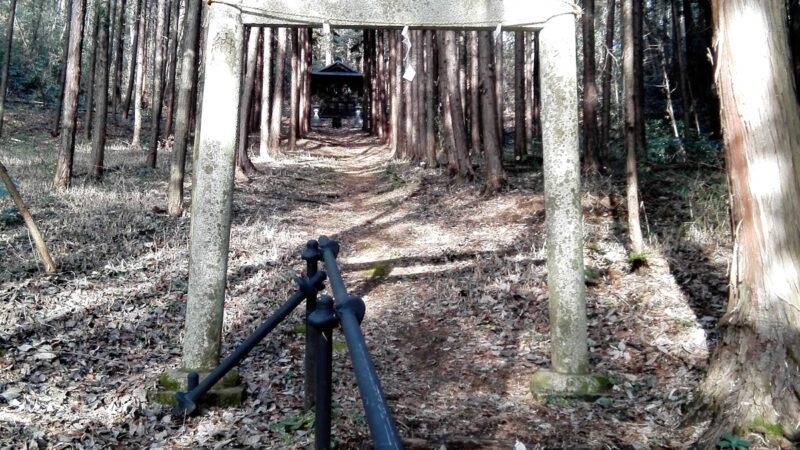
Takamyo Shrine’s grounds are characterized by a tranquil atmosphere in harmony with nature.
Shrine Building
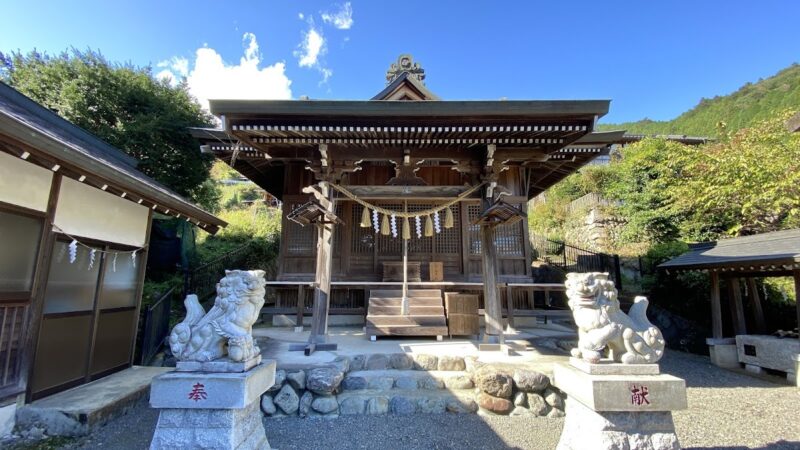
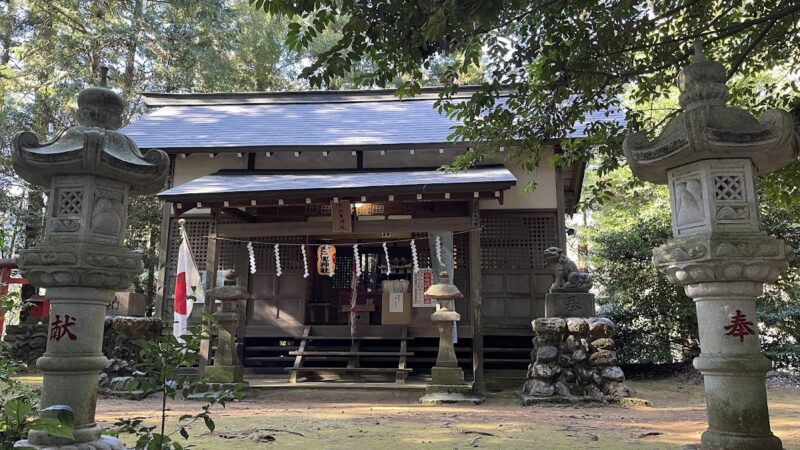
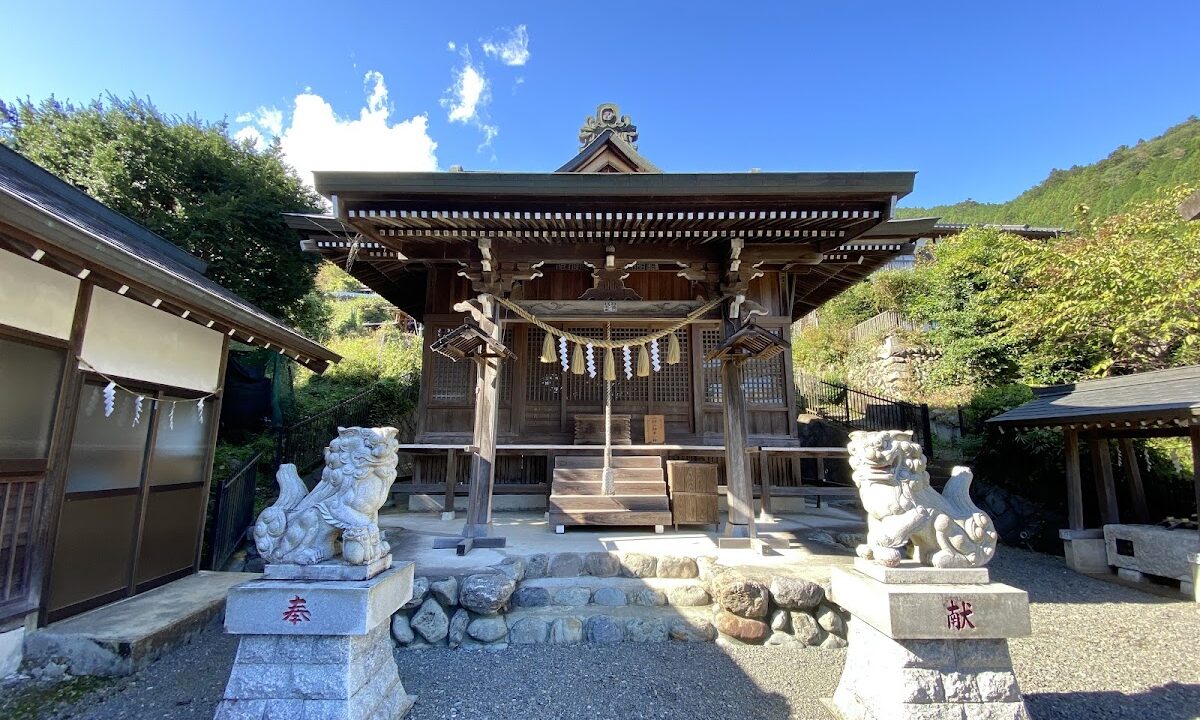
The relatively new shrine building, constructed in 1991, follows traditional shrine architectural styles while also considering modern ease of maintenance. The warm, wooden building harmonizes beautifully with the surrounding natural environment.
Natural Environment
The location, surrounded by lush greenery and a clear stream, is one of Takamyo Shrine’s greatest charms. Beautiful scenery can be enjoyed especially during the following seasons:
- Spring: A collaboration of fresh greenery and mountain cherry blossoms
- Summer: The coolness of lush greenery and a clear stream
- Autumn: The shrine grounds adorned with autumn leaves
- Winter: A sacred atmosphere enveloped in silence
Points to Note When Visiting
Although the shrine grounds are small, they are meticulously maintained, allowing for a peaceful and calming visit. This is a precious space where you can escape the hustle and bustle of the city and connect with the divine amidst nature.
Goshuin (Shrine Seal) Information
For those seeking information about the Goshuin at Takamyo Shrine.
Regarding the Issuance of Goshuin
Since Takamyo Shrine does not have a resident priest, prior confirmation is necessary regarding the issuance of Goshuin. Generally, smaller shrines may have the following arrangements:
- Issuance only on special days such as the annual festival
- Handled by priests from other shrines
- Pre-printed Goshuin available
If you wish to receive a Goshuin, we recommend contacting the Tokyo Metropolitan Shrine Association or a nearby shrine that also serves this shrine.
Manners for Receiving a Goshuin (Shrine Stamp)
- First, complete your prayers before receiving your Goshuin.
- Prepare a Goshuincho (stamp book) (avoid using notebooks or blank paper).
- Prepare the offering fee (generally 300-500 yen).
- Remember to express your gratitude to the Shinto priest.
Annual Events
At Takamyo Shrine, as the local guardian shrine, various festivals are held throughout the year.
Main Annual Events
Annual Grand Festival
As the most important festival in the region, it is held at a fixed time each year. Parishioners gather, and there may be portable shrine processions and offering ceremonies.
New Year’s Festival
On January 1st, New Year’s Day, a festival is held to pray for peace and prosperity in the new year.
Other Festivals
Seasonal festivals of gratitude and prayer, such as the Spring Festival and Autumn Festival, are held.
For specific dates, please check local bulletin boards, word of mouth, or inquire with the Tokyo Metropolitan Shrine Association.
Nearby Attractions and Tourist Spots
Here are some attractions around Akiruno City that you might want to visit in conjunction with your visit to Takamyo Shrine.
Akigawa Valley
Located near Takamyo Shrine, Akigawa Valley boasts abundant nature that feels far removed from Tokyo. Enjoy activities such as playing in the clear stream, barbecues, and hiking.
Otake Limestone Cave
This limestone cave, accessible by bus from Musashi-Itsukaichi Station, offers a chance to explore a mysterious underground world.
Hinohara Village
The neighboring Hinohara Village is dotted with natural scenic spots such as Haraizawa Falls and Kobe Rock.
Other Shrines and Temples in Akiruno City
- Akiru Shrine: An ancient shrine known as the guardian shrine of Akiruno City.
- Kōtoku-ji Temple: An ancient temple of the Kenchō-ji branch of the Rinzai school, famous for its large ginkgo tree designated as a natural monument of Tokyo.
Manners and Etiquette for Visiting Shrines
We will introduce basic manners for visiting shrines.
How to Walk on the Approach to the Shrine
The center of the approach to the shrine is considered the path of the gods, so it is polite for visitors to walk along the sides.
Proper Ritual for Washing Hands
- Take the ladle with your right hand and wash your left hand.
- Switch the ladle to your left hand and wash your right hand.
- Switch the ladle back to your right hand, receive water in your left hand, and rinse your mouth.
- Wash your left hand again.
- Stand the ladle upright, wash the handle, and return it to its original position.
Proper Ritual for Worshiping at the Shrine
- Bow slightly before the offering box.
- Gently place your offering in the box.
- Ring the bell if there is one.
- Bow twice, clap twice, and bow once (bowing deeply twice, clapping twice, bowing deeply once).
- Bow slightly when leaving.
Shrine Culture of Akiruno City
Akiruno City has long developed as an important area in the Tama region.
Regional Characteristics
Located at the confluence of the Akigawa and Hiraigawa rivers, Akiruno City, blessed with abundant water and greenery, has long been a thriving agricultural area. Therefore, there are many shrines dedicated to praying for abundant harvests and the peace and prosperity of the community.
Inheritance of Guardian Deity Worship
Like Takamyo Shrine, the culture of cherishing and worshipping the guardian deity of each village is still passed down today. Even in modern times of increasing urbanization, the fact that shrines function as the center of local communities is a characteristic of Akiruno City.
How to Enjoy Visiting Takamyo Shrine
Combine with Nature Walks
The greatest charm of Takamyo Shrine is its rich natural environment. Enjoy not only visiting the shrine but also exploring the surrounding area. Especially during the seasons of fresh greenery and autumn leaves, you can fully appreciate the beauty of nature.
Meditation in Silence
Because it is a small shrine with few visitors, you can calm your mind in a quiet environment. It is the perfect place to escape the hustle and bustle of everyday life and have time to reflect on yourself.
Photography Tips
The shrine buildings surrounded by nature and the scenery of the grounds that changes with the seasons are also suitable for photography. However, as a matter of courtesy, please be considerate of other visitors and avoid causing any inconvenience.
Visiting Nearby Shrines and Temples
A “shrine pilgrimage” visiting shrines and temples around Akiruno City, including Takamyo Shrine, is also popular.
Recommended Pilgrimage Route
- Akiru Shrine: The central shrine of Akiruno City
- Takamyo Shrine: Seeking tranquility and nature
- Kotoku-ji Temple: Finding peace of mind in a historic temple
By taking your time to visit these places over the course of a day, you can gain a deeper understanding of Akiruno City’s history and culture.
Precautions When Visiting
Clothing
Since the shrines are located in a mountainous area, comfortable shoes and clothing are recommended. Particular caution is needed during rainy weather, as the ground can become slippery.
Seasonal Precautions
- Summer: Prepare insect repellent spray and a hat.
- Winter: Take thorough precautions against the cold.
- Rainy Season: Prepare rain gear.
Environmental Protection
Please take all your trash with you and cherish the natural environment. Collecting wild plants and animals is strictly prohibited.
Takamyo Shrine and the Worship of Amenominakanushi-no-Mikoto
There are not many shrines nationwide that enshrine Amenominakanushi-no-Mikoto as their main deity.
The Worship of Amenominakanushi-no-Mikoto
From the late Edo period to the Meiji era, the worship of Amenominakanushi-no-Mikoto increased along with the development of National Learning (Kokugaku). As the primordial deity of the universe, he is believed to have the power to grant all wishes.
Relationship with Myoken Worship
Amenominakanushi-no-Mikoto is sometimes syncretized with Myoken Bodhisattva, the deification of the North Star, and is believed to offer protection against misfortune and bring good fortune.
Connections with the Community
Parishioner Organization
Takamyo Shrine is supported by the parishioners of the Otsu district. It is maintained through the service of local residents, including preparations for the annual festival and cleaning of the shrine grounds.
Collaboration with Local Events
The shrine also functions as a base for community activities such as local sports days and gatherings, demonstrating the significant role the shrine plays in the local community.
Frequently Asked Questions (FAQ)
Q1: Can I get a Goshuin (shrine stamp) at Takamyo Shrine?
A1: Since Takamyo Shrine does not have a resident priest, prior confirmation is necessary regarding the issuance of Goshuin. We recommend contacting the Tokyo Metropolitan Shrine Association or other shrines that serve the shrine, or visiting on special days such as the annual festival. Pre-printed Goshuin may also be available.
Q2: How do I get to Takamyo Shrine?
A2: The nearest station is Musashi-Itsukaichi Station on the JR Itsukaichi Line. It’s about a 40-minute walk from the station, or about a 10-minute walk after getting off at the “Otsu” bus stop, or about a 10-minute taxi ride. By car, you can access it via National Route 411 from the Hachioji IC or Akiruno IC on the Chuo Expressway. There is parking available on the shrine grounds.
Q3: What are the blessings of Takamyo Shrine?
A3: It is believed that the shrine offers blessings of good fortune and prosperity through the main deity, Amenominakanushi-no-Mikoto; protection from evil and purification through Izanagi-no-Mikoto; and matchmaking and safe childbirth through Izanami-no-Mikoto. It also offers blessings for family safety and the fulfillment of wishes as a local guardian deity.
Q4: When is the best time to visit?
A4: You can visit throughout the year, but the beautiful spring (April-May) with its fresh greenery and the autumn (November) with its vibrant foliage are especially recommended. During the annual festival, you can also enjoy interacting with the local community. In summer, the deep greenery and clear stream offer a refreshing atmosphere, while in winter, you can enjoy a sacred atmosphere enveloped in silence.
Q5: Please tell me about the history of Komyo Shrine.
A5: Komyo Shrine was once located on the summit of Mt. Komyo, but in 1991 (Heisei 3), it was moved to its current location for the convenience of the parishioners. Visiting the summit required considerable effort, so the relocation made it a more accessible local shrine for the residents.
Q6: Are there any other tourist spots nearby?
A6: There are many spots where you can experience nature and history, such as Akigawa Valley, Otake Limestone Cave, Haraizawa Falls, Akiru Shrine, and Kotoku-ji Temple. Spending a day exploring the area around Akiruno City will allow you to fully enjoy the charm of this region, often called Tokyo’s inner sanctuary.
Q7: Is there parking available?
A7: There is parking space for visitors on the shrine grounds, but the number of spaces is limited. On days when crowds are expected, such as during the annual festival, we recommend using public transportation.
Q8: Can I have a wedding ceremony or prayer at Takamyo Shrine?
A8: Since there is no resident Shinto priest, prior consultation is necessary for wedding ceremonies and special prayers. We recommend checking with the affiliated shrine or the Tokyo Metropolitan Shrine Association to see if a priest can be arranged.
Summary
Takamyo Shrine is a shrine nestled in the rich natural surroundings of Akiruno City, Tokyo, offering a sense of tranquility and sacredness. With a history of relocation from Komyo-zan, it is a venerable shrine enshrining three deities: Amenominakanushi-no-Mikoto, Izanagi-no-Mikoto, and Izanami-no-Mikoto.
It is especially recommended for those who want to escape the hustle and bustle of the city and find peace in an environment surrounded by lush greenery and clear streams, or for those who want to connect with the gods in nature. It is relatively easy to access from Musashi-Itsukaichi Station, and visiting it in conjunction with the Akigawa Valley and other nearby tourist spots will make for a fulfilling day.
Though small, Takamyo Shrine is cherished and well-cared for by the local community. Its simple and warm atmosphere is sure to soothe the hearts of those who visit. Why not pay a visit sometime?