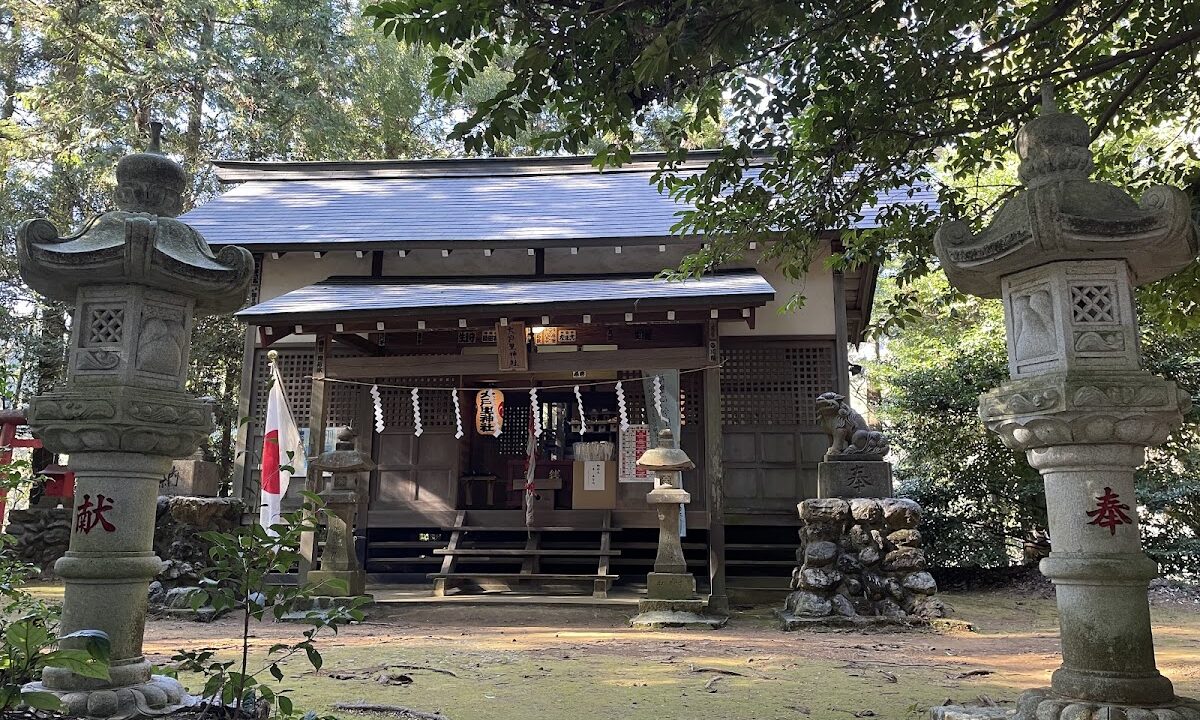
Complete Guide to Ootori Shrine (Akiruno City, Tokyo) | History, Deities, Access, and Highlights
Ootori Shrine, located in Otsu, Akiruno City, Tokyo, is a historic shrine that has been cherished by the local community for centuries. While its founding date is unknown, it had deep ties to Hojo Ujiteru, the lord of Hachioji Castle during the Sengoku period, and was closely connected to the local textile industry. This article provides a thorough explanation of everything you need to know before visiting Ootori Shrine, including its history, enshrined deities, highlights within the grounds, access methods, and nearby tourist attractions.
Basic Information about Ootori Shrine
Location: 294 Otsu, Akiruno City, Tokyo 190-0174
Deities Enshrined: Amenohiwashi-no-mikoto, Amenohohi-no-mikoto
Annual Festival Date: September 15th
Nearest Station: Musashi-Itsukaichi Station, JR Itsukaichi Line
Former Name: Washinomiya Daimyojin
Ootori Shrine is located in the naturally rich environment of Akiruno City and has a long history as a center of faith for the local residents. As a shrine belonging to the Tokyo Metropolitan Shrine Association, it still holds local festivals and annual events.
History and Origins of Ootori Shrine
Founding and Ancient Legends
The founding date of Ootori Shrine is unknown, but it has been called “Washinomiya Daimyojin” since ancient times. According to shrine tradition, the shrine was built in the 48th year of the reign of Emperor Mizugaki-no-Miya (believed to be Emperor Keikō, the 12th emperor), where the deity was enshrined, hemp was planted, and textiles were produced. This tradition is important evidence that this region has had a deep connection with the textile industry since ancient times.
Ame-no-Hiwashi-no-Mikoto is known as the god of weaving and spinning, and has been worshipped as an object of prayer for the industrial development of this region. The area around Akiruno City has long been a region where sericulture and weaving flourished, and Ōto-ri Shrine has played the role of its guardian deity.
Development and Merger in the Middle Ages
In 1392 (Meitoku 3), an important event occurred. In this year, Ame-no-Hohi-no-Mikoto was merged with the shrine, and the shrine building was renovated. Ame-no-Hohi-no-Mikoto is considered the ancestral deity of the Izumo no Kuni no Miyatsuko (provincial governor of Izumo Province) and is also worshipped as the god of land development and agriculture. By enshrining two deities, the shrine’s faith became more diverse, and its importance in the region increased.
The Sengoku Period and the Faith of Hojo Ujiteru
A noteworthy event in the history of Ootori Shrine occurred in Eiroku 5 (1562). In May of that year, Hojo Ujiteru, lord of Hachioji Castle, dedicated a stone lantern as a prayer. Hojo Ujiteru was a warlord of the Sengoku period and an important member of the Later Hojo clan, governing the Tama region from Hachioji Castle.
The fact that Hojo Ujiteru dedicated a stone lantern to Ootori Shrine indicates that the shrine was highly regarded by the local lord at the time. Warlords of the Sengoku period often prayed to shrines for victory in battle and for peace in their territories, and Ootori Shrine was one such object of worship.
Developments Since the Modern Era
Even after the Meiji era, Ootori Shrine continued to attract worshippers as the local tutelary deity. Even amidst the encroaching wave of modernization, it continues to function as a spiritual anchor for the local residents. Currently affiliated with the Tokyo Metropolitan Shrine Association, it plays a central role in the local community while preserving traditional festivals.
About the Deity
Amenohiwashi-no-Mikoto
Amenohiwashi-no-Mikoto is a deity appearing in Japanese mythology, widely worshipped as the god of weaving, spinning, and papermaking. According to the *Kogo Shūi*, when Amaterasu-Ōmikami hid in the Amano-Iwato cave, Amenohiwashi-no-Mikoto planted hemp and paper mulberry to make white offerings (shironigite).
This deity is believed to bestow the following blessings:
- Industrial Prosperity: Especially the development of the textile and weaving industries
- Business Success: As the god of industry, prosperity in all aspects of commerce
- Technological Improvement: Improvement and transmission of craftsmanship
- Prayer for a Bountiful Harvest: Abundant harvests of agricultural products such as hemp
Considering that the area around Akiruno City has long prospered from sericulture and weaving, it is quite natural to enshrine Amenohiwashi-no-Mikoto as the principal deity, and this can be said to be a form of worship that reflects the history and industry of the region.
Amenohohi-no-Mikoto
Amenohohi-no-Mikoto is a deity said to be a child of Amaterasu-Omikami and is known as the ancestral deity of the Izumo no Kuni no Miyatsuko (provincial governor of Izumo Province). Revered as a sincere and loyal deity, the following blessings are believed to be bestowed:
- National Peace and Security: Peace and stability of the land
- Agricultural Prosperity: Abundant harvests and agricultural development
- Family Safety: Health and peace of the family
- Protection from Misfortune: Protection from calamities
With the enshrinement of both the god of industry and the god of the land in 1392 (Meitoku 3), Ootori Shrine became a more comprehensive place of worship, enshrining both deities.
Highlights of the Shrine Grounds
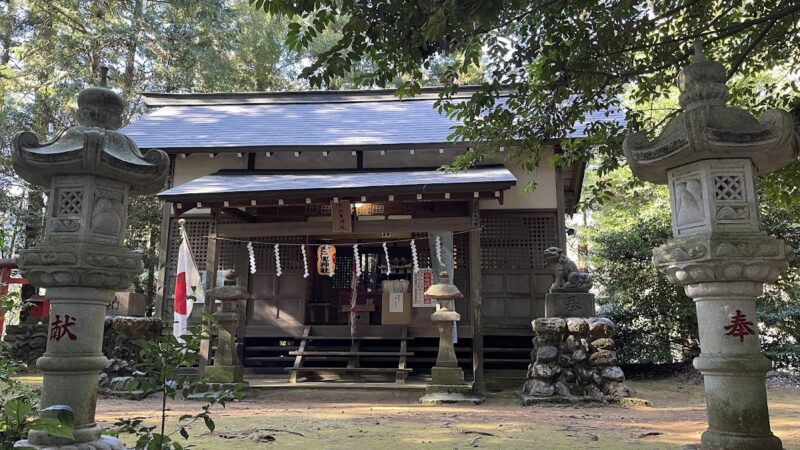
Stone Lantern Donated by Hojo Ujiteru
The stone lantern donated in 1562 (Eiroku 5) by Hojo Ujiteru, lord of Hachioji Castle, is one of the most important cultural assets of Ootori Shrine. With a history of over 460 years, this stone lantern is a valuable historical artifact that conveys the form of faith during the Sengoku period.
Hojo Ujiteru was a samurai who ruled the Tama region from his base at Hachioji Castle, and is known for his deep reverence for shrines and temples within his territory. This stone lantern is an important artifact that tells the story of the samurai’s faith and the importance of Ootori Shrine at the time.
Komainu (Guardian Dogs)
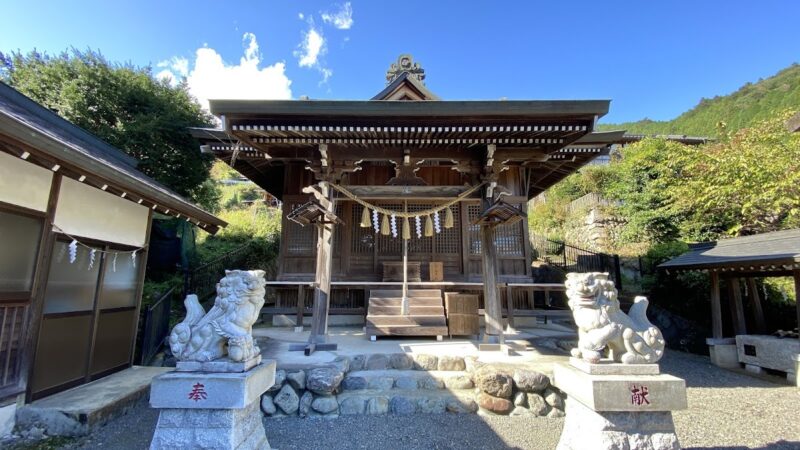
Ootori Shrine is home to komainu (guardian dogs) that were dedicated in September 1913 (Taisho 2). These komainu, with a history of over 100 years, are a valuable cultural asset that conveys the stonemasonry techniques of the Taisho era.
Komainu are placed along the approach to the shrine and in front of the main hall as guardian beasts of the shrine, playing a role in warding off evil spirits and protecting the sacred area. The komainu at Ootori Shrine exude a sense of history and reflect the faith of the local people.
Atmosphere of the Shrine and Grounds
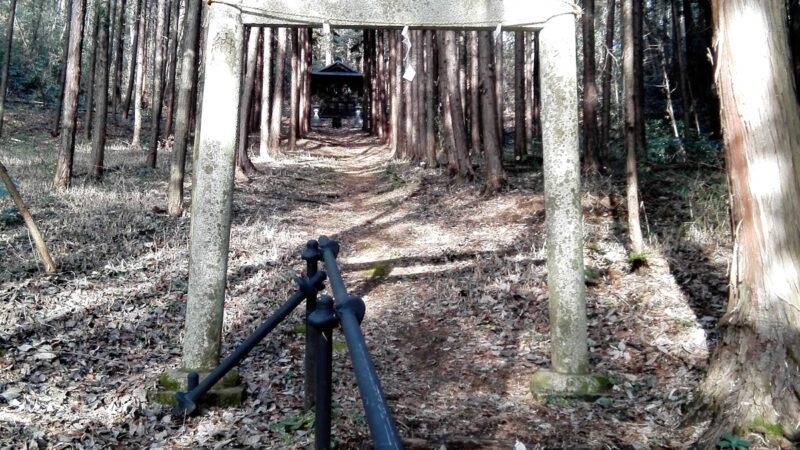
The grounds of Ootori Shrine are a tranquil space surrounded by the nature of Akiruno City. Located not far from the city center, yet surrounded by lush greenery, the shrine grounds offer visitors a sense of peace and tranquility.
The shrine buildings maintain the traditional architectural style of Shinto shrines and are carefully maintained by the local community. Visitors can pray in a peaceful environment, finding peace of mind.
Access Methods
Access by Train
Nearest Station: JR Itsukaichi Line “Musashi-Itsukaichi Station”
From Musashi-Itsukaichi Station, you can access Ootori Shrine in the following ways:
- By Bus: Take a Nishi-Tokyo Bus and get off at the “Ochiai-bashi” bus stop, then walk for about 2 minutes.
- Walking: Approximately 20-25 minutes on foot from Musashi-Itsukaichi Station.
To reach Musashi-Itsukaichi Station, transfer to the Itsukaichi Line at Tachikawa Station or Haijima Station on the JR Chuo Line. The journey from central Tokyo takes approximately 1 to 1.5 hours.
Access by Bus
Bus Service: Nishi-Tokyo Bus
Nearest Bus Stop: Ochiai-bashi (Akiruno City)
Travel Time from Bus Stop: Approximately 2 minutes on foot
You can reach the vicinity of the shrine by taking the Nishi-Tokyo Bus from Musashi-Itsukaichi Station. Since the number of buses is limited, it is recommended to check the timetable in advance.
Access by Car
Address: 294 Otsu, Akiruno City, Tokyo
If accessing by car, the nearest interchanges are Hachioji IC on the Chuo Expressway or Akiruno IC on the Ken-O Expressway. Please enter the address into your car navigation system.
Regarding parking, since parking spaces for visitors may be limited, it is recommended to consider using public transportation.
Manners and Points for Visiting a Shrine
Basic Worship Etiquette
The following steps are followed when visiting a shrine:
- Bow before passing through the torii gate: As a sign of respect before entering the sacred area.
- Purify yourself at the water basin: Purify your left hand, right hand, and mouth in that order.
- Walk along the edge of the path: The center is considered the path of the gods.
- Worship in front of the main hall: Follow the etiquette of two bows, two claps, and one bow.
- Bow again when leaving: Turn around and bow before leaving the torii gate.
Suitable Time to Visit
While Ootori Shrine is open for worship throughout the year, there are particularly recommended times:
- Annual Festival (September 15th): The annual grand festival is held.
- New Year’s Visit (January 1st-3rd): A visit for the New Year.
- Spring (March-May): The season of fresh greenery, a time when nature is beautiful.
- Autumn (October-November): The best time for autumn foliage and pleasant weather.
Photography Guidelines
Photography is generally permitted on the shrine grounds, but please observe the following:
- Observe any areas where photography is prohibited, such as inside the main hall.
- Be considerate of other visitors.
- Pay particular attention to photography etiquette during festivals and other special events.
- When posting on social media, be mindful of comments that respect the location and the atmosphere of the shrine.
Nearby Tourist Attractions
Seoto no Yu (Akigawa Valley Seoto no Yu)
This is a day-trip hot spring facility located relatively close to Ootori Shrine. Surrounded by the nature of the Akigawa Valley, it’s a perfect place to relax and unwind after your visit. Enjoy the seasonal scenery of the valley from the open-air bath.
Akigawa Valley
A representative natural scenic spot in Akiruno City, this beautiful valley is created by the clear stream of the Akigawa River. Hiking trails are also available, allowing you to enjoy nature walks. The area is especially bustling with tourists during the fresh green season and the autumn foliage season.
Itsukaichi Local History Museum
This local history museum allows visitors to learn about the history and culture of Akiruno City. It features exhibits on local history, folklore, and nature, helping to deepen understanding of the historical background of Ootori Shrine.
Kōtoku-ji Temple
This ancient temple of the Kenchō-ji branch of the Rinzai school is known for its giant kaya and ginkgo trees, designated as natural monuments of Tokyo. Visiting it in conjunction with Ootori Shrine allows visitors to enjoy a historical temple and shrine tour of the region.
Ootori Shrine and the Local Textile Culture
The fact that Ootori Shrine enshrines Amenohiwashi-no-Mikoto as its main deity indicates its deep connection to the textile industry of this region. The Tama region, including Akiruno City, has been a thriving area for sericulture and textiles since the Edo period.
The History of Textiles in the Tama Region
In the Tama region, textiles such as “Tama-ori” and “Murayama Oshima Tsumugi” were produced during the Edo period and supplied to the Edo market. There were many sericulture farms, and an integrated industry, from raw silk production to weaving, was formed.
Ootori Shrine served as a center of faith for those engaged in this textile industry, a place to pray for the prosperity of the industry and the improvement of technology. The faith in Amenohiwashi-no-Mikoto went beyond mere religious practice, playing a vital role in supporting the region’s industry and livelihoods.
Significance in Modern Times
Although the textile industry has declined in modern times, Ootori Shrine remains an important presence that conveys the region’s history and culture. By visiting the shrine, we can reflect on the region’s industrial history and the lives of its people.
Ootori Shrine ## Nearby Shrines and Temples
Besides Ootori Shrine, there are many other historical shrines and temples scattered around Akiruno City:
Ninomiya Shrine (Akiruno City)
A prestigious shrine known as the second-ranked shrine of Musashi Province, also called Ogawa Daimyojin.
Akiru Shrine
An ancient shrine from which Akiruno City derives its name, and a historically important shrine listed in the Engishiki (ancient Japanese legal code).
Daihiganji Temple
An ancient Shingon Buddhist temple famous for its white bush clover, where you can see beautiful bush clover flowers in autumn.
Visiting these temples and shrines allows you to experience Akiruno City’s rich history and culture more deeply.
Prayers and Blessings at Ootori Shrine
At Ootori Shrine, it is believed that you can receive various blessings through the divine virtues of the enshrined deity:
Industrial Prosperity and Business Success
Due to the divine virtues of Amenohiwashi-no-Mikoto, many people visit to pray for business development and prosperity. It is also suitable for prayers when starting a business or launching a new venture.
Skill Improvement and Artistic Enhancement
Ame-no-Hiwashi-no-Mikoto, the god of weaving, is believed to bring blessings for the improvement of craftsmanship and artistic skills. It attracts the faith of people engaged in traditional crafts and technical professions.
Family Safety and Protection from Misfortune
Through the divine virtues of Ame-no-Hohi-no-Mikoto, you can pray for the health and peace of your family and protection from disaster.
Abundant Harvest and Agricultural Prosperity
Both enshrined deities have deep connections to agriculture and industry, allowing you to pray for a bountiful harvest and the success of your business.
Summary: The Charm of Visiting Ootori Shrine
Located in Akiruno City, Tokyo, Ootori Shrine has a long history dating back to ancient times and is deeply connected to the local textile industry. During the Sengoku period, it attracted the faith of Hojo Ujiteru, the lord of Hachioji Castle, and it continues to be cherished by local people to this day.
Ootori Shrine, dedicated to the two deities Amenohiwashi-no-Mikoto and Amenohohi-no-Mikoto, is a valuable historical spot easily accessible from central Tokyo, offering a wide range of blessings from industrial prosperity to family safety.
The shrine grounds contain cultural artifacts that evoke a sense of history, such as a stone lantern donated by Hojo Ujiteru and guardian lion-dogs from the Taisho era. Visitors can find peace and tranquility in the serene environment surrounded by the natural beauty of the Akigawa Valley.
After your visit, you can enjoy a relaxing soak in the nearby Seoto-no-Yu hot springs or a nature walk in the Akigawa Valley, making for a fulfilling day. For those who want to experience the history and nature of Akiruno City, we highly recommend visiting Ootori Shrine.
Easily accessible by bus from Musashi-Itsukaichi Station, Ootori Shrine offers a rich blend of nature and history despite being within Tokyo. Why not pay a visit sometime?