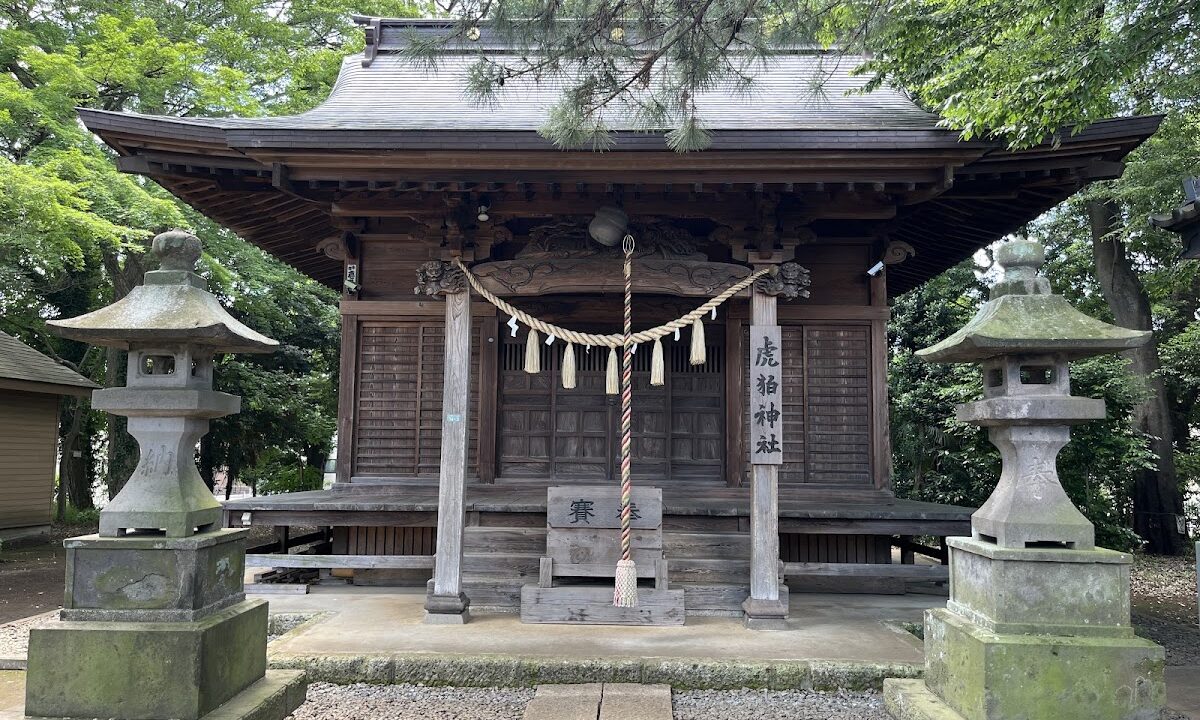
Kohaku Shrine (Chofu City, Tokyo) Complete Guide | History, Goshuin (Shrine Seal), and Access Information
Kohaku Shrine, located in Sasu-cho, Chofu City, Tokyo, is a historical shrine known in the vicinity of Jindaiji Temple. It has long been revered as a candidate for an Engishiki-listed shrine and has been cherished by the local people as the guardian shrine of the Sasu district. This article provides detailed information useful for visiting Kohaku Shrine, from its history to information on goshuin (shrine seals) and access methods.
Basic Information on Kohaku Shrine
Kohaku Shrine is located at 1-14-3 Sasu-cho, Chofu City, Tokyo. It is pronounced “Kohaku Jinja” and is affectionately known as “Kohaku-san” by locals. Its former shrine rank was Gosha (village shrine), and it has a long history as the guardian shrine of Sasu Village.
Deities Enshrined
The main deity enshrined at Torakoma Shrine is Ōtoshimioya-no-kami. Ōtoshimioya-no-kami is known as the god of grain and is believed to bring blessings of abundant harvests and family safety.
Ukanomitama-no-mikoto is enshrined as a co-deity. Ukanomitama-no-mikoto is a widely worshipped deity, known as Inari-sama, and is believed to bring blessings of business prosperity and industrial development.
Location and Access
Location
1-14-3 Sasucho, Chofu City, Tokyo 182-0016
Access from Nearest Station
- Approximately 15 minutes on foot from Keio Line “Fuda Station”
- Approximately 20 minutes on foot from the North Exit of Keio Line “Chofu Station”
- Approximately 15 minutes on foot from Keio Line “Kokuryo Station”
Access by Bus
Take the Keio Bus bound for “Chofu Station” from JR Chuo Line “Mitaka Station,” get off at the “Sasu” bus stop, and walk for approximately 5 minutes. It is also within walking distance from Jindaiji Temple, and many people visit it in conjunction with a visit to Jindaiji Temple.
History of Torakoma Shrine
Founding and Ancient History
Torakoma Shrine is said to have been founded in 589 (the 2nd year of Emperor Sushun’s reign). It is a shrine founded in the very old era of the late 6th century, and has a history of over 1400 years. From its inception, it has been revered as the guardian deity of the Sasu district.
Relationship with Jindaiji Temple
Torakoma Shrine has a deep connection with Jindaiji Temple. When Jindaiji Temple was founded by the monk Mankō during the Tenpyō era (729-749), Torakoma Shrine took on the role of guardian shrine for Jindaiji Temple. As a shrine protecting the grandparents of Jindaiji Temple, it symbolizes the era of syncretism of Shinto and Buddhism, where temples and shrines coexisted.
Even today, due to its geographical proximity to Jindaiji Temple, many people visit both shrines.
Status as a candidate for an Engishiki Shrine
The Engishiki Jinmyōchō, compiled in 927 (Enchō 5), lists “Kohaku Shrine” as one of the eight shrines in Tama District, Musashi Province. There is a theory that the character “柏” (kashiwa) is a misspelling of “狛” (koma), and Torakoma Shrine is considered a candidate for an Engishiki-listed shrine.
Engishiki-listed shrines were high-ranking shrines recognized by the imperial court during the Heian period, indicating that Torakoma Shrine was positioned as an important shrine from ancient times.
From the Edo Period to the Modern Era
During the Edo period, it was the guardian shrine of Sasu Village and the center of local faith. Construction and repairs of the shrine buildings were carried out during the Tenna era (1681-1684) and the Bunsei era (1818-1831), and the main hall built during the Bunsei era remains to this day.
Even after the Meiji-era separation of Shinto and Buddhism, it has maintained its roots as a local shrine and continues to this day.
Highlights of the Shrine Grounds
Main Hall and Worship Hall
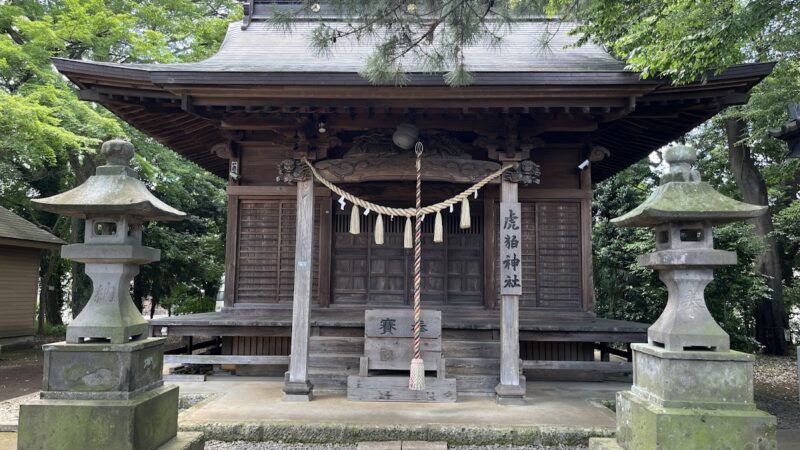
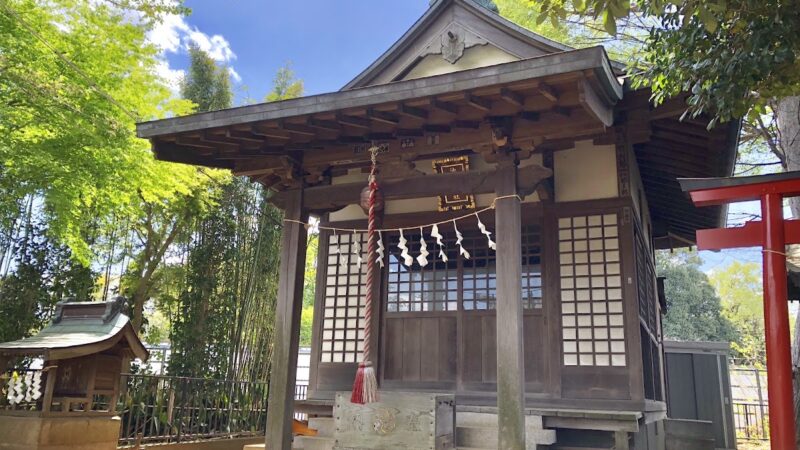
The main hall of Torakoma Shrine is a building constructed in the early 19th century during the Bunsei era, characterized by its simple yet dignified construction. As a valuable structure that preserves the style of shrine architecture from the late Edo period, it holds cultural value as a Chofu City cultural asset.
The worship hall is located in front of the main hall and is a place where worshippers offer their prayers. The shrine grounds have a quiet and peaceful atmosphere, providing a space to forget the hustle and bustle of the city.
Torii Gate and Approach
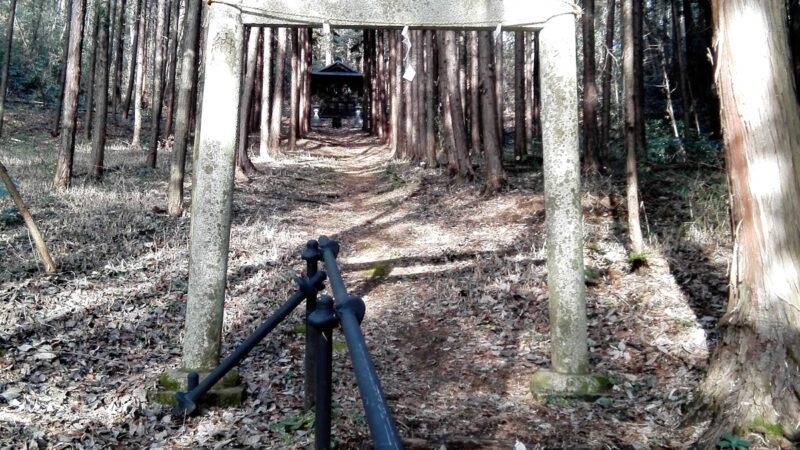
Upon entering the shrine grounds, visitors are first greeted by a torii gate. Passing through the torii gate and proceeding along the approach, lush green trees line both sides, allowing visitors to experience the changing seasons.
Former Japanese Black Pine
A giant Japanese black pine tree once stood on the grounds of Torakoma Shrine. This Japanese black pine was a giant tree designated as a natural monument of Tokyo, but it died in 1996. Although it can no longer be seen, it was a valuable natural heritage that remains in the memories of the local people.
Cultural Properties
Torakoma Shrine possesses valuable cultural properties that tell the history of Chofu City.
Main Hall (Built during the Bunsei Era)
The main hall, built during the Bunsei era (1818-1831), is a structure that retains the characteristics of late Edo period shrine architecture. With a history of nearly 200 years, this main hall holds significant cultural value as a cultural property of Chofu City. Despite its simple construction, it conveys the architectural techniques and forms of faith of that time.
Historical Documents
Torakoma Shrine preserves historical documents and ridgepole inscriptions that tell the history of the shrine. These are valuable historical materials for studying the history of the Sasu district and the shrine faith of Tama County in Musashi Province.
Goshuin (Shrine Seal) Information
Regarding the Issuance of Goshuin
Torakoma Shrine offers Goshuin. Goshuin are popular as proof of worship and as a way to forge a connection with the shrine.
Those wishing to receive a Goshuin should inquire at the shrine office after their visit. However, depending on the size of the shrine and the priest’s presence, they may not always be available, so it is recommended to check in advance.
Regarding Goshuincho (Shrine Seal Books)
Please inquire directly with the shrine regarding the availability of Torakoma Shrine’s original Goshuincho. Those with a standard Goshuincho can have their seal in it.
Annual Festivals and Events
Annual Festival
Torakoma Shrine’s annual festival is held on the first Sunday of October. The annual festival is the most important festival for the shrine, where gratitude for the past year is offered to the gods and prayers are offered for peace and prosperity in the region. Local parishioners and devotees gather, and traditional Shinto rituals are solemnly performed.
Other Annual Events
Besides the annual festival, Torakoma Shrine holds various Shinto rituals throughout the year, including the New Year’s Day Festival and the Setsubun Festival. Monthly festivals are also held, making it a central hub of local faith.
Nearby Attractions
Jindaiji Temple
Jindaiji Temple, located within walking distance of Torakoma Shrine, is one of Tokyo’s most prominent ancient temples. Famous for its Jindaiji soba noodles, this temple has historical ties to Torakoma Shrine, and visiting both allows for a deeper understanding of the region’s religious history.
The grounds of Jindaiji Temple house a national treasure, a statue of Shakyamuni Buddha, and beautiful gardens, allowing visitors to enjoy nature throughout the seasons. It is particularly crowded with visitors during the cherry blossom season in spring and the autumn foliage season.
Jindai Botanical Garden
Adjacent to Jindaiji Temple, Jindai Botanical Garden is one of Tokyo’s largest botanical gardens, cultivating approximately 4,800 species and 100,000 plants. You can enjoy different flowers depending on the season, such as the rose garden and plum blossom garden. Visiting in conjunction with a visit to Torakoma Shrine is also recommended.
Chofu City Local History Museum
The local history museum, where you can learn about the history and culture of Chofu City, also exhibits the history of local shrines and temples, including Torakoma Shrine. Those who want to learn more about the historical background of Torakoma Shrine should also visit this museum.
Manners and Points for Visiting a Shrine
Etiquette for Visiting a Shrine
The basic etiquette for visiting a shrine is as follows:
- Bow before passing through the torii gate
- Avoid walking in the center of the approach (the center is the path for the gods)
- Cleanse your hands and mouth at the water basin
- Offer your donation in front of the main hall and pray with two bows, two claps, and one bow
Photography
Photography is generally permitted on the shrine grounds, but there may be restrictions on photography inside the main hall or during Shinto rituals. When taking photographs, please be considerate of your surroundings and take care not to disturb other worshippers.
Suitable Time for Visiting
While Torakoma Shrine is open for worship 24 hours a day, if you wish to receive a Goshuin (shrine stamp) or receive assistance at the shrine office, it is recommended to visit during daytime hours (generally from 9:00 AM to 5:00 PM). However, the priest’s presence at the shrine may vary from day to day, so it is advisable to contact them in advance if you wish to be sure of their assistance.
The Charm of Torakoma Shrine
The Weight of History
With a history of over 1400 years, Torakoma Shrine is the very history of faith in this region. As a candidate for an Engishiki-listed shrine and as the guardian shrine of Jindaiji Temple, it has attracted the faith of people across generations. It is a precious shrine where you can feel the weight of history that has continued since ancient times.
A Quiet Worship Environment
While accessible from the city center, the shrine grounds are enveloped in a quiet and peaceful atmosphere. It is an environment where you can escape the hustle and bustle, calm your mind, and worship at your own pace. It’s the perfect place to escape the hustle and bustle of everyday life and find peace of mind.
Combined Visit with Jindaiji Temple
Torakoma Shrine, with its historical ties to Jindaiji Temple, offers a deeper pilgrimage experience when visited in conjunction with a visit to Jindaiji Temple. Experiencing the faith cultures of both shrines and temples will allow you to appreciate the diversity of Japanese religious culture.
The History of the Sasu District and Torakoma Shrine
The Sasu district, where Torakoma Shrine is located, has long been a developed area, an agricultural region blessed by the Tama River. Torakoma Shrine, as the guardian shrine of Sasu Village, has been closely intertwined with the lives of the villagers.
By enshrining Ootoshi-no-Mioya-no-Kami, who presides over abundant harvests, it has a history of praying for agricultural success and regional prosperity. Although the Sasu district is now a residential area, Torakoma Shrine remains a guardian deity of the region and a spiritual anchor for its people.
Summary
Torakoma Shrine is a historic shrine located in Sasucho, Chofu City, Tokyo. Founded in 589 (the second year of Emperor Sushun’s reign), it has been revered for over 1400 years as a candidate for an Engishiki-listed shrine and as the guardian shrine of Jindaiji Temple.
Its main deity is Ootoshi-no-Mioya-no-Kami, and it is believed to bring blessings of abundant harvests and family safety. The main hall, built during the Bunsei era, is a valuable structure that preserves the shrine architecture of the late Edo period.
It is within walking distance of Fuda, Chofu, and Kokuryo stations on the Keio Line, and can be visited in conjunction with Jindaiji Temple and Jindai Botanical Garden. It is an urban oasis where you can find peace and tranquility in its quiet grounds.
When you visit Chofu, be sure to stop by Torakoma Shrine. Its historical significance and serene atmosphere will surely provide a memorable worship experience.