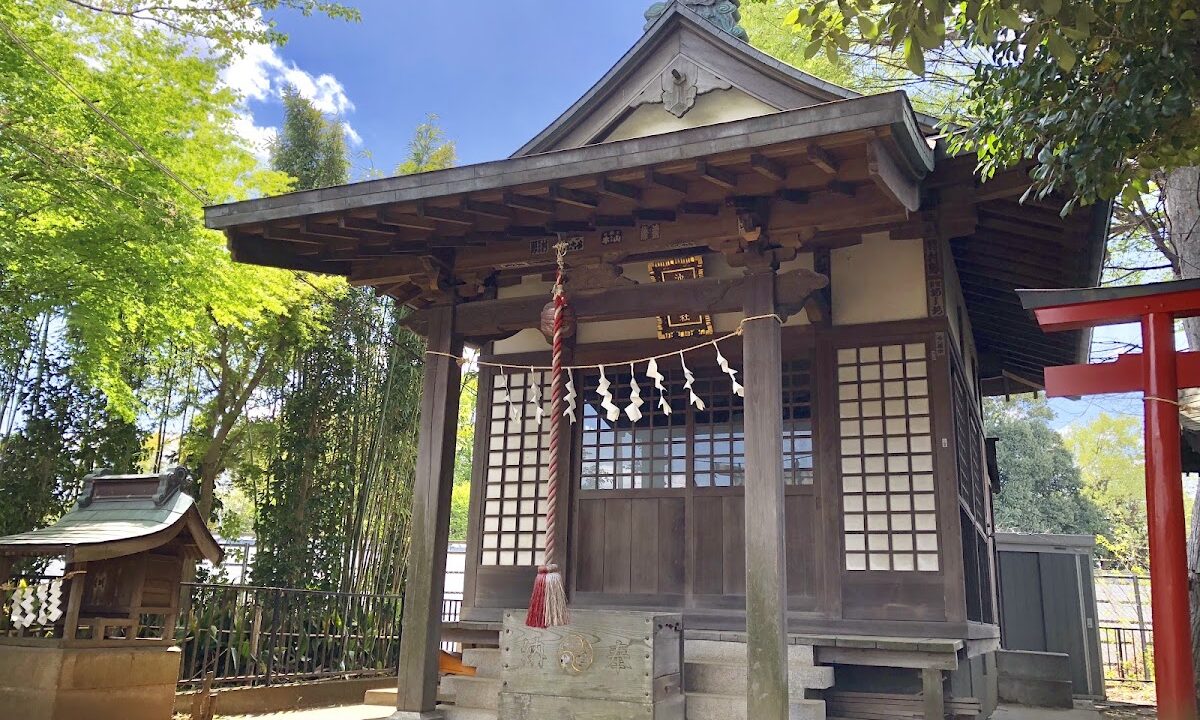
Ikenoue Shrine (Chofu City, Tokyo) Complete Guide | History, Deities, Goshuin (Shrine Seal), and Access Information
Ikenoue Shrine, located in Jindaiji Minami-cho, Chofu City, Tokyo, is a historic guardian shrine cherished by the local community. Nestled in a quiet residential area of the Jindaiji district, this shrine has long played an important role as a center of local faith. This article provides a detailed overview of Ikenoue Shrine, including its history, enshrined deities, highlights within the grounds, and access information.
Overview of Ikenoue Shrine
Ikenoue Shrine is located at 4-2-9 Jindaiji Minami-cho, Chofu City, Tokyo. As the guardian shrine of the Jindaiji-cho Eido village (the area around present-day Jindaiji Minami-cho), it has attracted the faith of local residents.
Basic Information
Location: 4-2-9 Jindaiji Minamimachi, Chofu City, Tokyo
Postal Code: 182-0013
Jurisdiction: Kitatama Branch, Tokyo Metropolitan Shrine Association
Former Shrine Rank: Unranked Shrine
Deities Enshrined: Hondawake-no-mikoto, Ukanomitama-no-kami, and others
The name Ikenoue Shrine is thought to originate from the fact that there was once a pond in this area. The area around Jindaiji is rich in spring water and has had a deep connection with water since ancient times.
History and Origins of Ikenoue Shrine
Circumstances of Founding
The exact founding date of Ikenoue Shrine is not clearly recorded, but it is believed to have existed as the guardian shrine of the Jindaiji-cho Eido village since before the Edo period. Jindaiji is an ancient temple founded in the Nara period, and the surrounding area has been developed since ancient times, so Ikenoue Shrine may also have a considerable history. ### Consolidation during the Meiji Era
In 1907 (Meiji 40), Ikenoue Shrine underwent a major transformation. That year, several small shrines scattered throughout the Edo district of Jindaiji-cho were consolidated into Ikenoue Shrine. In particular, several shrines, including an Inari shrine, were merged, resulting in its current form.
This consolidation was part of the Meiji government’s policy of shrine consolidation. During the Meiji era, under the principle of “one shrine per village,” the consolidation and abolition of small shrines progressed throughout the country. Ikenoue Shrine, within this trend, further solidified its role as a center of local faith.
Records from the Shinpen Musashi Fudoki-ko (New Compilation of the Topography of Musashi Province)
The Shinpen Musashi Fudoki-ko, compiled in the late Edo period, contains descriptions of shrines around Jindaiji. At that time, several small shrines existed in Jindaiji Village, attracting the faith of the villagers. It is presumed that the shrine that would become Ikenoue Shrine also existed during this period.
Description from the Kitatama Shrine Records
The Kitatama Shrine Records state that Ikenoue Shrine held an important position as the guardian shrine of the Jindaiji Minamimachi area. According to the record, Ikenoue Shrine was closely intertwined with the lives of local residents and played a role in strengthening community bonds through annual events and festivals.
Record from the Tokyo Metropolitan Shrine Directory
The Tokyo Metropolitan Shrine Directory provides detailed information about the deities and history of Ikenoue Shrine. According to the directory, Ikenoue Shrine enshrines Homutawake-no-Mikoto (Emperor Ojin) as its main deity, with Ukanomitama-no-Kami (Inari-no-Kami) enshrined as a secondary deity. This is thought to be a result of the integration of Hachiman and Inari worship during the Meiji 40 (1907) merger.
Description from the Chofu City Centennial History
The Chofu City Centennial History, which details the history of Chofu City, describes the relationship between the development of the Jindaiji Minamimachi area and Ikenoue Shrine. According to historical records, Ikenoue Shrine has played an important role for many years as a place to pray for local agricultural production and the safety of residents’ lives. Especially before the war, records show that the spring Kinensai (harvest festival) and the autumn Reitaisai (grand festival) were grand events, serving as important occasions for local residents to gather together.
Deities and Divine Virtues
Hondawake-no-Mikoto
Homudawake-no-Mikoto, the principal deity of Ikenoue Shrine, is a deified version of Emperor Ojin, the 15th emperor of Japan. He is worshipped nationwide as Hachiman-jin and is revered as the god of military success, national peace and security, and industrial prosperity.
Main Divine Virtues:
- Long-lasting military fortune
- Increased luck in victory
- National peace and security
- Industrial development
- Traffic safety
Ukanomitama-no-kami
Ukanomitama-no-kami, known as Inari-sama, is the god of abundant harvests and business prosperity. Following the merger in 1907 (Meiji 40), this deity was enshrined at Ikenoue Shrine.
Main Divine Virtues:
- Abundant harvests
- Business prosperity
- Industrial development
- Family safety
- Fulfillment of wishes
Other Enshrined Deities
Following the merger in 1907 (Meiji 40), the deities of several small shrines within the region were also enshrined at Ikenoue Shrine. These deities continue to be revered by residents as guardian deities of the region.
Highlights of the Shrine Grounds
Main Hall and Worship Hall
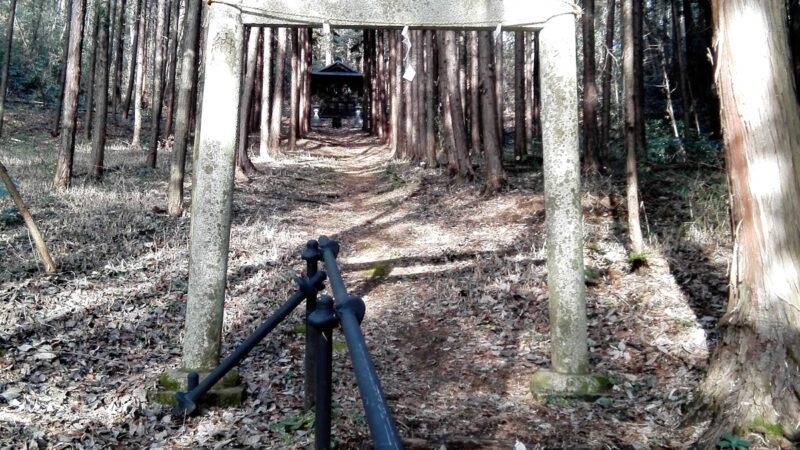
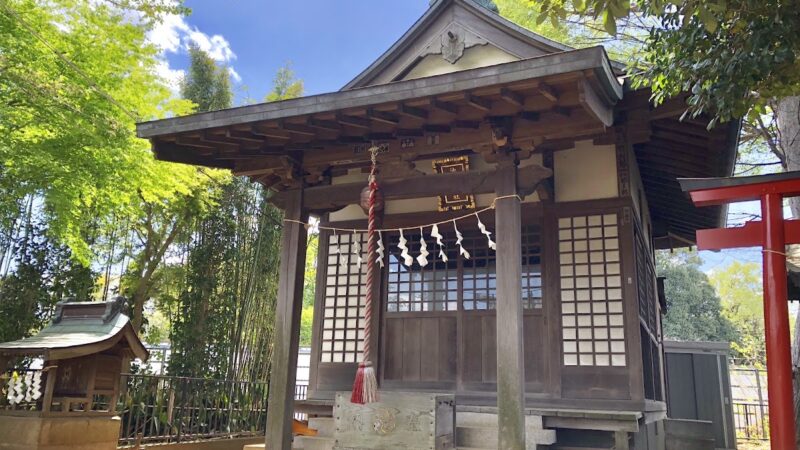
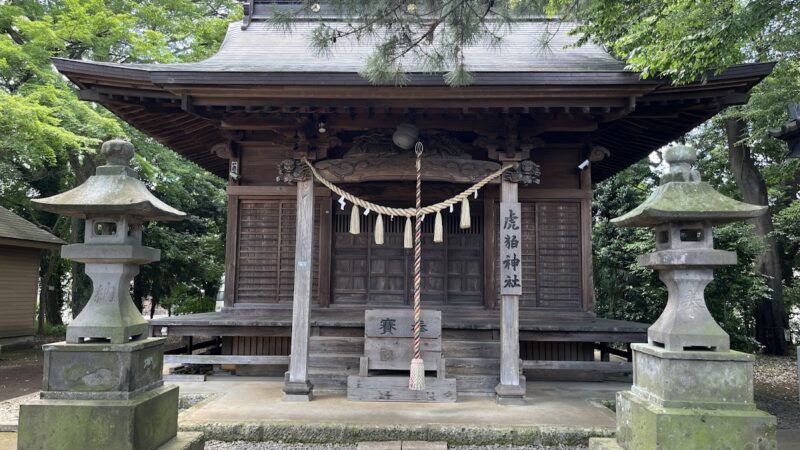
The main hall of Ikenoue Shrine is a simple yet meticulously maintained shrine building. The worship hall is carefully preserved by local residents, and is kept clean and well-maintained. Despite being located in a residential area, the shrine grounds maintain a tranquil atmosphere, offering peace to visitors.
Subsidiary Shrines
Within the grounds of Ikenoue Shrine, several subsidiary shrines and stone monuments remain, remnants of shrines that were once merged with this one. These are valuable cultural assets that convey the history of the region.
Sacred Trees and Nature
Ancient trees remain on the grounds, evoking a long history. The area around Jindaiji Temple is lush with greenery, and the grounds of Ikenoue Shrine offer the enjoyment of nature throughout the seasons. The grounds are especially enveloped in beautiful colors during the fresh greenery of spring and the vibrant autumn foliage.
Annual Events and Festivals
Grand Festival
At Ikenoue Shrine, the Grand Festival is held every autumn. Local residents gather, and sometimes there are portable shrine processions and devotional performances. Although small in scale, it is an important event that strengthens the bonds of the local community.
New Year’s Visit
At the start of the new year, local residents visit the shrine for their first shrine visit of the year, praying for safety and well-being for their families throughout the year. While not as crowded as large shrines, you can see local people quietly offering their prayers for the new year.
Monthly Festival
At the monthly festival, representatives of the parishioners and local representatives attend, praying for the peace and prosperity of the community.
About Goshuin (Shrine Seals)
Because Ikenoue Shrine is a small shrine, the shrine office is not always open. If you wish to obtain a Goshuin, it is recommended that you inquire in advance with the Kita-Tama Branch of the Tokyo Metropolitan Shrine Association or a nearby shrine.
Some shrines that are managed by multiple shrines may offer Goshuin (stamped seals), so it is recommended to check before visiting.
Access Information
Access by Train
From Keio Line “Chofu Station”:
- Approximately 15 minutes by bus from the north exit of Chofu Station
- Take the Odakyu Bus bound for “Kichijoji Station” or the Keio Bus bound for “Jindaiji”
- Get off at the “Jindaiji Elementary School” bus stop and walk for approximately 5 minutes.
From Keio Line “Tsutsujigaoka Station”:
- Approximately 10 minutes by bus from the north exit of Tsutsujigaoka Station
- Take the Keio Bus bound for “Jindaiji”
- Get off at the “Jindaiji Elementary School” bus stop and walk for approximately 5 minutes.
From JR Chuo Line “Kichijoji Station”:
- Approximately 25 minutes by bus from the south exit of Kichijoji Station
- Take the Odakyu Bus bound for “Chofu Station” or “Jindaiji”
- Get off at the “Jindaiji Elementary School” bus stop and walk for approximately 5 minutes.
Access on Foot
When visiting Jindaiji Temple, you can also visit Ikenoue Shrine on foot. It is about a 15-minute walk from Jindaiji Temple.
Access by Car
From the Chuo Expressway:
- Approximately 15 minutes from Chofu IC
Parking:
Ikenoue Shrine does not have its own parking lot. We recommend using nearby coin-operated parking lots or public transportation. There are several parking lots around Jindaiji Temple, so you can also visit on foot from there.
Address and Map
Address: 4-2-9 Jindaiji Minamimachi, Chofu City, Tokyo 182-0013
Ikenoue Shrine is located in a residential area, so we recommend that first-time visitors use a map app or navigation system.
Nearby Attractions
Jindaiji Temple
Jindaiji Temple, located about a 15-minute walk from Ikenoue Shrine, is an ancient temple said to have been founded in 733 AD (Tenpyo 5). Known as the second oldest temple in Tokyo after Senso-ji Temple, Jindaiji Temple houses valuable cultural assets, including a national treasure bronze statue of Shakyamuni Buddha and an important cultural property bronze bell. Jindaiji soba noodles are also famous, with many soba restaurants lining the approach to the temple.
Jindai Botanical Garden
Adjacent to Jindaiji Temple, Jindai Botanical Garden is one of Tokyo’s largest botanical gardens, boasting approximately 4,800 species and 100,000 plants. Its rose garden is particularly famous, with magnificent roses blooming in spring and autumn. Visitors can enjoy flowers throughout the seasons, making it an ideal spot to visit in conjunction with a visit to Ikenoue Shrine.
Jindaiji Onsen “Yumori no Sato”
The Jindaiji area also features a natural hot spring facility, allowing visitors to relax and enjoy the hot springs after their temple visit. It is characterized by its unique water quality, known as “black water.”
Historical Background of Ikenoue Shrine and the Jindaiji Area
The Origins of Jindaiji Town
The area around Jindaiji Temple has long been known as a region blessed with abundant spring water. Located at the southern edge of the Musashino Plateau, it is believed that people have lived there since ancient times due to the abundance of groundwater. After the founding of Jindaiji Temple, it developed as a temple town, and during the Edo period, it attracted many pilgrims along with the fame of Jindaiji soba noodles.
Eido Village and Ikenoue Shrine
Eido Village, which Ikenoue Shrine considered its guardian shrine, was a settlement located south of Jindaiji Temple. People who lived a life centered on agriculture formed a local community centered around Ikenoue Shrine. Even amidst the wave of modernization after the Meiji era, Ikenoue Shrine continued to play an important role as a spiritual pillar of the region.
The Development of Chofu City and Ikenoue Shrine
From the 1950s onward, Chofu City underwent rapid urbanization. The former rural area has transformed into a residential area, and the population has increased significantly. Even amidst these changes, Ikenoue Shrine remains a cherished landmark, a valuable reminder of the region’s history.
Manners and Etiquette for Visiting the Shrine
Basic Visiting Etiquette
- Bow before passing through the torii gate: Bow before entering the sacred area.
- Purify yourself at the water basin: Purify your left hand, then your right hand, then your mouth.
- Etiquette in front of the main hall: Two bows, two claps, and one bow are the basic rituals.
- Bow upon leaving: Before leaving the torii gate, turn around and bow.
Points to Note When Visiting
Ikenoue Shrine is a small shrine located in a residential area. When visiting, please be quiet and avoid disturbing nearby residents. It is especially recommended to refrain from visiting early in the morning or late at night, and to visit during reasonable hours.
The Charm of Ikenoue Shrine
A Faith Rooted in the Community
The greatest charm of Ikenoue Shrine lies in the fact that a simple form of faith rooted in the community still remains. Unlike famous tourist shrines, the way local people regularly visit and carefully maintain the shrine offers a glimpse into the traditional Japanese way of faith.
A Tranquil Shrine Grounds
Despite being located in a residential area, the shrine grounds maintain a quiet and peaceful atmosphere. It is a precious space where you can escape the hustle and bustle of the city and offer a peaceful prayer.
As Part of a Jindaiji Area Stroll
By extending your visit to Ikenoue Shrine when visiting Jindaiji Temple or Jindai Botanical Garden, you can gain a deeper understanding of the history and culture of the area. By visiting places rooted in the lives of the local community, not just tourist spots, you will be able to understand the charm of Chofu more deeply.
Summary
Ikenoue Shrine is a historical shrine located in Jindaiji Minamimachi, Chofu City, Tokyo. Although its founding date is unknown, it has long been revered by local residents as the guardian shrine of the Jindaiji-cho Eido village. In 1907 (Meiji 40), several smaller shrines in the surrounding area were merged, resulting in its current form.
The main deities enshrined are Homudawake-no-Mikoto and Ukanomitama-no-Kami, and the shrine is believed to bestow blessings such as military success, abundant harvests, and business prosperity. Despite its small size, it continues to play a vital role as a central hub for the local community.
With many attractive tourist spots nearby, such as Jindaiji Temple and Jindai Botanical Garden, visiting these in conjunction with the shrine allows for a deeper experience of Chofu’s history and culture. This shrine is highly recommended for those seeking a quiet retreat from the hustle and bustle of the city, those interested in local history, and anyone wishing to escape the city’s noise and offer a peaceful prayer.
We hope that through your visit to Ikenoue Shrine, you will gain an appreciation for traditional Japanese beliefs and the importance of community.