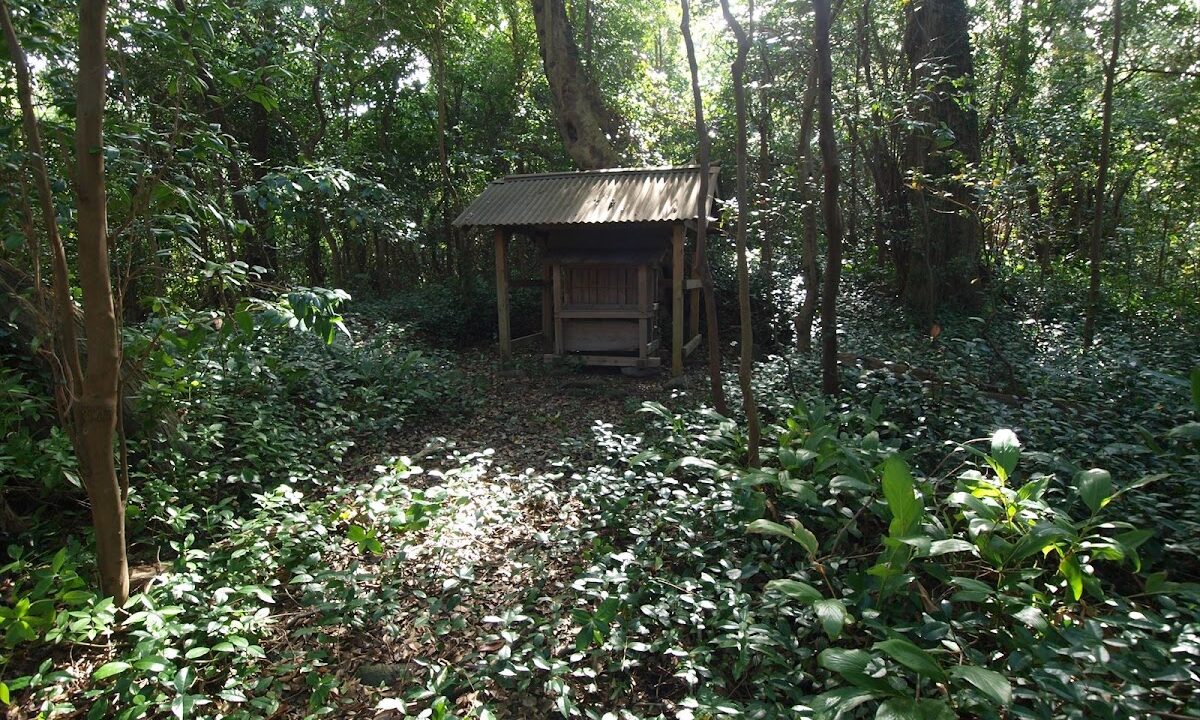
Nago Shrine (Miyakejima, Tokyo) Complete Guide | History, Deities, and Access Information
Nago Shrine, located in Miyake Village, Miyakejima, Tokyo, is a historically significant shrine listed in the Engishiki Jinmyocho (a list of shrines compiled in 927). Nestled quietly in the mountains of Miyakejima, this shrine is a valuable resource for conveying the history and beliefs of the Izu Islands, attracting attention from local residents and history researchers alike.
This article provides a comprehensive explanation of Nago Shrine, including detailed information, enshrined deities, historical background, access methods, and proper worship etiquette, based on information from the Tokyo Metropolitan Shrine Association and on-site research.
Basic Information about Nago Shrine
Location
Official Name: Nago Shrine
Location: Igaya, Miyake Village, Miyakejima, Tokyo 100-1103
Shrine Rank: Shikinaisha (Engishiki Shrine)
Former Shrine Rank: Village Shrine
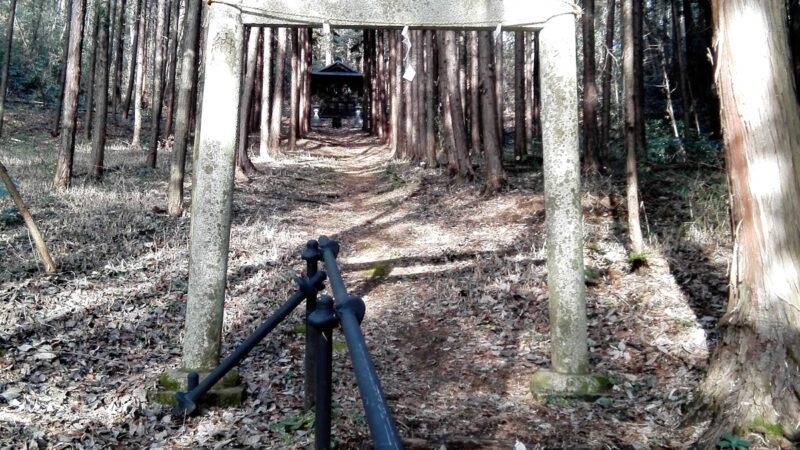
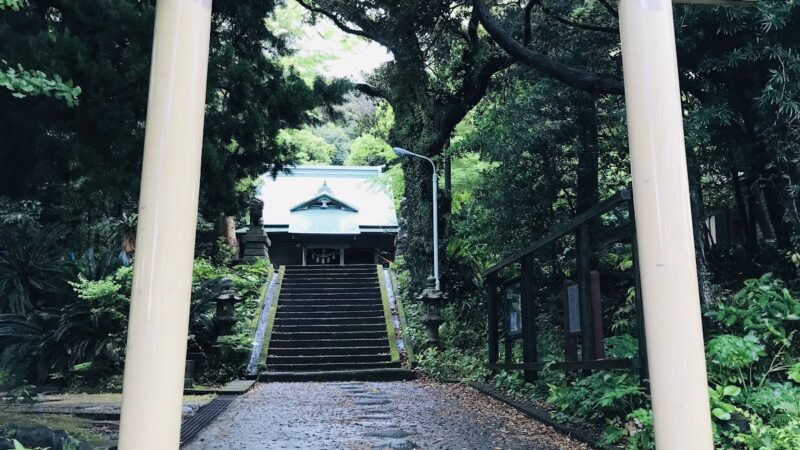
Nago Shrine is located in the mountains of Nagoyama, south of the Kamitsuki district in the northern part of Miyakejima. Miyakejima is one of the Izu Islands, floating in the Pacific Ocean about 180km south of Tokyo, and is a naturally rich island centered around the active volcano, Oyama.
Deities Enshrined
Main Deity: Nago-no-Mikoto
Nago-no-Mikoto is considered a deity associated with the ancient development of the Izu Islands and safe voyages, but detailed myths and legends are limited to written records, and the faith has been passed down through oral tradition in the region. It is believed to have been revered as the pioneering deity of Miyakejima Island, or as the guardian deity of maritime traffic.
Annual Festival Date
Annual Festival: August 27th
The annual festival is held every year on August 27th, with local residents gathering for a solemn Shinto ritual. Like other shrines on Miyakejima Island, it also includes prayers for protection from volcanic activity and natural disasters.
History and Origins of Minamiko Shrine
Status as a Shikinaisha Shrine
Minamiko Shrine is considered a candidate for the Shikinaisha shrine listed in the “Izu Province, Kamo District” section of the Engishiki Jinmyocho (a list of shrines compiled in the Heian period). The Engishiki Jinmyocho is a list of major shrines throughout Japan compiled in 927 (Enchō 5) during the mid-Heian period, and shrines listed here hold high status as “Shikinaisha.”
The Izu Islands belonged to Izu Province from ancient times and were a region with deep ties to the central government. The fact that Minamiko Shrine is listed as a Shikinaisha (a shrine listed in the Engishiki, an ancient Japanese legal code) indicates that it was already an important object of worship in this region during the Heian period.
History of Miyakejima and Shrine Worship
Miyakejima has been inhabited since ancient times, with people engaged in fishing and agriculture. However, it has suffered significant damage many times throughout history due to eruptions of the active volcano, Mt. Oyama. In particular, large-scale eruptions occurred in 1940, 1962, 1983, and 2000, severely impacting the lives of residents.
Throughout this history of natural disasters, shrines on the island, including Minamiko Shrine, have played an important role as a spiritual anchor for residents and a place to pray for protection from disasters.
Kamitsuki District and Minamiko Shrine
The Kamitsuki district, where Minamiko Shrine is located, is one of the central settlements on Miyakejima. The place name “Kamitsuki” itself suggests a sacred place, indicating that it has been a center of worship since ancient times.
Its location in the mountains of Mt. Minamiko indicates that the shrine is deeply connected to nature worship. Mountain worship is a fundamental element of Japanese Shinto, and it is believed that Minamiko Shrine inherits this tradition.
Access Methods
Access to Miyakejima Island from Tokyo
Miyakejima Island is an outlying island, so access is by boat or plane.
Access by Boat
Use Tokai Kisen.
- Departure Point: Takeshiba Pier, Tokyo
- Travel Time: Approximately 6 hours 30 minutes (large passenger ship)
- Operation: Primarily overnight service (departure at 22:30, arrival around 5:00 the next morning)
- Fare: Approximately 8,000 yen one way for a 2nd class Japanese-style room
The large passenger ships “Sarubia Maru” or “Tachibana Maru” operate this route. Reservations can be made via the Tokai Kisen website or by phone.
Access by Airplane
Use Shin Chuo Airlines.
- Departure Point: Chofu Airport (Chofu City, Tokyo)
- Duration: Approximately 50 minutes
- Flight Frequency: 1-2 flights per day (varies seasonally)
- Fare: Approximately 14,000 yen one way
Flights are operated using small propeller aircraft (19-seater). Cancellations due to weather are relatively frequent, so flexible scheduling is recommended.
Access within Miyakejima Island
After arriving on Miyakejima Island, you can access Minamiko Shrine using the following methods:
Nearest Bus Stop/Route
Miyakejima Island has a village-operated bus service.
- Nearest Bus Stop: “Kamitsuki” Bus Stop
- Route: Miyakejima Island Loop Line
- Distance from Kamitsuki Bus Stop: Approximately 30-40 minutes on foot (mountain path)
From Kamitsuki Bus Stop to Minamiko Shrine, you will need to climb a mountain path, and since there are limited signs, it is recommended to ask a local for directions or check a map beforehand.
Rental Cars and Rental Bicycles
Rental cars and rental bicycles are available on Miyakejima Island.
- Rental Cars: There are several rental car companies on the island, and you can rent them at the port or airport.
- Rental Bicycles: Electric bicycles are also available for rent, but walking is safer for the mountain path to Minamiko Shrine.
There is a road that allows you to drive close to Minamiko Shrine, but the final part of the journey is on foot along the approach to the shrine.
Taxis
Taxis also operate on Miyakejima Island. You can take a taxi from the port or airport to the Kamitsuki area. The fare is approximately 2,000 to 3,000 yen, depending on the distance.
Map and Location Information
Minamiko Shrine is located in the mountains south of the Kanzaki area in the northern part of Miyakejima Island. You can confirm the exact location by searching for “Minamiko Shrine” on a map app or GPS, but please note that signal strength may be unstable due to its mountainous location.
We recommend checking the latest information with the Miyake Village Office or the Tourist Association before visiting.
Visiting Information and Etiquette
Visiting Hours
Minamiko Shrine is generally open for worship throughout the day, but due to its mountainous location, visiting during daylight hours is recommended. Early mornings and evenings are particularly dangerous due to darkness.
Visiting Etiquette
The basic etiquette for visiting a shrine is as follows:
- Bow before passing through the torii gate: Before entering the sacred area, bow before the torii gate.
- Avoid walking in the center of the approach: The center of the approach is considered the path of the gods.
- Purify yourself at the water basin: If there is a water basin, purify your left hand, right hand, and mouth in that order.
- Worship at the main hall: Worship using the two bows, two claps, and one bow method.
- Bow deeply twice.
- Clap your hands twice at chest height.
- Bow deeply once.
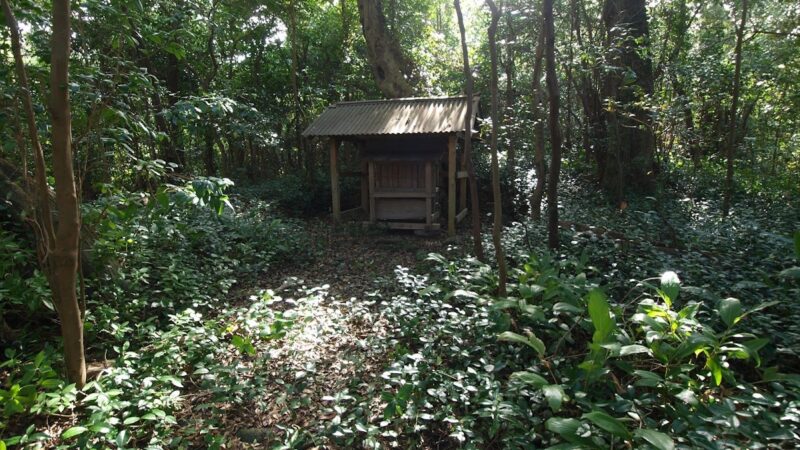
Minamiko Shrine is a small shrine located in the mountains, so facilities such as a water basin may not be available. In that case, it is important to purify your heart before worship.
Goshuin (Shrine Seals) and Amulets
Minamiko Shrine is likely an unmanned shrine, and there may not be a resident Shinto priest. For information on goshuin, amulets, and other items, it is recommended to inquire at other shrines on Miyakejima Island or the Tokyo Metropolitan Shrine Association.
Miyakejima Island also has other Shikinaisha (shrines listed in the Engishiki) such as “Sakitamahime Shrine” and “Kou Shrine,” and it would be good to visit these shrines as well.
About Amulets and Household Altars
The custom of enshrining amulets (ofuda) in a household household altar is a traditional form of worship in Japan. Regarding amulets from Minamiko Shrine, if you cannot obtain them directly at the shrine, you can inquire through your local shrine or the Tokyo Metropolitan Shrine Association.
Detailed information on how to set up a household altar and how to enshrine amulets is also available on the Tokyo Metropolitan Shrine Association website.
Related Shrines and Shrine Pilgrimages on Miyakejima Island
Besides Minamiko Shrine, Miyakejima Island is home to several other historical shrines.
Sakitamahime Shrine
- Location: Tsubota, Miyake Village
- Shrine Rank: Shikinaisha (Shrine listed in the Engishiki)
- Deity: Sakitamahime-no-Mikoto
One of the representative Shikinaisha shrines of Miyakejima, revered as the guardian deity of the island.
Kisaki Shrine
- Location: Kamitsuki, Miyake Village
- Shrine Rank: Shikinaisha (Shrine listed in the Engishiki)
- Deity: Kisaki-no-Kami
An Shikinaisha shrine located in the same Kamitsuki area as Minamiko Shrine.
Shrines of Miyakejima and the Tokyo Metropolitan Shrine Association
Shrines on Miyakejima are under the jurisdiction of the Tokyo Metropolitan Shrine Association. The Tokyo Metropolitan Shrine Association is an organization that oversees approximately 1,398 shrines in Tokyo, providing information on each shrine, training Shinto priests, and supporting shrine administration.
You can also find basic information about shrines on remote islands like Miyakejima on the Tokyo Metropolitan Shrine Association website. Using keyword search or map search functions, you can access detailed information about shrines within Tokyo.
Miyakejima Sightseeing and Visiting Minamiko Shrine
Highlights of Miyakejima
In addition to visiting Minamiko Shrine, you can enjoy the nature and culture of Miyakejima.
- Oyama: An active volcano with an elevation of 775m. While access to the crater area has been restricted since the 2000 eruption, its magnificent form can be seen from afar.
- Oji Pond: Miyakejima’s largest freshwater lake. There is a walking trail of approximately 2km around its circumference, making it a popular spot for birdwatching.
- Izu Cape: The southernmost point of Miyakejima. A spectacular view of the Pacific Ocean unfolds.
- Satado Cape: A rock formation area created by lava flowing into the sea.
- Shiitori Shrine: A shrine where a giant chestnut tree serves as the deity.
Accommodation and Dining
Miyakejima has several guesthouses and hotels. Dishes using fresh seafood are a specialty, with spiny lobster, splendid alfonsino, and angelica being particularly famous.
Precautions
- Volcanic Gas: Volcanic gas is still being emitted from Mt. Oyama. Caution is advised when going outside on days with high gas concentrations.
- Natural Environment: Many mountain trails and coastlines are not well-maintained, so appropriate clothing and equipment are necessary.
- Weather: As it is an isolated island, the weather is unpredictable, and boats and flights may be cancelled. Plan your itinerary with some flexibility.
Shikinaisha Shrines and Historical Value in Tokyo
Several Shikinaisha shrines, such as Minamiko Shrine, exist within Tokyo (especially in the Izu Islands). These shrines are valuable resources for studying the relationship between the central government and local areas in ancient times, the history of maritime transportation, and the forms of worship in island regions.
While attention tends to focus on shrines in central Tokyo such as Chiyoda, Chuo, Minato, Shibuya, and Shinjuku wards, as well as the 23 wards including Sumida, Taito, Koto, Shinagawa, Meguro, Ota, Setagaya, Nakano, Suginami, Toshima, Kita, Arakawa, Itabashi, Nerima, Adachi, Katsushika, and Edogawa, and the Tama region, there are also numerous historical shrines in the Izu and Ogasawara Islands.
The Tokyo Metropolitan Shrine Association manages information on shrines in all these regions, providing useful information for finding your local guardian deity or visiting shrines.
Summary
Nago Shrine is a Shikinaisha (shrine listed in the Engishiki Jinmyocho) located in Miyake Village, Miyake Island, Tokyo, and is a historical shrine listed in the Engishiki Jinmyocho. The enshrined deity is Minamiko-no-Mikoto, who has been worshipped since ancient times as the guardian deity of Miyakejima’s development and maritime safety.
To access Miyakejima, take a boat or plane, and then use the village bus or rental car to reach the Kanzaki area. Since Minamiko Shrine is located in the mountains, a hike along mountain paths is required to visit.
Miyakejima also has other Shikinaisha shrines, such as Sakitamahime Shrine and Kōjin Shrine, and a journey exploring the island’s history and beliefs will be a valuable opportunity to experience the diversity of shrine culture in Tokyo.
When visiting, please be mindful of the natural environment and volcanic activity, and enjoy the tranquil atmosphere of this historic shrine. The Tokyo Metropolitan Shrine Association website provides the latest information on shrines in Tokyo, including Minamiko Shrine, so it is recommended to check it before your visit.