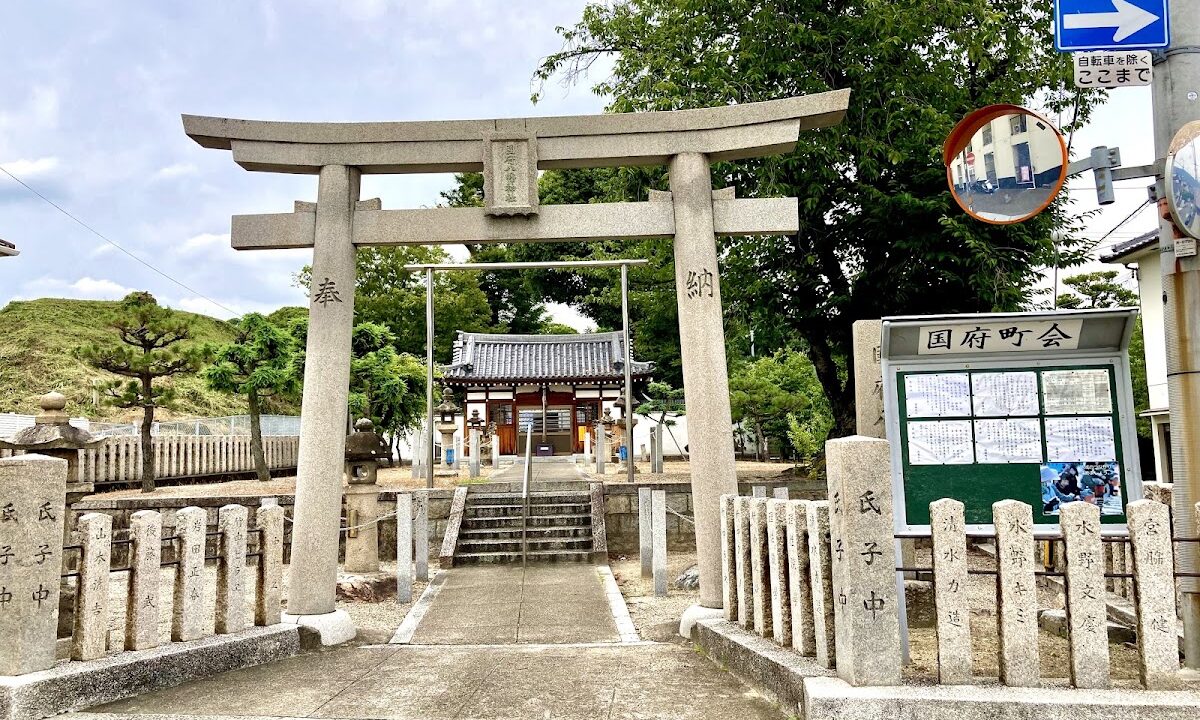
Complete Guide to Kokufu Hachiman Shrine (Fujiidera City, Osaka Prefecture): Visiting the History of Kawachi Province and the Ruins of Kinu-ji Temple
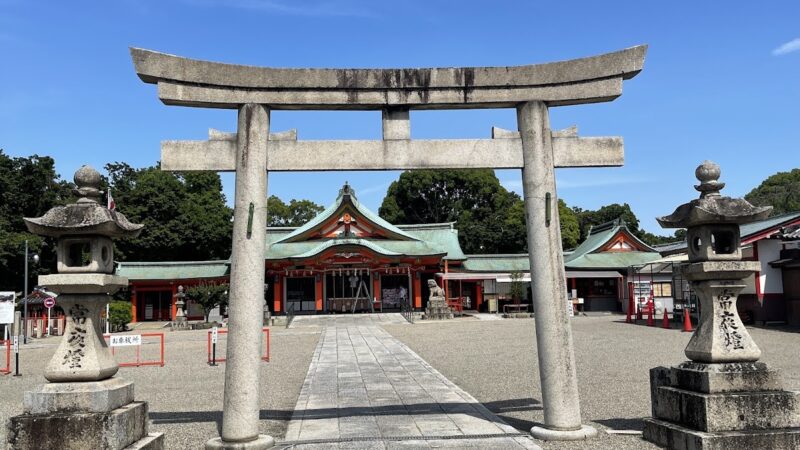
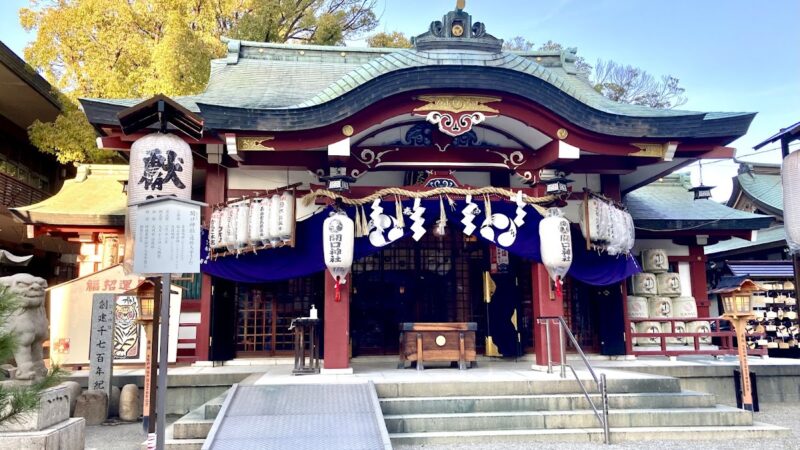
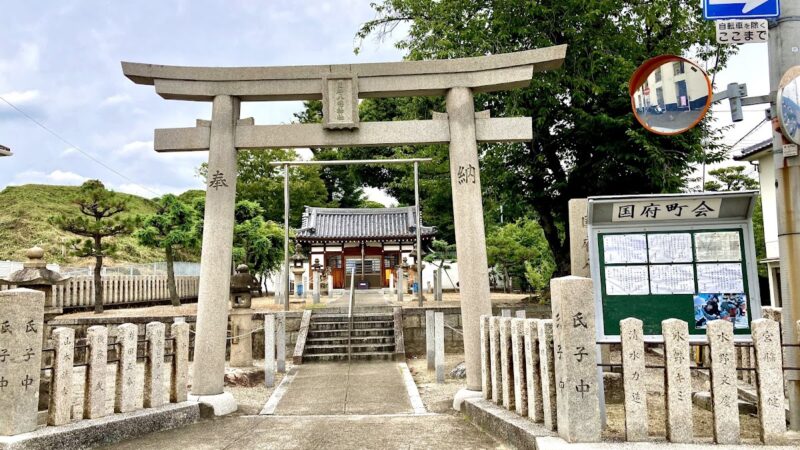
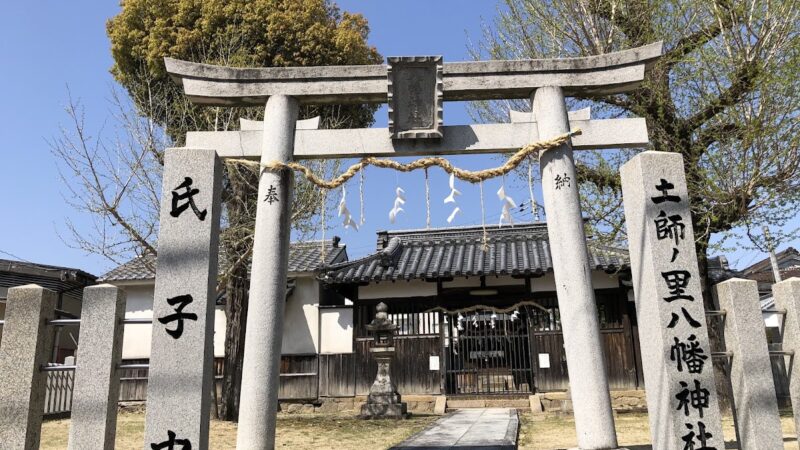
Kokufu Hachiman Shrine, located in Kokufu, Fujiidera City, Osaka Prefecture, is a shrine situated on the historical site where the provincial capital of Kawachi Province once stood. While located in a quiet residential area along the Higashi-Koya Road, it is a shrine steeped in ancient history, cherished by history enthusiasts and local residents alike. This article provides a detailed introduction to Kokufu Hachiman Shrine, including its history, enshrined deities, highlights within the grounds, surrounding historical sites, and helpful access information for visitors.
Basic Information on Kofu Hachiman Shrine
Location: 1-4-56 Kofu, Fujiidera City, Osaka Prefecture 583-0006
Nearest Station: Approximately 5 minutes on foot (about 300 meters) northeast from Hajinosato Station on the Kintetsu Minami-Osaka Line
Main Deities:
- Hachiman Okami (Emperor Ojin)
- Kasuga Okami
- Sumiyoshi Okami
Annual Festival Date: October 9th
Shrine Rank: Village Shrine
Management: Osaka Prefectural Shrine Association, 11th Branch (Fujiidera City/Habikino City)
Kofu Hachiman Shrine is a shrine named after the place name “Kofu,” conveying the fact that this area was the political center of the ancient Kawachi Province.
History and Origins of Kofu Hachiman Shrine
Founded in the Early Edo Period
The founding of Kofu Hachiman Shrine dates back to the early Edo period. According to records of the Osaka Prefectural Shrine Association, the shrine was founded by inviting a divided spirit from Tsubo Hachimangu Shrine. Tsubo Hachimangu Shrine was an important center of Hachiman worship in Kawachi Province, and by enshrining its divided spirit, it gained devotion as a guardian deity of the region.
Positioning as a Kokufu Hachimangu Shrine
Kokufu Hachimangu Shrine is counted as one of the “Kokufu Hachimangu Shrines” founded near the provincial capitals of various provinces throughout Japan. Kokufu Hachimangu Shrines played a role in protecting the provincial capitals, which were located in the administrative centers of each province under the Ritsuryo system. It is believed that the provincial capital of Kawachi Province was located around present-day Kokufu, Fujiidera City, and Kokufu Hachimangu Shrine is a valuable presence that still conveys its historical significance.
Historical Background of Kawachi Provincial Capital
Kawachi Province was an important region in ancient Japan and had deep ties with the Yamato court. From the late 7th to the 8th century, with the establishment of the Ritsuryo system, the Kawachi Provincial Office was established, and this region flourished as a center of politics, economy, and culture. The area around Kokufu in Fujiidera City, where Kokufu Hachiman Shrine is located, is believed to have been precisely its center.
About the Deities
Kokufu Hachiman Shrine enshrines three deities.
Hachiman Okami (Emperor Ojin)
The main deity, Hachiman Okami, is a deified version of the 15th Emperor Ojin. He is worshipped at Hachiman shrines throughout Japan as the god of military fortune and national protection, and is also known as the tutelary deity of the Minamoto clan. He is also deeply revered as the god of industrial development and education, and is believed to offer a wide range of blessings.
Kasuga Okami
Kasuga Okami is the collective name for the four deities enshrined at Kasuga Taisha Shrine in Nara. Known as the tutelary deity of the Fujiwara clan, he is believed to bring blessings of national peace and security, lasting military fortune, and success and good fortune. Kawachi Province and Yamato Province were adjacent and had deep cultural exchanges, which is why it is believed that Kasuga-no-Okami was enshrined together.
Sumiyoshi-no-Okami
Sumiyoshi-no-Okami is the enshrined deity of Sumiyoshi Taisha Shrine in Osaka, and is known as the god of safe voyages and waka poetry. For Kawachi Province, which faced the ancient Kawachi Bay, the worship of Sumiyoshi-no-Okami, the guardian deity of maritime traffic, was important. By enshrining three deities, a form of faith was formed that prayed for the overall protection of the region.
Highlights of the Shrine Grounds
Main Hall and Worship Hall
The shrine buildings of Kofu Hachiman Shrine are compact but carefully maintained. The main hall retains the traditional shrine architectural style, reflecting its history as a cherished local guardian deity. The worship hall allows for quiet worship, maintaining a tranquil atmosphere despite its urban location.
Ruins of Kinunui-haiji Temple
Within the grounds of Kokufu Hachiman Shrine and the surrounding area, the ruins of Kinunui-haiji Temple, founded during the Asuka period, remain. Kinunui-haiji Temple was an ancient temple built as the family temple of the Kinunui clan, and is an important historical site that tells the story of the ancient history of this region.
Within the grounds, foundation stones used for the temple’s pillars are preserved, conveying ancient architectural techniques to the present day. These foundation stones are recognized as the “Kokufu Ruins” and are part of the historical heritage of Fujiidera City. It is a valuable historical site that allows one to feel the depth of history in this area, which has continued since the Asuka period.
Location in relation to Ichinoyama Kofun
Kokufu Hachiman Shrine is located along the Higashi Koya Kaido road, and Ichinoyama Kofun is located very close by. Ichinoyama Kofun is a large keyhole-shaped burial mound managed by the Imperial Household Agency as the tomb of Emperor Ingyo, and is an important historical site from the late Kofun period. When visiting the shrine, visiting this burial mound as well will allow you to gain a deeper understanding of the history of this region, which dates back to ancient times.
Access to Kofu Hachiman Shrine
Access by Train
Using the Kintetsu Minami-Osaka Line:
- Get off at Hajinosato Station
- Walk approximately 5 minutes northeast (about 300 meters)
- It is easy to access by walking along the Higashi-Koya Kaido road
Hajinosato Station is about 20 minutes from Osaka-Abenobashi Station by semi-express train, and one stop from Furuichi Station. The path from the station to the shrine is flat and is a quiet walking path through a residential area.
Access by Car
Access from Major Roads:
- Approximately 10 minutes from Fujiidera IC on the Nishi-Meihan Expressway
- Enter Higashi-Koya Kaido from National Route 170 (Outer Ring Road)
Parking: It is recommended to check in advance whether there is a dedicated parking lot. Since the surrounding area is residential, please avoid street parking and consider using nearby coin-operated parking lots.
Landmarks in the vicinity
- Renkyu-ji Temple: A temple located very close to Kofu Hachiman Shrine
- Ichinoyama Kofun (ancient burial mound): Located along the Higashi Koya Kaido road, next to the shrine
- Higashi Koya Kaido: A historic road with shrines located along it
Nearby Shrines, Temples, and Tourist Spots
Domyoji Tenmangu Shrine
Domyoji Tenmangu Shrine, located approximately 1.5 kilometers north of Kofu Hachiman Shrine, is a historic shrine dedicated to Sugawara no Michizane. It is also known as a famous spot for plum blossoms, with beautiful plums blooming every year from February to March. As a shrine dedicated to the god of learning, it attracts many students preparing for exams and is one of the representative shrines of Fujiidera City.
Fujii-dera Temple
Fujii-dera Temple, the fifth temple on the Saigoku Thirty-Three Kannon Pilgrimage, is an ancient temple that gave its name to Fujiidera City. Its principal image is a seated statue of the Eleven-faced, Thousand-armed, Thousand-eyed Kannon Bodhisattva, a National Treasure, which is unveiled on the 18th of each month. Located about 1 kilometer southwest of Kofu Hachiman Shrine, it is well worth visiting both.
Furuichi Kofun Group
Around Kofu Hachiman Shrine, the Furuichi Kofun Group, part of the World Cultural Heritage site “Mozu-Furuichi Kofun Group,” is scattered. Huge keyhole-shaped burial mounds, including the tomb of Emperor Ojin (Homuda Gobyoyama Kofun), the tomb of Princess Nakahime, and the tomb of Emperor Ingyo (Ichinoyama Kofun), are densely packed, allowing visitors to feel the romance of ancient history.
Renkyu-ji Temple
Renkyu-ji Temple, located very close to Kofu Hachiman Shrine, is a temple beloved by the local people. Visiting this shrine in conjunction with a Shinto shrine visit allows you to experience the history of syncretism between Shinto and Buddhism.
Annual Events at Kofu Hachiman Shrine
Annual Festival (October 9th)
The most important festival at Kofu Hachiman Shrine is the annual festival held on October 9th. Local parishioners gather to express gratitude for the shrine’s divine blessings and pray for the peace and prosperity of the community. It also celebrates the autumn harvest and is an important event that strengthens the bonds of the local community.
New Year’s Visit
At the start of the new year, local residents visit the shrine for their first shrine visit of the year, praying for safety and well-being for their families throughout the year. While not a large shrine, it is cherished as the local guardian deity, offering a peaceful way to welcome the new year.
Benefits of Kofu Hachiman Shrine
At Kofu Hachiman Shrine, the following benefits are believed to be available through the divine blessings of the three enshrined deities.
- Protection from Evil and Disaster: Protection through the power of Hachiman-Okami as a god of war
- Family Safety: Protection of family peace as the local guardian deity
- Business Prosperity: The divine virtue of Hachiman-Okami for industrial development
- Academic Achievement: The aspect of Hachiman-Okami as a god of education and culture
- Traffic Safety: The divine virtue of Sumiyoshi-Okami as a guardian deity for travelers
- Career Advancement and Good Fortune: The divine virtue of Kasuga-Okami for the prosperity of the Fujiwara clan
Manners and Etiquette for Worship
Basic Worship Etiquette
- Bow before passing through the torii gate: Show respect for entering the sacred area
- Purify at the water basin: If there is a water basin, purify in the order of left hand, right hand, and mouth
- Etiquette in front of the main hall: Two bows, two claps, and one bow is the basic procedure
- Bow deeply twice
- Clap your hands twice
- Pray with all your heart
- Finally, bow deeply once
- Upon leaving: After exiting the torii gate, turn around and bow once more
Points to note when visiting
- As it is located in a residential area, please be considerate of the surrounding residents.
- Please pray quietly within the shrine grounds.
- Take photographs only in permitted areas, and avoid taking pictures inside the main hall.
- Please take all your trash with you.
History of Fujidera City and Kawachi Province
Center of Ancient Kawachi Province
The Kokufu area of Fujidera City is believed to be the location of the Kawachi Province’s capital under the ancient Ritsuryo system. The Kokufu was the office where the provincial governor conducted government affairs, and it was the center of politics, economy, and culture of each province. There are various theories about the exact location of the Kawachi Province’s capital, but the area around Kokufu Hachiman Shrine is considered one of the most likely candidates.
The Kinu clan and ancient clans
The Kinu clan was one of the powerful ancient clans, a group of technicians responsible for making clothing for the imperial court. The Kinugi Abandoned Temple was built as the family temple of the Kinugi clan and is an important historical site demonstrating the spread of Buddhist culture during the Asuka period. The foundation stones remaining within the grounds of the Kokufu Hachiman Shrine are valuable cultural assets as remnants of this ancient temple.
History of the Higashi-Koya Road
The Higashi-Koya Road, which faces the Kokufu Hachiman Shrine, was an important road connecting Kyoto and Mount Koya. From the medieval period onward, many people traveled this road as a pilgrimage route to Mount Koya, and post towns and temples and shrines developed along the road. The Kokufu Hachiman Shrine is a shrine that has walked hand in hand with the history of this road.
Recommended itinerary for visiting Kofu Hachiman Shrine
Half-day course: Visiting burial mounds and shrines
- Kintetsu Hajinosato Station (Start)
- Kofu Hachiman Shrine (30 mins): Worship and visit to the Kinu-no-Aiji Temple ruins
- Ichinoyama Kofun (20 mins): Stroll around the perimeter of Emperor Ingyo’s tomb
- Domyoji Tenmangu Shrine (1 hour): Worship and stroll around the shrine grounds
- Domyoji Station (Goal)
Full-day course: Visiting the Furuichi Kofun Group and temples/shrines
- Kintetsu Fujiidera Station (Start)
- Kuzui-ji Temple (1 hour): Visit to one of the 33 temples of the Saigoku Kannon Pilgrimage
- Kofu Hachiman Shrine (30 mins)
- Emperor Ojin’s Mausoleum Kofun (1 hour): The second largest burial mound in Japan
- Homuda Hachimangu Shrine (1 hour): A historic shrine dedicated to Emperor Ojin
- Domyoji Tenmangu Shrine (1 hour)
- Kintetsu Domyoji Station (Goal)
The Charm of Kofu Hachiman Shrine
The greatest charm of Kofu Hachiman Shrine lies in the fact that, even in modern times of urbanization, it retains strong traces of history dating back to ancient times. The foundation stones of the abandoned Kinu-ji Temple remaining on the grounds, the place names that convey the history of Kawachi Province, and its location along the Higashi Koya Road evoke a sense of historical romance that transcends time.
It is not a large-scale tourist shrine, but precisely because of this, you can quietly confront history and reflect on the lives of people from ancient times. It is a hidden historical spot that you should definitely visit when you come to Fujiidera City.
Summary
Kofu Hachiman Shrine is a historic shrine located in Kofu, Fujiidera City, Osaka Prefecture. Founded in the early Edo period by inviting a divided spirit from Tsubo Hachimangu Shrine, it enshrines three deities: Hachiman-Okami, Kasuga-Okami, and Sumiyoshi-Okami.
Within the shrine grounds remain the ruins of the Kinu-no-Aiji Temple from the Asuka period, conveying the ancient history of this area where the Kawachi Provincial Government was once located. Its convenient location, just a 5-minute walk from Kintetsu Hajinosato Station, is also a major draw. Visiting it along with the nearby Domyoji Tenmangu Shrine and the Furuichi Kofun Cluster allows you to experience the rich history and culture of Fujiidera City.
Nestled in a quiet residential area, Kofu Hachiman Shrine remains cherished by locals as the guardian deity of the region. It is recommended not only for history enthusiasts but also for those seeking a peaceful visit.