Tsudo Hachiman Shrine (Fujiidera City, Osaka Prefecture) | A Complete Guide to the Historic Shrine Located in the Furuichi Kofun Cluster
About Tsudo Hachiman Shrine
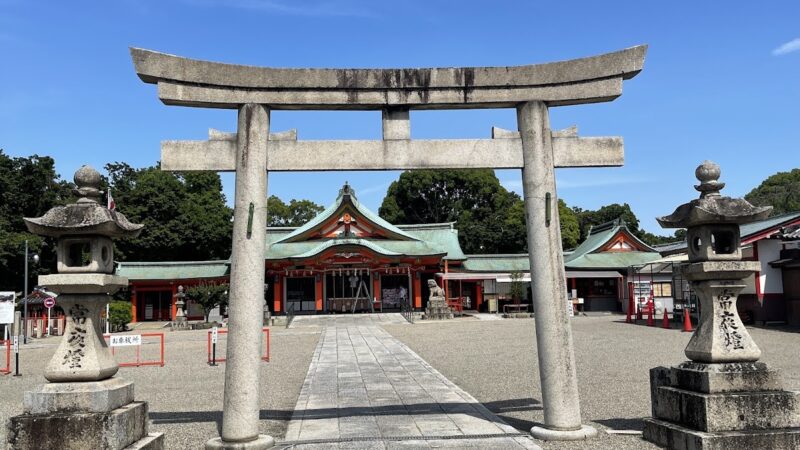
Tsudo Hachiman Shrine is a shrine located at 44 Tsudo, Fujiidera City, Osaka Prefecture. Situated northwest of the rear mound of the Tsudo Shiroyama Kofun, one of the burial mounds that make up the World Heritage Site “Mozu-Furuichi Kofun Cluster,” it is characterized by its special location deeply connected to ancient history.
As a Hachiman shrine enshrining Hondawake-no-Mikoto, also known as Emperor Ojin, as its main deity, it has long been revered by the local people. The rare sight of a shrine situated atop a burial mound conveys its character as a sacred site that has continued since ancient times.
From the shrine grounds, one can overlook the cityscape of Fujiidera City, and as a shrine where one can worship in a quiet and solemn atmosphere, it attracts attention not only from local residents but also from history enthusiasts and tourists visiting burial mounds.
History
Origin of Founding
The exact founding year of Tsudo Hachiman Shrine is unknown, but according to the brief history posted on the shrine grounds, it was founded during the Genkō to Kenmu eras (1331-1335) at the end of the Kamakura period.
This shrine is said to have been branched off from Fukai Shrine, located in present-day Ogawa, Matsubara City. Fukai Shrine also enshrines Hachiman no Mikoto, making this an important historical fact demonstrating the spread of Hachiman worship in this region.
Relationship with Tsudo Shiroyama Kofun
The Tsudo Shiroyama Kofun, where Tsudo Hachiman Shrine is located, is a keyhole-shaped burial mound that was constructed during a particularly early period within the Furuichi Kofun Group. Boasting a total length of approximately 208 meters, this burial mound is thought to have been constructed between the late 4th and early 5th centuries and is designated as a national historic site.
The fact that a Hachiman Shrine was built in this location, a sacred site for worshipping the deceased during the Kofun period, during the medieval period, speaks to the continuous transmission of its ancient sacredness. The placement of the shrine in the most important location—the rear mound of the burial mound—indicates that this place was a special object of worship.
Changes Since the Edo Period
During the Edo period, it was revered as the local tutelary deity and carefully preserved by the people of Tsudo Village. Even after the Meiji-era separation of Shinto and Buddhism, it continued to exist as a center of local faith and is maintained and managed by local people to this day.
From the Showa to the Heisei period, archaeological excavations of the Tsudo Shiroyama Kofun were conducted, leading to a renewed recognition of the burial mound’s historical value. In 2019, with the registration of the “Mozu-Furuichi Kofun Group” as a World Heritage Site, Tsudo Hachiman Shrine has also attracted international attention as part of the burial mound group.
Deities and Divine Virtues
Main Deity: Hachiman-no-Mikoto (Emperor Ojin)
The main deity of Tsudo Hachiman Shrine is Hachiman-no-Mikoto, also known as Emperor Ojin. Emperor Ojin is considered the 15th Emperor of Japan and is a representative Japanese deity worshipped at Hachiman shrines throughout the country.
Hachiman is associated with war and is believed to bestow blessings such as military success, victory, and protection from evil. Furthermore, because Emperor Ojin actively incorporated continental culture, he is also worshipped as a god of culture and learning.
Divine Virtues
The main divine virtues you can expect at Tsudo Hachiman Shrine are as follows:
- Protection from Misfortune and Disaster: Protection from various calamities through the powerful force of Hachiman-sama
- Prayer for Victory and Success: Prayers for success in work, exams, etc.
- Family Safety: Protection for the health and peaceful life of your family
- Traffic Safety: Prayers for safe daily travel
- Prosperity of Descendants: Prayers for children and the healthy growth of children
Highlights of the Shrine Grounds
Main Hall and Worship Hall
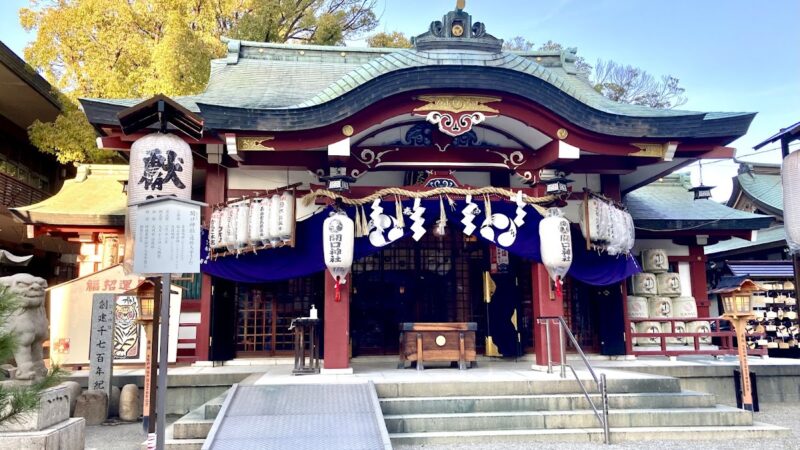
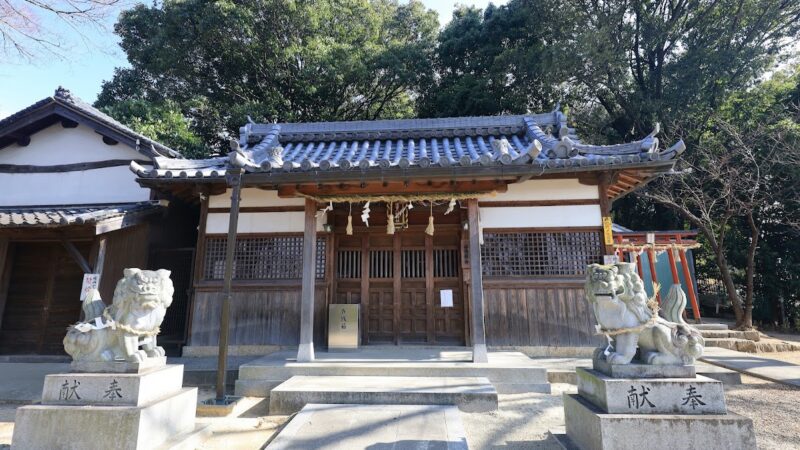
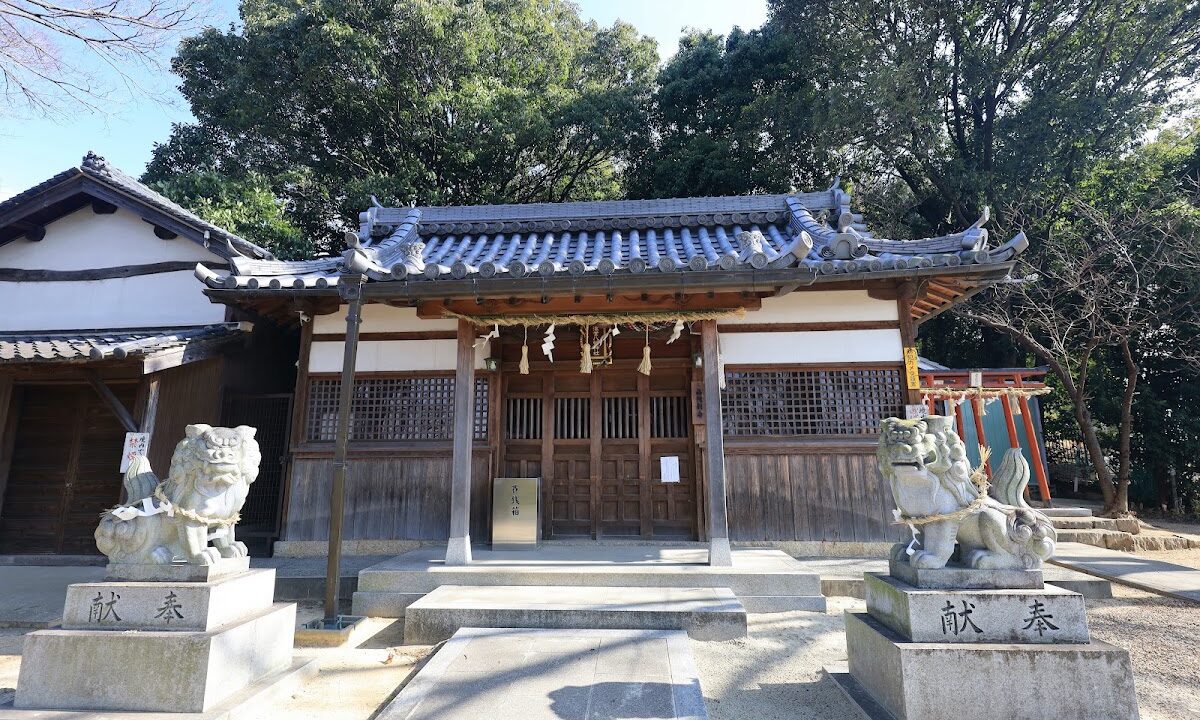
The main hall of Tsudo Hachiman Shrine is built on the rear mound of a burial mound, possessing a dignified yet modest appearance. From the worship hall, you can enjoy a panoramic view of Fujidera City and truly appreciate the height of the burial mound.
The architectural style exhibits characteristics of traditional shrine architecture, making it a valuable cultural asset that conveys the history of the region to the present day.
The Burial Mound
The burial mound of the Tsudo-Shiroyama Kofun (ancient burial mound), on which the shrine stands, is arguably the most significant feature of the shrine grounds. The unique landscape, with the shrine built atop a keyhole-shaped burial mound, is a rare and precious sight.
Climbing the mound allows one to imagine how the people of the Kofun period viewed this land. Other burial mounds of the Furuichi Kofun Group are scattered around, creating a space where one can feel the romance of ancient times.
Shrine Office and Souvenirs
At the shrine office, you can obtain souvenirs such as goshuin (stamped seals) and amulets. However, it is not always open, so it is recommended to check in advance.
The goshuin features the calligraphy and red seal of Tsudo Hachiman Shrine and is a popular memento for many visitors.
Cultural Properties
Tsudo Shiroyama Kofun (National Historic Site)
The Tsudo Shiroyama Kofun, where the Tsudo Hachiman Shrine is located, is an important cultural property designated as a National Historic Site. It is a keyhole-shaped burial mound with a total length of approximately 208 meters, a rear circular section diameter of approximately 128 meters, and a front rectangular section width of approximately 88 meters. It is considered one of the oldest burial mounds in the Furuichi Kofun Group.
Excavations have unearthed burial goods such as waterfowl-shaped haniwa (clay figures), cylindrical haniwa, armor, and swords, demonstrating the high level of technology and rich culture of the time. In particular, the waterfowl-shaped haniwa have been designated as a National Important Cultural Property and are currently housed in the Osaka Prefectural Chikatsu Asuka Museum.
World Heritage Site “Mozu-Furuichi Kofun Group”
In July 2019, the “Mozu-Furuichi Kofun Group,” including the Tsudo Shiroyama Kofun, was registered as a UNESCO World Cultural Heritage site. As a result, Tsudo Hachiman Shrine has attracted international attention as a shrine located within the World Heritage site.
The Furuichi Kofun Group is a group of burial mounds constructed from the late 4th century to the early 6th century. Twenty-six mounds, including the Konda Gobyoyama Kofun, believed to be the tomb of Emperor Ojin, are registered as a World Heritage site. The Tsudo Shiroyama Kofun is the oldest of these mounds and holds a crucial position in understanding the formation of the burial mound group.
Tsudo Site
The Tsudo Site extends around the Tsudo Shiroyama Kofun, and remains from not only the Kofun period but also the Yayoi period and the medieval period have been confirmed. Of particular note are the remains of post-hole buildings from the Kofun period, with multiple buildings featuring 3 bays by 2 bays.
These buildings exhibit a highly standardized construction, with roughly square pits for the pillars (approximately 0.8 meters on each side) and a spacing of approximately 2.4 meters between pillars. It has been confirmed that after the building ceased to function, the pillars were removed and the structure was reburied along with earthenware pottery, making it a valuable resource for understanding the architectural techniques and rituals of the time.
Access Information
Location
44 Tsudo, Fujiidera City, Osaka Prefecture 583-0857
Access by Train
From Kintetsu Minami-Osaka Line “Domyoji Station”
- Approximately 15 minutes on foot
- Exit the station and head southwest towards Tsudo Shiroyama Kofun (ancient burial mound).
From Kintetsu Minami-Osaka Line “Fujiidera Station”
- Approximately 20 minutes on foot
- Exit the station and head east, taking National Route 170 towards Tsudo.
Access by Bus
Get off at Kintetsu Bus “Tsudo” bus stop, approximately 5 minutes on foot.
Access by Car
- Approximately 10 minutes from Nishimeihan Expressway “Fujiidera IC”
- Approximately 15 minutes from Hanshin Expressway Route 14 Matsubara Line “Miyake Exit”
Parking: There is no dedicated parking lot, but you can use the parking lot (free) at the Tsudo Shiroyama Kofun Guidance Facility. However, since parking is limited, we recommend using public transportation.
Location relative to surrounding burial mounds
Within walking distance of Tsudo Hachiman Shrine, there are other burial mounds of the Furuichi burial mound group:
- Nakatsuyama Burial Mound (Tomb of Princess Nakahime): Approximately 10 minutes on foot
- Nabezuka Burial Mound: Approximately 5 minutes on foot
- Homuda Gobyoyama Burial Mound (Tomb of Emperor Ojin): Approximately 25 minutes on foot
Visiting these burial mounds in conjunction with a visit to the shrine will allow you to enjoy a more fulfilling historical exploration.
Etiquette and Manners for Visiting a Shrine
Basic Etiquette for Visiting a Shrine
- Bow before the Torii Gate: Bow before entering the shrine grounds.
- Purify yourself at the Water Basin: Purify your left hand, right hand, and mouth in that order.
- Worship at the Main Hall: Worship using the two bows, two claps, and one bow method.
- Bow upon Exit: After leaving the torii gate, turn around and bow.
Precautions at a Shrine on a Burial Mound
Tsudo Hachiman Shrine is located on a burial mound that is a national historical site, so please pay special attention to the following points:
- Do not damage the burial mound: Do not enter areas other than the designated approach path.
- Photography Manners: Be considerate of other worshippers.
- Take your trash home: For the protection of cultural properties, be sure to take your trash home.
- Worship quietly: Be mindful that this is a sacred place and worship quietly.
Nearby Tourist Attractions
Tsudo Shiroyama Kofun Guidance Facility
Located adjacent to the Tsudo Shiroyama Kofun (ancient burial mound), this facility displays the history of the burial mound and replicas of excavated artifacts. Admission is free, making it ideal for deepening your understanding of the burial mound.
Osaka Prefectural Chikatsu Asuka Museum
This museum, located about 15 minutes away by car, allows you to learn about the history of the Kofun period in the Kawachi region, including the Furuichi Kofun Group. It also houses important cultural properties, such as the waterfowl-shaped Haniwa (clay figures) excavated from the Tsudo Shiroyama Kofun.
Domyoji Tenmangu Shrine
Located about 3 minutes on foot from Kintetsu Domyoji Station, this shrine is dedicated to Sugawara no Michizane. It is famous as the god of learning and is also known as a plum blossom viewing spot. Many people visit this shrine along with Tsudo Hachiman Shrine.
Konda Hachimangu Shrine
Located adjacent to the tomb of Emperor Ojin, this shrine is considered one of the oldest Hachimangu shrines in Japan dedicated to Emperor Ojin. Like Tsudo Hachiman Shrine, it has a deep connection to Emperor Ojin. ## Annual Events and Festivals
At Tsudo Hachiman Shrine, various events are held throughout the year as the local guardian shrine.
Main Annual Events
- New Year’s Day Festival (January 1st): A festival celebrating the New Year
- Setsubun Festival (around February 3rd): A ceremony to pray for protection against evil
- Annual Festival (Autumn): The shrine’s most important festival
- Great Purification Ceremony (June 30th, December 31st): A Shinto ritual to purify oneself of sins and impurities accumulated over the past six months
It is recommended to check the detailed dates and times in advance.
Points to Note When Visiting Tsudo Hachiman Shrine
Best Time to Visit
Tsudo Hachiman Shrine can be visited year-round, but the best times are:
- Spring (March-May): Pleasant weather, ideal for exploring the burial mounds
- Autumn (September-November): Beautiful scenery during the autumn foliage season
- Weekdays: Weekdays are recommended for those who want to visit in peace and quiet
Estimated Time Required
- Visiting the shrine only: Approximately 15-20 minutes
- Including a stroll around the burial mounds: Approximately 30-45 minutes
- Including a visit to the guidance facility: Approximately 1-1.5 hours
- Including a tour of the surrounding burial mounds: Half a day to a full day
Clothing and Items to Bring
- Comfortable walking shoes: The burial mounds are sloped, so comfortable walking shoes are essential
- Hat/Parasol: The sun is strong in summer, so take precautions against heatstroke
- Drinks: Remember to stay hydrated, especially in summer.
- Camera: For photographing historical scenery.
- Goshuincho (stamp book): Bring one if you wish to receive a Goshuin (stamp).
The Charm of Tsudo Hachiman Shrine
A Sacred Site Where Ancient and Modern Intersect
The greatest charm of Tsudo Hachiman Shrine lies in the integration of its history as a sacred site dating back to the Kofun period and the faith that continues to this day. The fact that a deity is still enshrined on a burial mound built over 1600 years ago gives a real sense of the continuity of Japanese history.
A Shrine within a World Heritage Site
As a shrine situated on the Tsudo Shiroyama Kofun, a component of the World Heritage Site “Mozu-Furuichi Kofun Group,” it is part of a historical heritage site of international value. For tourists from all over the world, it is a valuable place where they can experience both ancient Japanese history and Shinto culture simultaneously.
A Faith Rooted in the Community
While attracting attention as a World Heritage Site, Tsudo Hachiman Shrine remains cherished as the tutelary deity of the local people. The sight of locals regularly visiting the shrine conveys its original, unspoiled character as a tourist attraction.
Summary
Tsudo Hachiman Shrine is a historic shrine situated on the Tsudo Shiroyama Kofun (ancient burial mound) in Fujiidera City, Osaka Prefecture. Founded at the end of the Kamakura period, it has been a Hachiman shrine dedicated to Emperor Ojin for nearly 700 years, attracting the faith of the local community.
While gaining international attention as part of the World Heritage Site “Mozu-Furuichi Kofun Group,” it retains its character as a local guardian shrine, a shrine where history and modernity harmonize. The rare sight of a shrine situated atop a burial mound conveys its ancient and sacred nature.
When visiting Fujiidera City, be sure to visit Tsudo Hachiman Shrine and experience the romance of ancient times and traditional Japanese culture. The time spent reflecting on history in the tranquil grounds will surely be a memorable and special experience.