Tajihayahime Shrine (Sakai City, Osaka Prefecture) Complete Guide | Thorough Explanation of Goshuin (Shrine Seals), Blessings, and Important Cultural Properties
Tajihayahime Shrine, located in Miyayamadai, Minami-ku, Sakai City, Osaka Prefecture, is a historic shrine listed in the Engishiki (ancient Japanese legal code), believed to have been founded around the end of the 6th century. Known for its blessings of safe childbirth, matchmaking, and protection from evil, the shrine’s beautiful main hall, designated as a National Important Cultural Property, and its diverse goshuin (shrine seals) that change with the seasons, captivate visitors. Also affectionately known as Kōzen-no-miya, it is a popular local power spot, attracting many visitors along with the plum grove in the adjacent Kōzen Park.
History and Origins of Tajihayahime Shrine
History of Founding
Tajihayahime Shrine is believed to have been founded around the end of the 6th century, making it an ancient shrine with a history of over 1400 years. It is a shrine listed in the Engishiki Jinmyōchō (a list of shrines compiled in the Heian period) in Ōtori District, Izumi Province, and was a highly prestigious shrine recognized by the imperial court since ancient times. The alternative name, Arayama-gu, originates from the fact that this entire area was once called “Arayama.” The surrounding area has been inhabited by people since the Kofun period, and the shrine has played an important role as a center of local faith since its founding.
Status as an Engishiki-listed Shrine
Engishiki-listed shrines are historically significant shrines throughout Japan listed in the Engishiki Jinmyocho (a list of shrines compiled in the Heian period). Tajihayahime Shrine, as an Engishiki-listed shrine in Izumi Province, has long been revered by the imperial court. Its former shrine rank was Gosha (village shrine), and it has a history of developing as a center of local faith.
Even after the medieval period, it attracted the faith of samurai and commoners, and became particularly known as a place of prayer for safe childbirth and matchmaking, as a guardian deity for women.
Deities and Benefits
Main Deity: Tajihayahime-no-Mikoto
The main deity is the goddess Tajihayahime-no-Mikoto. This goddess has been worshipped since ancient times as the deity of safe childbirth, child-rearing, and matchmaking, and is revered as a protector of women throughout their lives.
As her name “Tajihayahime-no-Mikoto” (meaning “fast”) suggests, she is believed to possess the power to quickly accomplish things, and many worshippers visit to pray for the swift fulfillment of their wishes.
Enshrined Deities: Susanoo-no-Mikoto and Sugawara no Michizane
Along with Tajihayahime-no-Mikoto, Susanoo-no-Mikoto and Sugawara no Michizane are enshrined.
Susanoo-no-Mikoto is known as the god of protection against misfortune and disaster, and is believed to offer protection against epidemics and ensure family safety. He is a brave god known from the myth of slaying the Yamata no Orochi (eight-headed serpent), and protects against all kinds of calamities.
Sugawara no Michizane is worshipped nationwide as the god of learning, and is known for granting blessings such as passing exams, academic success, and improvement in calligraphy. At Tajihayame Shrine, three deities—the goddess Tajihayame-no-Mikoto, the god of protection against misfortune, and Sugawara no Michizane—are enshrined, bestowing a variety of blessings.
Main Benefits
The main benefits you can receive at Tajihayamehime Shrine are as follows:
- Prayer for Safe Childbirth: As the main deity is a goddess, prayers are offered for the health of mother and child during pregnancy and for a safe delivery.
- Matchmaking: For a good match, successful romance, and marital harmony.
- Childbearing and Child-rearing: For fertility and the healthy growth of children.
- Protection from Misfortune: Protection from misfortune during unlucky years and family safety.
- Academic Success: For passing exams and academic improvement.
- Good Fortune and Prosperity: For improved luck and fulfillment of wishes.
It is especially known for its blessings for safe childbirth and matchmaking, and is visited by many pregnant women, couples, and female worshippers.
National Important Cultural Property: Highlights of the Main Hall
Valuable Architecture from the Muromachi Period
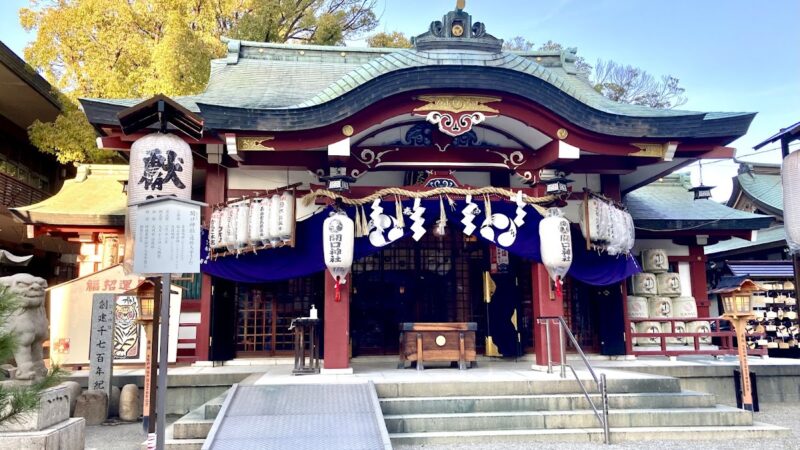
The greatest highlight of Tajihayamehime Shrine is the main hall, which is designated as a National Important Cultural Property. The current main hall was rebuilt in 1541 (Tenbun 10) during the late Muromachi period, making it a valuable structure with a history of approximately 480 years.
The main hall is built in the Sangensha Nagare-zukuri architectural style, characterized by its cypress bark roof. It well preserves the style of shrine architecture from the Muromachi period and is highly valued from an architectural history perspective.
Exquisite Carvings and Decorations
The main hall features exquisite carvings in its details, showcasing the excellent craftsmanship of the Muromachi period. The decorative parts, such as the kibana (wooden brackets) and kaerumata (frog-leg brackets), are adorned with carvings of flowers, birds, and Chinese lions, demonstrating the high level of skill of the craftsmen of the time.
Some of the original coloring remains, conveying the splendor of its past. The beautiful appearance, with its harmonious balance of the building’s overall form and detailed decorations, captivates many visitors.
How to Visit the Main Shrine
While worship is usually conducted from the haiden (worship hall), it is possible to view the main shrine from closer up with a reservation. For those wishing for a detailed tour, it is recommended to contact the shrine in advance. This is a valuable opportunity to admire the architecture of an Important Cultural Property up close.
Information on Goshuin (Shrine Seals) and Goshuincho (Shrine Seal Books)
Abundant Varieties of Goshuin
Tajihayame Shrine is known for its wide variety of goshuin, making it a popular shrine for goshuin collectors. In addition to the regular goshuin, seasonal special goshuin are regularly distributed.
The regular goshuin is a simple yet dignified design, featuring the words “Tajihayame Shrine” written in ink and stamped with the shrine’s seal.
Seasonal Special Goshuin
One of the major attractions of Tajihayame Shrine is the seasonal special goshuin, which are distributed almost monthly. The shrine features beautiful designs incorporating motifs of each season, such as cherry blossoms in spring, hydrangeas in summer, autumn leaves in fall, and camellias in winter.
Particularly popular are the clear goshuin, modern goshuin stamps printed on transparent film. Featuring illustrations of seasonal flowers and shrine-related images, they are highly collectible and sought after as souvenirs of visits.
Original Goshuin Notebooks
Tajihayame Shrine also offers original goshuin notebooks. These beautiful notebooks, featuring designs of the shrine’s main hall and seasonal flowers, are popular as souvenirs and collector’s items.
The design of the goshuin notebooks may change depending on the season, so it is recommended to check during your visit.
Items Offered and Amulets
Amulets for Safe Childbirth and Matchmaking
Tajihayame Shrine offers various amulets corresponding to different blessings.
Safe Childbirth Amulets are charms that protect pregnant women and their unborn babies, and are popular with those praying for a safe delivery. They come in cute designs and are also popular as baby shower gifts.
Marriage Amulets are given to those seeking good relationships or wishing for success in love, and are characterized by their gentle pink and red color schemes.
Amulets for Academic Success and Protection from Misfortune
Because the shrine enshrines Sugawara no Michizane, Academic Success Amulets and Passing Exam Amulets are also popular. These are frequently sought after by students and those preparing for qualification exams.
Protection from Misfortune, based on the blessings of Susanoo-no-Mikoto, is given to those in their unlucky years or those wishing for protection from disaster.
In addition, various other amulets are available, such as Good Fortune Amulets, Health Amulets, and Traffic Safety Amulets, allowing visitors to choose according to their needs.
Highlights of the Shrine Grounds
The Worship Hall and Approach
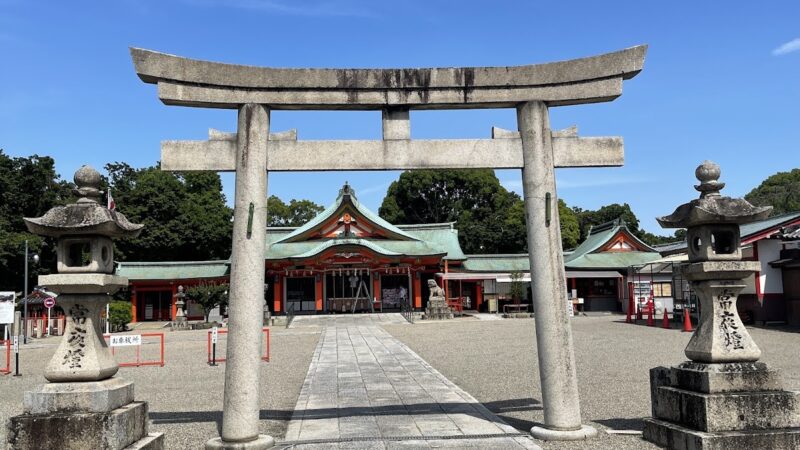
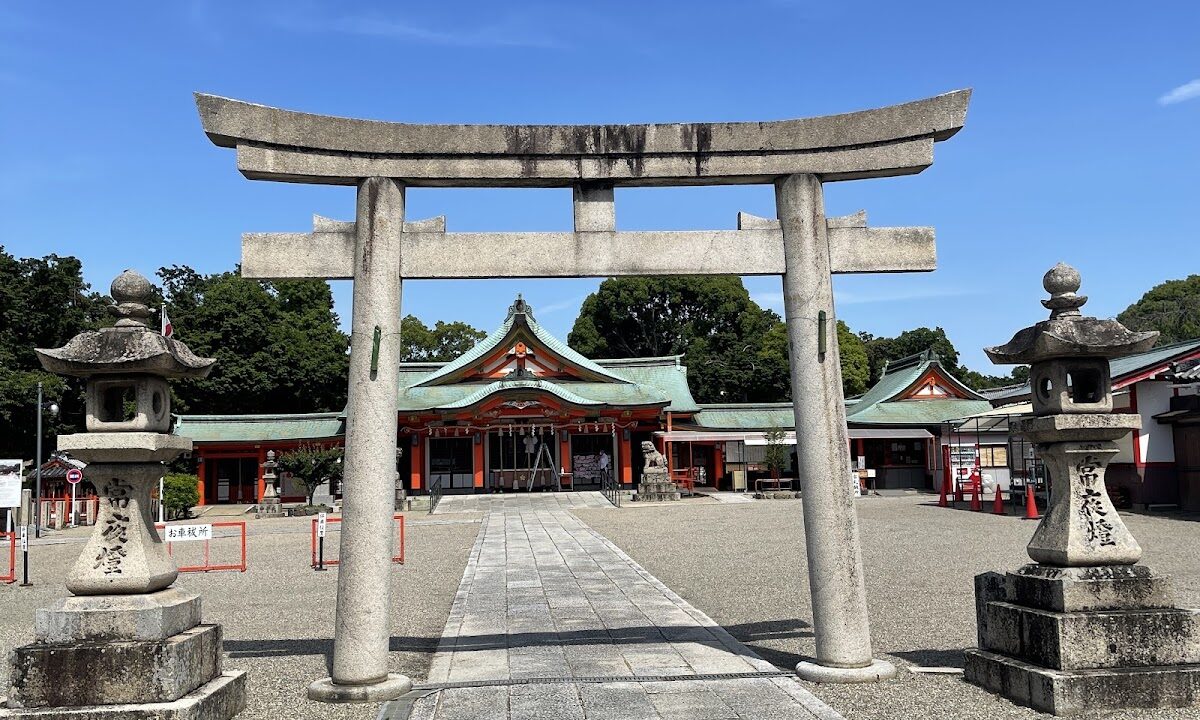
After passing through the torii gate, a lush, green approach leads to the shrine. The quiet and peaceful atmosphere of the grounds provides a healing space that allows you to forget the hustle and bustle of the city.
The worship hall is located in front of the main shrine, where worshippers offer their prayers. From the worship hall, you can see the main shrine, a designated Important Cultural Property, and its majestic appearance is truly awe-inspiring.
Subsidiary Shrines and Stone Monuments
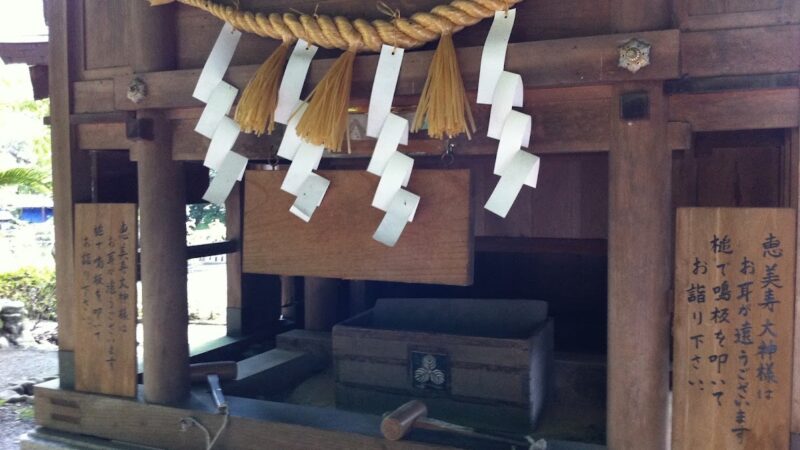
There are several subsidiary shrines within the grounds, each enshrining a different deity. Visiting not only the main shrine but also the subsidiary shrines will allow you to receive even greater blessings.
Stone monuments and lanterns that tell the story of history are scattered throughout the grounds, allowing you to feel the long history of the shrine.
Nature Through the Seasons
The grounds of Tajihayame Shrine are also known for their beautiful nature that can be enjoyed throughout the four seasons. In spring, the shrine displays different scenery with cherry blossoms; in early summer, with fresh greenery; and in autumn, with vibrant autumn leaves.
Especially with the adjacent Arayama Park, it offers a sense of unity, allowing visitors to pray in a peaceful and tranquil natural environment.
Adjacent to Arayama Park
Arayama Park, Famous for its Plum Blossoms
Immediately next to Tajihayame Shrine lies Arayama Park, famous for its plum blossoms. Approximately 1,400 plum trees are planted here, reaching their peak bloom from late February to early March.
The plum grove, with its profusion of white and red blossoms, is breathtaking and has been selected as one of “Osaka’s 100 Best Green Spaces.” Many visitors come during the plum blossom season, enjoying the scenery in conjunction with a visit to the shrine.
Park Facilities
In addition to the plum grove, Arayama Park also has cherry trees, allowing visitors to enjoy both plums and cherry blossoms in spring. There is also a large lawn area and playground equipment, making it a popular spot for families to enjoy picnics.
The walking paths are well-maintained, allowing you to refresh yourself with a leisurely stroll through nature. A day trip combining a visit to Tajihayame Shrine and a walk through Arayama Park is highly recommended.
Annual Festivals and Rituals
Major Annual Festivals
Tajihayame Shrine holds various festivals throughout the year.
The Annual Festival is the most important festival at the shrine, held every October. Parishioners and devotees gather to express gratitude to the gods and pray for the prosperity of the community.
New Year’s Visit attracts many worshippers who pray for safety and happiness in the new year. The first three days of the year are especially crowded, so it is recommended to allow ample time for your visit.
Seasonal Rituals
Setsubun Festival involves bean-throwing to ward off evil and pray for good fortune. It’s a good opportunity to receive the protection of Susanoo-no-Mikoto.
Shichi-Go-San is a time when families celebrate their children’s growth. Many families visit seeking the blessings of Tajihayamehime-no-Mikoto for child-rearing.
In addition, regular Shinto rituals such as monthly festivals are held, preserving the shrine’s traditions.
Access Methods
Access by Train
If using the Senboku Rapid Railway:
- Get off at “Izumigaoka Station,” approximately 20 minutes on foot.
- Take the Nankai Bus from “Izumigaoka Station,” get off at “Miyamadai 2-chome,” approximately 3 minutes on foot.
If using the JR Hanwa Line:
- Get off at “Tsukuno Station,” take the Nankai Bus, get off at “Miyamadai 2-chome,” approximately 3 minutes on foot.
While it is possible to access the shrine on foot from Izumigaoka Station, taking the bus is more convenient. Since bus frequency varies depending on the time of day, it is recommended to check the Nankai Bus timetable in advance.
Access by Car
Hanshin Expressway:
- Approximately 15 minutes from Sakai IC.
Parking:
The shrine’s parking lot is available (free of charge). However, the parking lot can become full during peak seasons such as plum blossom season and New Year’s Day, so please consider using public transportation.
There is also a parking lot at Arayama Park, but it gets very crowded during the plum blossom festival.
Map and Directions
The shrine is located in a residential area and is adjacent to Arayama Park, so it’s easy to find if you aim for the park. There are also signs from Izumigaoka Station.
Address: 2-3-1 Miyayamadai, Minami-ku, Sakai City, Osaka Prefecture
Basic Information for Visiting
Visiting Hours
While visiting the shrine grounds is generally free, the shrine office is open from approximately 9:00 AM to 5:00 PM. If you wish to receive a Goshuin (shrine stamp) or other items, it is recommended to visit within these hours.
Hours may change depending on the season and events, so it’s advisable to check in advance if you are visiting from afar.
Admission Fee
Visiting the shrine is free. Anyone is welcome to visit. If you wish to view the main shrine in detail, advance reservations are required. Please contact the shrine for details.
Phone Number/Contact Information
Phone Number: 072-297-0726
For inquiries regarding worship, prayer reservations, and consultations about viewing the main shrine, please contact the above phone number.
Official Website: http://tajihayahime.com/
The latest announcements and event information can also be found on the official website.
Nearby Tourist Attractions
Daisen Park and Emperor Nintoku’s Mausoleum
Sakai City is home to the “Mozu-Furuichi Kofun Group,” a UNESCO World Heritage Site, and the Emperor Nintoku’s Mausoleum (Daisen Kofun) is known as the largest keyhole-shaped burial mound in Japan. It is approximately a 20-minute drive from Tajihayahime Shrine, offering a glimpse into ancient history.
Daisen Park also houses the Sakai City Museum, where you can learn about burial mounds and the history of Sakai.
Historical and Cultural Facilities in Sakai City
Sakai City has flourished as a trading port since ancient times and is also famous for its tea ceremony culture and cutlery industry. At the Sakai Traditional Industries Hall, you can view and purchase traditional crafts such as knives, incense sticks, and dyed Japanese bleached cotton fabrics.
At Sakai Rishonomori, you can learn about Sen no Rikyu and Yosano Akiko, and enjoy a tea ceremony experience in the tea room.
Points to Note and Manners When Visiting a Shrine
Proper Etiquette for Visiting a Shrine
Please observe the basic etiquette for visiting a shrine and pray with sincerity.
- Bow before entering the shrine grounds.
- Cleanse your hands and mouth at the water basin.
- Place your offering in front of the main hall.
- Pray using the two bows, two claps, and one bow method.
Photography
Photography is generally permitted on the shrine grounds, but photography inside the main hall and during festivals may be restricted. Please be considerate of other visitors and observe proper etiquette when taking photos.
Attire
While there are no specific dress code requirements, it is desirable to wear clothing that reflects the sacred nature of the place. Formal attire is recommended for formal worship or prayers.
Summary: The Charm of Tajihayahime Shrine
Located in Minami-ku, Sakai City, Osaka Prefecture, Tajihayahime Shrine is a shrine listed in the Engishiki (an ancient Japanese legal code) with a history of over 1400 years. It is beloved by many for its blessings related to safe childbirth, matchmaking, protection from evil, and academic success.
The main hall, designated a National Important Cultural Property from the Muromachi period, captivates visitors with its exquisite carvings and superior architectural style. The wide variety of goshuin (shrine stamps) further enhances the enjoyment of visiting. The seasonal special goshuin and clear goshuin are particularly appealing to goshuin collectors.
The plum grove in the adjacent Arayama Park boasts approximately 1,400 plum trees in full bloom from February to March, allowing visitors to enjoy the changing seasons in conjunction with their shrine visit. Easily accessible from Izumigaoka Station on the Senboku Rapid Railway, and with ample parking, it’s conveniently located for those traveling by train or car.
Tajihayame Shrine enshrines three deities: the goddess Tajihayame-no-Mikoto, Susanoo-no-Mikoto, and Sugawara no Michizane, bestowing a variety of blessings. Please visit this charming shrine where history, nature, and modern goshuin (shrine stamp) culture harmonize. You’ll be able to pray with a peaceful heart and feel the blessings of the gods.