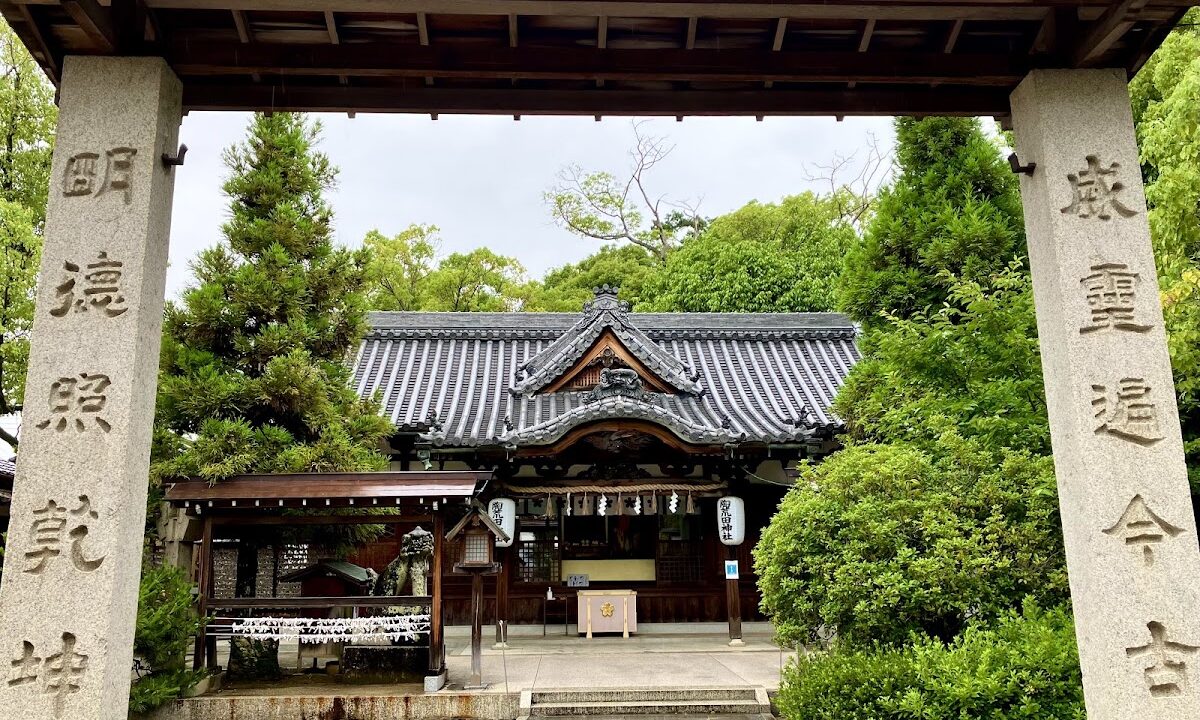
Complete Guide to Sue-Arata Shrine | History and Goshuin Information of the Shikinaisha Shrine Located in the Birthplace of Sue Ware
Sue-Arata Shrine is a Shikinaisha shrine located in Kami-no, Naka-ku, Sakai City, Osaka Prefecture, in the former Otori District of Izumi Province. Situated in the birthplace of Sue ware, considered the ancestor of Japanese pottery, it is also known as “Touki Omiya” (Pottery Grand Shrine). This shrine, with its deep connection to pottery production since ancient times, is an important presence that conveys the history and culture of the region, attracting attention from many worshippers and history enthusiasts.
This article comprehensively introduces useful information for visiting Sue-Arata Shrine, including its detailed history, enshrined deities, highlights within the grounds, goshuin information, and access methods.
Basic Information about Touarata Shrine
Location: 1215 Kami, Naka-ku, Sakai City, Osaka Prefecture
Shrine Rank: Shikinaisha (Izumi Province, Otori District), Former Village Shrine
Alternate Name: Touki Daigu
Main Deities: Takamimusubi-no-Mikoto, Tsurugine-no-Mikoto, Yaekotoshironushi-no-Mikoto, Sugawara Michizane
Touarata Shrine is a historic shrine that existed before the development of Senboku New Town and continues to attract the faith of local residents.
About the Deities
Main Deities
Touarata Shrine enshrines four main deities.
Takamimusubi-no-Mikoto
One of the three creation gods who appeared at the time of the creation of heaven and earth, this god presides over the creation of all things. In the Kojiki, this deity is recorded as Takamimusubi-no-kami, and in the Nihon Shoki, as Takamimusubi-no-mikoto.
Tsurugi-no-mikoto
A deity considered to be the tenth-generation descendant of Susanoo-no-mikoto, and known as the ancestral deity of Otataneko-no-mikoto. A deity deeply associated with pottery making.
Yaekotoshironushi-no-mikoto
A son of Okuninushi-no-mikoto, this deity played a crucial role in the transfer of the land. Also worshipped as a god of business prosperity and fishing.
Sugawara-no-michizane
A politician and scholar of the Heian period, widely known as the god of learning. It is believed that he was enshrined here later.
Deities enshrined in subsidiary shrines
Several subsidiary shrines exist within the grounds, enshrining the following deities:
- Ichikishima-hime no Mikoto: One of the three Munakata goddesses
- Ikutama-yori-hime no Mikoto: Another name for Tama-yori-hime
- Otataneko no Mikoto: The person who presided over the rituals of Mount Miwa
- Amenominakanushi no Mikoto: The first god to appear at the creation of heaven and earth
These deities have deep connections to pottery making and the history of the region.
Origin and History
Origin of Founding
The exact founding date of the Toarata Shrine is not clearly known, but according to shrine tradition, it dates back to ancient times. It is said to have originated when Otataneko, the tenth-generation descendant of Susanoo no Mikoto, built a shrine in this area.
Ota Taneko is a highly historical figure who appears in the *Nihon Shoki* (Chronicles of Japan). During the reign of Emperor Sujin, he served as a priest dedicated to Omononushi-no-kami, overseeing the rituals of Mount Miwa. It is said that his descendants settled in this area and engaged in pottery production.
Relationship with Sue-mura
The area around Naka Ward in Sakai City, where the Sue-arata Shrine is located, was formerly known as “Sue-mura” (Pottery Village). From the 5th to the 8th centuries, Sue-mura flourished as the largest production center of Sue ware in Japan.
Sue ware is a hard pottery produced using high-temperature firing techniques introduced from the Korean Peninsula, a groundbreaking product distinct from the earlier Haji ware. Over 1,000 kiln sites have been discovered in Sue-mura, archaeologically proving its status as a center of pottery production in ancient Japan.
The Sue Arata Shrine, located in the birthplace of Sue ware pottery, is also known as “Toki Omiya” (Great Shrine of Pottery) and has attracted the faith of people involved in pottery production.
Connection with the Arata Clan
According to shrine tradition, the Arata clan, who resided in this area, worshipped at this shrine and named it “Sue Arata” by combining it with the place name “Toki” (pottery). The Arata clan is thought to have been related to ancient pottery production groups and played an important role as a group of skilled artisans.
Status as a Shikinaisha (Shrine Listed in the Engishiki)
The Sue Arata Shrine is a Shikinaisha (shrine listed in the Engishiki Jinmyocho), compiled during the Heian period. While there are several Shikinaisha in Otori District, Izumi Province, the Sue Arata Shrine is recognized as one of the oldest.
Its status as a Shikinaisha indicates that it has been an important object of worship in this region since ancient times.
Changes Since the Early Modern Period
During the Edo period, it was revered as a village shrine and the local tutelary deity. Under the Meiji era’s shrine system, it was ranked as a village shrine.
Since the 1960s, the surrounding area has been drastically transformed by the development of Senboku New Town, but the Sueharata Shrine escaped development and still retains its former appearance.
Highlights of the Shrine Grounds
Torii Gate and Approach
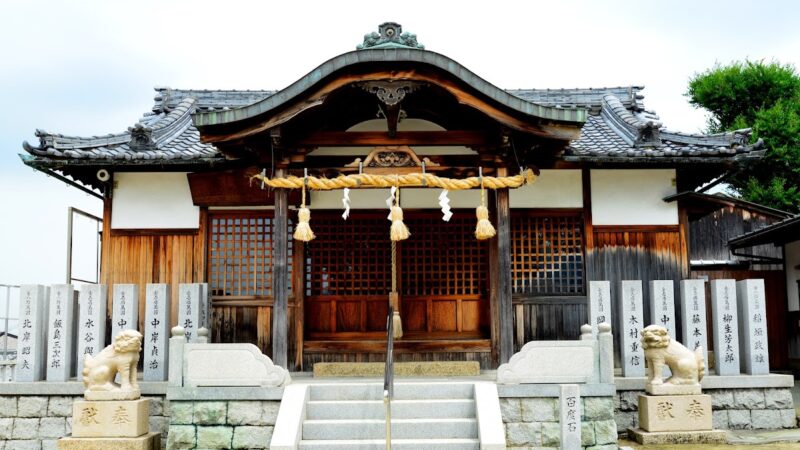
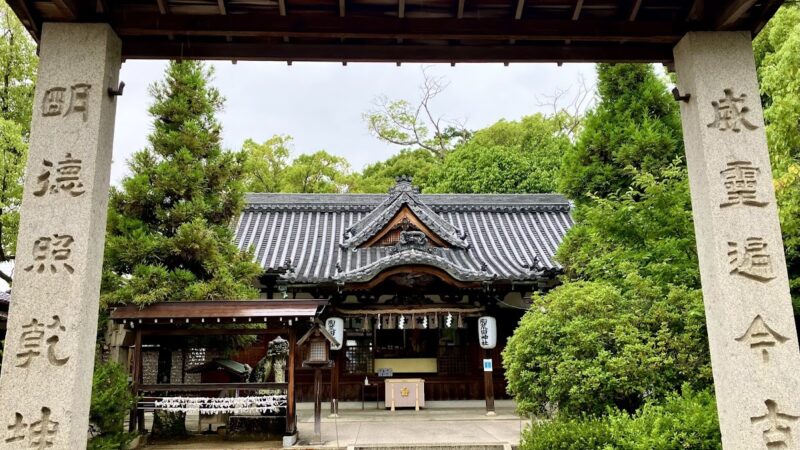
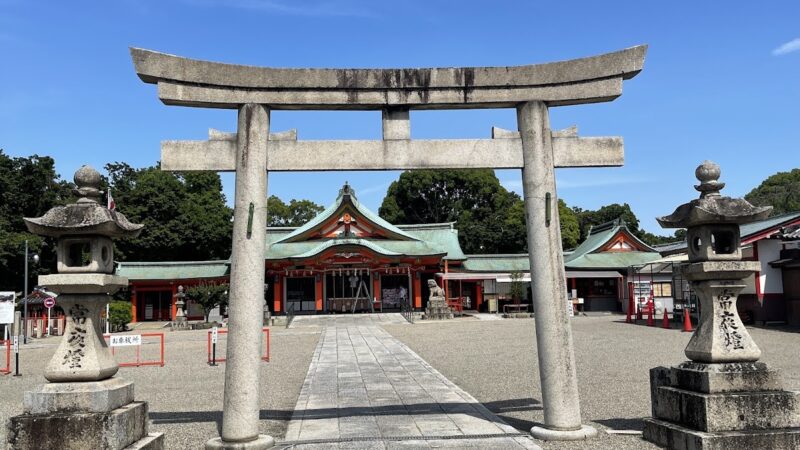
A magnificent torii gate stands at the entrance to Sueharata Shrine. Passing through the gate, a quiet approach surrounded by trees continues. Despite being in the urbanized city of Sakai, the shrine grounds maintain a lush, tranquil atmosphere.
As you proceed along the approach, lanterns are placed on both sides, creating a sense of the shrine’s dignity.
Worship Hall and Main Sanctuary
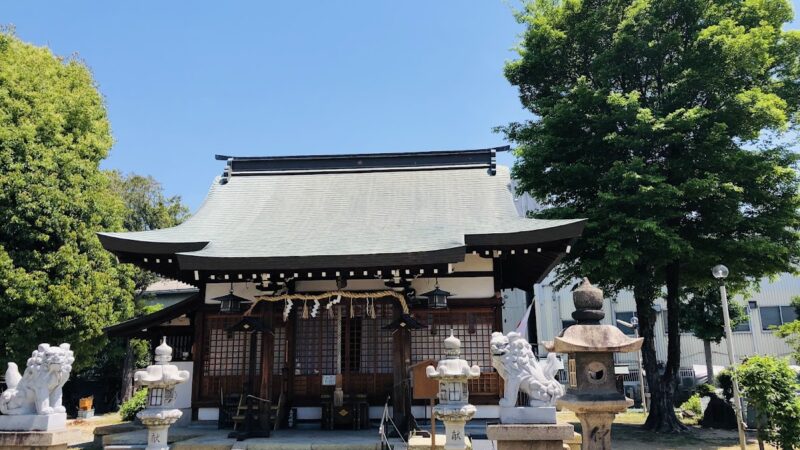
The worship hall is built in the traditional shrine architectural style, where worshippers offer their prayers. The main sanctuary is located behind the worship hall and enshrines the principal deity.
The architectural style, while simple, conveys a sense of dignity and possesses the character of a local shrine.
Subsidiary Shrines
Several subsidiary shrines are scattered throughout the grounds. Each enshrines a different deity, attracting worshippers seeking various blessings.
The shrine dedicated to Ichikishimahime-no-Mikoto is associated with Benzaiten worship and is revered as the goddess of performing arts and wealth. The shrine dedicated to Otataneko-no-Mikoto is a place of worship for those praying for improvement in pottery making and techniques.
Nature within the Shrine Grounds
The shrine grounds are home to many ancient trees, particularly large camphor and pine trees, which create a sacred atmosphere. The nature within the grounds, which changes with the seasons, provides tranquility to worshippers.
Cherry blossoms bloom in spring, and the autumn leaves are beautiful, allowing visitors to enjoy the scenery of each season.
Goshuin (Shrine Seal) Information
Goshuin are available at Toarata Shrine. Goshuin are popular among worshippers as proof of their visit and as a memento of their shrine pilgrimage.
Characteristics of the Goshuin (Shrine Seal)
The goshuin of Suearata Shrine features the shrine’s name written in ink and stamped with a red seal. Simple yet dignified, this goshuin represents the shrine’s history and tradition.
Hours and Location of Issuance
Goshuin are only available during the shrine office’s opening hours. However, since there may not always be a resident priest, it is recommended to contact the shrine in advance or visit during events such as the annual festival if you wish to be sure to receive a goshuin.
About Goshuincho (Shrine Seal Books)
It is recommended to check upon your visit whether Suearata Shrine has its own original goshuincho. You can also have your own goshuincho stamped.
Annual Events and Festivals
Suearata Shrine holds various Shinto rituals and festivals throughout the year.
Annual Festival
The annual festival is held every October. This is the most important festival for the shrine, and local residents gather for events such as a portable shrine procession and offering ceremonies.
First Shrine Visit of the Year
During the New Year, the shrine is bustling with visitors for their first shrine visit of the year. People come to pray for safety and prosperity in the new year, and the grounds are filled with a refreshing atmosphere.
Other Events
Throughout the year, traditional Shinto rituals such as the Setsubun Festival, the Summer Purification Ceremony, and the Autumn Harvest Festival are held. These events are important opportunities to pass on the local culture and traditions to future generations.
Benefits of Sue-Arata Shrine
The benefits of Sue-Arata Shrine are diverse, stemming from the characteristics of the enshrined deities.
Industrial Development and Technological Improvement
Located in the birthplace of Sue ware pottery, and deeply connected to pottery production, the shrine is believed to offer benefits for industrial development and technological improvement. It particularly attracts worshippers from manufacturing and artisans.
Academic Success
As Sugawara no Michizane is enshrined here, the shrine offers benefits for academic success and passing exams. Many students and those preparing for exams visit the shrine.
Business Prosperity
Yaekotoshironushi-no-Mikoto is also known as the god of business prosperity, and visitors come to pray for business success and prosperity.
Good Fortune and Happiness
Takami-no-Mikoto is the god who governs the creation of all things, and is believed to bring good fortune, happiness, and safety to the family.
Access Information
Access by Public Transportation
Using the Senboku Rapid Railway
- Approximately 20 minutes on foot from Fukai Station on the Senboku Rapid Railway
- Take a bus from Izumigaoka Station on the Senboku Rapid Railway and get off at Tokiyama bus stop, then approximately 5 minutes on foot
Using Nankai Bus
- Get off at Tokiyama bus stop on the Nankai Bus and approximately 5 minutes on foot
- Get off at Kamino bus stop on the Nankai Bus and approximately 10 minutes on foot
Several shrines are scattered along the Senboku Rapid Railway line, making it possible to enjoy a shrine pilgrimage.
Access by Car
Using the Hanwa Expressway
- Approximately 10 minutes from the Hanwa Expressway “Sakai IC”
Parking
While there may be parking spaces on the shrine grounds or nearby, the number of spaces is limited, so we recommend using public transportation. Congestion is especially expected during festivals.
Address and Navigation Settings
Address: 1215 Kami-no, Naka-ku, Sakai City, Osaka Prefecture
Entering “Toarata Shrine” or the above address into your car navigation system or smartphone map app will display the exact location.
Nearby Attractions
Tokiyama Ruins
Numerous ancient Sue ware kiln sites have been discovered around Toarata Shrine. The Tokiyama Ruins are part of the Tokimura Kiln Site Group and are an important site for understanding Japanese pottery culture.
Senboku New Town
The area surrounding the shrine is a residential area developed as part of Senboku New Town. The contrast between the systematically developed townscape and the shrine with its ancient history makes this an interesting area.
Other Shikinaisha Shrines
Several Shikinaisha shrines exist in Izumi Province. When visiting Suearata Shrine, it’s a good idea to also visit the surrounding Shikinaisha shrines.
Manners and Precautions for Worship
Basic Worship Etiquette
- Bow before passing through the torii gate.
- Avoid walking in the center of the path (the center is the path for the gods).
- Cleanse your hands and mouth at the purification fountain.
- Bow twice, clap twice, and bow once in front of the main hall.
Photography
Photography is generally permitted on the shrine grounds, but you should refrain from taking photos inside the main hall or during Shinto rituals, or obtain permission. Please be considerate of other worshippers.
Attire
There are no specific dress code requirements, but it is best to be mindful of the sacred nature of the place and wear clean, understated clothing.
Cultural Value of Toarata Shrine
Importance in the History of Japanese Pottery
Toarata Shrine, situated in the birthplace of Japanese pottery culture, holds significant cultural and historical importance. Sue ware was the dominant product in Japanese pottery production from the Kofun period to the Heian period, and its techniques continue to influence modern pottery.
Witness to Local History
Toarata Shrine, which has watched over the history of this region from ancient times to the present, is a valuable resource for understanding local history. Amidst urban development, its value as a place that conveys the memories of ancient times is increasing.
Inheritance of Faith
With its status as a Shikinaisha (a shrine listed in the Engishiki, an ancient Japanese legal text), Toarata Shrine continues to attract the faith of local residents as their tutelary deity, playing an important role in conveying the tradition of Japanese shrine faith to the present day.
Summary
Toarata Shrine, as a venerable Shikinaisha located in the birthplace of Japanese Sue ware, is a shrine of historical and cultural importance. Deeply connected to ancient pottery making, this shrine has long been affectionately known as “Touki Omiya” (Pottery Grand Shrine).
It enshrines four main deities: Takamimusubi-no-Mikoto, Tsurugine-no-Mikoto, Yaekotoshironushi-no-Mikoto, and Sugawara no Michizane. It is believed to offer various blessings, including industrial development, technological advancement, academic success, and business prosperity. The shrine grounds are lush and tranquil, maintaining a peaceful atmosphere, making it a valuable sanctuary in the increasingly urbanized city of Sakai.
Within walking distance of Fukai Station on the Senboku Rapid Railway, it is easily accessible, and you can also receive a Goshuin (shrine stamp). When visiting Sakai City, why not visit Toarata Shrine and experience the origins of Japanese pottery culture?
Toarata Shrine, steeped in history, tradition, and the faith of the local people, is a special place that offers deep inspiration and peace to visitors.