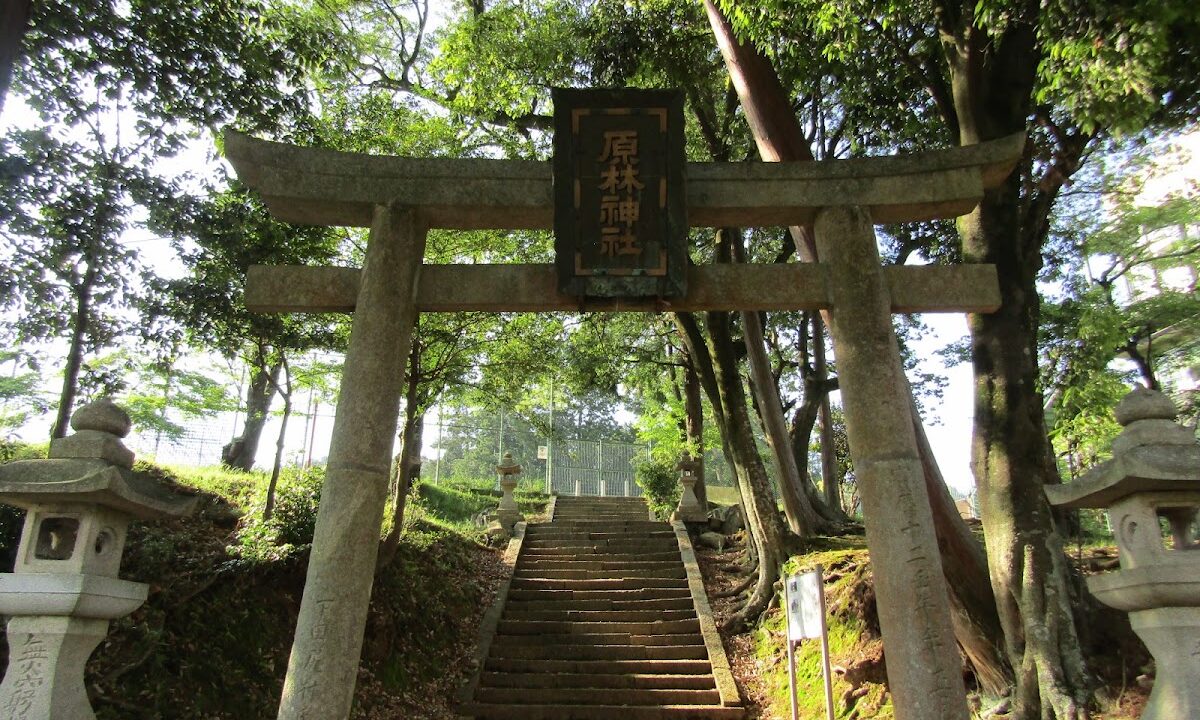
Harabayashi Shrine (Osaka Prefecture) Complete Guide | History and Access to a Rare Shrine Located on a School Grounds
Harabayashi Shrine, located in Nose-cho, Toyono-gun, Osaka Prefecture, is known as an extremely rare shrine located within a primary school’s grounds. This article provides a detailed introduction to Harabayashi Shrine, including its history, enshrined deities, unique location, worship methods, and access information.
Basic Information on Harabayashi Shrine
Shrine Name: Harabayashi Shrine
Location: 162 Shimotajiri, Nose-cho, Toyono-gun, Osaka 563-0123
Enshrined Deity: Susanoo-no-Mikoto
Founded: 1180 (Jisho 4)
Shrine Rank: Village Shrine
Harabayashi Shrine has long been revered by local residents as the tutelary shrine of the Shimotajiri district of Nose-cho. Registered with the Osaka Prefectural Shrine Association, it is positioned as one of the representative shrines of Nose Town, Toyono District.
The Most Unique Feature of Harabayashi Shrine | Its Unusual Location within a Schoolyard
The most unique feature of Harabayashi Shrine is its extremely rare location within the schoolyard of Tajiri Elementary School. There are only a few examples of shrines located within school grounds throughout Japan, making it a noteworthy “unusual sight.”
Why is there a shrine within a schoolyard?
Since the Meiji era, when school construction progressed throughout Japan, many shrines were forced to relocate. However, in the case of Harabayashi Shrine, due to the strong faith of the local residents and the historical importance of the shrine, it remained in its original location even after the school was built. As a result, the school’s site plan proceeded in a way that surrounded the shrine, resulting in its current unique layout.
Why is there a shrine within a schoolyard?
Since the Meiji era, when school construction progressed throughout Japan, many shrines were forced to relocate. However, in the case of Harabayashi Shrine, due to the strong faith of the local residents and the shrine’s historical importance, it remained in its original location even after the school was built. As a result, the school’s site plan proceeded in a way that surrounded the shrine, resulting in its current unique arrangement. ### Points to Note When Visiting
Since the shrine is located within the school grounds, please note the following points when visiting:
- It is advisable to refrain from visiting during weekdays in the daytime due to school hours.
- Weekends, holidays, and long school breaks are suitable times to visit.
- Entry may be restricted on days with school events.
- Since you will be passing through the school grounds to reach the shrine, you must act quietly.
- Parking is limited, so the use of public transportation is recommended.
From the school gate to the shrine grounds, you will need to climb stairs and access the shrine by crossing the school grounds. This unique route itself is a special experience unique to Harabayashi Shrine.
Deity Enshrined | About Susanoo-no-Mikoto
The deity enshrined at Harabayashi Shrine is Susanoo-no-Mikoto.** Hayasusanoo-no-Mikoto is a deity appearing in Japanese mythology and possesses the following divine attributes:
Divine Attributes and Virtues of Hayasusanoo-no-Mikoto
- Protection from Misfortune and Disaster: From the myth of slaying Yamata-no-Orochi, he is worshipped as a god who wards off disasters.
- Protection from Plague: Synchronized with Gozu Tenno, he is also revered as a god who wards off plagues.
- God of Agriculture: He also has an aspect as a god who presides over abundant harvests.
- Matchmaking: From the myth of his marriage to Kushinadahime, he is also known as a god of good relationships.
- Industrial Development: A god who protects the development of various industries.
In rural areas like Nose Town, the worship of Hayasusanoo-no-Mikoto as a god of abundant harvests and protection from disasters is strong, and Harabayashi Shrine has played an important role as a guardian deity of the region.
History of Harabayashi Shrine
From Founding to the Present
Harabayashi Shrine is said to have been founded in Jisho 4 (1180). This year was during the Genpei War, a turbulent period at the end of the Heian period. As an ancient shrine with a history of over 840 years, it has walked hand in hand with the history of the Shimotajiri area.
Harabayashi Shrine in the Edo Period
During the Edo period, it became a village shrine deeply rooted in the community, and festivals were held as the tutelary deity of Shimotajiri Village. The Nose region belonged to Settsu Province and developed as an agricultural area close to Osaka, so Harabayashi Shrine was a central presence in the local community.
Changes Since the Meiji Era
With the reform of the shrine system during the Meiji era, Harabayashi Shrine was officially recognized as a village shrine. Later, when Tajiri Elementary School was constructed during the Showa era, the unique location described above arose. Even as the eras changed through Heisei and Reiwa, the faith of the local residents has remained unchanged.
Shrine Grounds and Highlights
Shrine Buildings and Facilities
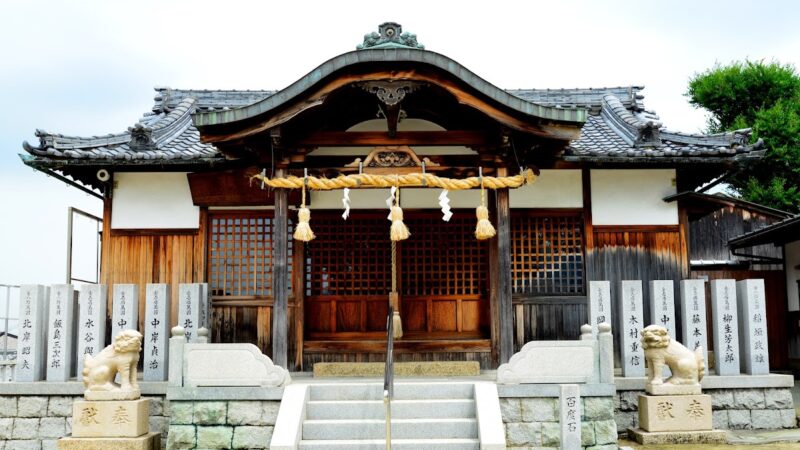
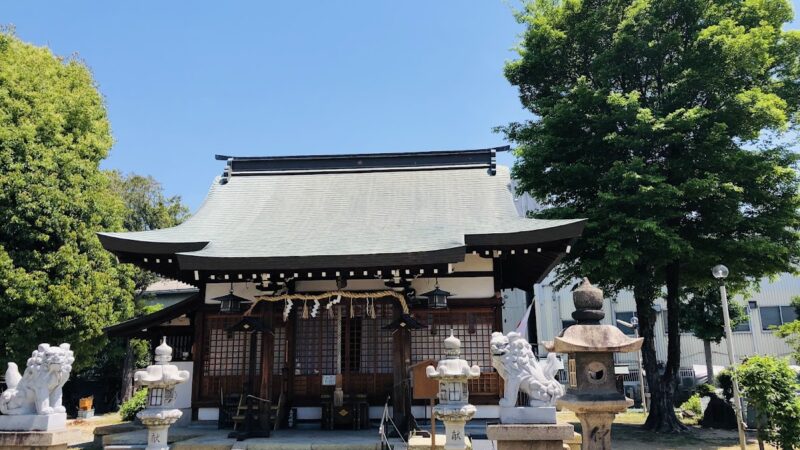
Despite its location within a schoolyard, Harabayashi Shrine maintains a sacred atmosphere:
- Main Hall: A shrine building in the traditional style of Shinto architecture
- Worship Hall: A place where worshippers offer prayers
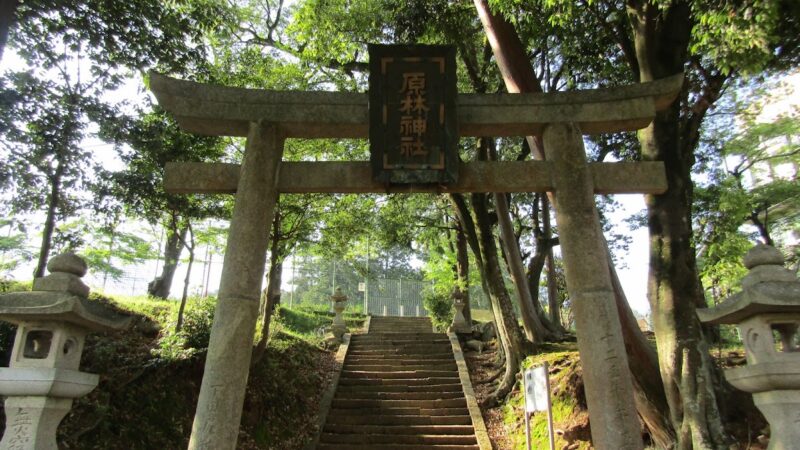
- Torii Gate: A symbol of the sacred area standing at the entrance to the shrine grounds
- Stone Steps: The path leading from the schoolyard to the shrine grounds
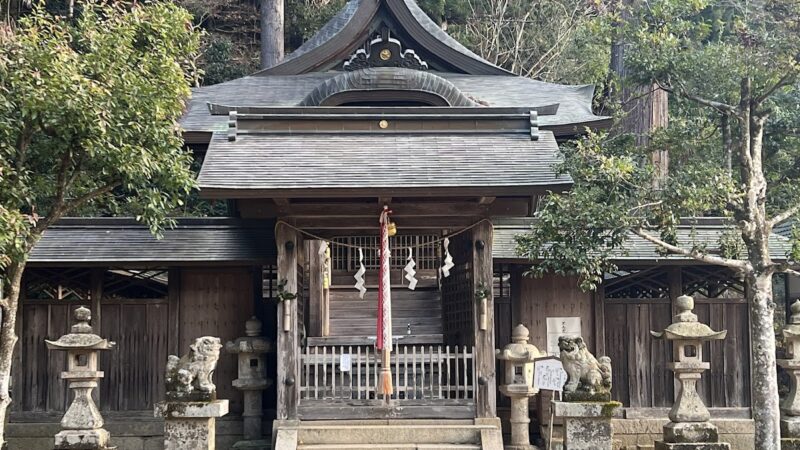
- Subsidiary Shrines: Small auxiliary shrines
Natural Environment
Nose Town is located at the northernmost tip of Osaka Prefecture and is blessed with abundant nature. The area around Harabayashi Shrine is also lush with greenery, allowing visitors to experience the beauty of nature throughout the seasons. The scenery is particularly beautiful during the fresh greenery of spring and the vibrant autumn foliage.
Annual Events and Festivals
At Harabayashi Shrine, the following annual events are held while preserving local traditions:
Main Festivals
- Annual Festival: The most important festival held once a year, where local residents gather and perform Shinto rituals.
- New Year’s Visit: Local people visit the shrine for New Year’s prayers during the first three days of the New Year.
- Setsubun Festival: As befits a shrine dedicated to Susanoo-no-Mikoto, the god of protection against evil, a Setsubun ritual is performed.
- Summer Festival: A summer tradition in the area, a festival in which children also participate.
Due to its location within the school grounds, the shrine is familiar and beloved by local children, and many families participate in the festivals.
Access Methods
Access by Public Transportation
The following methods are convenient for accessing Harabayashi Shrine:
Using Hankyu Bus
- Nearest bus stop: “Shimodajiri” bus stop
- Approximately 5-8 minutes on foot from the bus stop
- Hankyu buses operate within Nose Town.
Train and Bus Combination
- Get off at Nose Railway “Yamashita Station” or “Myokenguchi Station”
- Transfer to Hankyu Bus
- Get off at “Shimodajiri” bus stop
- Walk to Harabayashi Shrine.
Access by Car
Route from Major Roads
- Use Osaka Prefectural Road 4, Ibaraki-Nose Line
- Via Osaka Prefectural Road 603, Yoshino-Shimodajiri Line
- Set your car navigation system to “162 Shimodajiri, Nose-cho, Toyono-gun, Osaka Prefecture” or “Tajiri Elementary School”.
Parking Information
- Dedicated parking for worshippers is limited.
- On weekends and holidays when there are no school events, parking may be available around the school grounds.
- It is recommended to check with the Nose Town Hall or shrine officials in advance.
Distance from major nearby spots
- From central Osaka: Approximately 1 hour to 1 hour 30 minutes by car
- From Toyonaka City: Approximately 45 minutes by car
- From Kawanishi City: Approximately 30 minutes by car
- From Nose Town Hall: Approximately 10 minutes by car
Nearby tourist spots
When visiting Harabayashi Shrine, it is recommended to also visit other tourist spots in Nose Town:
Main tourist attractions in Nose Town
Nose Myokenzan
A representative tourist spot in Nose Town, known as a sacred site of the Nichiren sect. From the mountaintop at an altitude of 660 meters, you can enjoy a panoramic view of the Osaka Plain.
Joruri Theater
Nose Town is considered one of the birthplaces of Joruri, and there is a facility where you can enjoy traditional performing arts.
Nose Onsen
A local hot spring facility, perfect for relaxing after visiting the shrine.
Michi-no-Eki Nose (Kurino-sato)
You can purchase local agricultural products, including chestnuts, a specialty of Nose Town.
Other Shrines in Nose Town
Besides Harabayashi Shrine, Nose Town has several other shrines, allowing you to enjoy a shrine tour:
- Noma Shrine: An ancient shrine located in the center of Nose Town
- Kuragaki Tenmangu Shrine: A shrine dedicated to the god of learning
- Katayama Shrine: A shrine worshipped as the local guardian deity
Visiting these shrines will allow you to gain a deeper understanding of Nose Town’s history and culture.
About Goshuin (Shrine Seals)
Goshuin are available at Harabayashi Shrine. However, since there is no permanently staffed shrine office, please note the following points when obtaining a Goshuin (shrine stamp):
How to Obtain a Goshuin
- Harabayashi Shrine Office: Usually unstaffed, so prior contact may be necessary.
- On Festival Days: Shrine staff are present, making it easier to obtain a Goshuin.
- Pre-printed Goshuin Available: Depending on the time of year, pre-printed Goshuin may be available.
If you want to be sure to obtain a Goshuin, we recommend contacting the Osaka Prefectural Shrine Association or the Nose Town Tourism Association in advance.
Manners and Precautions for Visiting a Shrine
Basic Manners for Visiting a Shrine
- Bow before the torii gate: A courtesy before entering the sacred area
- Avoid walking in the center of the approach: The center is considered the path of the gods
- Purify yourself at the water basin: Cleanse your hands and mouth before praying
- Two bows, two claps, one bow: The general etiquette for visiting a shrine
- Pray quietly: Consideration is especially necessary as it is on school grounds
Points to Note Specific to Harabayashi Shrine
- Respect the school grounds: Do not get too close to the schoolyard or school buildings
- Consider the safety of the children: Pay particular attention if there are school events
- Photography: Consideration is necessary if school facilities are included in the photos
- Take your trash home: To keep the school environment clean
- Do not make noise: Consideration for the learning environment
Relationship between Nose Town and Harabayashi Shrine
Overview of Nose Town
Nose Town is located in the northernmost part of Osaka Prefecture, bordering Hyogo and Kyoto Prefectures, nestled in a mountainous area. Although a small town with a population of approximately 10,000, it boasts abundant nature and a rich historical culture.
Characteristics of Nose Town:
- One of the highest elevation regions in Osaka Prefecture
- Famous for its chestnut production
- A tourist destination centered around Nose Myokenzan Mountain
- A region where traditional culture, such as Joruri (puppet theater), remains.
Local Community and Shrines
Harabayashi Shrine serves as the tutelary shrine of the Shimotajiri district, acting as a spiritual pillar for the local community. In small rural settlements facing depopulation, shrines play a crucial role in maintaining the bonds between residents.
Annual events and festivals provide opportunities for those who have moved away to return to their hometown, fostering intergenerational exchange. Its location within a schoolyard creates an environment where children become familiar with the shrine from a young age, which is significant from the perspective of passing on faith.
Significance of Visiting Harabayashi Shrine
Historical Value
Founded in 1180 (Jisho 4), Harabayashi Shrine boasts a history of over 840 years and is a valuable cultural heritage site that conveys the history of the Nose region. As a place of worship that has continued since the late Heian period, it allows visitors to experience the region’s history firsthand.
Cultural Value
Its location—a shrine within a schoolyard—is rare nationwide and represents a unique cultural landscape born during Japan’s modernization. The coexistence of a shrine and a school, two facilities with different characteristics, is an interesting case study for considering Japanese religious views and the nature of local communities.
Spiritual Value
In modern society, shrines are becoming increasingly important as places of peace and tranquility. By praying in the quiet grounds of Harabayashi Shrine, one can escape the hustle and bustle of everyday life and have time to reflect on oneself.
Summary
Harabayashi Shrine, located in Nose-cho, Toyono-gun, Osaka Prefecture, is a shrine known for its unusual location within the grounds of an elementary school. Founded in 1180, it has long been revered by the local community, with Susanoo-no-Mikoto as its enshrined deity.
When visiting, please be mindful of its unique location within school grounds and choose weekends, holidays, or long school breaks. Access is convenient via a 5-8 minute walk from the Shimodajiri bus stop (Hankyu Bus) or by car using the Osaka Prefectural Road.
Why not visit Harabayashi Shrine, known for its unique location, while experiencing the rich nature and historical culture of Nose-cho? The tranquil atmosphere of the shrine, carefully preserved by the local community, is sure to provide a special experience for visitors.