Complete Guide to Niiya-ni-masu Amateru Mitama Shrine (Ibaraki City, Osaka Prefecture) | History, Goshuin (Shrine Seal), and Access Information for the Three Shrines
Niiya-ni-masu Amateru Mitama Shrine is a prestigious shrine with a history of approximately 2100 years, located in Ibaraki City, Osaka Prefecture. Notably, it has the rare distinction of having three shrines with the same name within Ibaraki City. This article comprehensively introduces information you should know before visiting, including the history of each shrine, the enshrined deities, highlights of the grounds, goshuin information, and access methods.
What is Niiya-ni-masu Amateru Mitama Shrine?
Niiya-ni-masu Amateru Mitama Shrine is a historically significant shrine listed in the Engishiki Jinmyocho (a list of shrines compiled in the Heian period), holding the highest rank of Myojin Taisha (a major shrine). The shrine’s name means “Amateru Mitama residing in Niiya,” and it is believed to enshrine the Aramitama (fierce spirit) of Amaterasu Omikami.
Currently, three shrines in Ibaraki City, Osaka Prefecture, bear the name “Araya-za Amaterasu Mitama Shrine”:
- Araya-za Amaterasu Mitama Shrine in Nishifukui (commonly known as Araya Shrine)
- Araya-za Amaterasu Mitama Shrine in Shukukusho
- Araya-za Amaterasu Mitama Shrine in Nishigawara
All three shrines claim to be Shikinaisha (shrines listed in the Engishiki), and there are various theories as to which is the original Araya-za Amaterasu Mitama Shrine. Each has its own unique history and characteristics, and attracts local devotion.
History
Founding and Ancient Beliefs
The founding of Araya-za Amaterasu Mitama Shrine is said to date back to the time of Emperor Sujin, the 10th emperor. Approximately 2100 years ago, in the 6th year of Emperor Sujin’s reign, Ikagashikoo-no-Mikoto is said to have descended to this land by imperial command and founded the shrine.
Ikashikoo-no-Mikoto is a figure who appears in the Kojiki and Nihon Shoki, and is considered to be a member of the imperial family who was active during the reign of Emperor Sujin. This mythical founding legend suggests that Araya-ni-imasu Amaterasu Mitama Shrine had deep ties with the imperial court from ancient times.
Status as a Myojin Taisha
In the Engishiki Jinmyocho, compiled during the Heian period, Araya-ni-imasu Amaterasu Mitama Shrine is listed as a “Myojin Taisha.” A Myojin Taisha is a shrine that enshrines a particularly miraculous deity and received special reverence from the imperial court.
While there were many Shikinaisha shrines in Settsu Province (present-day northern Osaka Prefecture to southeastern Hyogo Prefecture), only a small fraction of them were listed as Myojin Taisha. This indicates that Araya-ni-imasu Amaterasu Mitama Shrine was an extremely important shrine in ancient times.
From the Medieval to the Early Modern Period
In the medieval period, there is a legend that Fujiwara no Kamatari visited this shrine. Kamatari was a central figure in the Taika Reforms and is known as the ancestor of the Fujiwara clan. The record of such a noble figure’s visit speaks to the high status of the shrine.
During the Sengoku period, like many other shrines, it was affected by war, but it was preserved through the faith of the local people. During the Edo period, each shrine gained reverence as a local tutelary deity, developing into its current form.
Modern Era
With the Meiji-era reform of the shrine system, the three shrines came to be recognized as independent shrines. Currently, each is carefully preserved as a center of the local community and as a historical cultural asset.
Characteristics of Each of the Three Shrines
Shin’ya-za Amaterasu Mitama Shrine (Shin’ya Shrine) in Nishifukui
Location: 3-36-1 Nishifukui, Ibaraki City, Osaka Prefecture
Phone Number: 072-643-0139
This shrine is the largest of the three and also operates an official website. This shrine, affectionately known as “Araya Shrine,” attracts many worshippers.
Main Deities
- Amateru Kuniteruhiko Hoakari no Mikoto
- Amaterasu Omikami’s Aramitama (fierce spirit)
- Ikashikoo no Mikoto
Features of the Shrine Grounds
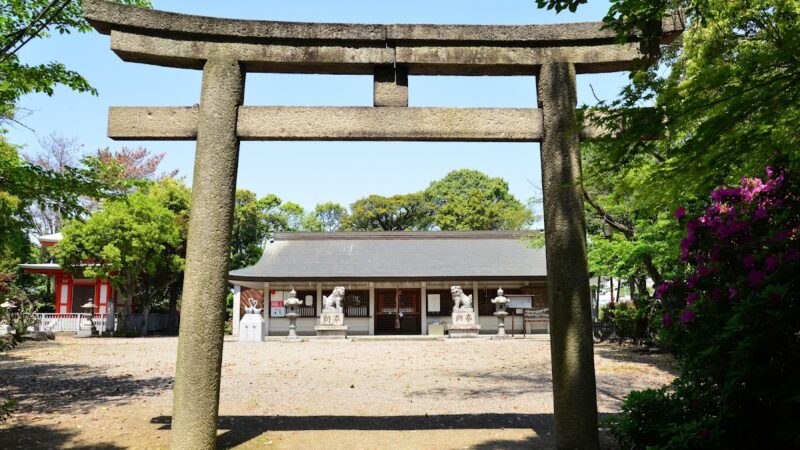
The shrine grounds feature a magnificent torii gate and a spacious approach. The main hall is built in a traditional shrine architectural style, conveying a sense of historical significance. Several subsidiary shrines are also located within the grounds, reflecting the worship of various deities.
A large shimenawa (sacred rope) adorns the front of the worship hall, creating a solemn atmosphere. Many of the trees on the grounds are ancient, allowing visitors to enjoy the beauty of nature throughout the seasons.
Access
It is approximately a 15-minute walk from JR Sojiji Station. Parking is also available, making it possible to visit by car.
Shin’ya-za Amaterasu Mitama Shrine in Shukukusho
Location: 5-chome, Shukukusho, Ibaraki City, Osaka Prefecture
This shrine is nestled in a quiet residential area and is revered as the local guardian deity.
Main Deity
Shrine in Shukukusho also enshrines the spirit of Amaterasu Omikami as its main deity, but there are slight differences in the interpretation of the deity at each shrine.
Features of the Shrine Grounds
The grounds are relatively compact, but a clean and well-maintained space unfolds. As a community-oriented shrine, it serves as a place of daily worship for local residents.
Access
Accessible from Hankyu Kyoto Line Sojiji Station or JR Sojiji Station. Located in a residential area, it offers a peaceful environment for worship.
Shin’ya-za Amaterasu Mitama Shrine in Nishigawara
Location: 3-chome, Nishigawara, Ibaraki City, Osaka Prefecture
This shrine is located in the Nishigawara area and is also revered by the local community.
Main Deity
Similarly, the shrine in Nishigawara also enshrines Amaterasu Mitama and is revered as the guardian deity of the region.
Features of the Shrine Grounds
The shrine grounds have a tranquil atmosphere and serve as a place of relaxation for local residents. During seasonal festivals, local residents gather, and traditional ceremonies are held.
Access
Located in the Nishigawara district of Ibaraki City, it is easily accessible by public transport and bicycle.
Goshuin (Shrine Seal) and Goshuincho (Shrine Seal Book) Information
About Goshuin
Goshuin can be obtained at Araya-za Amaterasu Mitama Shrine (especially Araya Shrine in Nishifukui). Goshuin are popular among many visitors as proof of worship and as a way to preserve their connection with the shrine.
The goshuin features the shrine name, “Araya-za Amaterasu Mitama Shrine” or “Araya Shrine,” written in ink, and stamped with the shrine’s seal. The calligraphy is strong and conveys the dignified style befitting a historical shrine.
Goshuin (Shrine/Temple Stamp) Reception Hours
The reception hours for goshuin are generally from 9:00 AM to around 5:00 PM, but these may change due to religious ceremonies or events. If you want to be sure to receive a goshuin, it is recommended to confirm by phone in advance.
Goshuincho (Shrine/Temple Stamp Book)
Please inquire directly with the shrine regarding the availability of original goshuincho. If you have a standard goshuincho, they will be able to stamp it for you.
Etiquette for Receiving a Goshuin
- Complete your prayers before receiving the goshuin.
- Request politely at the shrine office.
- Prepare the goshuin fee (usually around 300-500 yen).
- Wait quietly while the stamp is being prepared.
- Express your gratitude after receiving the goshuin.
A goshuin is not just a commemorative stamp; it is an important symbol of connecting with the gods. Treat it with respect.
Deities and Divine Virtues
About the Main Deity
The main deity of Araya-ni-imasu Amaterasu Mitama Shrine is considered to be the spirit (mitama) of Amaterasu Omikami. The spirit has two aspects: “aramitama” (fierce spirit) and “sakimitama” (fortunate spirit). This shrine particularly enshrines the aramitama.
Aramitama represents the powerful aspect of the deity, indicating a brave and active divine power. On the other hand, sakimitama represents the gentle and benevolent aspect. Shrines that enshrine the aramitama are believed to possess the power to overcome difficulties and ward off evil spirits.
Enshrined Deities
While there are slight differences among shrines, the following deities are enshrined as companions:
- Ikashikoo-no-Mikoto: A member of the imperial family involved in the founding of the shrine, and the ancestral deity of its establishment.
- Amateru Kuniteruhiko Hoakari-no-Mikoto: A deity considered to be a child of Amaterasu Omikami.
- Empress Jingu: The empress of the 14th Emperor Chuai, known for the legend of the conquest of the Three Kingdoms of Korea.
Divine Virtues (Benefits)
The following divine virtues are believed to be present at the Araya-ni-imasu Amaterasu Mitama Shrine:
- Good Fortune and Prosperity: The power to forge new paths
- Protection from Evil and Disaster: The powerful force of the fierce spirit wards off evil spirits
- Family Safety: Peace and prosperity for the family
- Abundant Harvest: The aspect of the deity as a guardian of agriculture
- Victory: The bestowal of the power to overcome difficulties
- Healing from Illness: Prayers for health and longevity
Highlights of the Shrine Grounds and Cultural Properties
Main Hall and Worship Hall
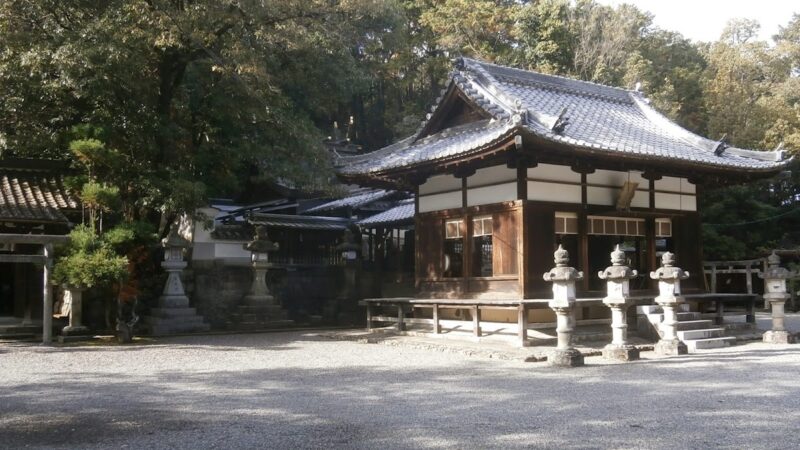
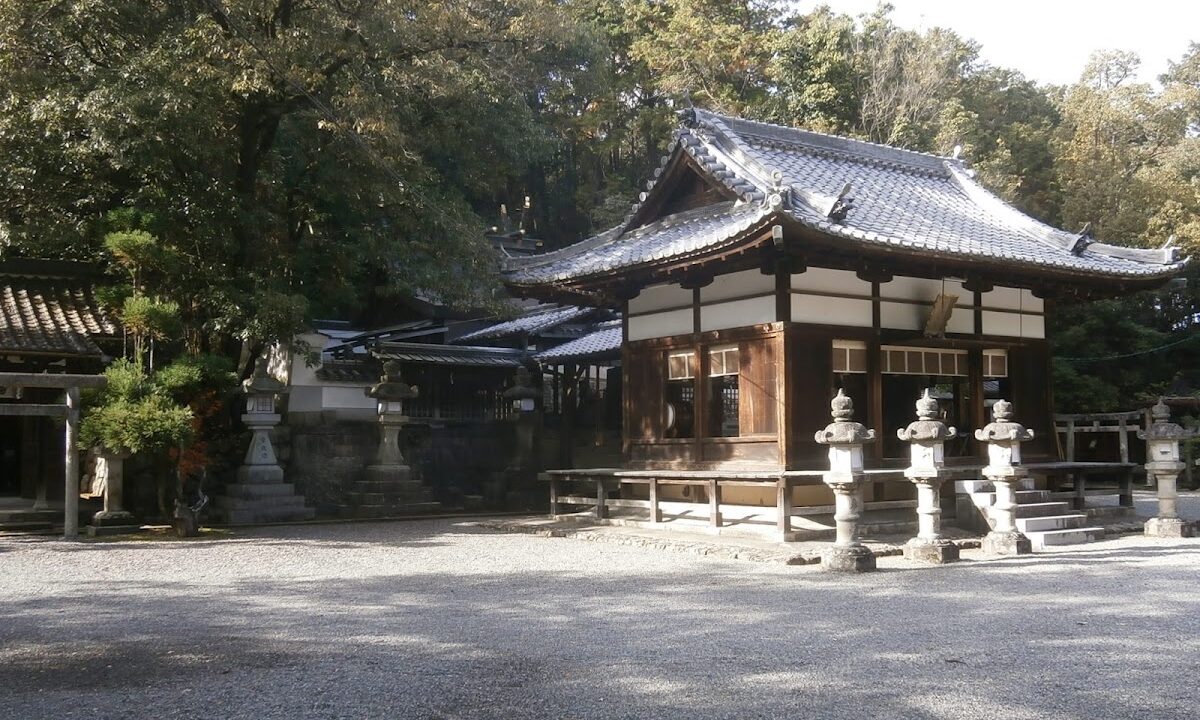
The main hall of Araya Shrine in Nishifukui is a valuable building that preserves the traditional style of shrine architecture. The worship hall is always kept clean as a place for worshippers to offer prayers.
Torii Gate
The torii gate standing at the entrance to the shrine grounds serves as a boundary separating the sacred realm from the secular world. It is customary to bow slightly before passing through the torii gate.
Subsidiary Shrines
Several subsidiary shrines are enshrined within the grounds, each dedicated to a different deity. Visiting these subsidiary shrines after praying at the main shrine will allow you to receive even greater divine blessings.
Sacred Trees
Years of ancient trees, estimated to be hundreds of years old, stand tall within the grounds, telling the story of the shrine’s history. These trees are cherished as vessels for the gods and as elements that contribute to the sacred atmosphere of the shrine grounds.
Water Basin
A water basin is provided for purification before praying. Please purify your hands and mouth according to the correct etiquette before praying.
Annual Events and Festivals
Niya-za Amaterasu Mitama Shrine holds various festivals throughout the year.
Main Annual Events
- Saitansai (January 1st): A festival celebrating the New Year
- Setsubunsai (around February 3rd): A ritual to ward off evil spirits, including bean-throwing
- Spring Grand Festival: A festival celebrating the arrival of spring
- Natsukoshi no Oharae (June 30th): A Shinto ritual to purify oneself of sins and impurities accumulated over the past six months
- Autumn Grand Festival: The most important festival to give thanks for the bountiful autumn harvest
- Shichi-Go-San (November): A celebration of children’s growth
- Toshikoshi no Oharae (December 31st): A Shinto ritual to purify oneself of sins and impurities accumulated over the past year
The Autumn Grand Festival, in particular, is held on a grand scale, with many local people participating. Traditional festival events such as portable shrines and drumming can sometimes be seen.
Etiquette for Visiting a Shrine
We will introduce the basic etiquette for visiting a shrine.
Procedure for Visiting a Shrine
- Passing Through the Torii Gate: Bow slightly before entering the shrine grounds.
- Walking Along the Path: The center is the path for the gods, so walk along the sides.
- Purifying at the Water Basin:
- Hold the ladle in your right hand and purify your left hand.
- Switch the ladle to your left hand and purify your right hand.
- Switch the ladle back to your right hand, receive water in your left hand, and rinse your mouth.
- Finally, stand the ladle upright and purify the handle.
- Praying in Front of the Main Hall:
- Place your offering in the offering box.
- Ring the bell if there is one.
- Perform the two bows, two claps, one bow (bow deeply twice, clap twice, bow deeply once).
- Visiting Subsidiary Shrines: If time permits, visit other shrines within the grounds.
- Leaving the Torii Gate: Turn around and bow once.
Attire for Visiting a Shrine
There are no specific rules, but clean and neat attire appropriate for visiting a sacred area is desirable. Please avoid clothing that exposes a lot of skin and overly casual footwear such as sandals.
Access Information
Access to Shin’ya-za Amaterasu Mitama Shrine in Nishi-Fukui
Access by Train
- Approximately 15 minutes on foot from JR Kyoto Line “Sojiji Station”
- Approximately 20 minutes on foot from Hankyu Kyoto Line “Sojiji Station”
Sojiji Station is conveniently located about 20 minutes from Osaka Station and about 30 minutes from Kyoto Station.
Access by Car
- Approximately 10 minutes from Meishin Expressway “Ibaraki IC”
- Parking available (limited spaces; public transportation is recommended during festivals)
Access by Bus
If using Hankyu Bus, the shrine is a few minutes’ walk from the nearest bus stop. Please check the Hankyu Bus route map for details.
Access to Shukukyusho and Nishigawara Shrines
Both are located within Ibaraki City and are accessible by bus, taxi, or on foot from Sojiji Station or Ibaraki-shi Station. Since they are located in residential areas, it is recommended to check the location on a map beforehand.
Nearby Tourist Attractions
When visiting Araya-za Amaterasu Mitama Shrine, you can also visit nearby tourist attractions.
Sojiji Temple
A historic Shingon Buddhist temple known as the 22nd temple of the Saigoku Thirty-Three Kannon Pilgrimage. The temple grounds contain many important cultural properties, making it a must-see for history buffs.
Ibaraki City Cultural Properties Museum
A museum exhibiting the history and cultural properties of Ibaraki City, offering a deep understanding of the region’s history.
Ai River
The area along the Ai River, which flows through Ibaraki City, is ideal for strolling, and the scenery is particularly beautiful during cherry blossom season.
Ibaraki Shrine
A shrine located in the heart of Ibaraki City, this is also a historically significant shrine. It is also known for the Ibaraki-doji legend.
Notes on Visiting
Visiting Hours
Entry to the shrine grounds is generally free, but the shrine office is open from 9:00 AM to around 5:00 PM. If you wish to receive a Goshuin (shrine stamp) or prayers, please visit within these hours.
Photography
Photography is generally permitted on the shrine grounds, but it is considered good manners to refrain from taking pictures inside the main hall or during Shinto rituals. Please also be considerate of other visitors.
Pet Policy
Pet policies vary by shrine. It is recommended to check in advance. Even if pets are allowed, please ensure they are kept on a leash and properly disposed of.
History of Ibaraki City and Shin’ya-za-Amaterasu-Mitama Shrine
Ibaraki City is located in the northern part of Osaka Prefecture and has flourished as a transportation hub since ancient times. As one of the centers of Settsu Province, many shrines and temples were built there.
The Araya-ni-imasu Amaterasu Mitama Shrine played a crucial role as the center of ancient religious beliefs in this region. The place name “Araya” is thought to mean a new residence or settlement, suggesting that the shrine was founded during the development of this area in ancient times.
The coexistence of three shrines is thought to reflect the historical process surrounding the changes in shrines from ancient to medieval times, the differentiation of local communities, and the identification of Shikinaisha (shrines listed in the Engishiki).
Importance as a Shikinaisha
Shikinaisha listed in the Engishiki Jinmyocho (a list of shrines compiled in the Heian period) are historically significant shrines officially recognized by the imperial court during the Heian period. Approximately 3,000 shrines are listed nationwide, with about 70 in Settsu Province.
Among these, those designated as “Myojin Taisha” (Great Shrines of Myojin) were particularly prestigious, and the Araya-ni-imasu Amaterasu Mitama Shrine was one of them. Myojin Taisha shrines held the “Myojin-sai” (Great Shrine Festival), a national ritual, and special offerings (heihaku) were presented.
Given its historical background, Araya-za Amaterasu Mitama Shrine is not merely a local shrine, but an important site for understanding ancient Japanese history.
Summary
Araya-za Amaterasu Mitama Shrine is a prestigious shrine with a history of approximately 2100 years, and is unique in that it comprises three shrines located in Ibaraki City, Osaka Prefecture. Each shrine attracts local devotion while preserving ancient traditions.
This shrine, which enshrines the fierce spirit of Amaterasu Omikami, is believed to offer various divine blessings such as good fortune, protection from evil, and family safety, attracting many worshippers. You can also receive a Goshuin (shrine stamp), making it a recommended stop for shrine pilgrimages.
Its convenient location, easily accessible from Osaka city, and the nearby tourist attractions such as Soji-ji Temple, make it a great addition to a historical walk.
Spending time in the tranquil grounds, reflecting on history and offering peaceful prayers, will be a valuable experience that allows you to forget the hustle and bustle of everyday life. Each of the three shrines has a different atmosphere, so if you have the time, visiting all three would be a fascinating experience.
We hope that through your visit to Araya-za Amaterasu Mitama Shrine, you will be able to experience Japan’s faith culture that has continued since ancient times, and gain peace of mind and renewed vitality.