Complete Guide to Ootoshi Shrine (Neyagawa City, Osaka Prefecture) | History, Deities, Goshuin (Shrine Seal), and Access Information
Ootoshi Shrine, located in Neyagawa City, Osaka Prefecture, is a shrine that has been cherished by the local people for centuries, with Ootoshi-no-kami as its main deity. Despite its convenient location just a 5-minute walk from Neyagawa Station, it maintains a solemn atmosphere amidst a quiet residential area. This article provides a detailed guide to Ootoshi Shrine, including its history, enshrined deities, highlights within the grounds, goshuin information, and access methods.
Basic Information about Ootori Shrine
Location: 23-1 Ootori-cho, Neyagawa City, Osaka Prefecture
Phone Number: 072-839-8065
Postal Code: 572-0048
Shrine Rank: Former Village Shrine
Annual Festival Date: October 18th
Ootori Shrine is located in the heart of Neyagawa City, conveniently situated about a 5-minute walk (approximately 392m) northwest of Neyagawa-shi Station on the Keihan Railway. Along with the adjacent park, it is a popular place for local relaxation.
Deities Enshrined at Ootori Shrine
Ootori Shrine enshrines four deities.
Main Deity: Ootoshi-no-kami
Ootoshi-no-kami is a deity that has been worshipped since ancient times as the god of grain and agriculture. He presides over abundant harvests and is revered as the guardian deity of farmers. Ootori Shrine has a long history of enshrining Ootoshi-no-kami, the god who protects farmers from abundant harvests, and has walked hand in hand with the agricultural development of this region.
Sugawara no Michizane
Sugawara no Michizane, known as the god of learning, was enshrined here after the area became the territory of Nagai Shinano-no-kami Naomasa in 1633. Many worshippers visit to pray for academic success and passing examinations.
Okuninushi-no-Okami
Okuninushi-no-Okami, also known as Daikokuten, is the god of matchmaking, business prosperity, and family safety. He is also famous as the principal deity of Izumo Taisha Shrine and is believed to bring a wide range of blessings.
Kotoshironushi-no-Okami
Kotoshironushi-no-Okami, affectionately known as Ebisu-no-kami, is worshipped as the god of business prosperity and fishing. As one of the Seven Lucky Gods, he is revered as a god who brings good fortune and prosperity.
Through these four deities, Ootori Shrine is known as a shrine where one can receive a variety of blessings, including abundant harvests, academic success, business prosperity, and family safety.
History and Origins of Ootori Shrine
Ancient Establishment
While the exact founding date of Ootori Shrine is not clearly recorded, a survey record from 1686 (Jōkyō 3) states that it “has existed since ancient times,” confirming its existence before the early Edo period. As the local tutelary deity, it has attracted the faith of people throughout its long history.
Changes in the Edo Period
After becoming part of the territory of Nagai Shinano-no-kami Naomasa in 1633 (Kanbun 10), Sugawara no Michizane was enshrined there. This added the worship of a god of learning to the existing deity, Ootori-no-kami, the god of agriculture, further diversifying the shrine’s character.
Reconstruction during the Hoei Era
In the fifth year of the Hoei era (1708), the shrine was severely damaged by a major earthquake and strong winds. However, reconstruction was completed the following year, in the sixth year of the Hoei era (1709), laying the foundation for the shrine that stands today. This reconstruction is a testament to the deep faith of the local residents and speaks to how important Ootori Shrine was to the community.
Modern Era
Under the Meiji era’s shrine ranking system, it was designated a village shrine, positioning it as a central shrine in the region. Even as times changed through the Showa, Heisei, and Reiwa eras, it continues to attract unwavering devotion as the guardian deity of the community.
Highlights of the Shrine Grounds
Torii Gate and Approach
A magnificent torii gate stands at the entrance to Ootori Shrine. Despite being located in a residential area, passing through the torii gate reveals a sacred space, creating a sense of transition from the ordinary to the extraordinary. The approach is well-maintained, allowing for a refreshing and peaceful visit.
Main Shrine
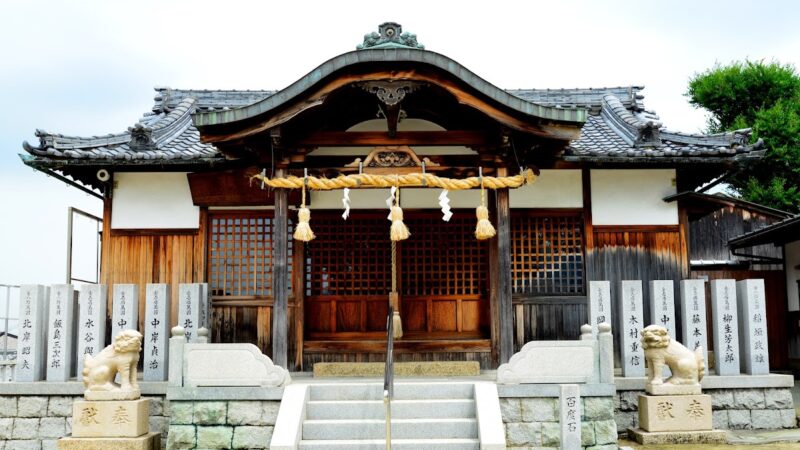
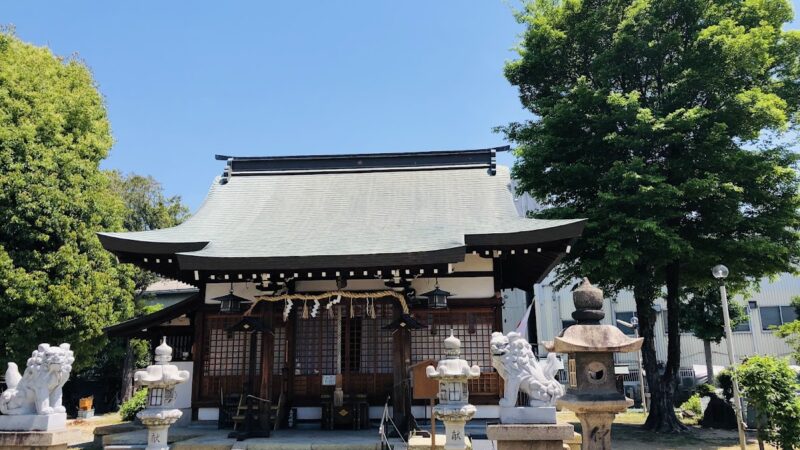
The main shrine, with a history dating back to its reconstruction in 1709 (Hoei 6), preserves the traditional style of shrine architecture. Four deities are enshrined here, and visitors can quietly offer their prayers.
Subsidiary Shrines
In addition to the main shrine, several smaller shrines are located within the grounds. These smaller shrines are also objects of local worship, and visitors can be seen paying their respects at each.
Atmosphere of the Shrine Grounds
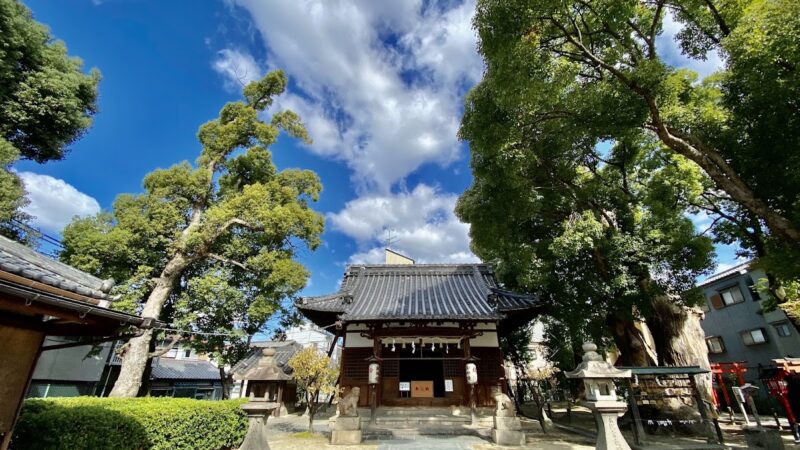
The shrine grounds are neither too large nor too small, maintaining a just-right size. Together with the adjacent park, it serves as a place of relaxation for the community. The quiet environment surrounded by trees provides a precious space for peace of mind, even in an urban area.
Goshuin (Shrine Seal) Information
Goshuin (shrine seals) are available at Ootori Shrine. Many visitors seek them as a memento of their visit and as a way to preserve their connection with the shrine.
Please inquire at the shrine office when requesting a goshuin. However, depending on the size and circumstances of the shrine, the shrine staff may be absent. Therefore, if you definitely want to receive a goshuin (shrine stamp), it is recommended to call ahead to confirm.
Even if you don’t have a goshuincho (stamp book), pre-printed goshuin may be available. The offering fee is generally around 300 to 500 yen, but sometimes it is left to your discretion.
Annual Events and Festival
Annual Festival (October 18th)
The most important festival of Ootori Shrine is the annual festival held on October 18th. This festival, which expresses gratitude for the autumn harvest and prays for a bountiful harvest, is particularly significant for Ootori Shrine, whose main deity is Ootoshi-no-kami.
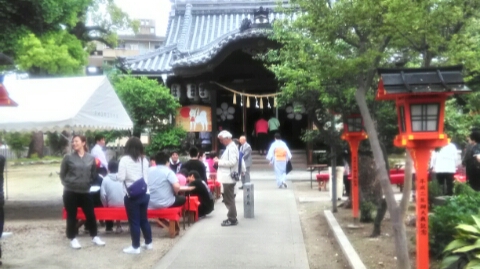
Local people gather, and the Shinto rituals are solemnly performed. During the annual festival, the shrine grounds are enveloped in a special atmosphere, and you can see the shrine in a different light than usual.
Other Annual Events
The shrine also holds annual events commonly observed at Japanese shrines, such as the first shrine visit of the New Year, the Setsubun festival, and the summer purification ceremony. As the local guardian deity, festivals praying for the peace and prosperity of the community are held throughout the year.
Access
Access by Train
Using the Keihan Railway
- Get off at Neyagawa-shi Station on the Keihan Main Line, approximately 5 minutes on foot (approx. 392m)
Neyagawa-shi Station is one of the main stations on the Keihan Main Line, easily accessible from both Osaka and Kyoto. Walk northwest from the station, and you will arrive at Ootori Shrine after passing through a residential area.
Walking Route
The most common route from Neyagawa-shi Station to Ootori Shrine is through the shopping street. Exit the station and head northwest, then leisurely walk through the local shopping street. You will see the torii gate in the residential area. The route is relatively easy to follow, and even first-time visitors are unlikely to get lost.
The shopping street features unique local shops, making it a pleasant place to stroll before or after visiting the shrine.
Access by Car
If visiting by car, please note that parking may be limited as the shrine is located in a residential area. We recommend using nearby coin-operated parking lots or public transportation.
Nearby Spots and Tourist Information
Around Neyagawa City Station
Within walking distance of Ootori Shrine, around Neyagawa City Station, you’ll find shopping streets and facilities, perfect for enjoying meals and shopping after your visit. The community-oriented shopping streets retain a traditional atmosphere, making them enjoyable even just for a stroll.
Other Shrines and Temples
Neyagawa City has several other shrines and temples, offering opportunities for shrine hopping. Shrines such as Sugawara Shrine, Hachiman Shrine, and Kōtaijingu Shrine, each with its own unique characteristics, are scattered throughout the area.
Park
The park adjacent to Ootori Shrine is a local gathering place. You can relax on benches after your visit or enjoy the seasonal flowers.
Manners and Points for Visiting a Shrine
Proper Way to Visit a Shrine
- Bow Before Passing Through the Torii Gate: As a sign of respect before entering the sacred area, bow before the torii gate.
- Purify at the Water Basin: If there is a water basin, purify your left hand, then your right hand, and then your mouth.
- Two Bows, Two Claps, One Bow: In front of the main shrine, bow deeply twice, clap your hands twice, silently recite your wish, and then bow deeply once more.
Mindset for Visiting a Shrine
Visiting a shrine is a good opportunity to escape the hustle and bustle of everyday life and calm your mind. It’s important not only to make wishes but also to express your gratitude to the gods. Since Ootori Shrine is located in a quiet residential area, please be considerate of the neighbors and visit quietly.
Regarding Photography
Photography is generally permitted on the shrine grounds, but there may be restrictions, such as inside the main shrine or during religious ceremonies. Please check with the shrine office if you have any questions, and be considerate of other visitors.
Benefits of Ootori Shrine
Ootori Shrine is believed to offer the following benefits based on the characteristics of its enshrined deities:
Abundant Harvest and Business Prosperity
The main deity, Ootoshi-no-kami, is the god of grain, and many people involved in agriculture, as well as business owners praying for business prosperity, visit the shrine. Kotoshironushi-no-kami (Ebisu-no-kami) is also known as the god of business prosperity.
Academic Success and Passing Exams
As the shrine enshrines Sugawara no Michizane, it is constantly visited by students and their parents praying for academic success and passing exams. Many visitors come, especially during exam season.
Matchmaking and Family Safety
Okuninushi-no-kami is famous as the god of matchmaking. He is a reassuring presence for those seeking good relationships and those praying for family happiness.
Good Fortune and Prosperity
The four deities enshrined here are believed to bring good fortune and prosperity in their own ways, resulting in a comprehensive blessing of good fortune and prosperity.
The Charms of Ootori Shrine
Convenient Location Near the Station
One of the biggest attractions of Ootori Shrine is its convenient location, just a 5-minute walk from Keihan’s Neyagawa-shi Station. It’s easy to visit, making it convenient for commuters, students, or shoppers to stop by.
Quiet Environment
Despite its proximity to the station, the shrine grounds are quiet and peaceful, situated within a residential area. It offers a precious space to escape the hustle and bustle of the city and find peace of mind.
A Shrine Rooted in the Community
Ootori Shrine has long been cherished as the local guardian deity. It’s a shrine that has walked hand-in-hand with the history of the region, allowing visitors to experience local history and culture.
Integration with the Shopping Street
The path from Neyagawa-shi Station to the shrine is lined with a shopping street, allowing visitors to enjoy the local atmosphere along with their visit. The shrine’s location, beyond the shopping street, creates a sense of boundary between the ordinary and the extraordinary, making the pilgrimage experience more memorable.
Visitor Feedback
The following are some comments from people who have actually visited Ootori Shrine:
“I was surprised to see a magnificent torii gate in the middle of a residential area after a leisurely walk from the shopping street. It was quiet despite being close to the station, a truly peaceful place.”
“I felt that this shrine is cherished by the local community. The grounds were kept clean, making for a pleasant visit.”
“It’s great that four deities are enshrined here, allowing for various requests. I was also pleased to receive a goshuin (shrine stamp).”
These comments demonstrate that Ootori Shrine is loved by the community and leaves a positive impression on visitors.
Summary
Ootori Shrine, located in Neyagawa City, Osaka Prefecture, is a historical shrine that has been cherished by the local community for centuries, with Ootoshi-no-kami as its main deity. By enshrining Sugawara no Michizane, Okuninushi no Okami, and Kotoshironushi no Okami together, this shrine offers a variety of blessings, including abundant harvests, academic success, business prosperity, and matchmaking.
Despite its convenient location just a 5-minute walk from Keihan’s Neyagawa-shi Station, it maintains a solemn atmosphere within a quiet residential area, making it a valuable shrine that can be easily visited in everyday life. The torii gate that appears after passing through the shopping street serves as an entrance from the ordinary to the extraordinary, guiding visitors into a sacred space.
The annual festival is held on October 18th and is a beloved and important local event. You can also receive a Goshuin (shrine stamp), making it a great choice for those who enjoy visiting shrines.
If you have the opportunity to visit Neyagawa City, please be sure to stop by Ootori Shrine. In the tranquil grounds of this shrine with its long history, you can calm your mind, express your gratitude to the gods, and pray for future happiness.
Ootori Shrine is an important place that conveys the history and culture of the region to the present day, and it is a treasure of Neyagawa City that gives peace and strength to those who visit.