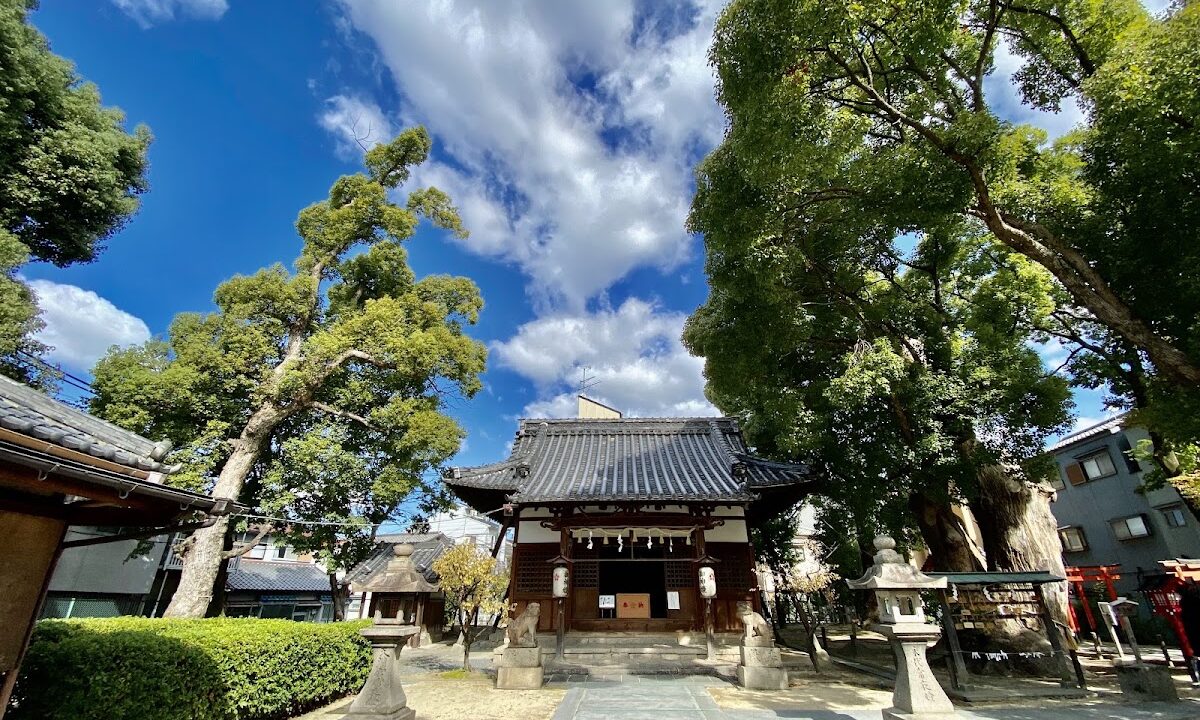
Complete Guide to Kanda Tenmangu Shrine (Neyagawa City, Osaka Prefecture) | The Charm of a Historic Shrine Dedicated to Sugawara no Michizane and the Thousand-Year-Old Camphor Tree
Kanda Tenmangu Shrine, located in Kamikanda, Neyagawa City, Osaka Prefecture, is a historic shrine dedicated to Sugawara no Michizane, known as the god of learning. Within the shrine grounds stands a giant camphor tree, designated a natural monument of Osaka Prefecture, known as the “Thousand-Year-Old Camphor Tree,” beloved by the local community. This article provides detailed information you should know before visiting Kanda Tenmangu Shrine, including its history, highlights, access methods, and blessings.
History and Origins of Kanda Tenmangu Shrine
History of Founding and Relocation
The exact founding date of Kanda Tenmangu Shrine is unknown, but it has long been a shrine that has attracted the faith of the local community. Originally located east of Shimokanda no Fuchi, it was relocated to its current location in Kamikanda in 1659 (Manji 2). More than 360 years have passed since this relocation, and it continues to be worshipped as the guardian deity of the region at its current location.
Alternative Name as Sugawara Shrine
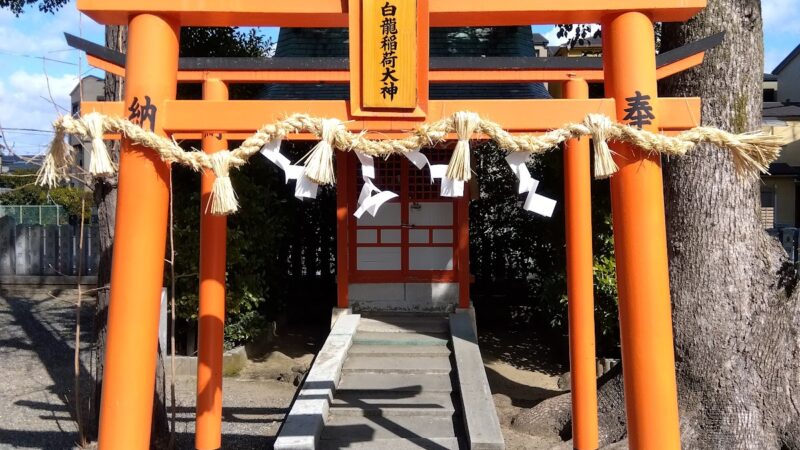
The plaque on the second torii gate of Kanda Tenmangu Shrine reads “Sugawara Shrine,” and the shrine is known by both names in the region. These names are derived from the enshrined deity, Sugawara no Michizane, and Tenmangu and Sugawara Shrine are widely known as different names for shrines that enshrine the same deity.
Mysterious Legend
Kanda Tenmangu Shrine has an interesting legend. There is a tradition that when sacred sake is offered during the annual festival, the face of Sugawara no Michizane, depicted in a hanging scroll of his image held by the shrine, turns red. This mystical phenomenon is passed down among the local people as evidence of the shrine’s miraculous powers.
Enshrined Deity and Benefits
About Sugawara no Michizane
The enshrined deity of Kanda Tenmangu Shrine is Sugawara no Michizane. Sugawara no Michizane was a scholar and politician of the Heian period, and is also known as an accomplished Chinese poet. He was highly favored by Emperor Uda and rose to the position of Minister of the Right, but was demoted due to political infighting and exiled to Dazaifu, where he died. After his death, he was worshipped as Tenjin-sama and is enshrined as the god of learning and literature in Tenmangu shrines throughout Japan.
Expected Benefits
At Kanda Tenmangu Shrine, you can expect the following benefits:
- Academic Success and Passing Exams: Many students and those preparing for exams visit the shrine, drawing on the excellent learning of Sugawara no Michizane.
- Improvement in Academics: For those wishing for improvement in all aspects of their studies.
- Improvement in Calligraphy: For those wishing for improvement in calligraphy, in honor of Michizane, who was a master calligrapher.
- Improvement in Literature: For those seeking the protection of Michizane, who excelled in Chinese and Japanese poetry.
- Protection from Evil and Disaster: The benefit of protection from evil through the divine power of Tenjin-sama.
Highlights of the Shrine Grounds
Osaka Prefecture Designated Natural Monument “Thousand-Year Camphor Tree”
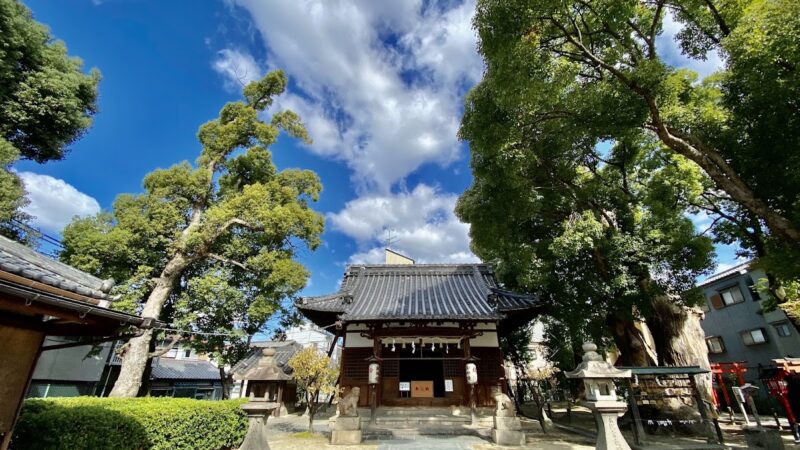
The greatest highlight of Kanda Tenmangu Shrine is the group of giant camphor trees that stand tall within the shrine grounds. In particular, the camphor tree on the east side of the shrine is called “Thousand-Year Camphor Tree” or “Thousand-Year Camphor Tree” and is designated as an Osaka Prefecture Designated Natural Monument.
Characteristics of the Millennium Camphor Tree:
- Age: Over 800 years (some say nearly 1000 years)
- Trunk Circumference: Approximately 10 meters
- Height: Approximately 30 meters (it is said to have once been 33 meters)
- Known as one of the largest trees in Kyoto Prefecture
This sacred tree has continued to grow powerfully over many years, and its majestic appearance deeply impresses visitors. There are several other large camphor trees on the grounds, creating a sacred atmosphere.
Shrine Buildings and Grounds
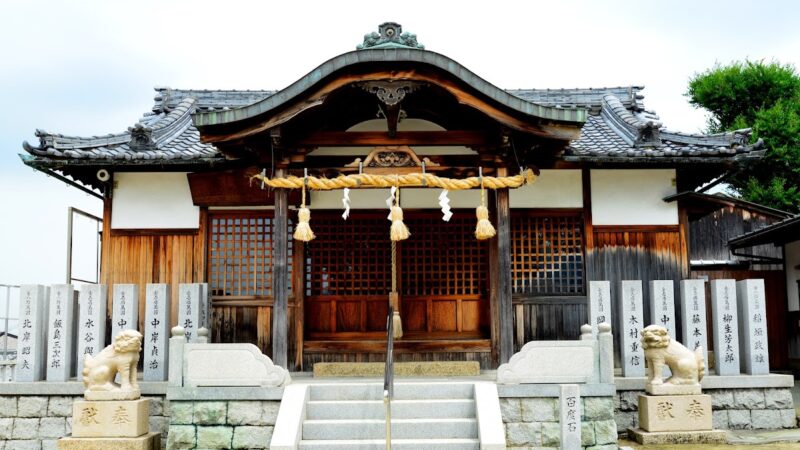
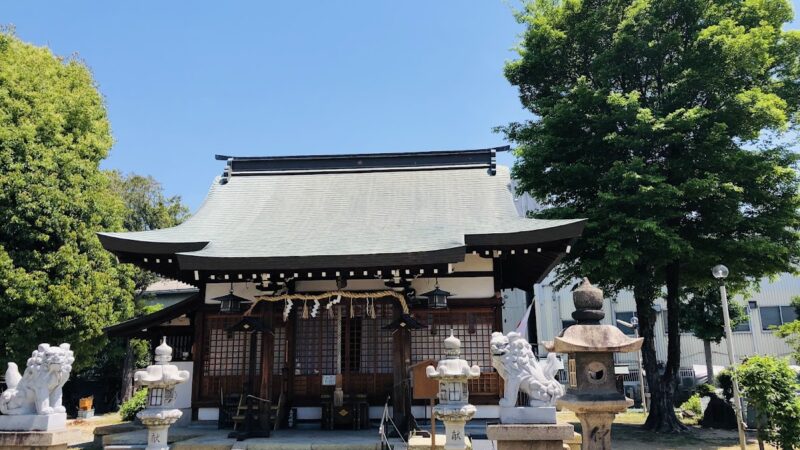
Kanda Tenmangu Shrine’s grounds cover 1,777 square meters (approximately 537 tsubo), offering a compact yet well-maintained site. Basic shrine facilities such as the main hall, worship hall, and torii gate are located within, functioning as a center of local faith.
The second torii gate bears a plaque inscribed with “Sugawara Shrine,” giving it a historical feel. The temple grounds are meticulously clean, creating a quiet and peaceful atmosphere for worship.
A Rich Natural Environment
With its ancient camphor tree and other giant trees, the temple grounds boast a lush green environment. Despite being in an urban area, it offers a rare space to experience nature and is cherished as a place of relaxation for local residents. The natural beauty of the temple grounds changes with each season, offering fresh discoveries with every visit.
Access and Transportation
Basic Information
Address
2-2-2 Kamikanda, Neyagawa City, Osaka Prefecture 572-0052
Phone Number
072-827-4640
Access by Train
Using the Keihan Main Line:
- Nearest Station: Keihan Main Line “Kayashima Station”
- Approximately 14 minutes on foot from Kayashima Station (approximately 1.1 km northwest)
Kayashima Station is a station where local trains on the Keihan Main Line stop, making it easily accessible from both Osaka and Kyoto. The route from the station to the shrine involves walking through a residential area.
Access by Bus
Using Keihan Bus:
- Nearest Bus Stop: “Kanda” Bus Stop
- Approximately 100 meters west from the bus stop (approximately 2 minutes on foot)
Using the bus allows you to access the shrine very close by, minimizing walking and making it convenient.
Access by Car
Kanda Tenmangu Shrine does not have its own parking lot, so visitors arriving by car will need to use nearby coin-operated parking lots. Since it is located in a residential area, using public transportation is recommended.
Annual Festivals and Events
Annual Festival (October 18th)
The annual festival of Kanda Tenmangu Shrine is held every year on October 18th. This day is the most important festival of the year, and local parishioners and devotees gather to offer thanks to the enshrined deity, Sugawara no Michizane. The ceremony of offering sacred sake to the aforementioned picture of Michizane is also said to take place during this festival.
Other Annual Events
Tenmangu shrines generally hold the following annual events:
- Hatsumode (January 1st-3rd): Bustling with worshippers praying for safety in the new year and academic success
- Setsubun Festival (around February 3rd): Setsubun rituals such as bean-throwing
- Tenjin Festival (June 25th): The anniversary of Sugawara no Michizane
- Shichi-Go-San (around November 15th): Prayers for the healthy growth of children
*For specific event details, please contact the shrine directly.
Etiquette and Manners for Visiting a Shrine
Basic Method of Visiting a Shrine
- Bow at the Torii Gate: Bow before passing through the torii gate.
- Purify at the Water Basin: Purify your hands and mouth.
- Walking Along the Path: The center of the path is considered the path of the gods, so walk along the sides.
- Worship at the Main Hall: Worship using the two bows, two claps, and one bow ritual.
- Bow Upon Exit: Turn around and bow when leaving the torii gate.
Respect for the Sacred Tree
The thousand-year-old camphor tree is a sacred tree. Avoid touching the trunk and maintain an appropriate distance when viewing it. Photography is permitted, but remember that this is a sacred place and observe proper etiquette when taking pictures.
Nearby Attractions and Shrines/Temples
Shrines and Temples in Neyagawa City
When visiting Kanda Tenmangu Shrine, it’s also recommended to visit other shrines and temples in Neyagawa City. Neyagawa City has many historical temples and shrines scattered throughout, making it a great place for a shrine tour.
Around Kayashima Station
The area around the nearest station, Kayashima Station, has shopping streets and cafes, making it convenient for resting or eating after your visit. The giant camphor tree that pierces the station platform is also a well-known landmark of Kayashima.
Summary of Kanda Tenmangu Shrine’s Charms
Kanda Tenmangu Shrine is a shrine where history and nature harmonize, quietly nestled in a residential area of Neyagawa City, Osaka Prefecture. Its charm can be summarized in the following points:
1. The Overwhelming Presence of the Sacred Tree
The thousand-year-old camphor tree, over 800 years old, is protected as a natural monument designated by Osaka Prefecture. This giant tree, with a trunk circumference of 10 meters and a height of 30 meters, is well worth seeing. Encountering such a magnificent tree in an urban area is a rare opportunity.
2. Benefits of the God of Learning
As a Tenmangu shrine dedicated to Sugawara no Michizane, it attracts worshippers seeking blessings for academic success and passing exams. Many students and their parents visit, especially during exam season.
3. Over 360 Years of History
Having been relocated in 1659, this shrine has a history of over 360 years at its current location, making it a valuable presence that conveys the history and culture of the region.
4. Mysterious Legend
The mystical legend that the hanging scroll of Michizane turns red during the annual festival speaks to the shrine’s miraculous power.
5. Easy Access
Within walking distance of Kayashima Station on the Keihan Main Line and just a 2-minute walk from the bus stop, it’s easily accessible for worship.
6. Quiet and Peaceful Atmosphere
Despite being located in a residential area, the shrine grounds are enveloped in tranquility, providing an environment where you can leave the hustle and bustle of the city and pray in peace.
Notes on Visiting
Visiting Hours
Kanda Tenmangu Shrine is generally open for worship during the daytime. However, the shrine office’s operating hours may be limited, so it is recommended to check in advance if you wish to obtain a Goshuin (shrine stamp) or amulet.
Dress Code
There are no specific dress code requirements, but please dress appropriately for a sacred place like a shrine. Avoid excessive exposure, and clean attire is desirable.
Photography
Photography is generally permitted on the shrine grounds, but please be considerate of other worshippers. Especially during festivals, please follow the shrine’s instructions regarding photography.
Pets
It is recommended to check in advance regarding bringing pets to the shrine. Generally, shrines restrict pet entry.
Connections to the Community
Kanda Tenmangu Shrine has long been revered by local residents as the guardian shrine of the Kamikanda area in Neyagawa City. It is a place where people pray for the safety and prosperity of the community, and a place where people visit at important life events, enjoyed by generations.
People from the community have visited the shrine to offer prayers to the gods at various stages of life, such as for a baby’s first shrine visit, Shichi-Go-San (a traditional rite of passage for children), prayers for success in exams, and protection against misfortune. As a shrine deeply rooted in the community, it will undoubtedly continue to be carefully preserved.
Conclusion
Kanda Tenmangu Shrine is a fascinating shrine, attracting many visitors seeking the blessings of Sugawara no Michizane, the god of learning, and boasting an awe-inspiring sacred tree, a thousand-year-old camphor tree, over 800 years old. Despite being located in the urban area of Neyagawa City, Osaka Prefecture, the shrine grounds exude a tranquil and sacred atmosphere, offering peace to visitors.
This shrine is worth visiting for various reasons, whether it’s for students praying for success in exams, for those wishing for academic improvement, or simply for a nature walk to see its historic giant trees. Its convenient location, within walking distance of Kayashima Station on the Keihan Main Line, is another attractive feature.
While there are many famous Tenmangu shrines in Osaka Prefecture, including Osaka Tenmangu, Kanda Tenmangu is characterized by its tranquil atmosphere and warm, community-oriented feel. When visiting Osaka, or the Neyagawa area, be sure to visit Kanda Tenmangu and experience the powerful vitality of the thousand-year-old camphor tree and the divine virtues of Sugawara no Michizane.
Spending time in quiet prayer, entrusting your academic success and various life wishes to Michizane, will surely be a memorable and precious experience.